The Year the North Wind Arrived
Domaine de la Romanée-Conti La Tâche Grand Cru 2008
- Producer
- Domaine de la Romanée-Conti
- Appellation
- La Tâche Grand Cru
- Grapes
- Pinot Noir
- Tasted
- 17 July 2020
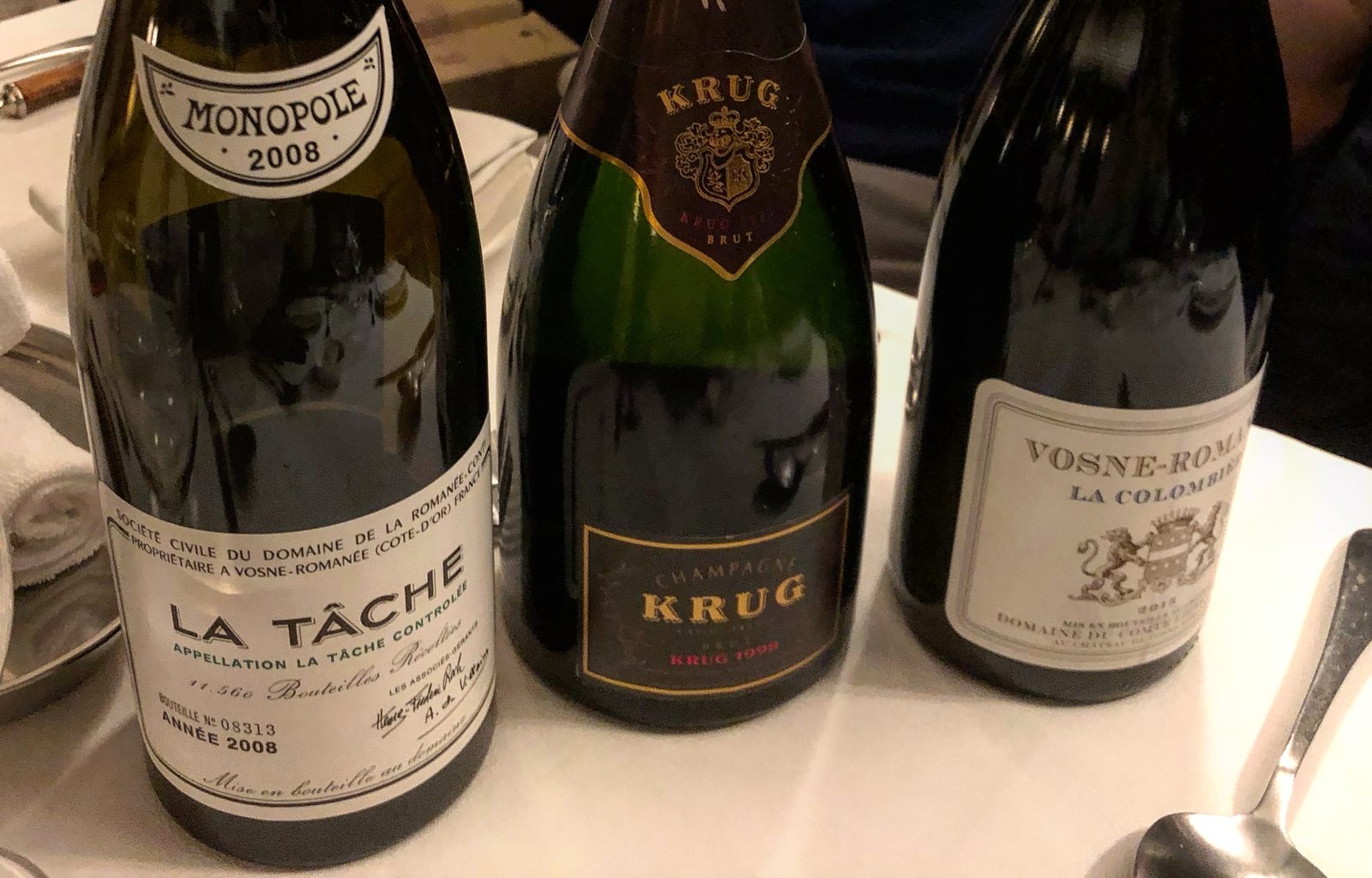
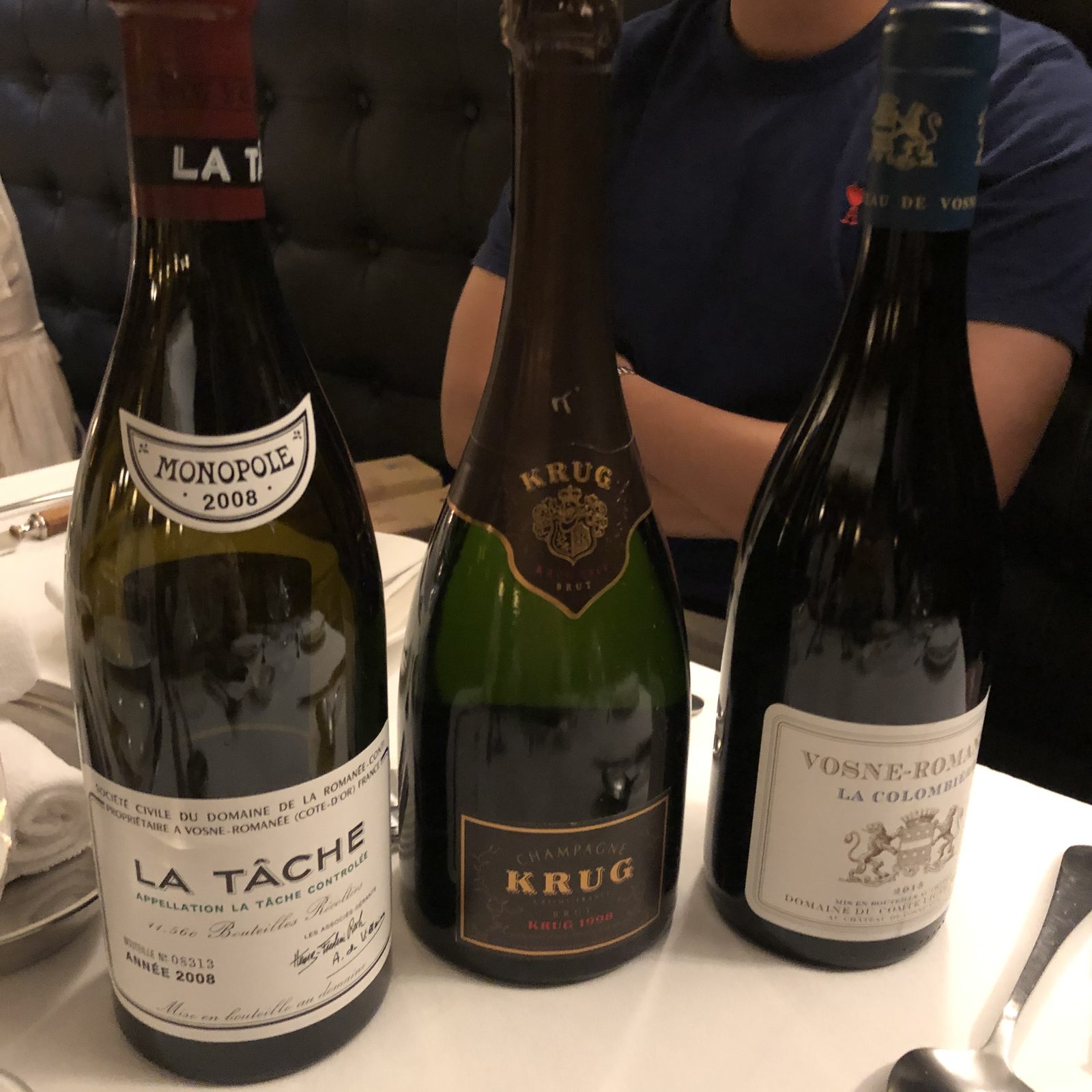
La Tâche is the vineyard where the Domaine de la Romanée-Conti is least constrained. Romanée-Conti is the more famous name and the smaller jewel, but La Tâche — a little over six hectares on the southern flank of Vosne-Romanée, wholly owned, no neighbours to argue with — is the domaine’s largest monopole and, for many people who drink these wines regularly, the most complete expression of what the house does. The label states the terms plainly: Monopole. Bottle number 08313, of 11,560 made.
A Summer Nobody Wanted
2008 was, for most of its length, a bad year. The spring was uneven, the summer grey and damp, disease pressure relentless, and by late August the Côte de Nuits was braced for a thin, green harvest. Growers who had spent the season working the canopy — opening it, thinning it, sorting relentlessly — were the ones left with anything to show.
Then the weather turned. From the middle of September a dry north wind settled over the slope and stayed there. It pulled the moisture out of the vineyards, concentrated what was hanging, and let photosynthesis run on the water still held in the soil. Sugars climbed quickly through the last stretch, acidity stayed high, and what arrived in the cellar was not the diluted vintage everyone had been rehearsing excuses for.
The result was a vintage that divided people immediately and has kept dividing them since. The 2008 reds are lean-framed rather than opulent, built on acidity and aromatic lift rather than flesh, and in their youth they read as austere — even severe — to anyone approaching them expecting the warmth of the vintages on either side. They are also, on the evidence of the years since, unusually long-lived.
Twelve Years Is Early
At twelve years, a La Tâche has barely started. The domaine’s own reckoning for this wine runs decades, and the serious assessments of the 2008 put the drinking window well beyond that mark — the vintage’s high-toned structure is precisely what buys it time. Opening one at this age is less a verdict than a progress report.
What that report tends to contain, in this vintage, is a wine still speaking through its aromatics rather than its weight: red fruit rather than black, violets and crushed flower, orange peel, a bright spice edge, and underneath it the savoury, faintly earthy tone that Vosne grand cru grows into rather than starts with. The palate follows the same logic — sappy, transparent, more tension than flesh, and finishing long on acidity rather than on tannin. It is not a wine that overwhelms. It is a wine that keeps going.
The Table
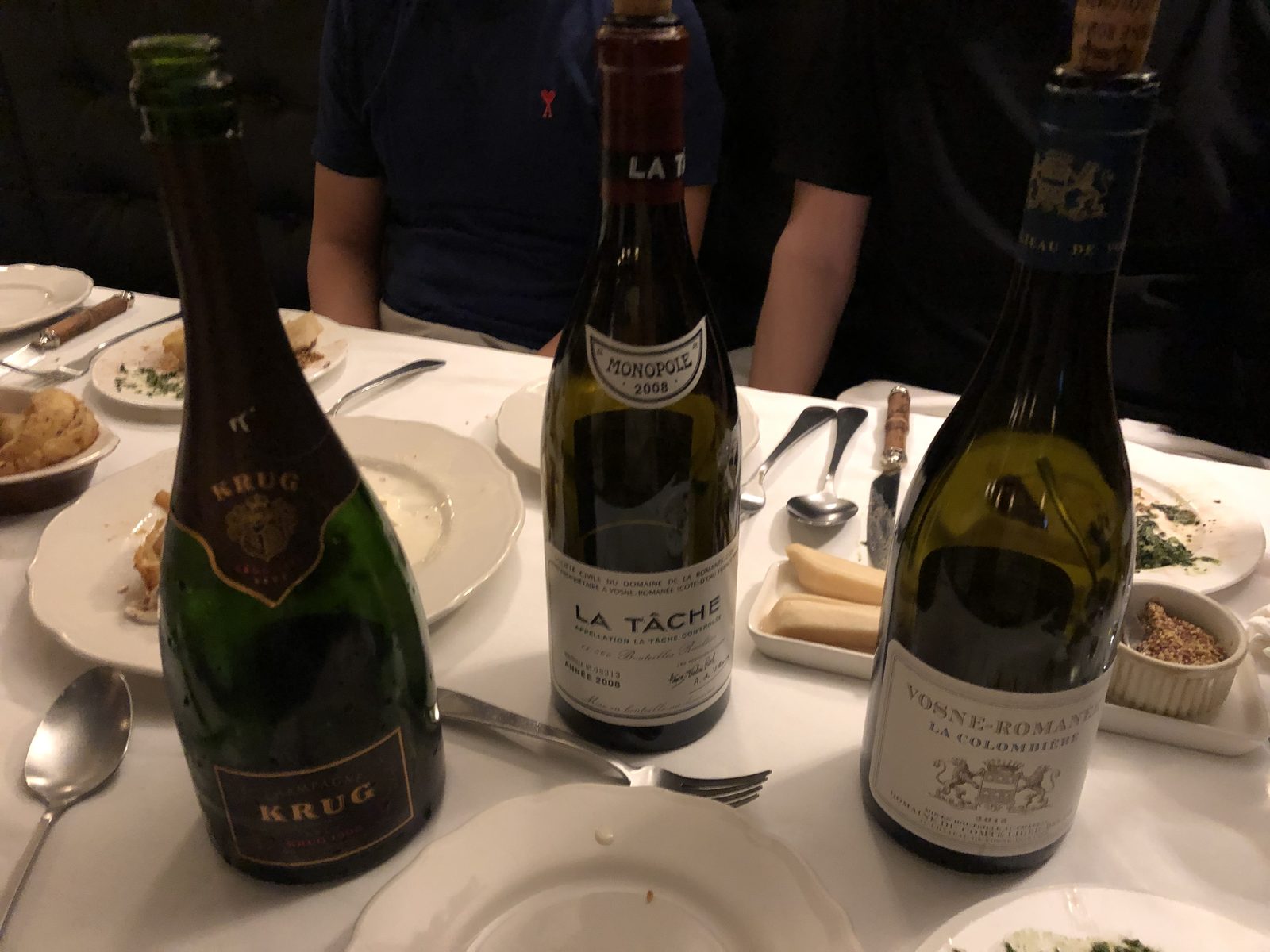
It stood that evening beside a Krug of the 1998 vintage and a Vosne-Romanée “La Colombière” 2015 from the Domaine du Comte Liger-Belair — a village lieu-dit from the estate whose grand cru monopole sits a short walk up the same slope. Three wines with nothing to prove to one another: a mature Champagne, a young Vosne from the village level, and a grand cru caught early in a long life.
Of the three, this is the one whose story was least finished, and that is the reason to write it down. A bottle drunk at twelve years old in a vintage built for forty is a note taken in the middle of a sentence.