Steel Only, and Half a Bottle
Louis Michel & Fils Chablis 2017 (Half Bottle)
- Producer
- Domaine Louis Michel & Fils
- Appellation
- Chablis
- Grapes
- Chardonnay
- Tasted
- 8 December 2020
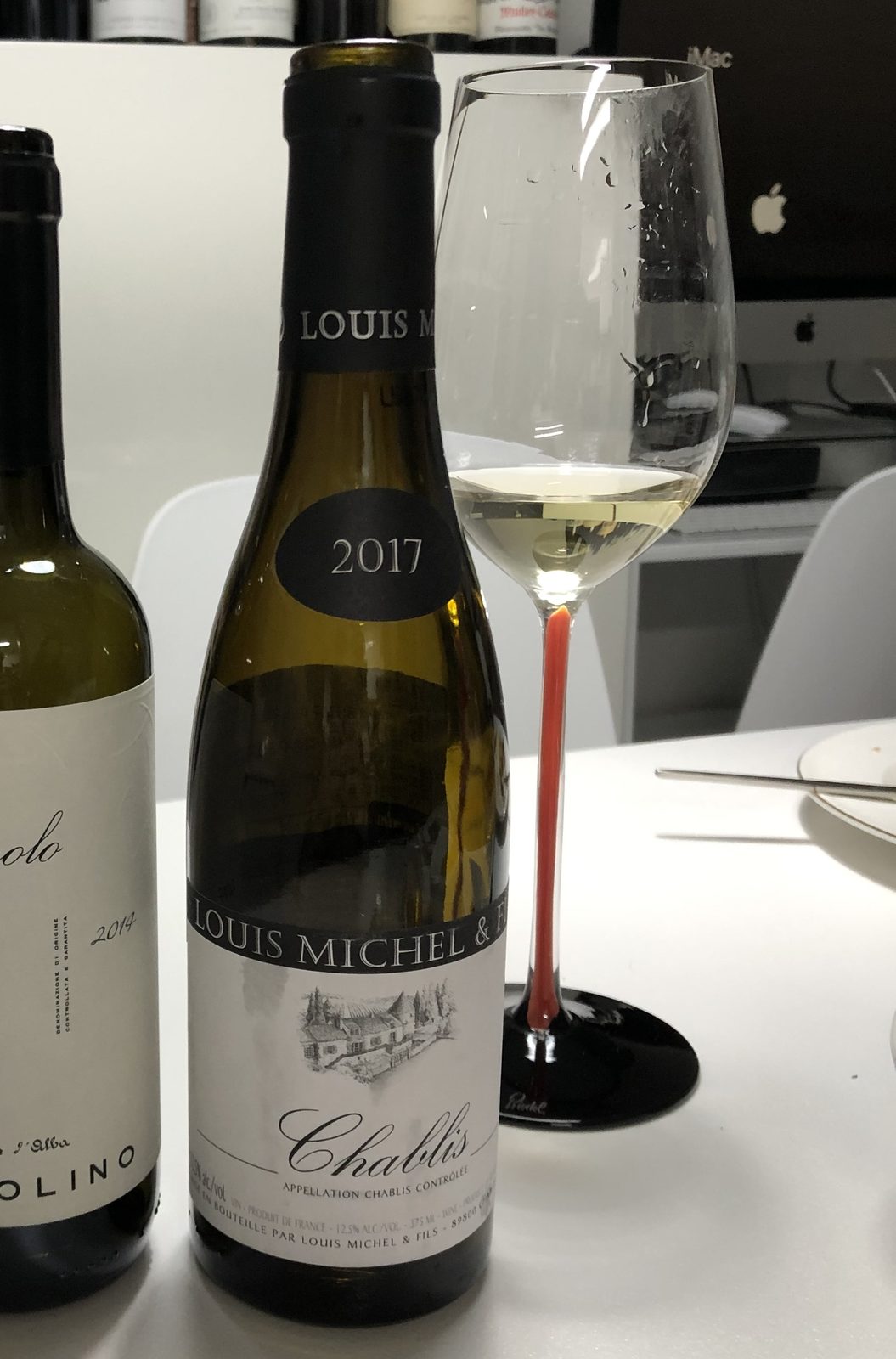
There are domaines in Chablis that use oak carefully, domaines that use it heavily, and then there is Louis Michel & Fils, which stopped. From the end of the 1960s the family has fermented and raised everything in steel — no barrels anywhere in the cellar, from the village wine to the grands crus. The stated reason has never changed: they would rather the ground did the talking.
The family has farmed here since the 1850s, and the genealogy runs back further than that. Today they work about twenty-five hectares of Kimmeridgian limestone, with the large majority of it in premier and grand cru land. The straight Chablis is drawn from a handful of parcels, mostly on the left bank, and it is raised in tank with as little handling as the house can manage.
That approach leaves nowhere to hide. A wine with no wood in it has no sweetness borrowed from anywhere, no vanilla to round a hard edge, no toast to cover a thin middle. What you get is the fruit, the acid and the salt, at whatever level the year supplied them.
What 2017 Supplied
Not very much, in volume. Frost came through the Chablisien in April 2017 and the crop was cut roughly in half. What survived ripened well: the vintage is generally spoken of as classical rather than heroic — clean citrus, decent flesh, acidity intact.
In the Glass
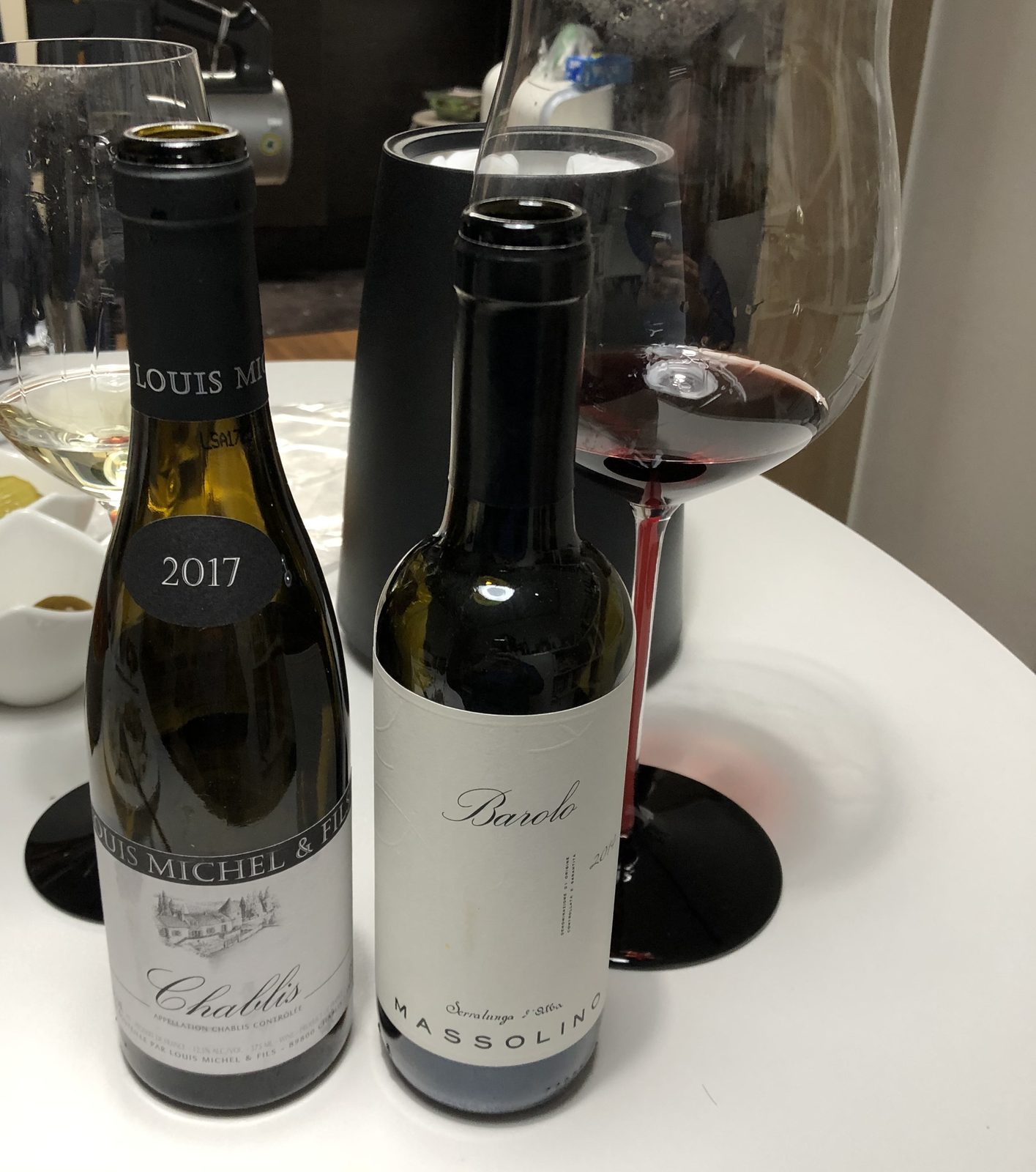
This was a half bottle at three years old, opened on a weeknight beside a half of Serralunga Barolo — a small, unceremonious pairing of two wines that have nothing whatever in common except that both houses refuse to dress anything up.
Pale lemon, almost water-white at the rim, and completely bright. The nose was tight at first and then came forward on lemon and green apple, with a mandarin note behind it that gave the wine more charm than village Chablis usually offers, and a chalky, oyster-shell edge underneath. No wood, obviously, but also no absence where wood would have been — the fruit filled the space on its own.
On the palate it was compact and clean-lined, more citrus than orchard fruit, with the acidity carrying straight through to a dry, faintly saline finish. In a half bottle, three years on, it was at exactly the point people say village Chablis is best and rarely wait for: the primary edge gone, the shape still intact.
The straight Chablis from a house like this is not the wine anyone writes about. It is the wine that tells you whether the writing about the rest of the range is deserved.
For Burgundian Chardonnay at the other end of the scale, see the Ramonet Chassagne-Montrachet 1er Cru Morgeot 2009; for the bottle beside it that night, the Massolino Barolo 2014.