The Year Parussi Wasn't Made
Massolino Barolo 2014 (Half Bottle)
- Producer
- Massolino
- Appellation
- Barolo DOCG
- Grapes
- Nebbiolo
- Tasted
- 8 December 2020
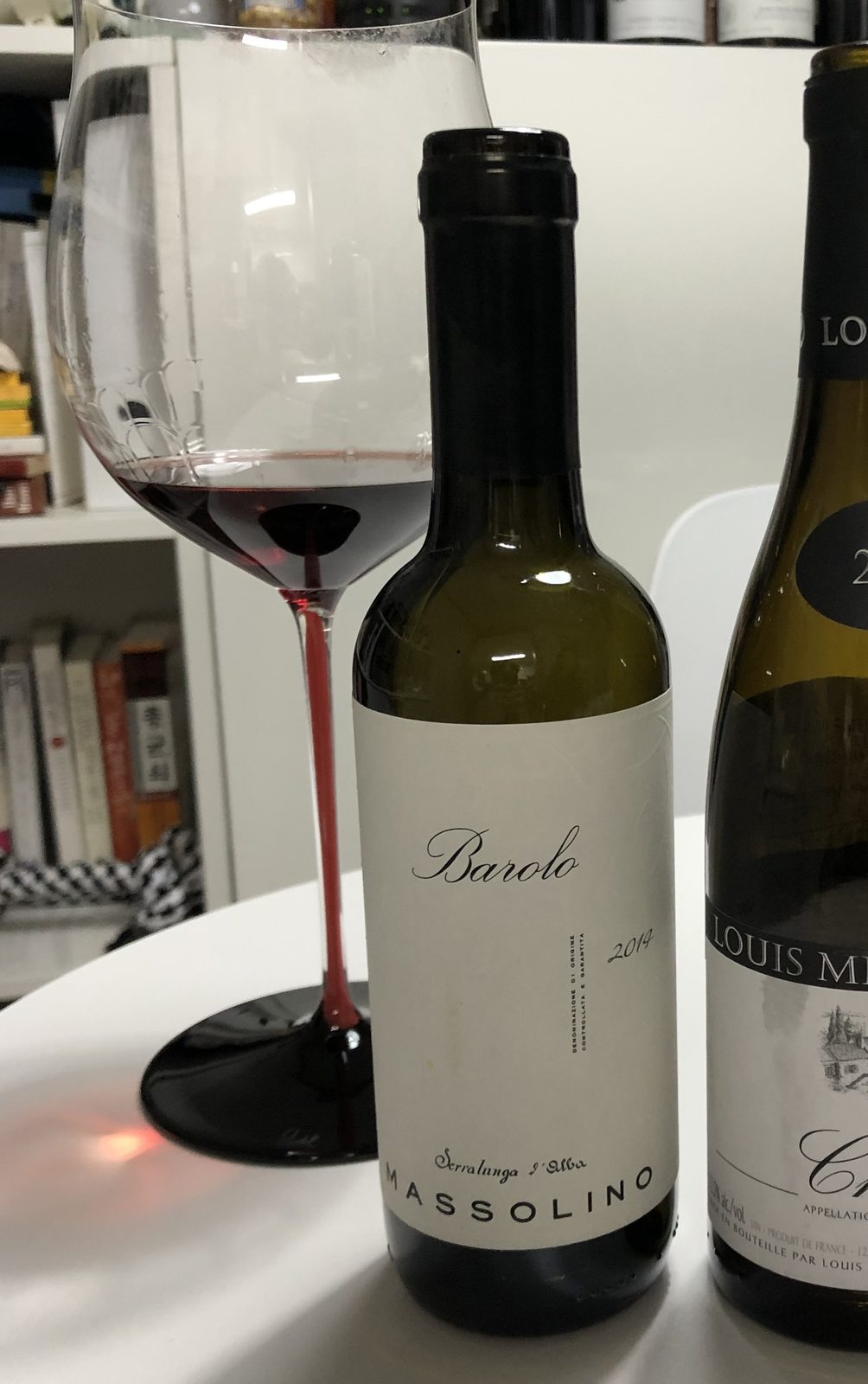
Massolino has been in Serralunga d’Alba since 1896, when Giovanni Massolino founded the estate and — a detail the family still tells on itself — brought the first electricity to the village. His son Giuseppe built the cellar, bought into the best slopes, and in 1934 helped found the consortium that defends the names Barolo and Barbaresco. The holdings that came out of that century of buying are small and famous: Margheria, Parafada, Vigna Rionda. Eighteen hectares in all.
The cellar has never gone modern. Long macerations, ageing in large Slavonian botti, no fining, no filtration, late release. The straight Barolo — the one without a vineyard name — spends around thirty months in wood and another year in bottle before it leaves.
A Bad Year, Honestly Handled
2014 was the worst growing season Piedmont had seen in a generation. It rained through the spring and into the summer, hail fell on several of the major crus, and fungal pressure was constant. Yields came down by anywhere from a fifth to a half, and only ruthless sorting saved what was saved.
Massolino lost a vineyard outright. Parussi, their site over in Castiglione Falletto, was hit by two separate hailstorms, and the single-vineyard wine was simply not produced that year. That decision is the most useful thing to know about this bottle, because it tells you what kind of house makes it: the fruit that survived went into the estate wine rather than into a label that would have carried a cru name it could no longer support.
Serralunga itself had a different problem — cooler, clay-heavy soils that ripen slowly in the best of years and needed a very long autumn in this one. What came out of it, across the commune, were Barolos with none of the dark plummy plumpness that recent warm vintages had made people expect. They tasted like Barolo from an earlier decade.
In the Glass
This was a half bottle, opened on a weeknight beside a half bottle of Chablis. The smaller format matters: 375ml ages roughly twice as fast as a standard bottle, so a six-year-old half of a lean vintage is not an infant. It was, in effect, fully open.
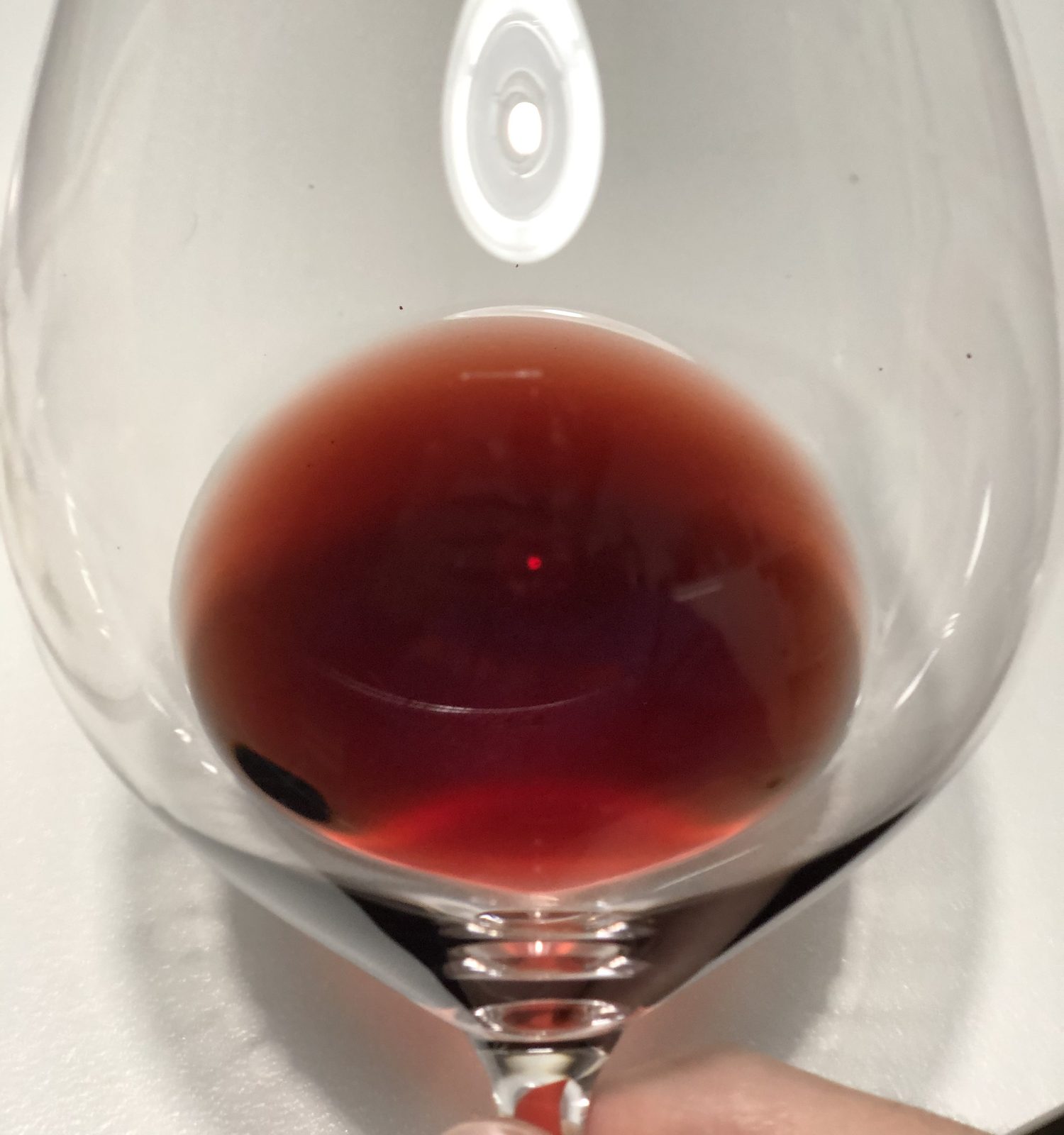
The colour said so first — pale garnet, translucent all the way through, already showing a warm orange cast at the rim rather than the rim of a young wine. The nose was in the classical register: dried rose and tar, red cherry rather than black, dried herbs, a little woodsmoke and earth. Nothing about it was sweet.
On the palate the wine was medium-bodied and drawn narrow. Red cherry and sour plum, real acidity, and then the Serralunga tannin arriving on time — firm, dry, fine-grained, and long after the fruit had stopped. It is not a rich wine and it never intended to be. What it has instead is shape, and the sort of savoury dryness that makes you want food rather than another glass.
The 2014s were called a compromised vintage on release and then quietly reassessed. Drinking one from a house that gave up a cru rather than dilute it, it is easy to see why.
For Nebbiolo from the neighbouring commune, see the Gaja Barbaresco 2001; for the wine that stood next to this one on the table, the Louis Michel & Fils Chablis 2017.