Two Names on a Margaux Label
Château Malescot St-Exupéry 2002
- Producer
- Château Malescot St-Exupéry
- Appellation
- Margaux
- Grapes
- Cabernet Sauvignon, Merlot, Cabernet Franc, Petit Verdot
- Tasted
- 12 December 2020
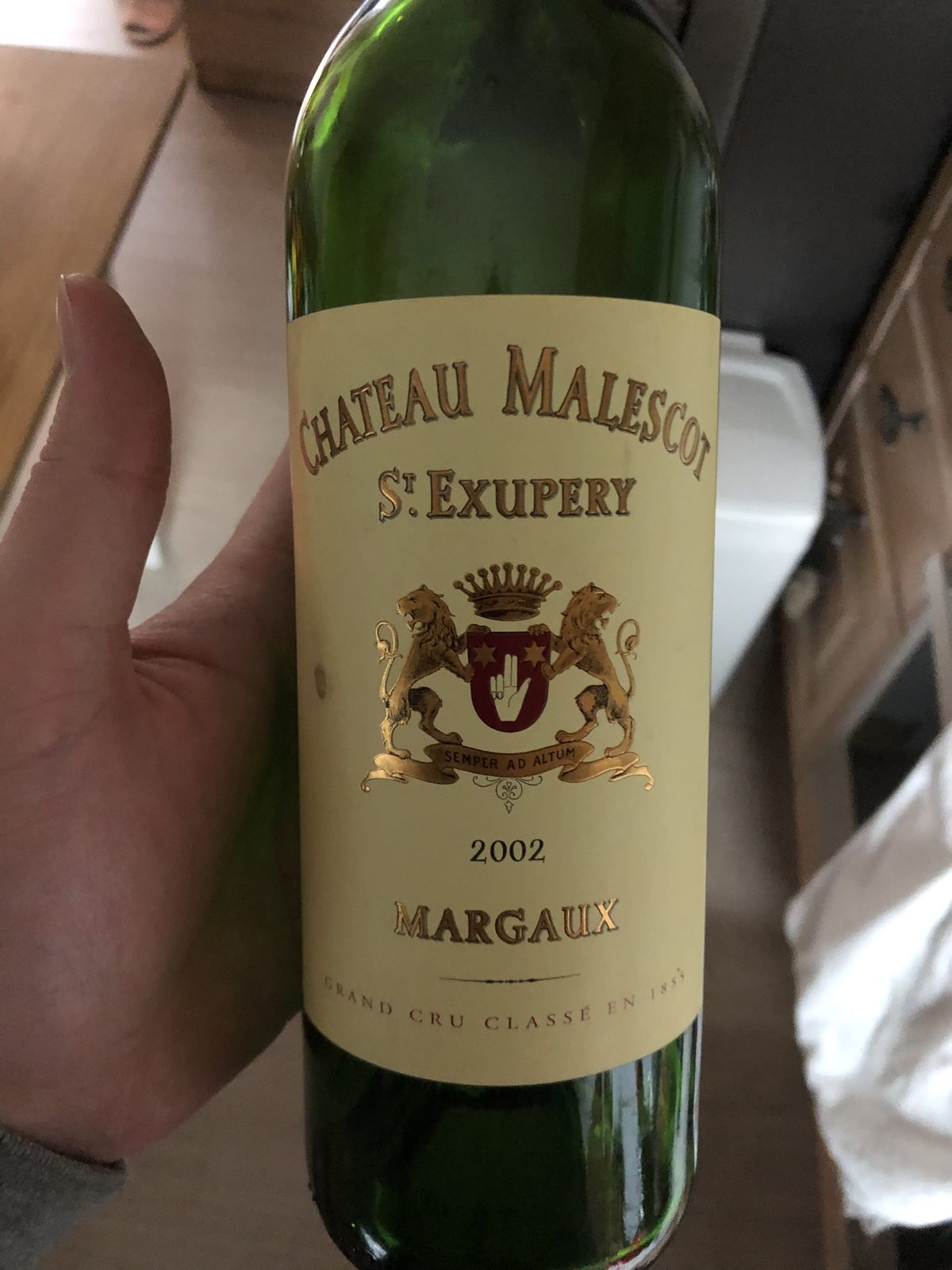
The label carries two owners’ names, three hundred years apart. Simon Malescot was a royal councillor to the Bordeaux parliament who bought the estate in 1697. Count Jean-Baptiste de Saint-Exupéry acquired it in 1827, held it for twenty-six years, and added his own name to the property’s — which is how a third-growth Margaux ended up sharing a surname with Le Petit Prince. The count was the author’s great-grandfather.
The modern estate is a Zuger family project. They bought it in 1955, when the property had been through a long decline, and three generations have worked at putting it back. Jean-Luc Zuger took over from his father Roger in 1994, and the estate’s reputation began to climb from roughly that point. The vineyard is Cabernet-led — about half Cabernet Sauvignon, with Merlot behind it and small parcels of Cabernet Franc and Petit Verdot — and the wine spends around sixteen months in barrel, a high proportion of it new, and goes into bottle without filtration.
The Year That Was Rescued in September
By the end of August 2002, nobody in Bordeaux expected much. The spring had been long and bad, with coulure feared across every variety. July improved slightly. August was a write-off: maturation stalled, and rot did real damage.
Then the weather turned, and kept its nerve. An Indian summer arrived in September and held until the middle of October — long enough to stop the rot spreading and to push the late-ripening varieties over the line. It is the classic Bordeaux rescue, and it did not benefit everyone equally. Merlot had largely made its mind up by then; Cabernet Sauvignon had not. So 2002 became a left-bank vintage, and specifically a Cabernet vintage — firm, structured, tannic wines rather than plump ones. In Margaux, the Cabernet and the Petit Verdot were the parcels that gained the most.
That is a useful thing to know about this bottle, because a Cabernet-dominant Margaux is exactly the shape of estate that 2002 flattered.
In the Glass
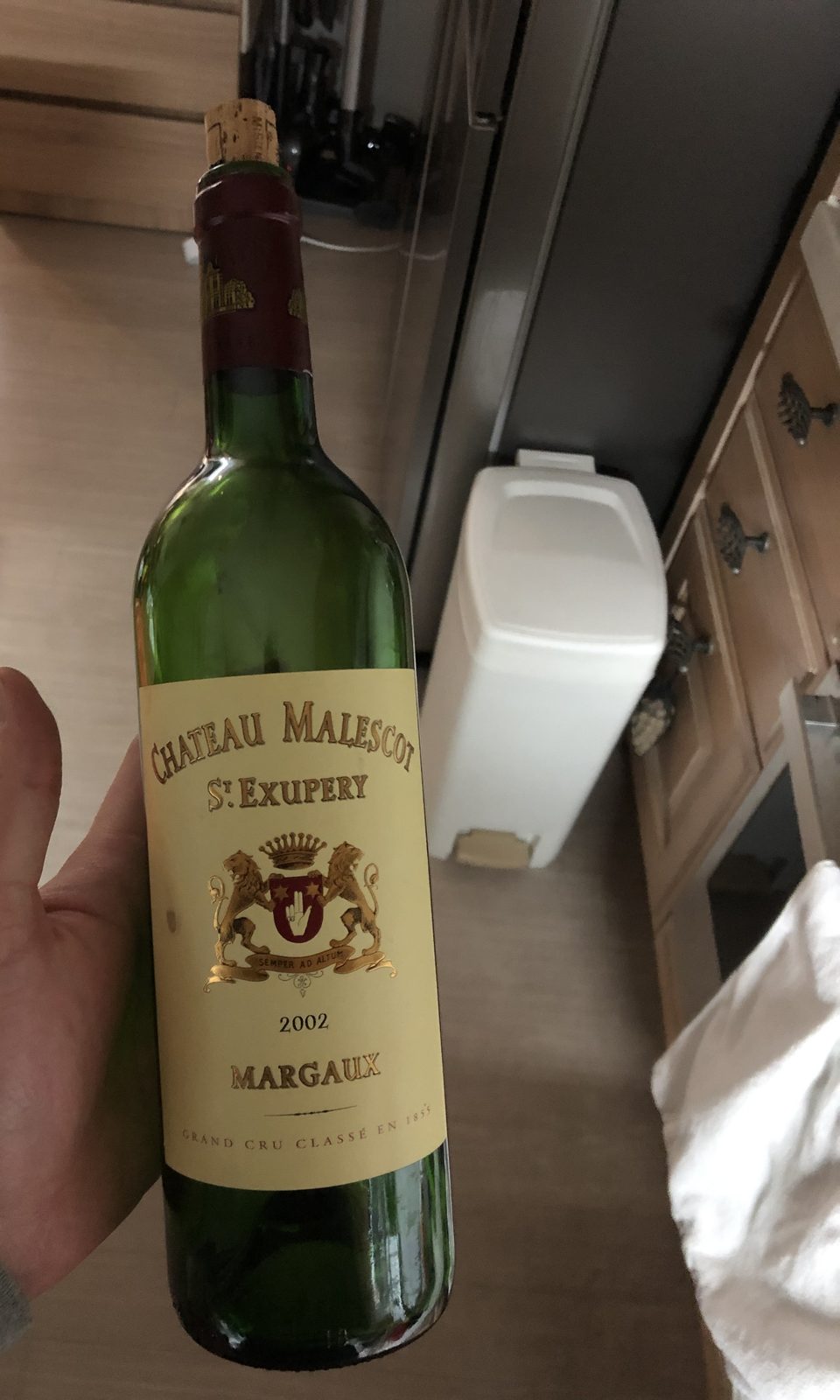
Eighteen years is a reasonable age for a 2002 — old enough that the vintage’s tannic architecture has softened at the edges, not so old that it has given anything up. The colour was still deep, with the brick edge that a Médoc of this age should have and no more than that.
The wine read as classical rather than generous: cassis and dark plum without any sweetness to them, cedar and pencil shavings from the barrel, tobacco leaf, and the dry graphite note that Margaux Cabernet reliably produces. The palate is built on structure — the tannins are fine but they are unmistakably there, and they arrive early and stay through the finish. There is no plushness. What there is instead is length and a certain austerity, which is very much what the growing season promised.
This was a family dinner at home on a Saturday, alongside a platter of sliced roast meat and a table of side dishes, which is not the setting anyone plans for a classed-growth Margaux and is probably the setting where more of them should be drunk. 2002 was reassessed some years after release as one of Bordeaux’s better-value vintages, and a bottle like this on an ordinary evening is the argument for that reassessment.
For another Médoc from a great vintage, see the Château Mouton Rothschild 1995; for the right bank ten days later, the Château Troplong Mondot 2004.