The Mound at Arsac
Château du Tertre 2015
- Producer
- Château du Tertre
- Appellation
- Margaux
- Grapes
- Cabernet Sauvignon, Merlot, Cabernet Franc, Petit Verdot
- Tasted
- 5 January 2021
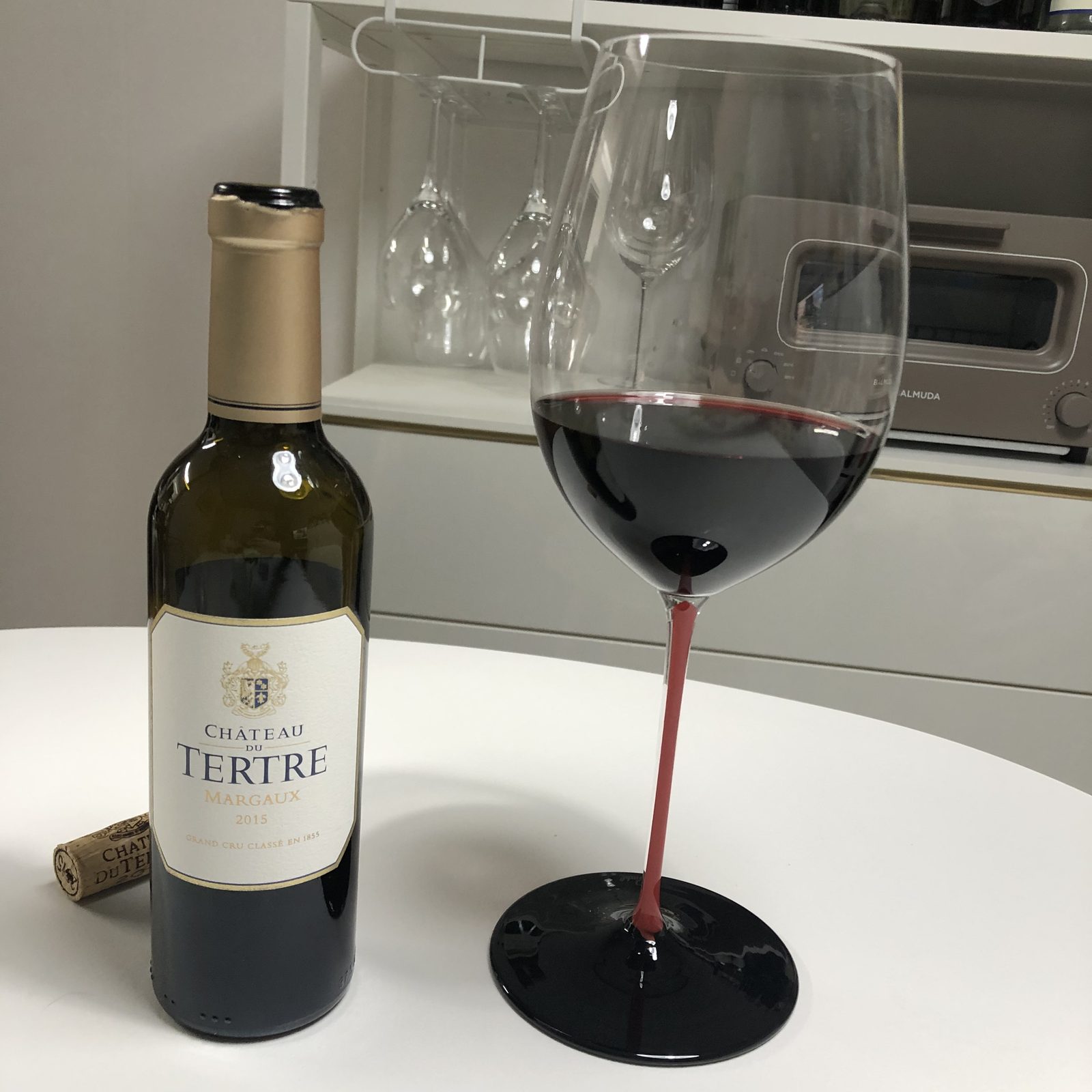
Tertre means a mound, a rise in the ground, and the estate is named for the one it stands on: the highest gravel hilltop in the Margaux appellation, out at Arsac on its southern edge. Two things make the vineyard unusual for the Médoc. It is in one continuous piece rather than scattered across parcels, and it faces due south.
The planting is unusual too. Cabernet Sauvignon leads, as it must here, but Cabernet Franc occupies close to a fifth of the vineyard — an allocation almost no other classified estate in Margaux carries — with Merlot and a little Petit Verdot filling out the rest. The Franc is what people tend to point at when they describe the house style as spicier and more perfumed than its neighbours.
Arsac is the far end of the appellation, and du Tertre spent much of the twentieth century being treated as a fifth growth in the dismissive sense of the phrase. That began to change after 1997, when the property passed to Eric Albada Jelgersma and the estate was rebuilt in a slow, unhurried way — vineyard first, cellar after, the château itself last.
The Appellation’s Year
2015 in Bordeaux began with a mild winter and an early, even flowering, then turned hot and very dry through June and July, dry enough that younger vines began to suffer before August rain arrived to release the pressure.
That sequence favoured some communes over others, and Margaux was the clearest beneficiary in the Médoc — it took less rain than its neighbours to the north at the moments when rain mattered. What makes the vintage worth noting is not the performance of the famous names at the top, which is rarely in doubt in a good year, but that the success ran the whole length of the classification. Estates on the appellation’s margins made wine at the level people expect from its centre.
This bottle is one of those. The blend that year was around seventy percent Cabernet Sauvignon with roughly ten percent each of Petit Verdot, Cabernet Franc and Merlot — a higher proportion of Cabernet than the vineyard’s own planting, and a much smaller share of Merlot — picked across a month from early September, raised in a little under half new oak.
In the Glass
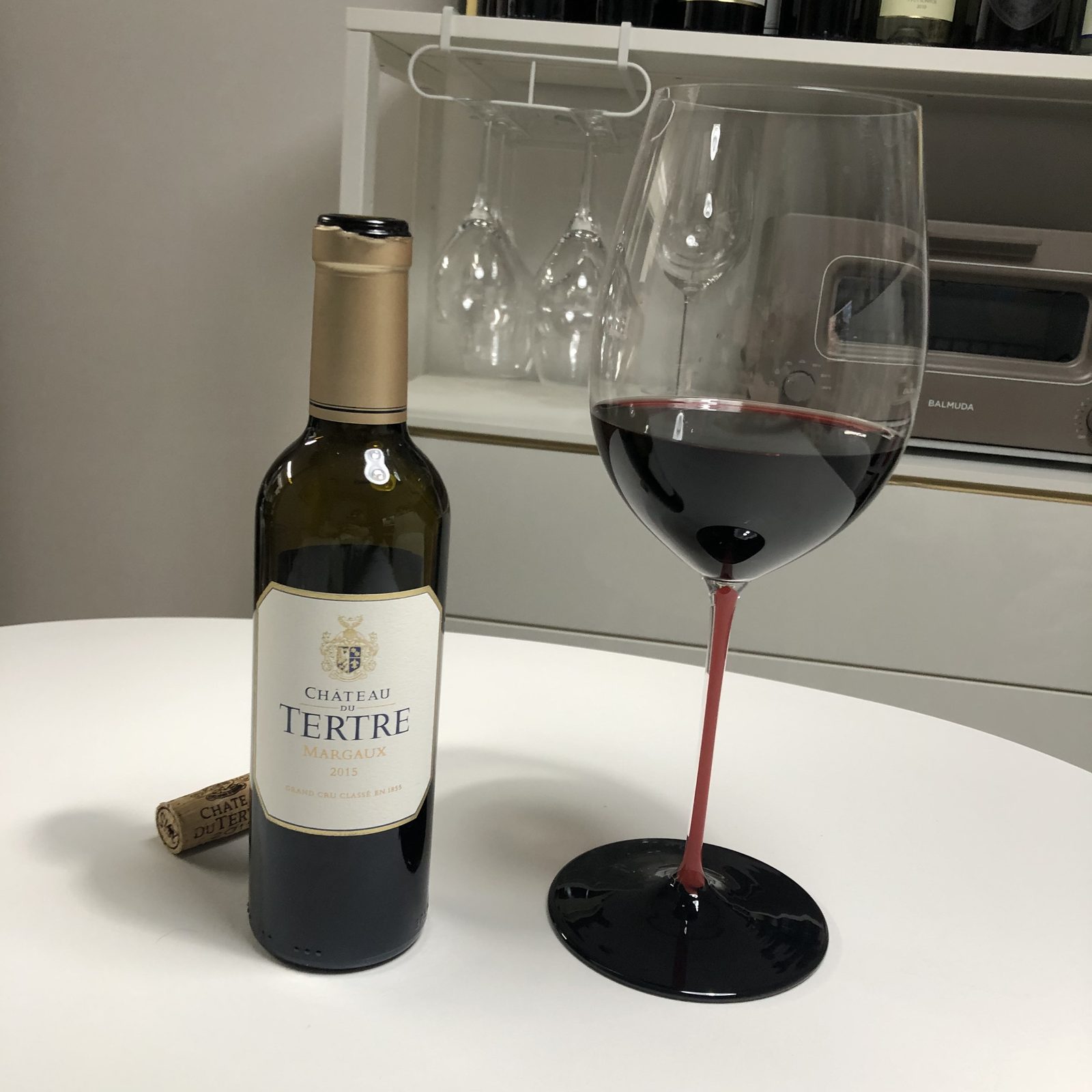
A half bottle, opened at home in the early evening, a little over five years from the vintage. Small formats age faster, and this one had used the time.
The colour was still deeply purple at the core. The nose came slowly and then arrived all at once — cassis and dark cherry first, then something drier and more savoury underneath, dried herbs and fallen leaves and a graphite edge, with a floral lift over the top that is the appellation’s signature and, one suspects, the Cabernet Franc’s contribution.
The palate was medium-bodied and precise rather than broad. The tannins were firm and finely grained, still slightly chalky at the back, and the fruit sat inside them rather than in front of them. The finish went to cedar and pencil shavings and stayed there for a while, with a herbal lift at the very end that kept it from feeling heavy.
It is a wine built for a longer wait than five years, and a half bottle is the honest way to look in early — it shows you the frame before the fruit has settled into it. What was already clear was the shape: not opulent, not trying to be, but drawn with a fine line and set on ground that knows exactly what it is doing.