Picked Under Lockdown
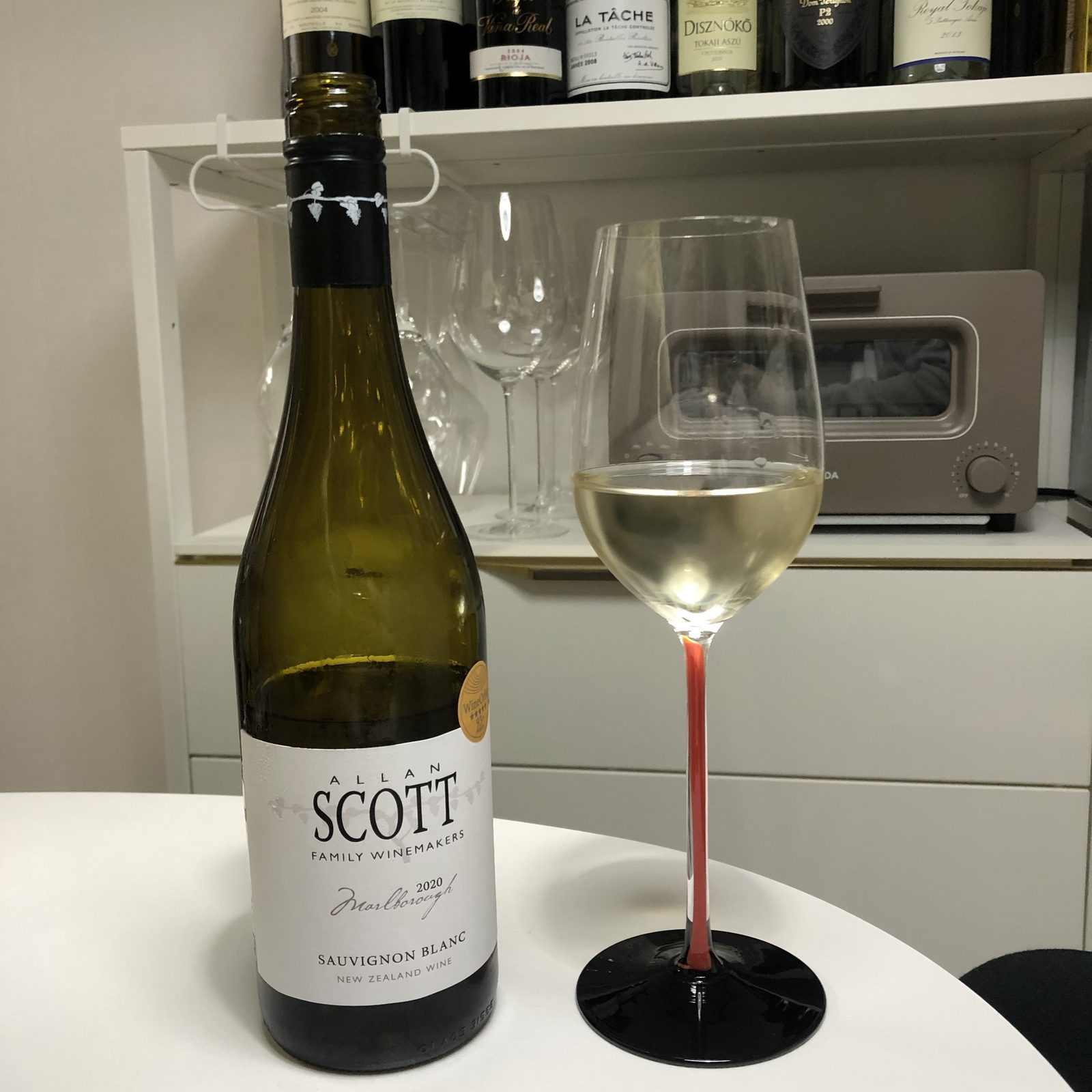
Allan Scott Family Winemakers Marlborough Sauvignon Blanc 2020
- Producer
- Allan Scott Family Winemakers
- Appellation
- Marlborough
- Grapes
- Sauvignon Blanc
- Tasted
- 7 January 2021
Allan Scott has worked every Marlborough harvest since 1973, which is to say since before there was really a Marlborough to harvest. He and Catherine Scott bought their first block in 1975 and spent years as contract growers, planting vineyards that other people’s labels would become famous on, before putting their own name on a bottle in 1990.
That sequence is most of the region’s history in one family. Marlborough’s reputation was made in the mid-eighties by a handful of wineries whose Sauvignon Blanc travelled further and faster than anyone expected; the vines those wines came from had been in the ground for a decade already, put there by growers whose names stayed off the labels.
The Vintage That Nearly Wasn’t
The 2020 harvest began, and on the twenty-fifth of March New Zealand moved to its highest alert level and closed. The timing could hardly have been worse: fruit was hanging, ripe, in the country’s largest wine region, and a national shutdown of non-essential activity was two days out.
The wine industry was classified as an essential business on the twenty-third, which is the entire reason this bottle exists. Harvest continued through the strictest levels of the lockdown under distancing rules — reduced crews, split shifts, separated benches on the sorting line. The weather, as it happened, was excellent, and the fruit came in clean.
Marlborough brought in around three-quarters of a national crop that finished up more than a tenth larger than the previous year’s. Growers describe the season in two registers at once: the most stressful vintage of their working lives, and one of the best-quality ones.
In the Glass
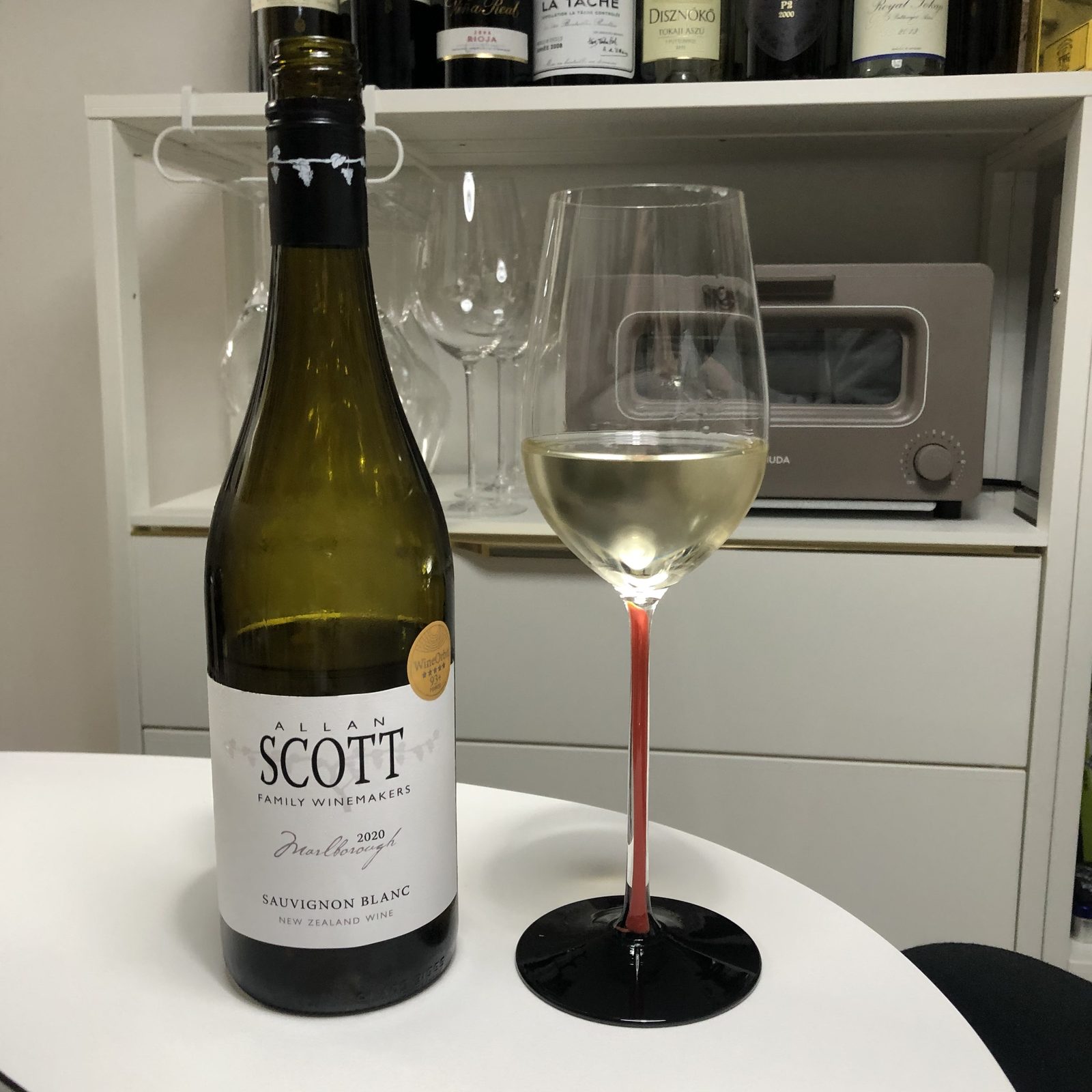
Opened at home over dinner, roughly nine months from the harvest — clams and pasta, grilled squid, a pot of abalone rice — and chilled in a sleeve on the table beside a Dominus from the 2000 vintage, which had spent twenty years in a cellar to reach the same evening.
Pale straw, with a faint green cast. The nose was immediate and unambiguous: cut grass and elderflower first, then passionfruit and grapefruit pith, with a honeydew sweetness sitting underneath the sharper aromatics. Nothing subtle about it and nothing meant to be.
The palate was crisp and dry with real cut, acidity holding a straight line from front to back, and citrus and green herbs through the middle before a clean, slightly saline finish. It did the job the food asked of it — the clams, particularly, wanted exactly this and nothing more complicated.
The two bottles on that table were separated by twenty years and by every assumption people carry about which of them is worth writing down. One had been decanted from a cellar; the other had been made by people working in masks under a national emergency order, and was on a table on the other side of the world before its first birthday. Only one of them had a story that could be dated to the day.