Village Wine, Family Name
Domaine Coche-Dury Meursault 2015
- Producer
- Domaine Coche-Dury
- Appellation
- Meursault
- Grapes
- Chardonnay
- Tasted
- 22 January 2021
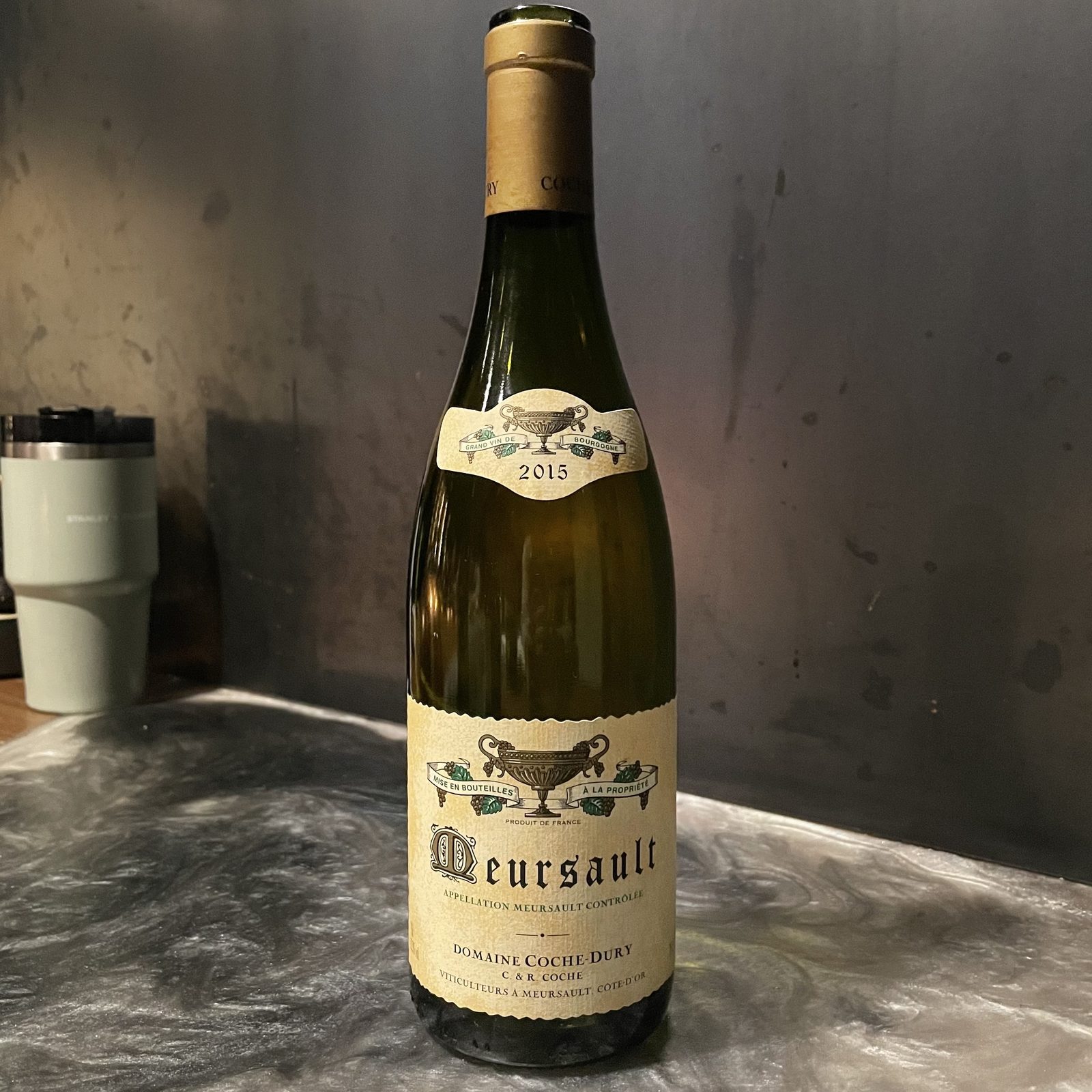
Coche-Dury’s village Meursault is the strange case of a wine with no vineyard name that people chase harder than most named ones. The domaine is small, the holdings are scattered across a dozen or more parcels in the village, and the family has never been interested in expanding. What comes out is a few thousand bottles a year of something that tastes unmistakably like the house and almost nothing like anyone else’s Meursault.
The house style was built by Jean-François Coche over thirty years: long, slow fermentations in barrel, extended lees ageing, a deliberate reductive edge — flint, struck match, a smoky tension — over fruit that is ripe but never fat. The wines were famous for needing time and for a certain austerity when young.
By 2015 his son Raphaël had been in charge for several vintages, and the style had started to shift. Less overt oak, less of the reductive shield, more of the fruit allowed to show early. The label still reads C & R Coche — both generations — but the wine was already his.
The Year
2015 was one of Burgundy’s warm vintages, but a benign one — heat without drought stress, a dry summer that ripened the Chardonnay fully and early, and whites that came in rounder and more forward than the previous years. The risk in a year like that is flab; the reward, for a domaine that keeps acidity by habit, is generosity without loss of shape.
This was fermented spontaneously and spent eighteen months in barrel with about a third new — the standard regime — before bottling.
In the Glass
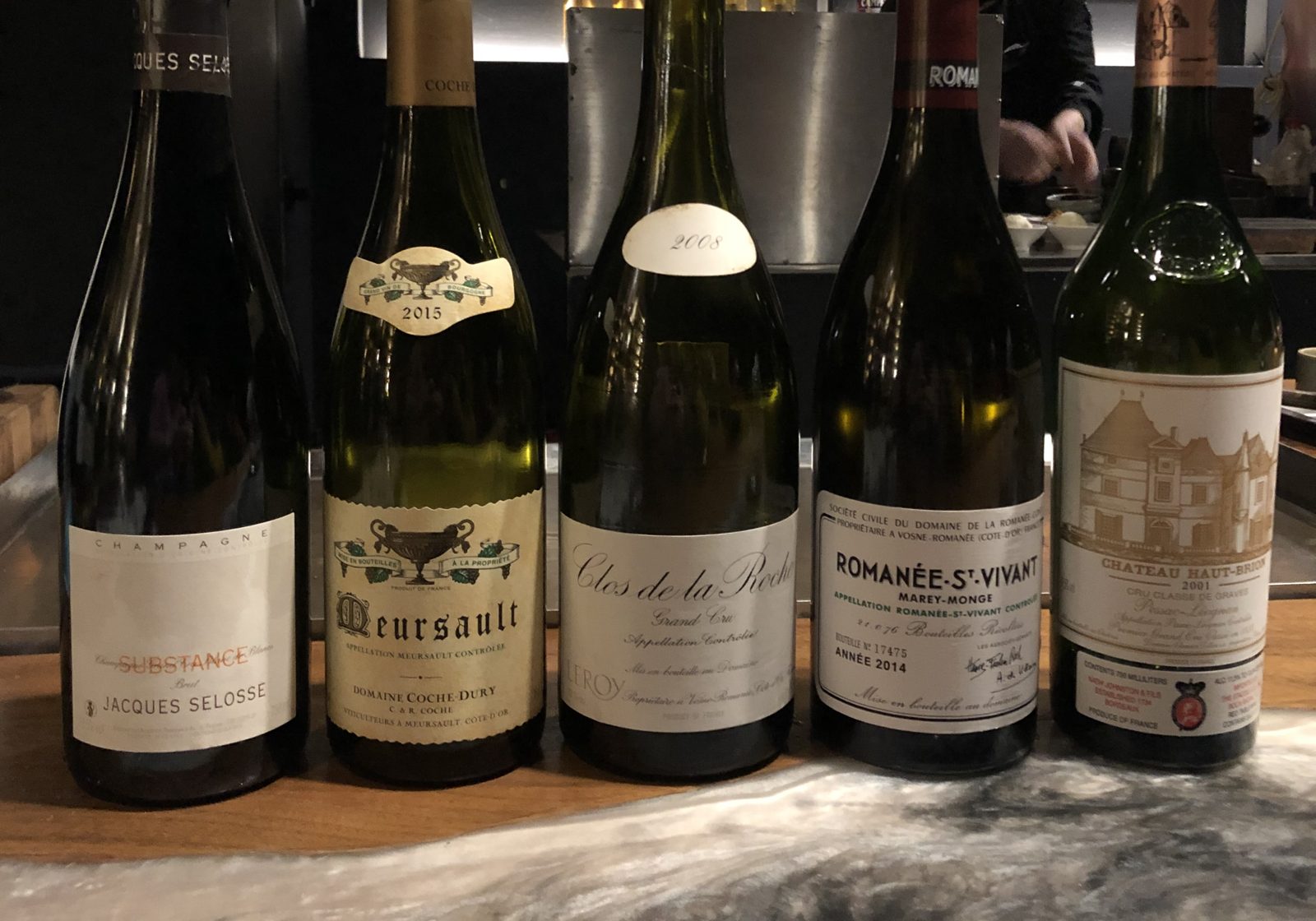
The second bottle at a counter dinner that had opened with Selosse Substance and would go on to Leroy Clos de la Roche 2008, DRC Romanée-Saint-Vivant 2014 and Haut-Brion 2001. Just over five years from the vintage.
Pale gold with a green edge. The nose was much more open than the house’s reputation would suggest — yellow apple and Anjou pear, white flowers, a honeycomb sweetness, hazelnut cream from the barrel — with the familiar flinty smoke present but sitting behind the fruit rather than in front of it.
On the palate it was medium to full, satiny in texture, with a succulent acidity that ran the length of the wine and a chalky dry extract at the end that made the mouth water. The finish was long and penetrating, on citrus and toasted nut, without any heaviness from the year.
A village wine that would have embarrassed most premiers crus on that table, had any been there. The 2015 showed the domaine’s new direction clearly — the tension and the length were the father’s; the openness was the son’s — and in a warm year that suited the change, the result was very hard to argue with.