The Vineyard That Took Two Hundred Years to Come Home
Domaine de la Romanée-Conti Romanée-Saint-Vivant Marey-Monge Grand Cru 2014
- Producer
- Domaine de la Romanée-Conti
- Appellation
- Romanée-Saint-Vivant Grand Cru
- Grapes
- Pinot Noir
- Tasted
- 22 January 2021
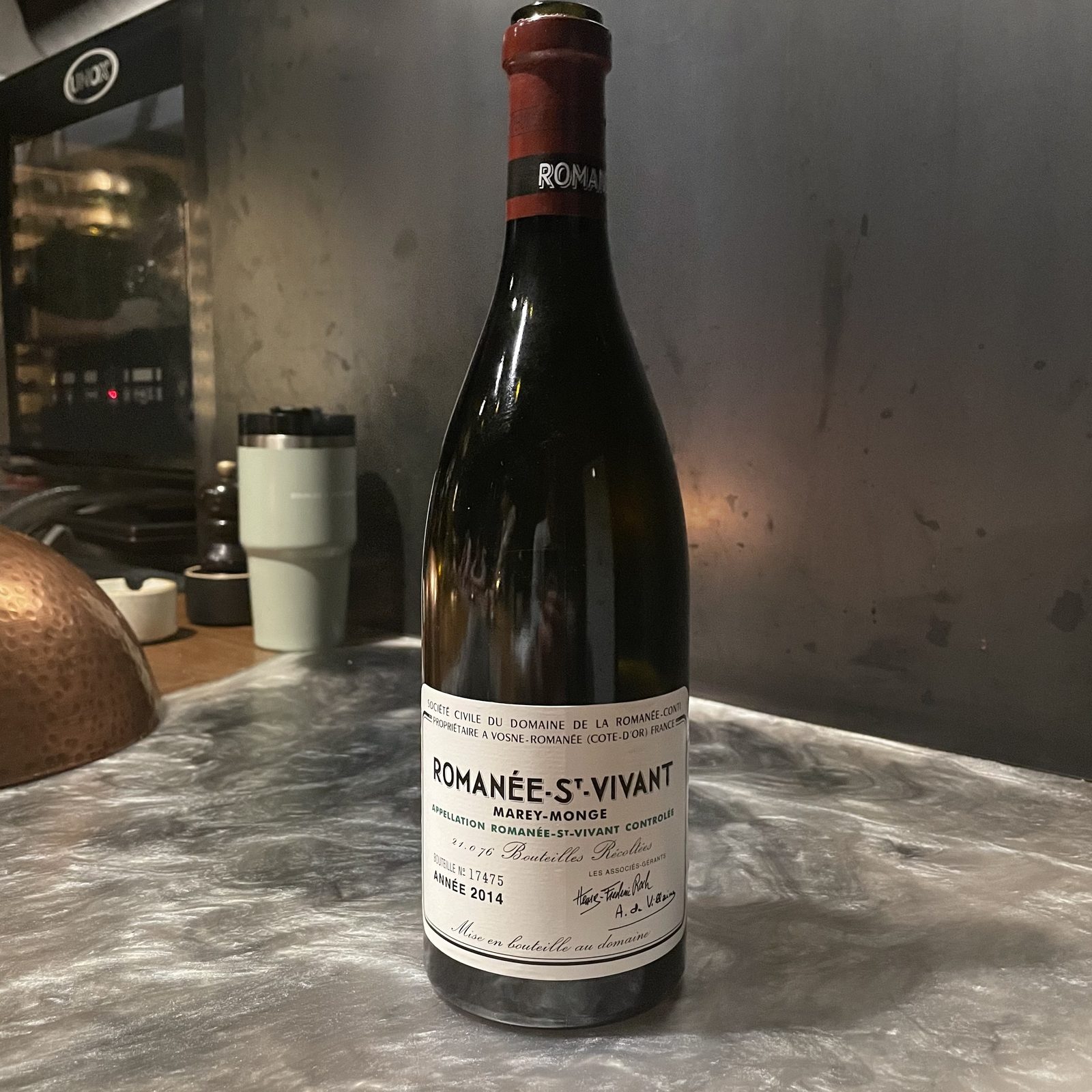
Two names sit on this label that do not need to be there. Marey-Monge is not a place, not a cuvée and not a classification; it is a family, and it is on the bottle because the Domaine de la Romanée-Conti spent twenty-two years farming this vineyard without owning it.
A Two-Century Argument
Romanée-Saint-Vivant belonged to the priory of Saint-Vivant de Vergy until the Revolution, when church land was seized and sold. In 1791 the whole vineyard was bought by Nicolas-Joseph Marey, whose father-in-law was the mathematician Gaspard Monge, and for more than a century the Marey-Monge family held it intact as a monopole. From 1898 they began selling parcels off, and the vineyard fragmented into the patchwork of owners it still has today.
The largest remaining block — a little over five hectares — was leased to the Domaine de la Romanée-Conti in 1966 by Geneviève Marey-Monge, with a clause giving the domaine first refusal if it ever came up for sale. It did, in 1988. Buying it took real money: the domaine sold off other holdings, including part of its Échézeaux, to finance the purchase. The Marey-Monge name stayed on the label afterwards, which is a quietly graceful thing for a house of this stature to have done.
The Softest of the Grand Crus
Romanée-Saint-Vivant sits at the bottom of the Vosne grand cru slope, below Romanée-Conti and Richebourg, closest to the village and on deeper, more clay-rich soil than its neighbours uphill. That geography is audible in the wine. Where Richebourg is the muscle of the domaine’s range and La Tâche the sweep, Romanée-Saint-Vivant is the perfumed one — lighter in frame, slower to build, and reliant on lift and detail rather than density. It is often the last of the domaine’s grand crus to be understood by people working through them, and the one they come back to.
This bottle: number 17475, from 21,076 made in 2014.
Why 2014 Suits It
2014 was a difficult growing season in Burgundy — a hailstorm in June, a cool damp August, then a dry and clear September that saved the reds — and the vintage’s signature is freshness and precision rather than power. That is exactly the register this vineyard works in. In fuller vintages Romanée-Saint-Vivant can be overshadowed on its own table; in a year built on tension it is playing to its strengths.
The wines of this vintage show pure red fruit — crushed strawberry, red cherry, dark raspberry — with a cool mineral thread running under it, and a spice and citrus-peel edge that arrives late. What is striking is the combination of density and calm: there is real substance, but it never announces itself, and the finish fans out slowly rather than pushing.
The Rest of the Table
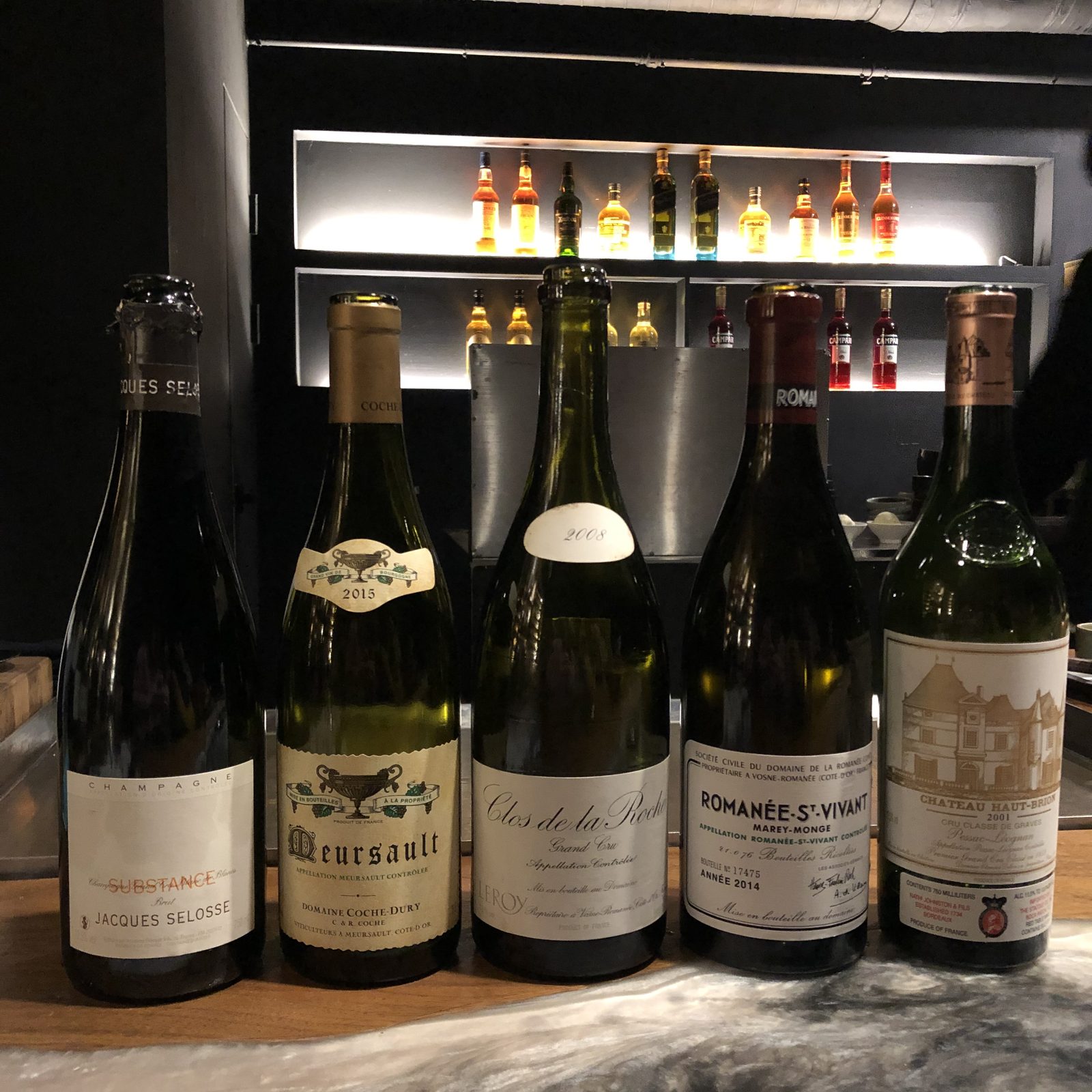
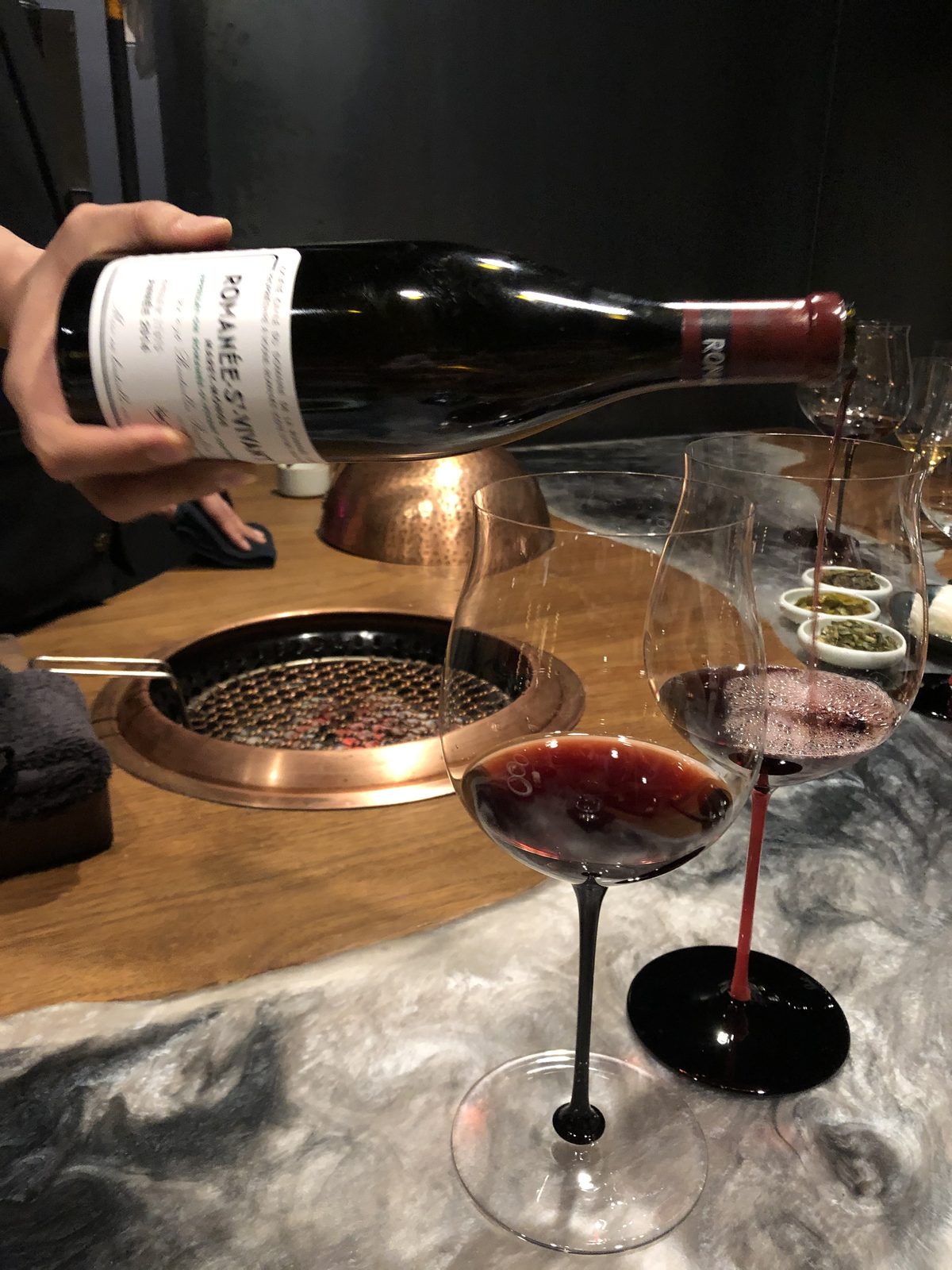
It was poured at a chef’s counter in the middle of a lineup that had no weak link: Jacques Selosse Substance, a Coche-Dury Meursault 2015, a Domaine Leroy Clos de la Roche 2008, and a Château Haut-Brion 2001. Five wines, five entirely different arguments, and no obligation to rank them.
The reason to write about this one rather than the others is that it is the wine on the table most likely to be misjudged. At seven years old, in a vintage praised for freshness, from the grand cru that has always been described in the language of delicacy, Romanée-Saint-Vivant invites the assumption that it is the light one. It is not light. It is quiet, which is a different thing, and the difference is most of what makes it worth keeping.