Lalou's Clos de la Roche
Domaine Leroy Clos de la Roche Grand Cru 2008
- Producer
- Domaine Leroy
- Appellation
- Clos de la Roche Grand Cru
- Grapes
- Pinot Noir
- Tasted
- 22 January 2021
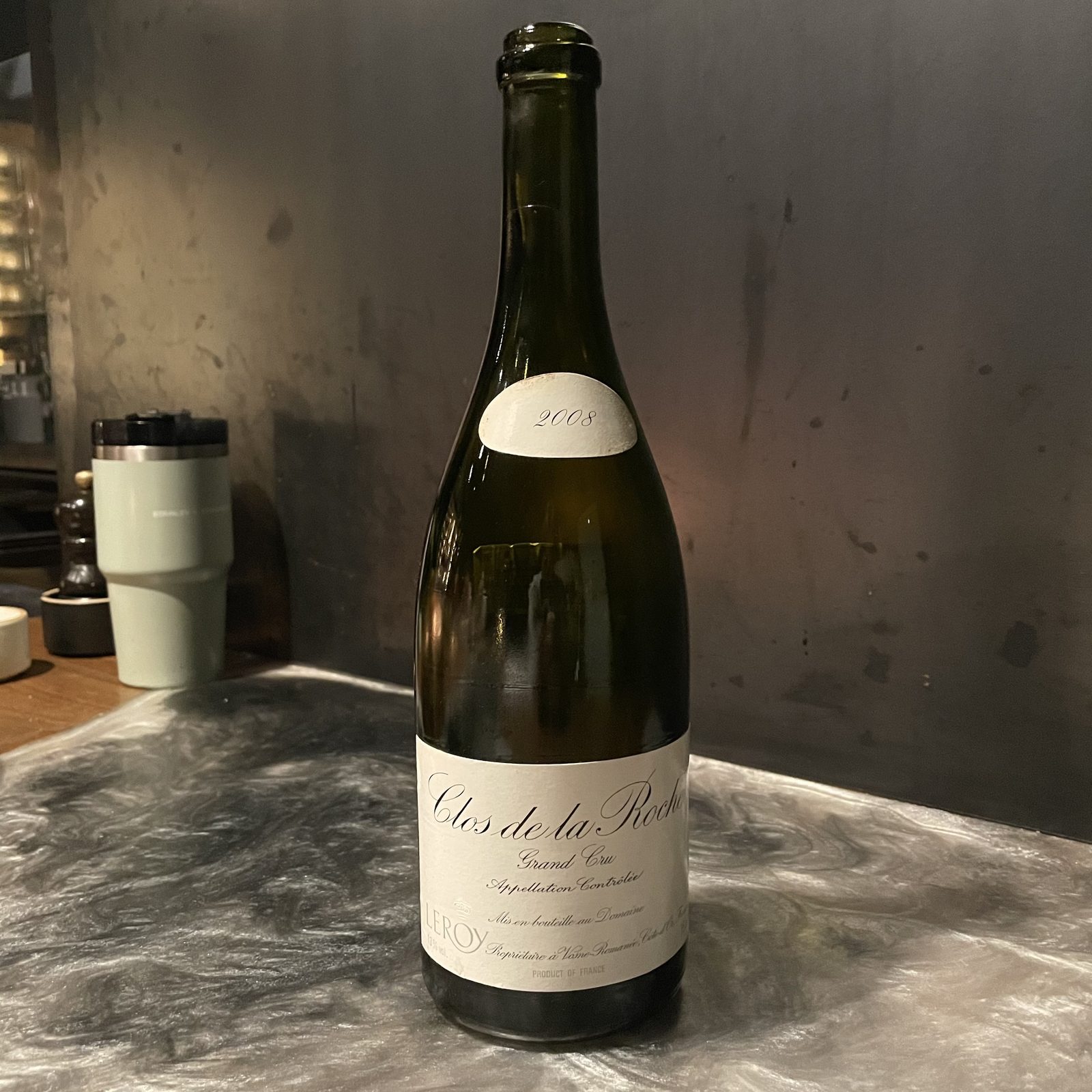
There are small holdings in Burgundy, and then there is Domaine Leroy’s Clos de la Roche: 0.67 hectares, acquired in 1989, farmed biodynamically since before most of the Côte knew the word. The domaine’s entire annual production across all its vineyards runs to a few hundred cases — genuinely scarcer than the Domaine de la Romanée-Conti, the estate Lalou Bize-Leroy co-directed until the two houses went their separate ways in the early 1990s. From this parcel, in a short vintage like 2008, the arithmetic gets almost absurd.
Bize-Leroy’s method is the least secret famous method in Burgundy: yields cut to levels her neighbours consider self-harm, old vines, no compromise in the sorting, whole clusters, and élevage that touches the wine as little as possible. What it produces is concentration without weight — wines that are simultaneously denser and more transparent than anyone else’s, which should be a contradiction and in her hands is not.
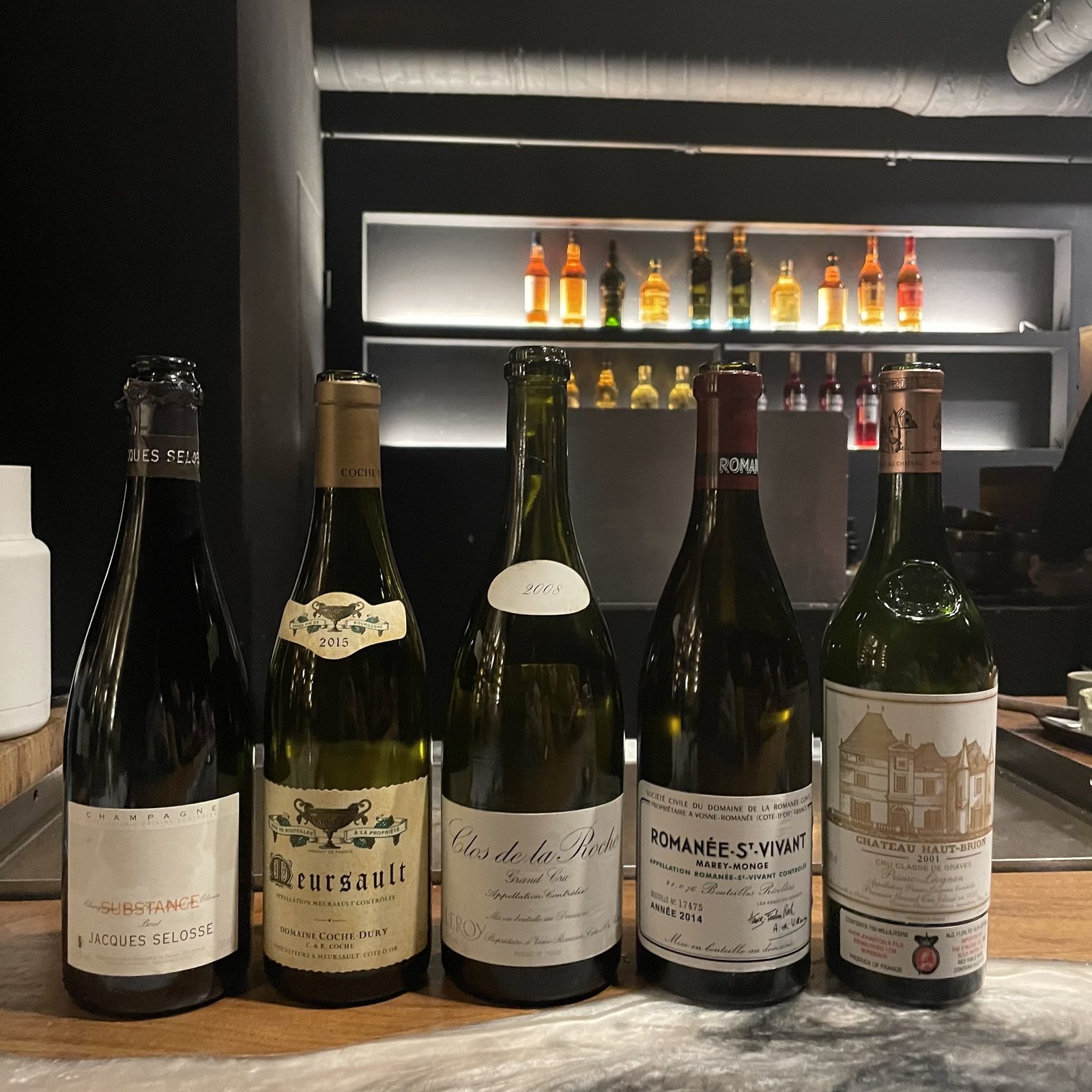
The Rock of Morey
Clos de la Roche is Morey-Saint-Denis’s claim to greatness — the largest and sternest of the village’s grand crus, named for the bare rock that breaks the surface of its thin soil. Where Chambolle’s crus to the south run to perfume, Clos de la Roche runs to iron: dark cherry and blackberry over humus, undergrowth and a mineral austerity that takes years to relent. It rewards exactly the kind of patience most modern cellars have stopped practising. This archive has met the vineyard once before, through Lignier-Michelot in 2012 — same rock, gentler dialect.
2008 fits the vineyard’s temperament unusually well. The cool, nervous vintage — rescued by its September north wind — produced reds of high acidity and slow-release structure, and in a wine already built on austerity that meant a long wait. At thirteen years, this bottle was at the beginning of its open window rather than the middle: black fruit shading toward truffle and forest floor, the acid line still bright, the Leroy density unfurling in layers rather than all at once.
The Company It Kept
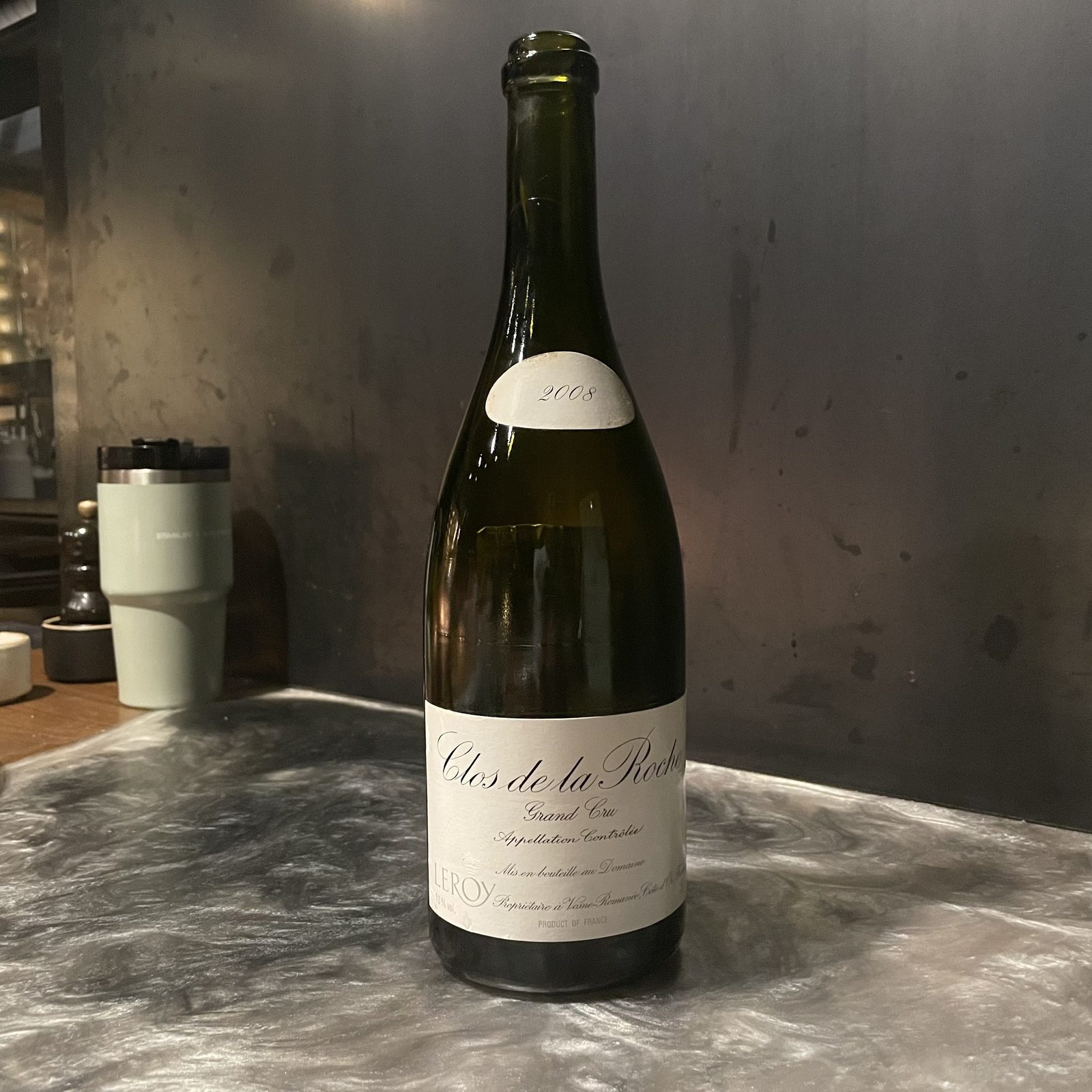
It was poured at a counter dinner of unreasonable depth — Selosse Substance, a Coche-Dury Meursault 2015, the DRC Romanée-Saint-Vivant 2014, a Haut-Brion 2001. Each wine on that table represents a different answer to the same question of what perfection is for; Leroy’s answer is the most extreme. Nothing else in Burgundy tastes like this — not better, not worse, but unmistakably hers, and from two-thirds of a hectare, there will never be enough of it for the argument to be settled. The domaine’s premier cru side is elsewhere in this archive, in the Nuits-Saint-Georges Les Vignerondes 2001.