Sauvignon Blanc That Refuses the Category
Dog Point Vineyard Section 94 Sauvignon Blanc 2017
- Producer
- Dog Point Vineyard
- Appellation
- Marlborough
- Grapes
- Sauvignon Blanc
- Tasted
- 28 January 2021
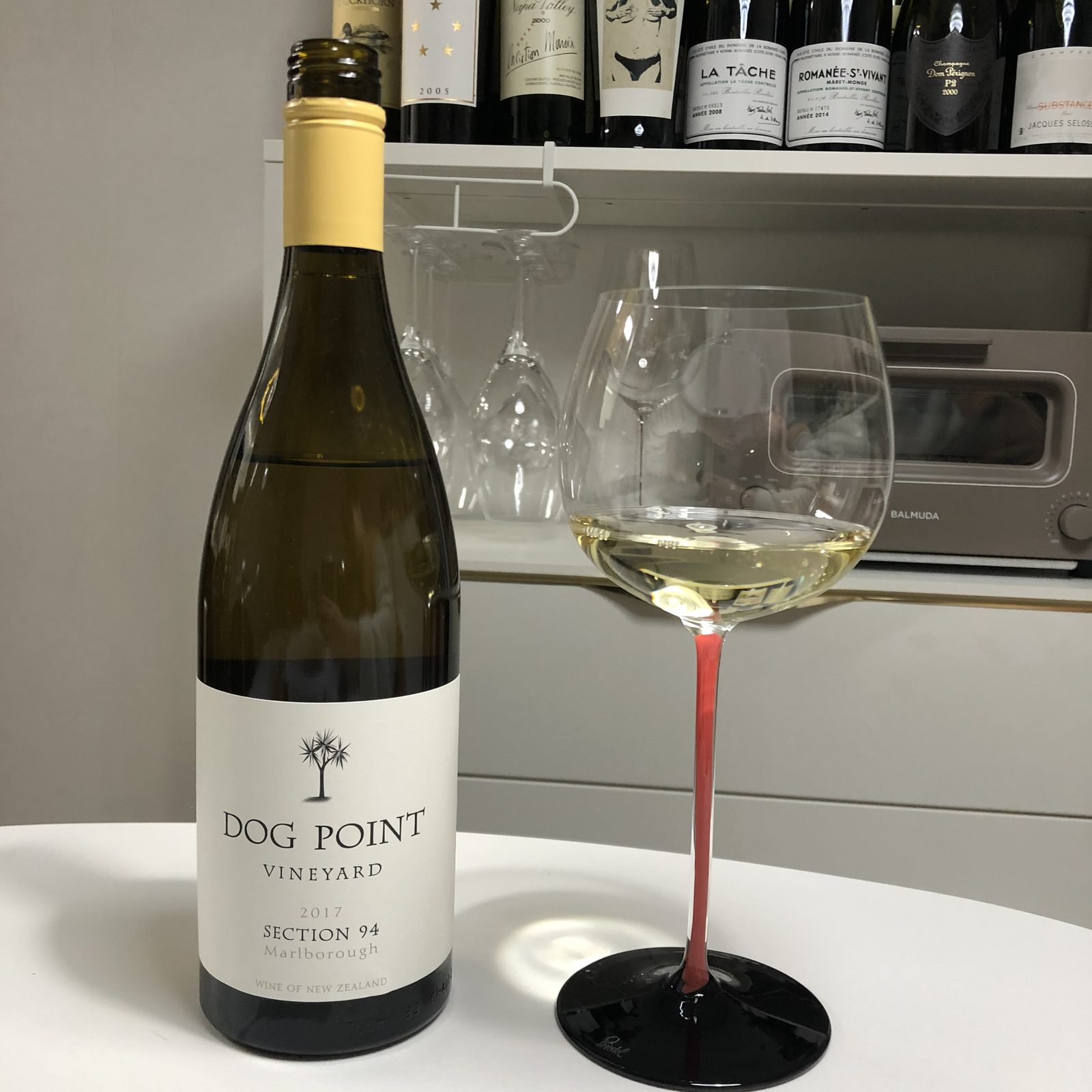
Dog Point was founded by two men who had spent the eighties and nineties helping to make Marlborough Sauvignon Blanc famous — one running the vineyards, the other the winemaking, at the estate that did more than any other to put the region on the map. When they set up on their own they made a wine that was in many ways a rebuttal of the style they had helped create.
Section 94 is named for a single parcel at the confluence of the Brancott and Omaka valleys, vines planted in 1992 on silty clay-loam over alluvial gravel. The fruit is fermented and aged in used French barrels for around eighteen months, then bottled without fining. No stainless steel, no cold fermentation, no early release. Everything the region’s commercial style depends on is deliberately absent.
The result is regularly described as the most distinctive Sauvignon Blanc made in New Zealand, and, less politely, as a wine most people would not identify as Sauvignon Blanc at all.
The Year
2017 in Marlborough was a race against the weather. A warm spring and late summer ripened the fruit well, and then the forecast turned — heavy rain due in mid-April — and the harvest was compressed into a fast, early pick to get the grapes in clean. Dog Point’s fruit came in before the rain. For a wine that spends a year and a half in barrel, the sprint at harvest is invisible by the time it reaches the bottle.
In the Glass
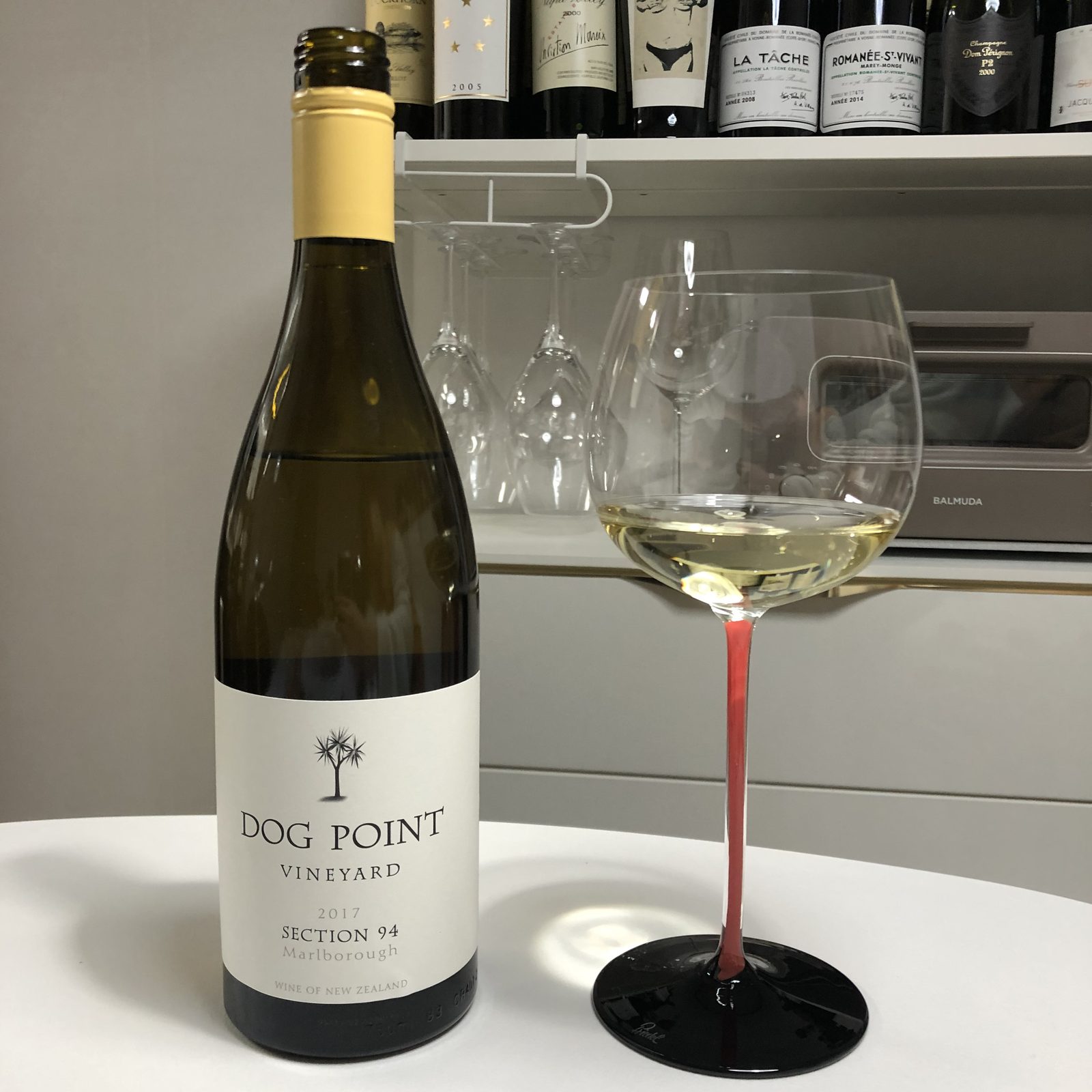
Opened at home in the evening, a little under four years from the vintage — and three weeks after an Allan Scott Marlborough Sauvignon Blanc 2020 had shown the region’s other face on the same table.
Pale gold, noticeably deeper than the grape usually gives. The nose was where the argument began: flint and struck match first, grilled lemon, then a passion-fruit and peach richness that read more like pastry than like the fresh fruit of a tank-fermented wine. A smoky, lees-driven complexity over the top of it all.
The palate was textured and layered — a smooth, almost waxy weight through the middle, with peach and mango and lemon curd held in place by acidity that had lost none of its cut. The finish was long and savoury, going to grilled citrus and a faint nuttiness from the barrel.
Set against the Allan Scott, which had been cut grass and passion fruit and nothing else, this was a different grape in every respect but the name. Both were honest; both were Marlborough. Only one of them was interested in the question of what Sauvignon Blanc might be if nobody had told it what it was supposed to taste like.