The Vineyard of Bees
Joseph Drouhin Beaune Premier Cru Clos des Mouches Blanc 2005
- Producer
- Joseph Drouhin
- Appellation
- Beaune Premier Cru
- Grapes
- Chardonnay
- Tasted
- 31 January 2021
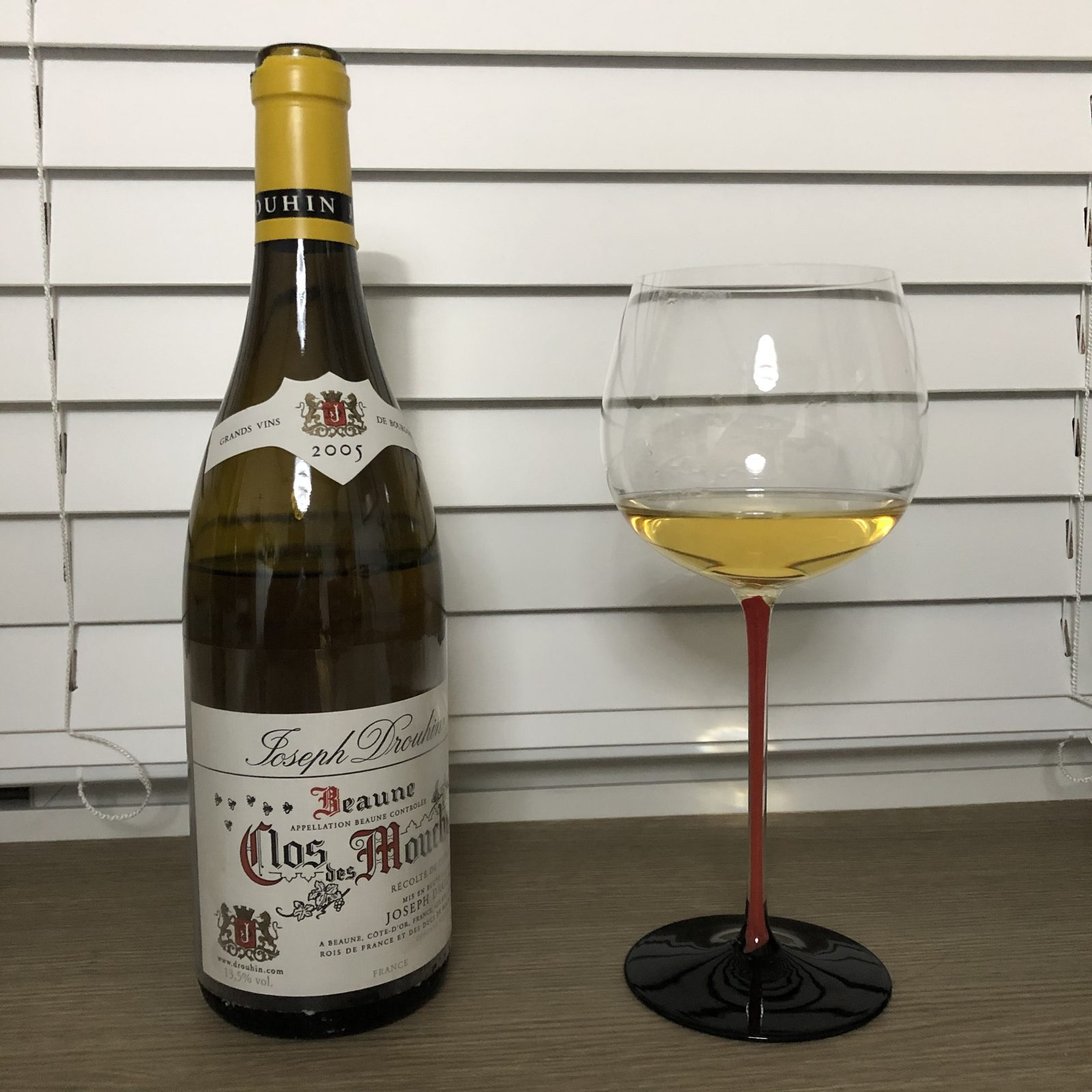
The mouches in the name are not flies. In the old dialect of the Beaune hills the word meant bees, and the south-facing slope on the border between Beaune and Pommard was named for the hives kept there — a good indication, five centuries ago, of a warm and sheltered site.
Maurice Drouhin assembled the family’s holding in the 1920s in the way Burgundy vineyards are usually assembled: piece by piece, forty-one parcels from eight different owners, until the house held the largest single share of the clos, around fourteen hectares at mid-slope. In the course of the buying he found documents showing that the vineyard had once been known for white wine, and in 1921 he began replanting with Chardonnay. Today the holding is split evenly, half Pinot Noir and half Chardonnay, and the white has become the more famous of the two — a Beaune premier cru that regularly outperforms its appellation and, by the house’s own description, sits somewhere between the richness of Corton-Charlemagne and the finesse of the Montrachet hill.
The Year
2005 was one of the great modern Burgundy vintages for both colours — a dry, sunny, healthy year with a small crop of concentrated, balanced fruit. The whites came in ripe but with acidity intact, and were structured enough to reward long keeping. Fifteen years is a reasonable point to open a premier cru from a year like that.
In the Glass
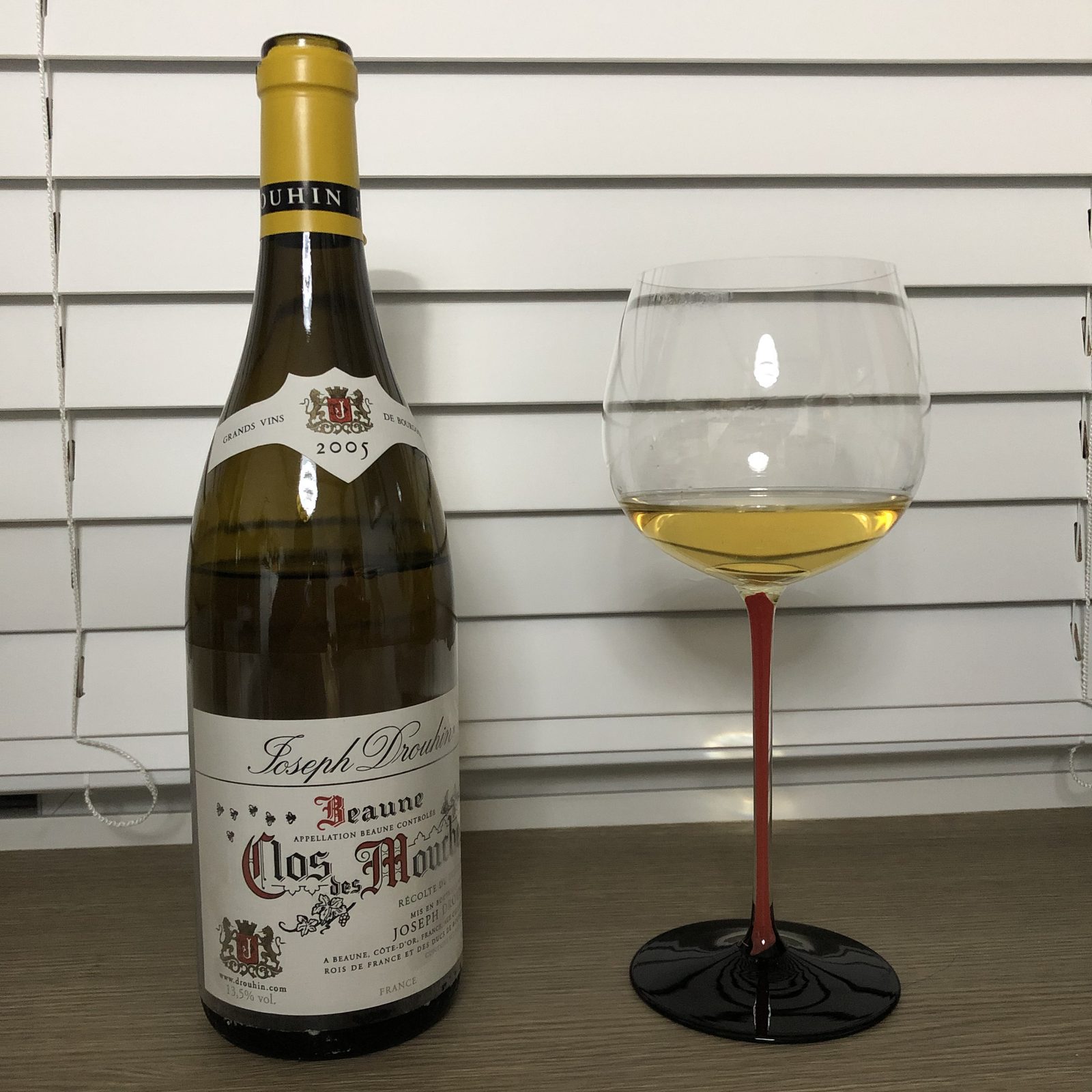
Opened at the office on a Sunday evening, in the same sitting as a Switchback Ridge Petite Sirah 2002.
The colour had deepened to a full gold with the faintest amber at the edge. The nose was mature and generous — ripe lemon and yellow apple, butterscotch, honey, a toasted-almond nuttiness, and behind them a flinty mineral note that kept the richness honest. There was a suggestion of beeswax that, given the name, was hard not to smile at.
The palate was rich and round, full in texture, with the year’s ripeness showing as weight through the middle and the vineyard’s character showing as the mineral, slightly saline line that ran underneath it. The acidity was moderate but sufficient, and the finish was long and clean, on hazelnut and stone.
A white Burgundy at fifteen years from a warm vintage is always a small gamble. This one had aged gracefully, into the honeyed, nutty register that good Beaune whites reach and that most people never wait for — a vineyard of bees, tasting at last of honey.