The Maharajah at Forty-Five
Château Cos d'Estournel 1975
- Producer
- Château Cos d'Estournel
- Appellation
- Saint-Estèphe
- Grapes
- Cabernet Sauvignon, Merlot
- Tasted
- 10 February 2021
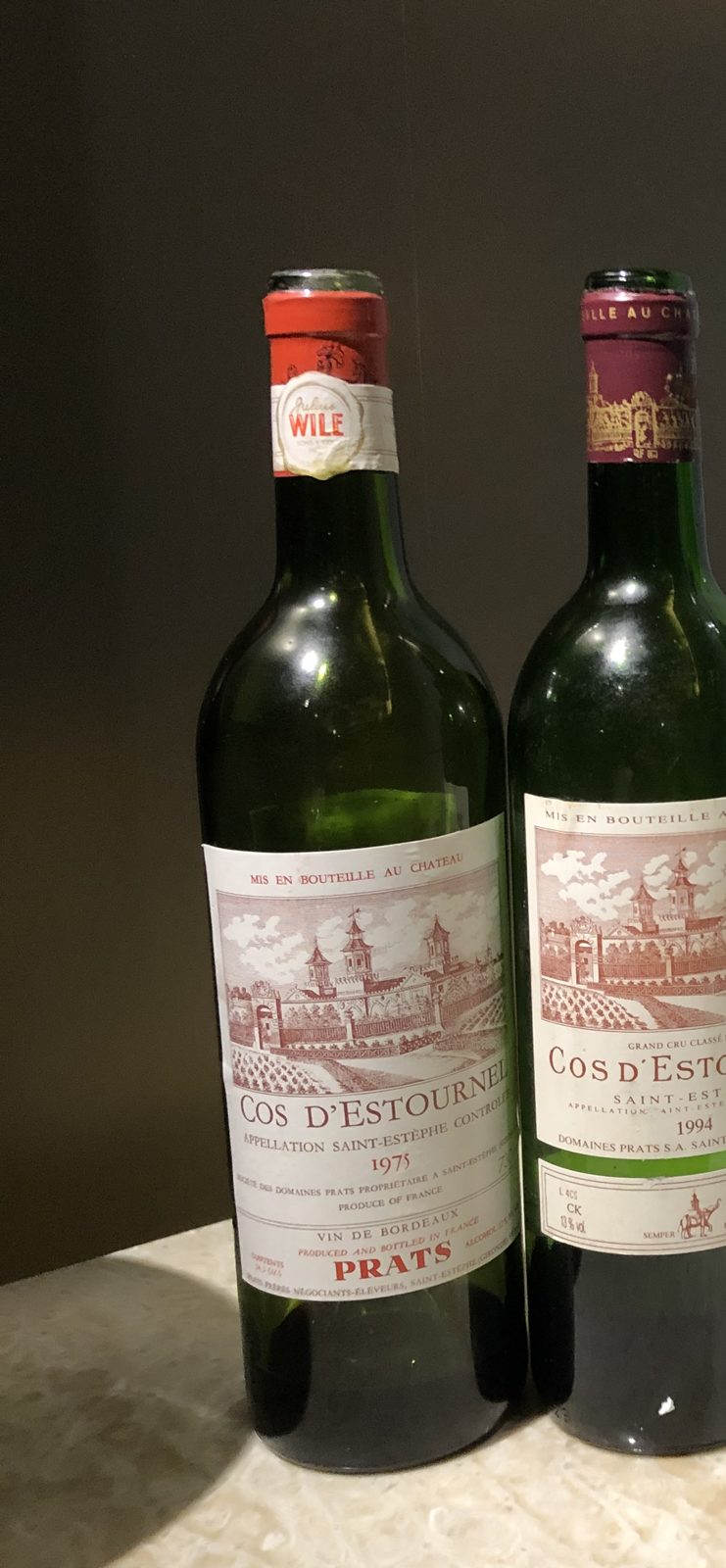
Louis-Gaspard d’Estournel made his money selling wine to India in the early nineteenth century, and when he came home he built a cellar on the gravel rise above Saint-Estèphe with pagoda roofs, carved doors from Zanzibar and no château at all — just the chais, with an oriental skyline that still looks like nothing else in the Médoc. The locals called him the Maharajah of Saint-Estèphe. The engraving on the label has shown the pagodas ever since.
For most of the twentieth century the estate belonged to the Prats family, and from 1970 it was run by Bruno Prats, who over three decades brought it to the top of its commune and, by general agreement, to the level of the first growths in the best years. The 1975 is from the early part of that tenure, when the house style was still the old Saint-Estèphe one: dense, austere, Cabernet-heavy, built to be forgotten in a cellar.
The Year
1975 is a vintage with a reputation for hardness. A hot, dry summer produced thick-skinned, tannic fruit, and the wines came in with a structure that in barrel was described as bitter. What saved it was the autumn — a long, fine October that let the fruit finish ripening — and the wines that were made with patience in mind turned out to have the material to reward it. Many 1975s never softened. The best of them, from the northern Médoc especially, eventually did.
In the Glass
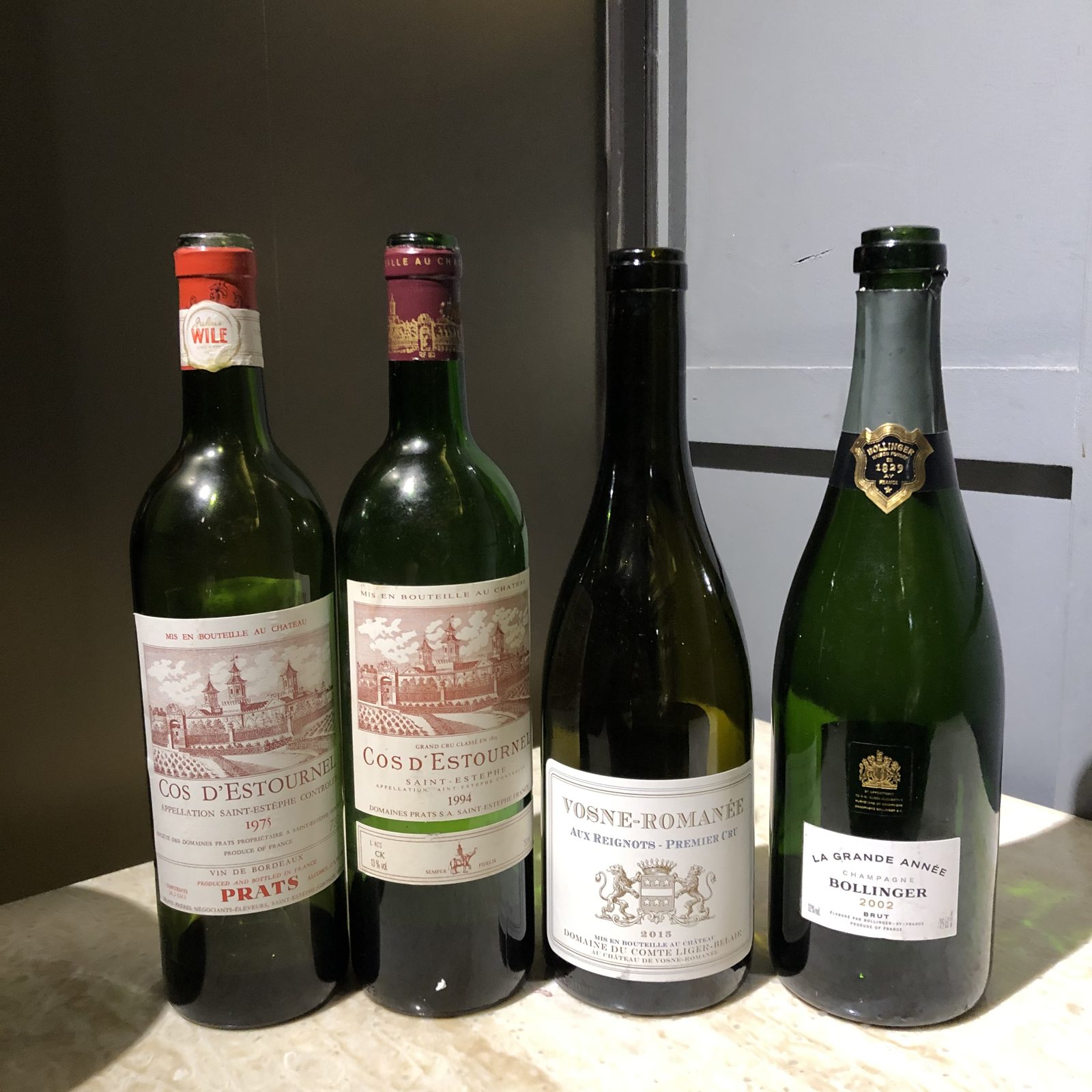
Opened at a restaurant counter as part of a four-bottle evening, beside the estate’s own 1994, a Liger-Belair Aux Reignots 2015 and a Bollinger La Grande Année 2002. Forty-five years from the vintage.
The colour was a mature garnet with a wide amber rim. The nose had arrived where a 1975 was always supposed to arrive: cedar and tobacco, dried cassis, leather, a warm earthy depth and a savoury, almost meaty note underneath, with a faint dried-flower lift. Nothing green, nothing tired.
The palate was the surprise the vintage occasionally delivers. The famous tannins had finally resolved — fine, dry, but no longer harsh — and the wine had kept its acidity, so it stayed upright through the middle. The fruit had faded from fresh to dried but was still there; the finish was long, cool and cedary.
A wine that spent most of its life being described as closed, opened in the window it had been waiting for. Next to the 1994, nineteen years its junior, the difference was one of resolution rather than of quality: the older bottle had finished the argument the younger was still having.