The Year It Rained on the Harvest
Château Cos d'Estournel 1994
- Producer
- Château Cos d'Estournel
- Appellation
- Saint-Estèphe
- Grapes
- Cabernet Sauvignon, Merlot
- Tasted
- 10 February 2021
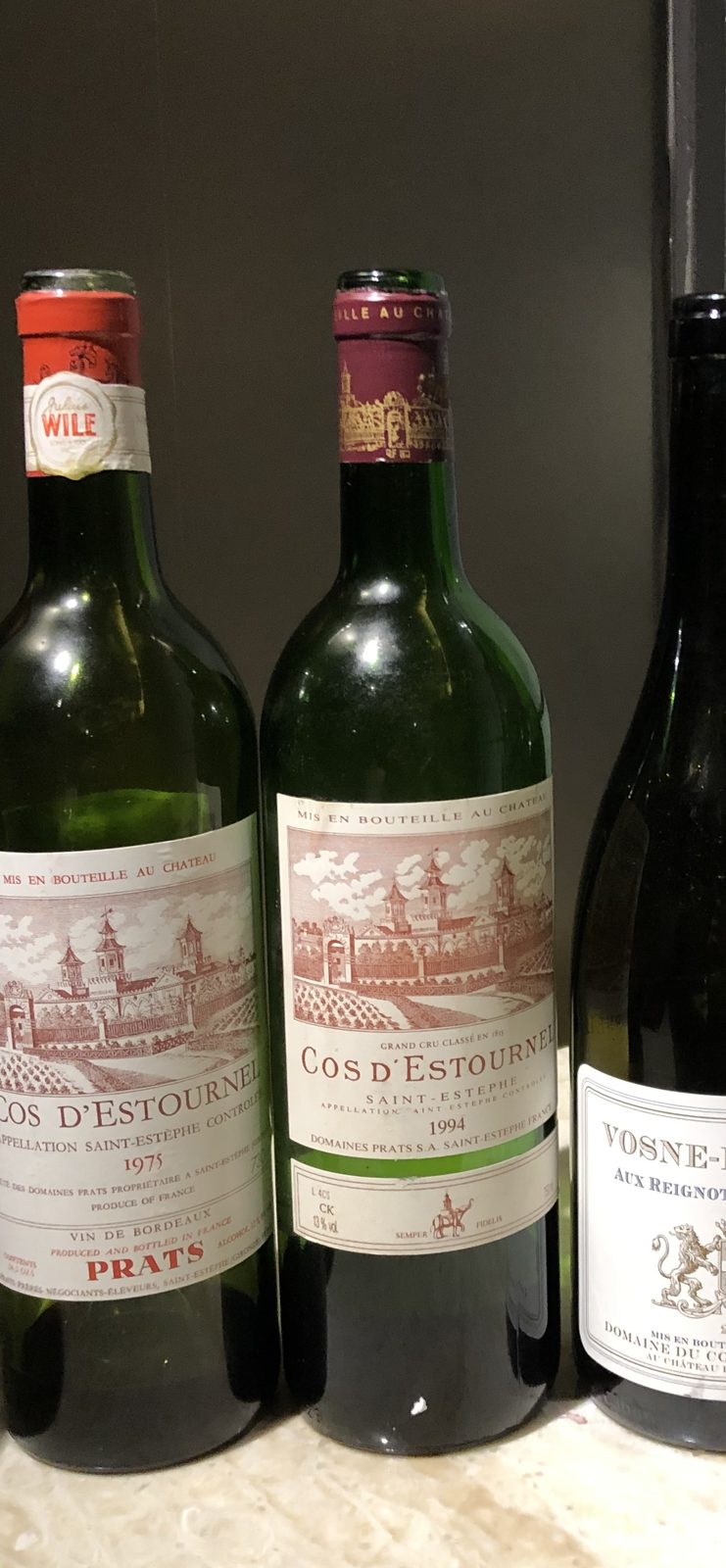
By 1994 Bruno Prats had been running Cos d’Estournel for a quarter of a century and the estate was in the last stretch of the family era — the property would be sold four years later. The label carries the elephant with its mahout and the motto Semper Fidelis, an emblem of the founder’s Indian trade that the house still uses.
Prats’ changes in the nineties were practical ones. The wine was no longer filtered at bottling, on the reasoning that anything removed by a filter was something the wine would miss later. The house style had also loosened a little from the austerity of earlier decades: more Merlot in the blend, more polish in the tannins, without giving up the commune’s backbone.
The Year
1994 is remembered in Bordeaux as the year that got away. The summer was hot and dry, the fruit was in beautiful condition, and by early September the talk in the region was of a vintage to rank with the legends. Then it rained — persistently, through most of the harvest — and the year became a test of who could pick between showers, sort ruthlessly and accept a smaller wine than they had been promised.
Saint-Estèphe’s Cabernet-heavy estates handled the wet better than most, and Cos d’Estournel’s 1994 has been counted among the vintage’s successes ever since: structured, a little stern, and long-lived in the way 1994s often were, because the rain took the flesh but left the frame.
In the Glass
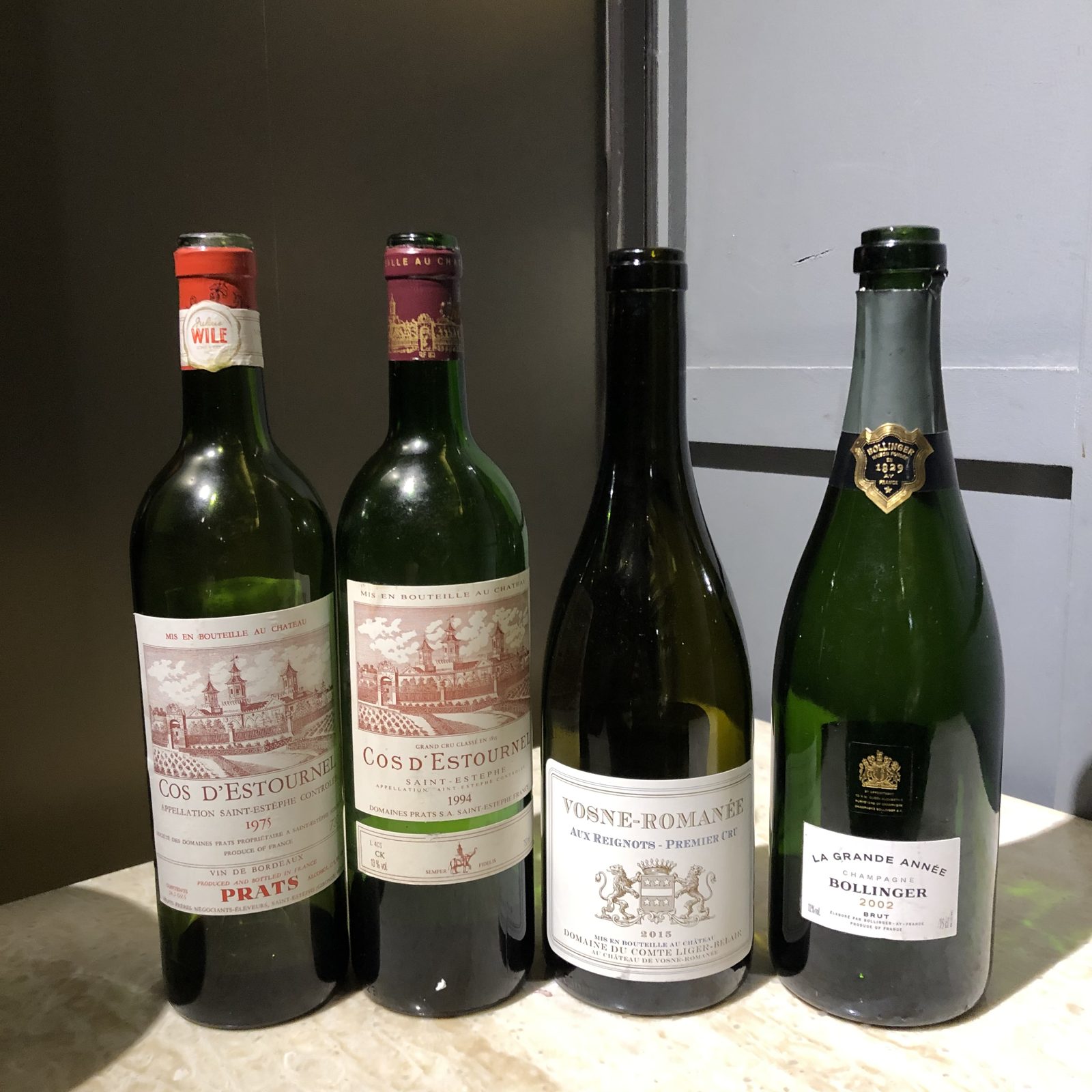
Opened at a restaurant counter beside the estate’s own 1975, a Liger-Belair Aux Reignots 2015 and a Bollinger La Grande Année 2002. Twenty-six years from the vintage.
Deep garnet, still dark at the core. The nose was mature but firmer than the 1975’s: cassis and blackcurrant leaf, cedar, graphite, a smoky tobacco note and a trace of the earthy, slightly rustic quality that Saint-Estèphe carries. Less of the dried-fruit sweetness of the older wine, more of the pencil-shaving line.
On the palate the tannins were still noticeable — fine-grained now, but present at the back — and the acidity was fresh. The mid-palate was leaner than a great year would have given, which is the rain’s signature, but the wine was balanced and long, finishing on cedar and dark fruit with a dry, savoury edge.
Two bottles of the same estate, nineteen years apart, from two vintages that each in its own way disappointed people at the time. The 1975 had softened into grace; the 1994 was still holding its shape. Both were better than their reputations, which is a more common outcome in Bordeaux than the vintage charts suggest.