The Fifth Growth That Was Added a Year Late
Château Cantemerle 2003
- Producer
- Château Cantemerle
- Appellation
- Haut-Médoc
- Grapes
- Cabernet Sauvignon, Merlot, Cabernet Franc, Petit Verdot
- Tasted
- 20 February 2021
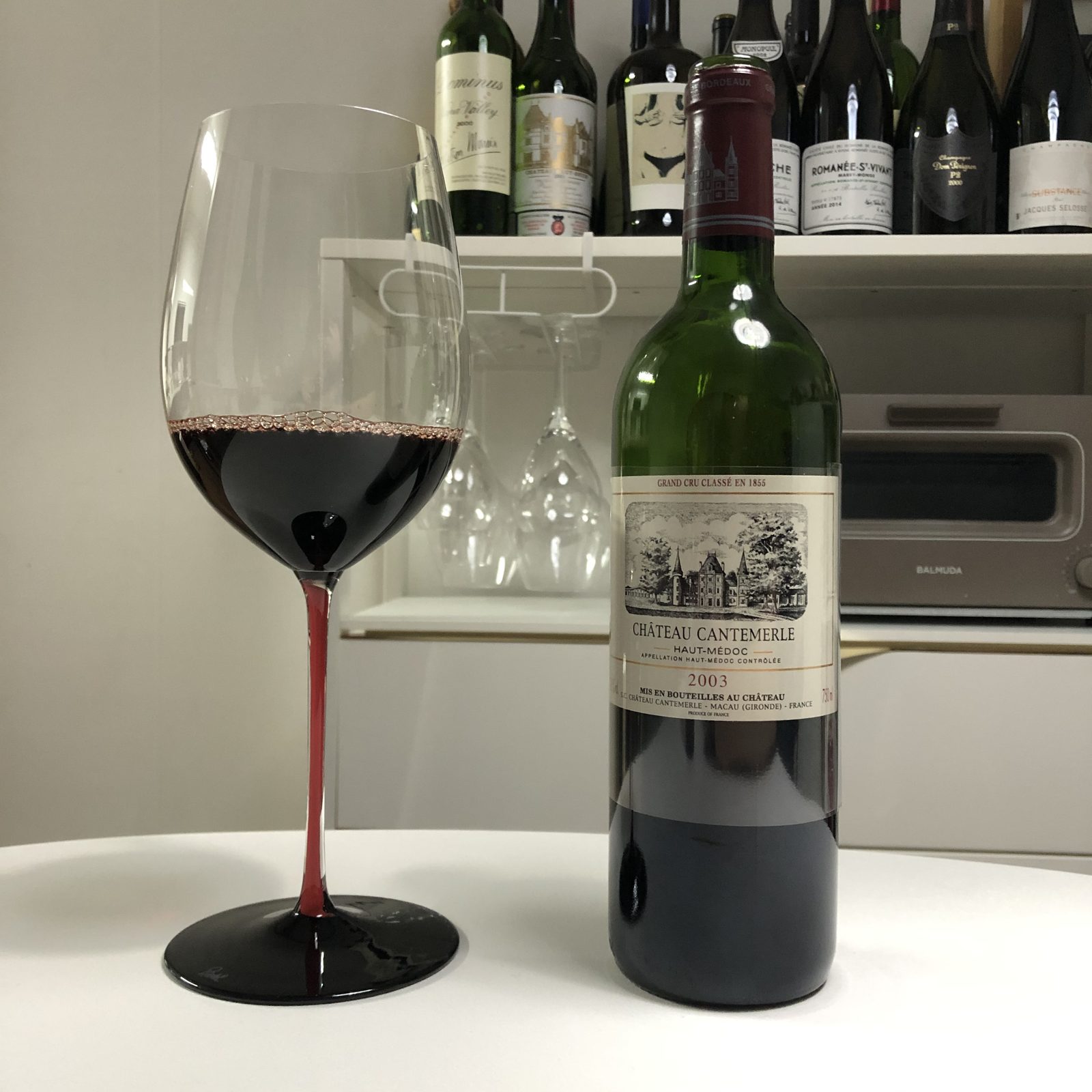
The 1855 classification is famous for never changing, and it has changed twice. The second time was Mouton Rothschild’s promotion in 1973. The first was in September 1855, a few months after the list was drawn up, when Caroline de Villeneuve, who owned one of the largest properties in the Haut-Médoc and had been left off it entirely, went to the brokers’ syndicate and made her case. Cantemerle was added at the bottom of the fifth growths, and it has been there since.
The estate sits at Macau, on the southern edge of the Haut-Médoc where the appellation runs out toward Bordeaux, on lighter, sandier gravel than the famous communes to the north. Records of vines there go back to the fourteenth century. The wine has never been a heavyweight; its reputation rests on elegance, value and a certain consistency, and it is the sort of bottle Bordeaux drinkers keep in quantity rather than in reverence.
The Year
2003 was the summer of the European heatwave. August in Bordeaux was hotter than anyone had recorded, the vines shut down, sugars ran ahead of ripeness, and acidity was low across the region. The vintage produced wines that were rich and soft and, in many cases, aged quickly. The northern Médoc, on deeper and cooler gravel, coped best; the estates on lighter soils to the south had a harder time keeping freshness.
In the Glass
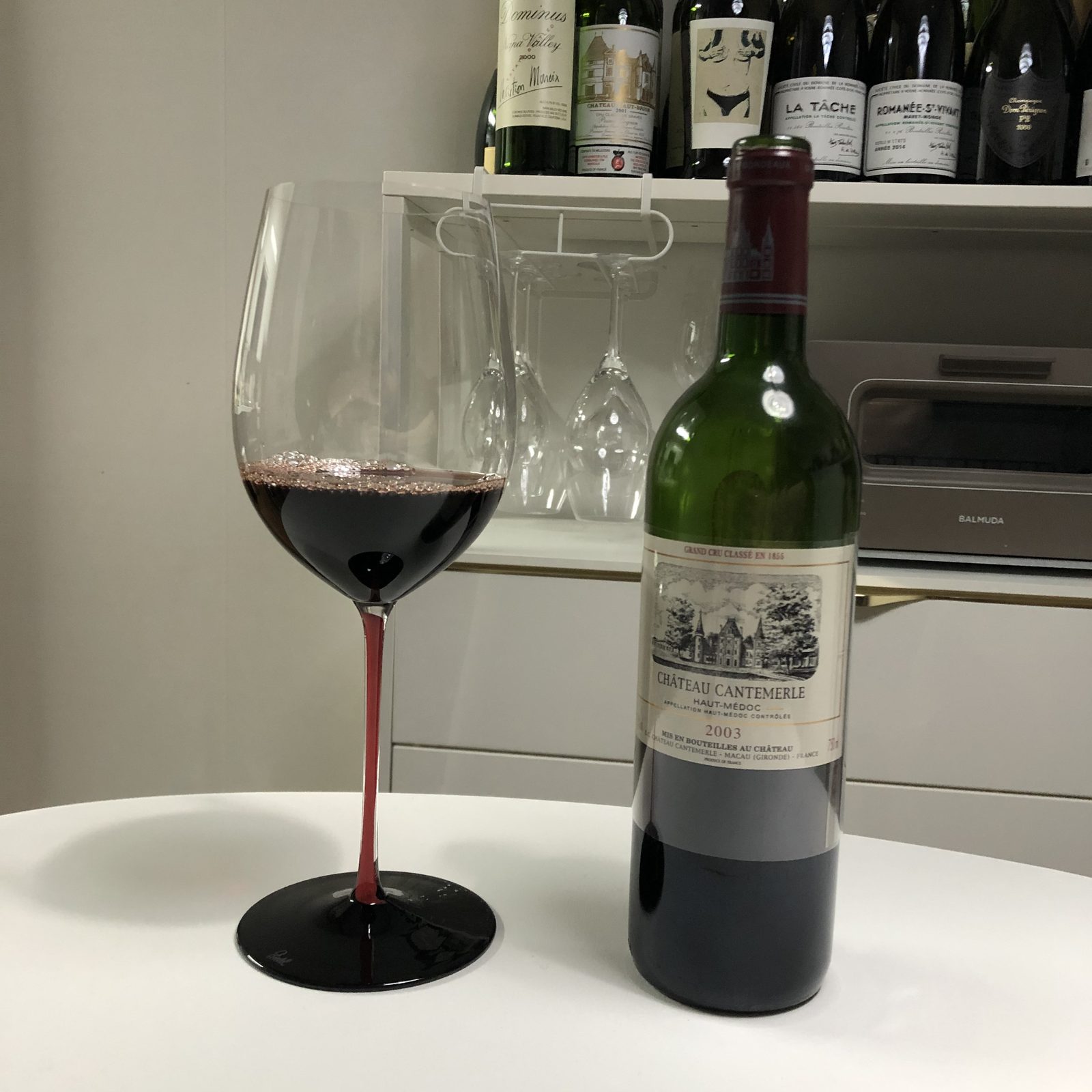
Opened at home on a Saturday evening, seventeen years from the vintage.
Garnet with a brick rim, showing its age. The nose was mature and gently sweet — dried plum and fig, cedar, tobacco, a warm, baked-earth note that was the summer’s signature, and a leathery depth. Not complex, but coherent.
The palate was soft and round, the tannins entirely resolved, the acidity low as the year dictated. The fruit had gone to the dried register and the finish was moderate, with a cocoa and cedar warmth. It was a wine at the end of its plateau rather than at the top of it, drinking pleasantly and asking nothing.
A fifth growth from a heatwave year, at seventeen — not a bottle to build an evening around, but a fair account of what the vintage did to the Médoc’s lighter ground, and a reminder that the list Caroline de Villeneuve fought to be on has kept her estate in company it has generally deserved.