A Red Wagon with Wings
MacPhail 'The Flyer' Pinot Noir 2011
- Producer
- MacPhail Family Wines
- Appellation
- Russian River Valley
- Grapes
- Pinot Noir
- Tasted
- 8 March 2021
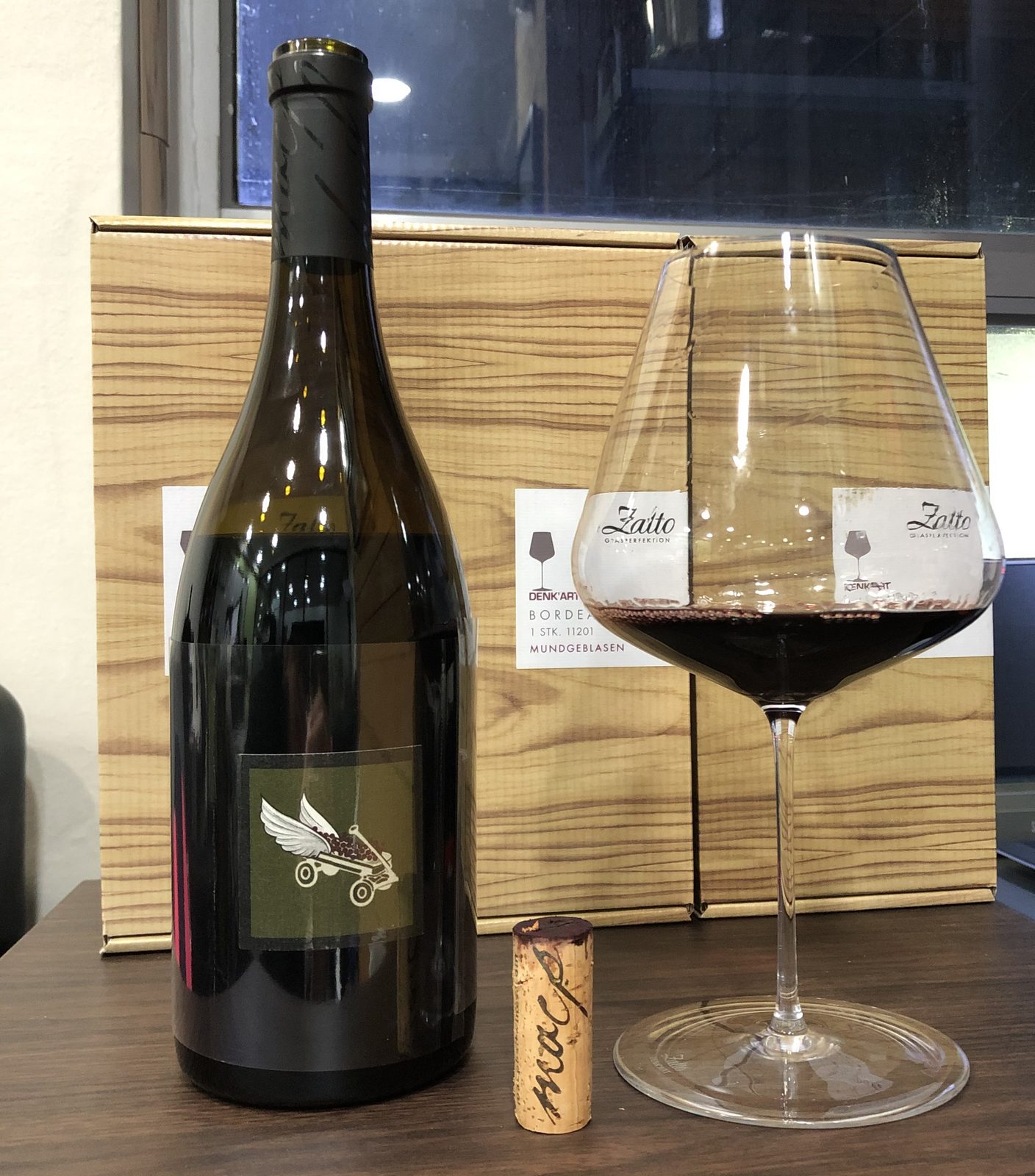
The label is a small olive-green square with a child’s four-wheeled wagon on it, loaded with a bunch of grapes, and a pair of wings sprouting from the side. It takes a moment to place, and then it does not need explaining: the flyer, the wagon every American child hauls things around in, given wings and put to work carrying fruit. MacPhail reserves the name for the small lots it thinks are worth separating out.
The estate is in Healdsburg, in Sonoma County, and James MacPhail built it around a single grape. The back label of this bottle reads like a specification sheet rather than marketing copy: hand harvested and hand sorted, four clones — Swan, Mount Eden, Calera and 777 — eleven months on the lees in 100% French oak, half of it new, six barrels made. Six barrels is roughly a hundred and fifty cases. It is a very small number to put a name on.
The Year
2011 is the vintage California would prefer to skip. It never warmed up: frost in spring, an unseasonably cool summer, and rain arriving at exactly the wrong points in the calendar, including during harvest. Rot pressure was severe, picking decisions became triage, and yields came in as much as a quarter below normal across Sonoma. Russian River Pinot Noir from the year has a reputation for green, underripe character, and a good deal of it earned that reputation.
The wines from producers who sorted ruthlessly are a different matter. Low alcohol, high acid, fine tannin, and a fruit profile that sits at the red end rather than the black — closer to Burgundy’s proportions than California usually gets. Four clones and six barrels is the sort of arithmetic a difficult year forces on a winemaker who is unwilling to compromise.
In the Glass
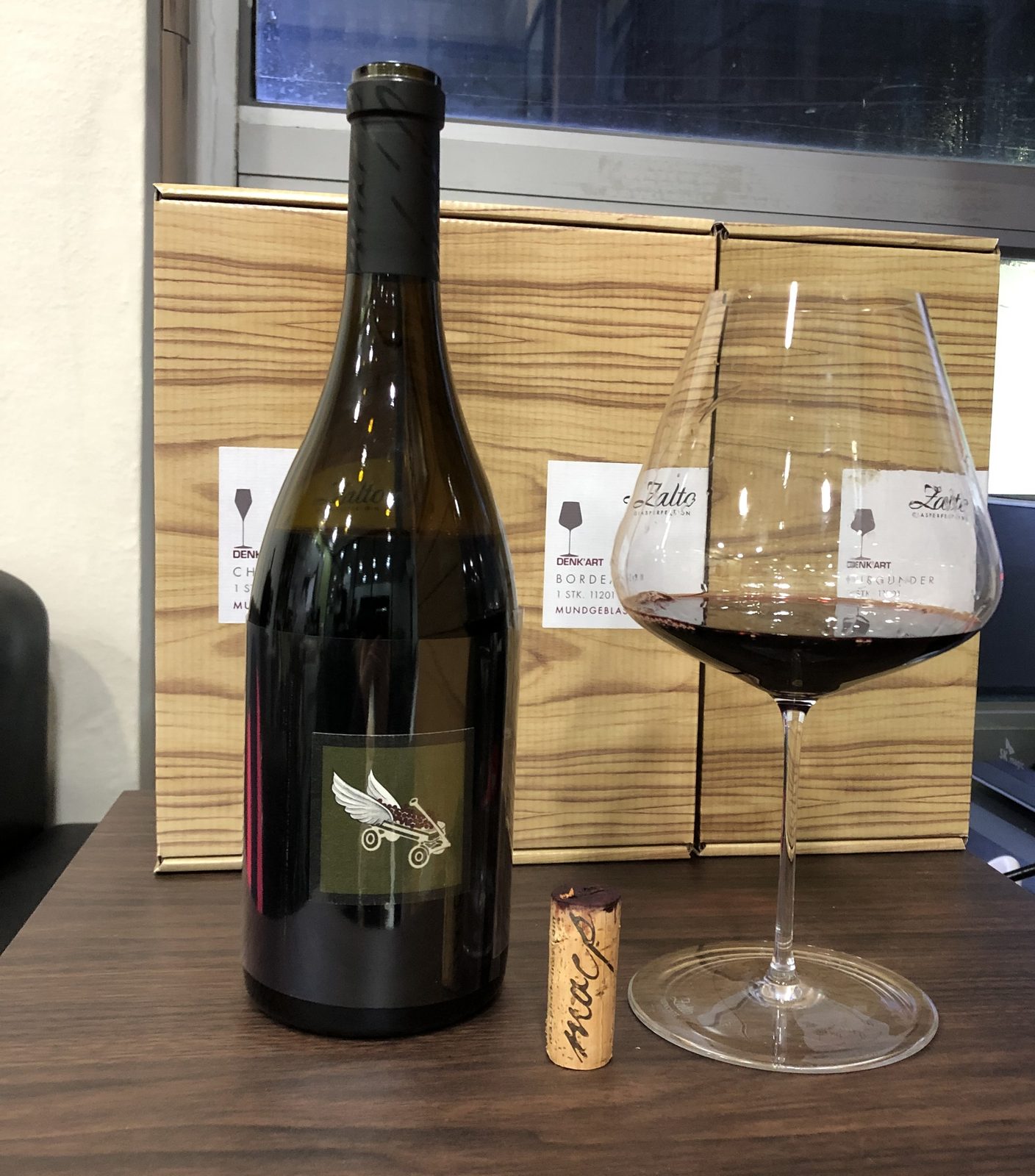
Poured into a large Burgundy bowl at the office, ten years from the vintage.
Medium ruby, translucent, already showing garnet at the rim — a light-coloured wine even for Pinot Noir, which is what the year gave. The nose was red-fruited and savoury rather than sweet: cranberry and sour cherry, dried rose, a forest-floor earthiness, and a faint stemmy, dried-herb note that in a warmer year would read as under-ripeness and here read as spine.
The palate was lean in the good sense — bright acidity, silky and fine tannin, medium body, and no sensation of alcohol at all. The fruit sat in the middle rather than filling every corner, and the finish was long, tart and mineral, closing on dried cherry skin and a little iron.
The wines that survive from a written-off vintage tend to be the ones that never tried to hide it. At ten years this was fresh, delineated and completely undamaged, which is more than can be said for most Californian Pinot Noir of any year at that age. Elsewhere in this archive, a Sonoma Coast Pinot Noir from 2012 shows the following vintage, and a wine from the Santa Cruz Mountains makes the cool-climate argument further south.