The White Half of the Classification
Domaine de Chevalier Blanc 2014
- Producer
- Domaine de Chevalier
- Appellation
- Pessac-Léognan
- Grapes
- Sauvignon Blanc, Sémillon
- Tasted
- 4 June 2021
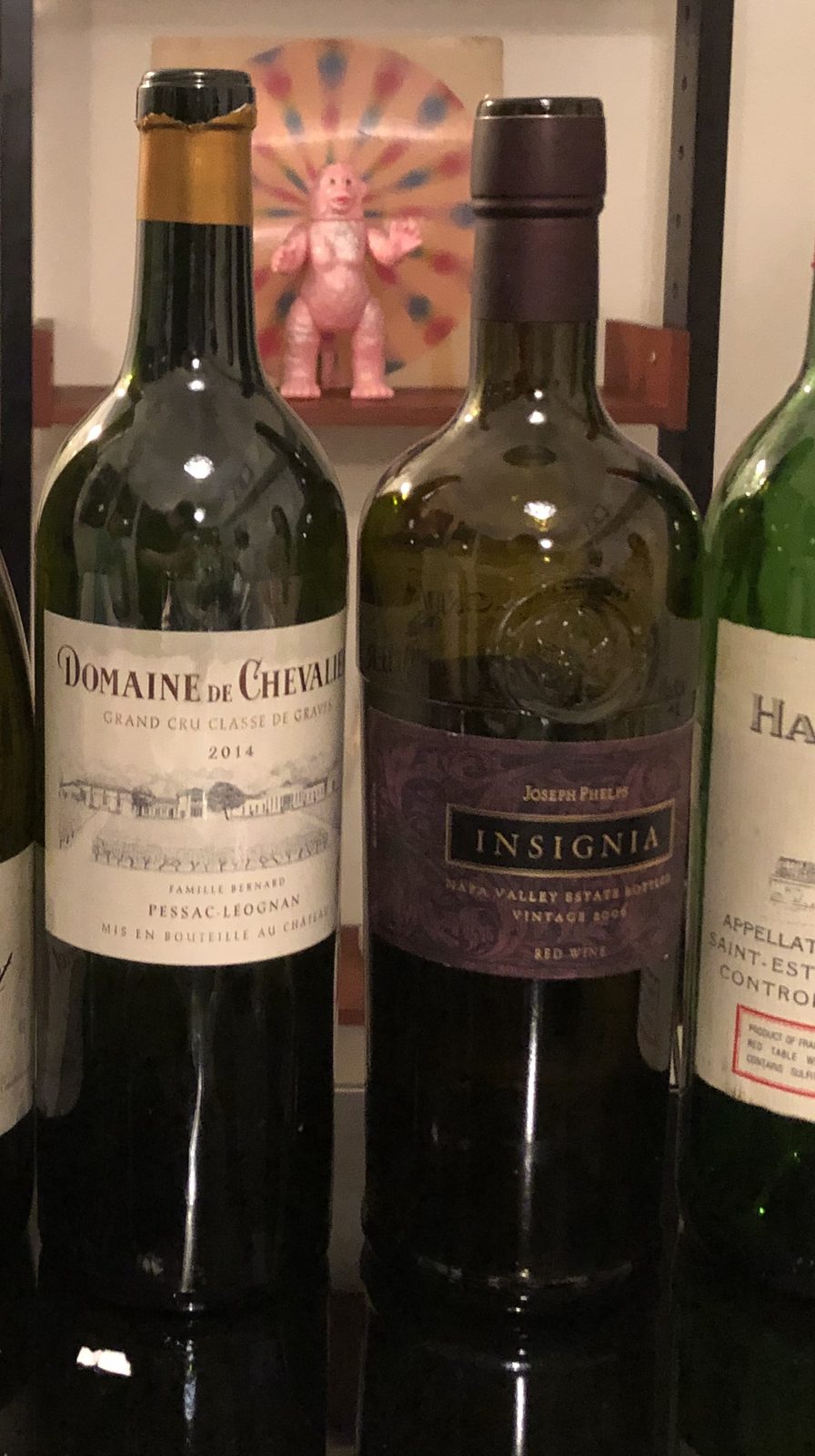
The Graves classification of the 1950s is the only one in Bordeaux that ranks white wines alongside red, and Domaine de Chevalier is one of the handful of estates classified for both. The property sits at Léognan, at the highest point of the appellation, on Günz gravel over clay — it appears on the Belleyme map of 1783 — and was bought in 1865 by a family of coopers named Ricard. Claude Ricard ran it from 1948 until 1983, when it passed to the Bernard family; Olivier Bernard took charge at twenty-three and had Ricard beside him for the first five years. Stéphane Derenoncourt consults.
The white is a small production from about five hectares, roughly seventy percent Sauvignon Blanc and thirty Sémillon, and the estate’s habit is to pick in several passes over a fortnight or more, then ferment and raise the wine in barrel with the lees stirred. It is built to age, which is not the usual ambition for Sauvignon.
The bottle is easy to tell from the red without reading it: the white wears a gold capsule, the red a dark claret one.
Indian Summer
2014 in Bordeaux had a fine early flowering and then a temperate, stormy, wet summer that put the ripening behind. What saved the year was what came after: from the end of August, close to sixty days of sunshine with dry winds and cool nights. For the reds it meant late, careful picking. For the dry whites of Pessac-Léognan it meant ripe fruit carrying the acidity of a cool summer, and the appellation regards it as one of its best white years of the decade.
The Sauvignon came in from the tenth of September and the Sémillon finished on the twenty-sixth, in three to five passes. The blend that year was three parts Sauvignon to one part Sémillon; it spent eighteen months in barrel, about a third of it new, and was bottled in the spring of 2016.
In the Glass
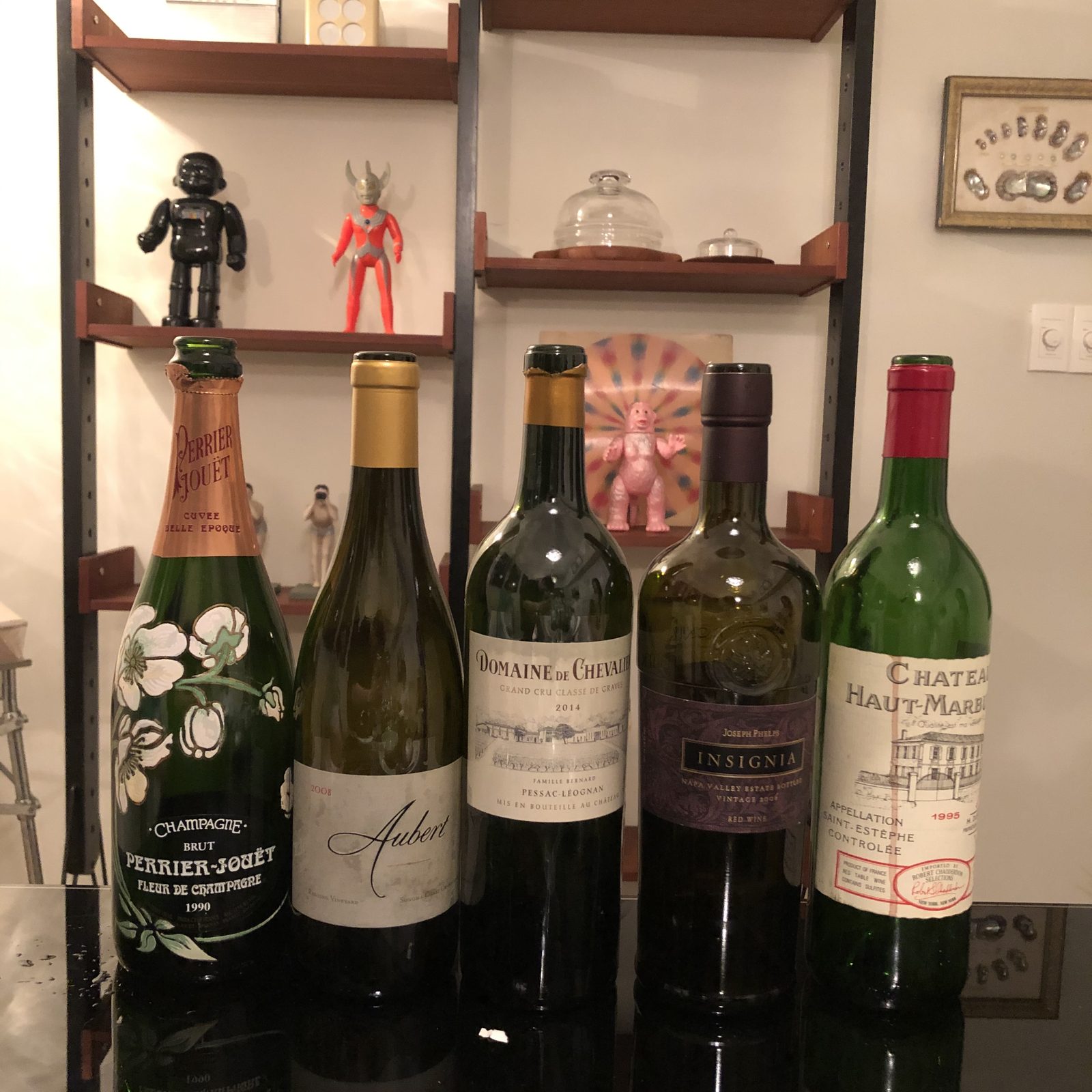
The second bottle of an evening that had opened with Perrier-Jouët’s 1990 and would go on to a 2008 Aubert Chardonnay, Insignia 2006 and Haut-Marbuzet 1995. At not quite seven years, it was the youngest wine on the table by six.
Pale gold with a green edge. The nose was flint and cold stone before it was fruit — then white peach, citrus, a little quince, orange blossom, and a faint smoky note from the oak that had folded itself into the wine. The palate was the point: tight, crisp, very low in perceived sweetness, with a mineral tension that owed nothing to the grape’s usual grassiness and a length that kept going after the fruit had stopped. The Sémillon showed as texture rather than flavour.
A white Bordeaux at seven is at the beginning, and this one made no secret of it. Set beside a Californian Chardonnay from six years earlier it was the leaner, cooler, more upright wine — a difference of intent rather than quality. For dry whites elsewhere in this archive that argue the same case for acidity, see the Prinz Schönhell Riesling GG 2019 and the Coche-Dury Meursault 2015.