Three Barrels from the Third Leaf
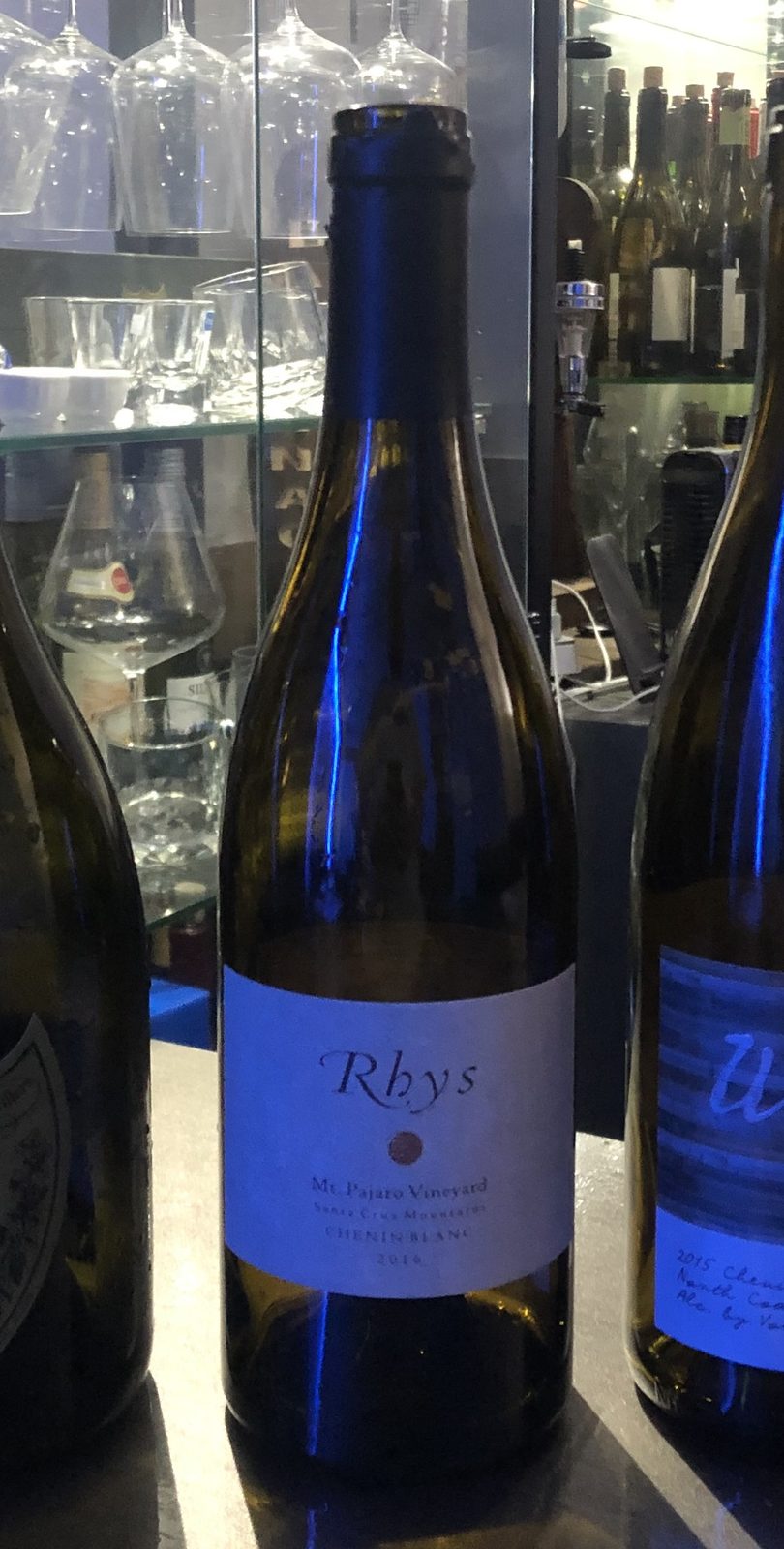
Rhys Vineyards Mt. Pajaro Vineyard Chenin Blanc 2016
- Producer
- Rhys Vineyards
- Appellation
- Santa Cruz Mountains
- Grapes
- Chenin Blanc
- Tasted
- 7 June 2021
Kevin Harvey’s argument has always been about soil. A software engineer turned venture capitalist, he planted Pinot Noir in his garden in Woodside in the mid-1990s and, when the wine turned out better than it had any right to, went looking for the reason. The conclusion he arrived at — that thin, rocky topsoil over fractured rock matters more than climate — became the founding principle of Rhys Vineyards, and every site the estate has planted since has been chosen for what lies a foot below the surface rather than for what the thermometer says.
Mt. Pajaro is the estate’s newest ground in the Santa Cruz Mountains, on the Watsonville side of the range east of Corralitos, about eight miles from Monterey Bay and thoroughly cooled by it. It was planted in 2013, mostly to massale selections of Pinot Noir and Chardonnay, but with two small parcels that had no precedent at Rhys: Riesling, and Chenin Blanc. The Chenin block faces south at around eight hundred and sixty feet, on a slope steep enough to make farming awkward, with a foot or so of rocky topsoil over dark shale and sandstone. It is dry-farmed and organic, like the rest.
The First Wine Off the Hill
2016 was the vineyard’s third leaf, and the Chenin was the first wine Rhys released from the site — before any Pinot, before any Chardonnay. The season helped. Winter rain had finally broken the worst of the drought; a warm January brought an early budbreak, a cool spring slowed everything down again, and the summer’s warmth was checked by fog and cold nights, so that the harvest came later than 2015 with long hang time and the acidity intact.
The winemaking was the house method for whites applied to an unfamiliar grape: whole-cluster pressed, fermented and raised for a year half in stainless steel and half in seasoned oak, then a further eight months in steel on its lees, with full malolactic and no stirring. It came in at thirteen and a third percent. There were three barrels of it — around seventy-five cases — and it went to the mailing list.
In the Glass
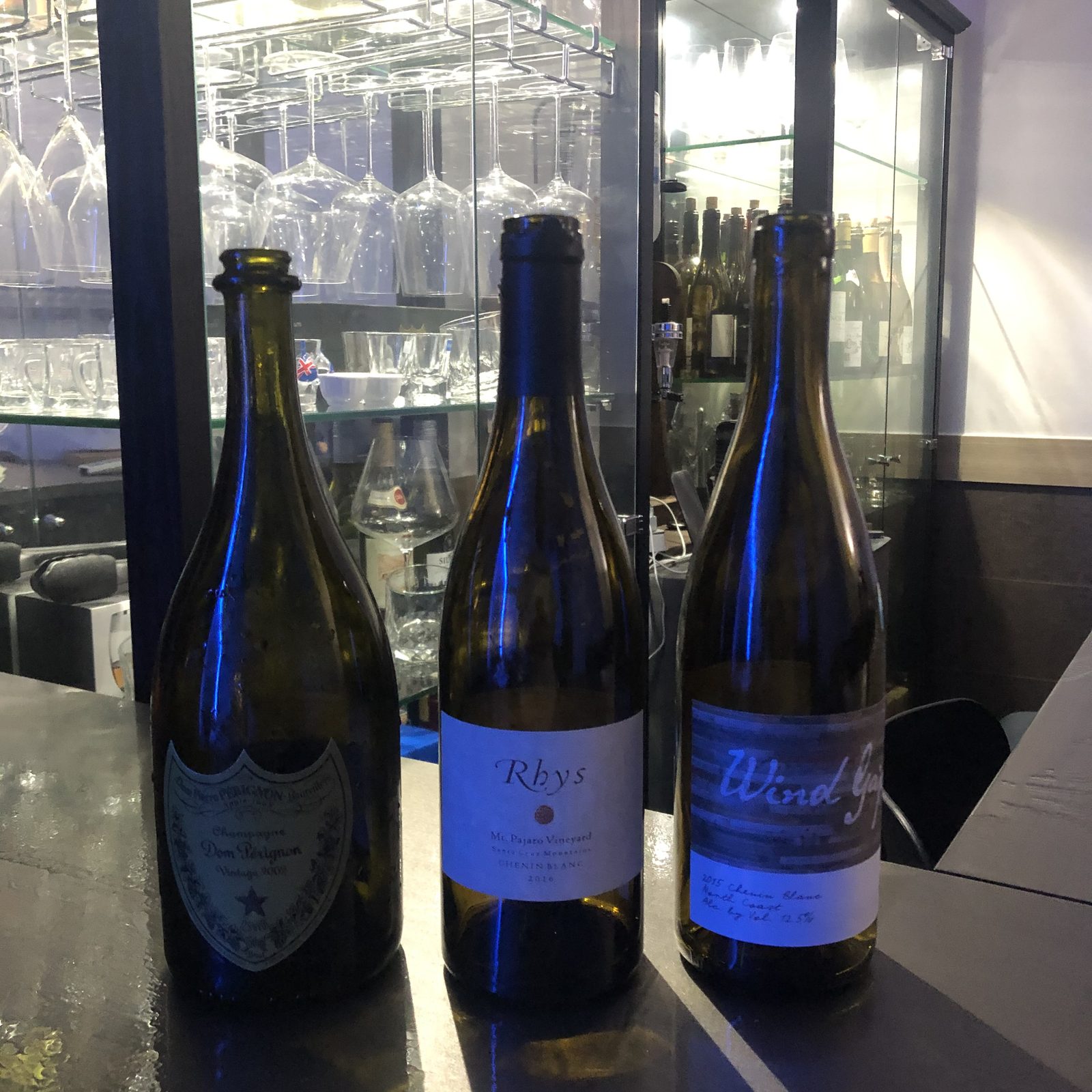
One of two Californian Chenin Blancs opened side by side, the other being a Wind Gap from the North Coast, with a Dom Pérignon 2002 to begin. Five years from the harvest.
Pale straw-gold. The nose was flinty before it was fruity — wet slate, a struck-match trace, then white pear and lime, chamomile, a little dried rosemary, and the faint lanolin note that Chenin brings almost anywhere it is grown. The palate had real concentration for such young vines, medium-to-full, with a phenolic grip on the back of the tongue that gave it texture without weight, and an acidity that ran bright and long. It finished on citrus and stone, and it felt, above all, like a wine of its ground: the shale showed more than the grape did.
An unusual bottle from an estate that does not make many, and the first sentence of a site that will presumably be known for other things. Rhys’s Pinot Noir is elsewhere in this archive — the Alpine Vineyard 2006, from the years when Harvey’s soil theory was still a theory.