Where the Wind Gets Through
Wind Gap Wines Chenin Blanc North Coast 2015
- Producer
- Wind Gap Wines
- Appellation
- North Coast
- Grapes
- Chenin Blanc
- Tasted
- 7 June 2021
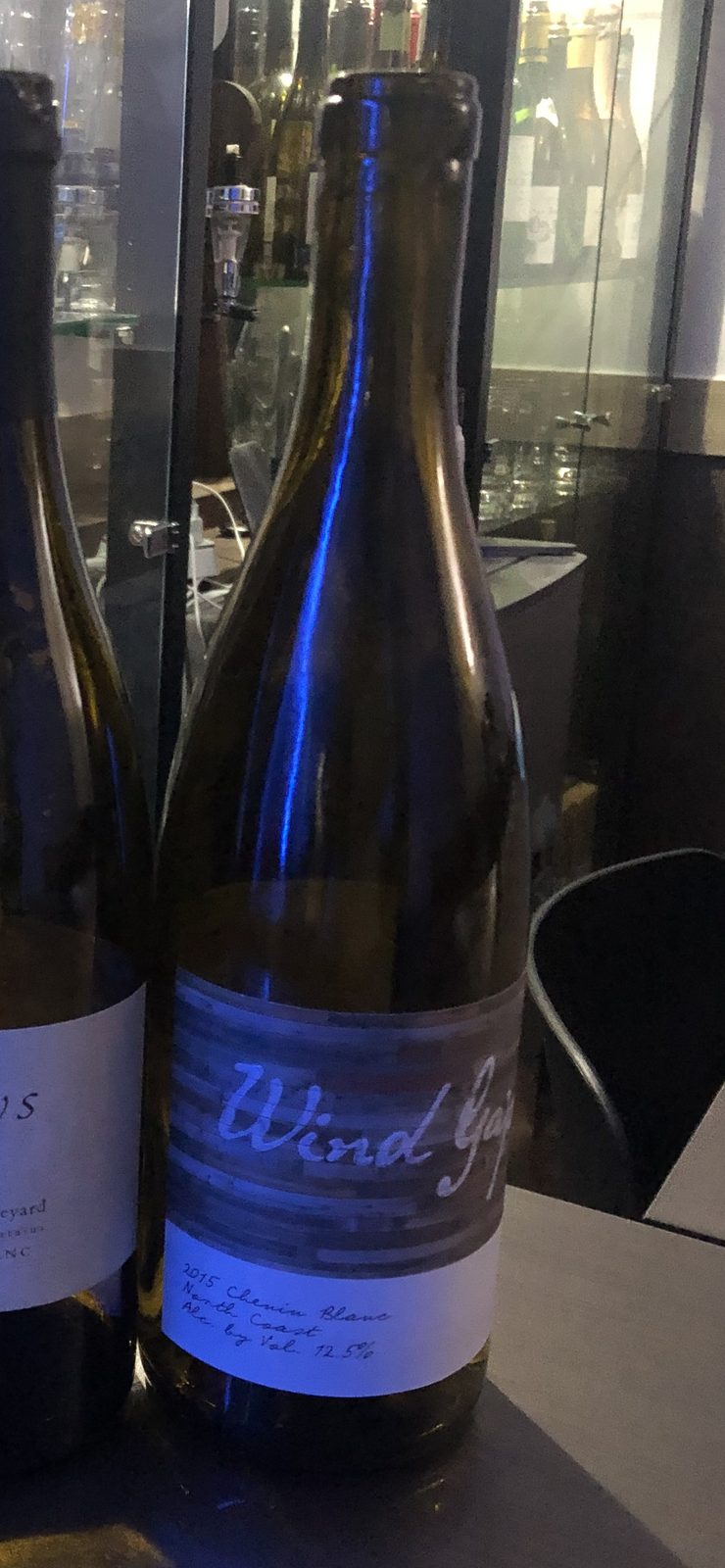
A wind gap is a notch in a range of hills through which cool air moves inland — the Petaluma Gap is the famous one in Sonoma — and Pax Mahle chose the name for the label he started in 2006 with his wife Pam. His first project, under his own name, had been built around big, dense Syrahs from cold sites in Mendocino and Sonoma; when a dispute with his partners ended that venture in 2008, Wind Gap became the main event, and its brief was the opposite of muscle. Pick earlier, ferment with what comes in on the fruit, use concrete and old wood instead of new barrels, and aim for tension rather than richness. He called them wines of grace, and for a decade the label was one of the reference points for the lighter, cooler style that was reshaping California.
Mahle had come to wine as a sommelier on Nantucket and as the corporate buyer for Dean & DeLuca, and Wind Gap was always a buyer’s label — a shifting cast of leased vineyards, many of them old and obscure, rather than an estate. The label was hand-lettered, the information on it minimal. By 2015 the operation had moved into The Barlow in Sebastopol and taken on an investor; within a few years Mahle would sell his remaining share and fold his own work back under the Pax name. This bottle sits near the end of the Wind Gap chapter.
A Small Crop in a Dry Year
Chenin Blanc in California is mostly a story of what was pulled out. The old plantings that survived — in Clarksburg, in Mendocino, scattered through the North Coast — became, in the 2010s, exactly the kind of fruit the new-wave producers went looking for, and Mahle was one of them. This bottling carries the broad North Coast designation, which means the fruit came from more than one county, and the label gives nothing more away than that: the grape, the year, and an alcohol of twelve and a half percent.
2015 was the fourth year of the drought. Budbreak was very early; a cold, wet spell during flowering in May cut the crop hard; the summer was warm and the harvest, in August and early September, was among the earliest anyone could remember. Small berries, concentrated juice, and not much of it — a year that suited a producer who was going to pick early anyway.
In the Glass
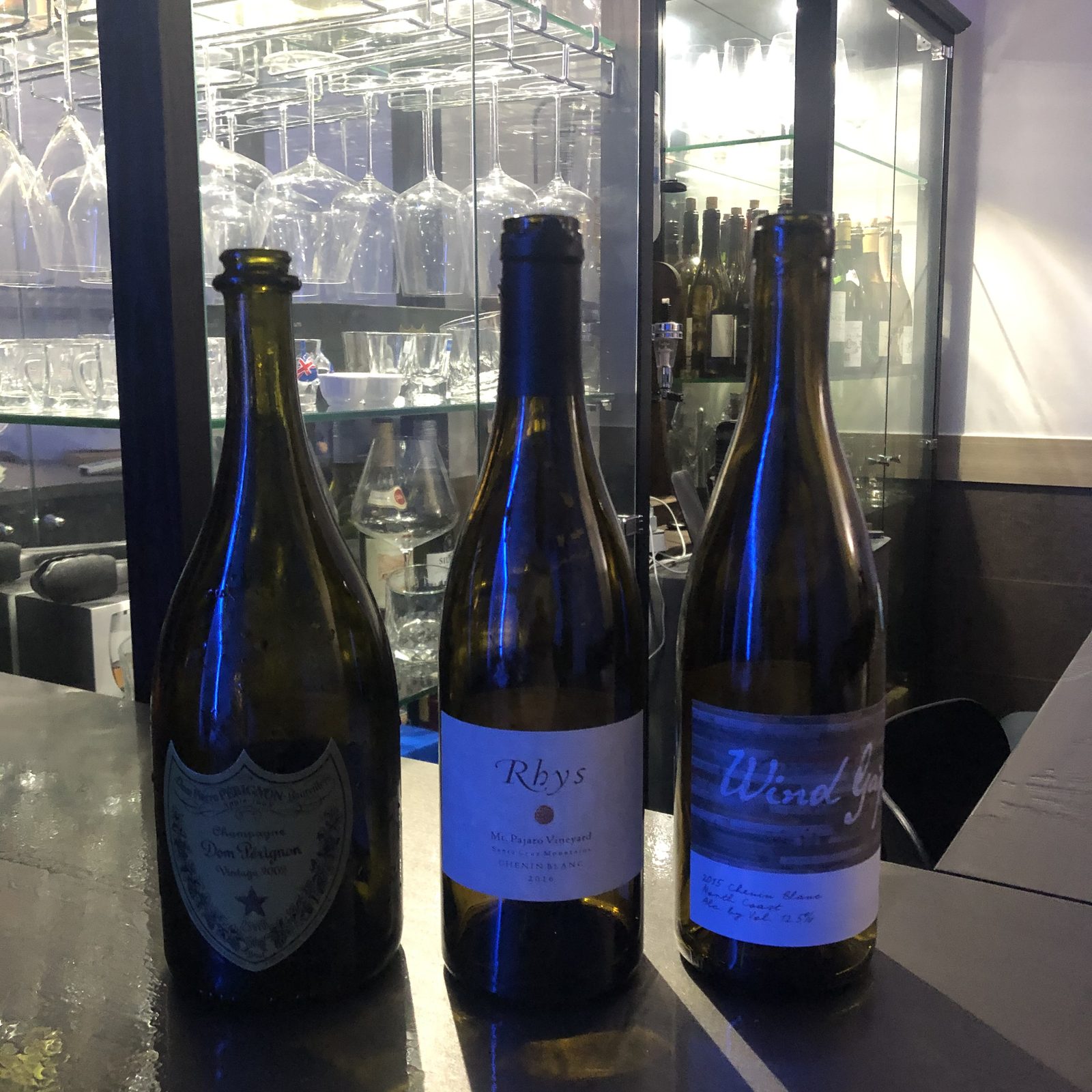
The second of two Californian Chenin Blancs on the counter, after a Rhys from a brand-new vineyard in the Santa Cruz Mountains, and after a Dom Pérignon 2002 to open. Six years from the harvest.
Pale gold. The nose had the waxy, wool-and-lanolin character that marks the grape, with yellow plum, Bosc pear, white flowers and a thread of honey that had developed with the years in bottle. Where the Rhys was flint, this was fruit and texture: a rounder wine, a little broader on the palate, with a soft phenolic edge that suggested some time on the skins, and an acidity that was zesty rather than steely. Dry, mineral, moderate in length, and very easy to keep drinking — the twelve and a half percent was a large part of its charm.
Two Chenins from two ideas of California, side by side: one built from a single steep block of shale, the other assembled from wherever the old vines happened to be. Mahle’s whites were always the quieter half of his work, and this was a good example of why the quiet half was worth hearing.