Two Squares on Frosted Glass
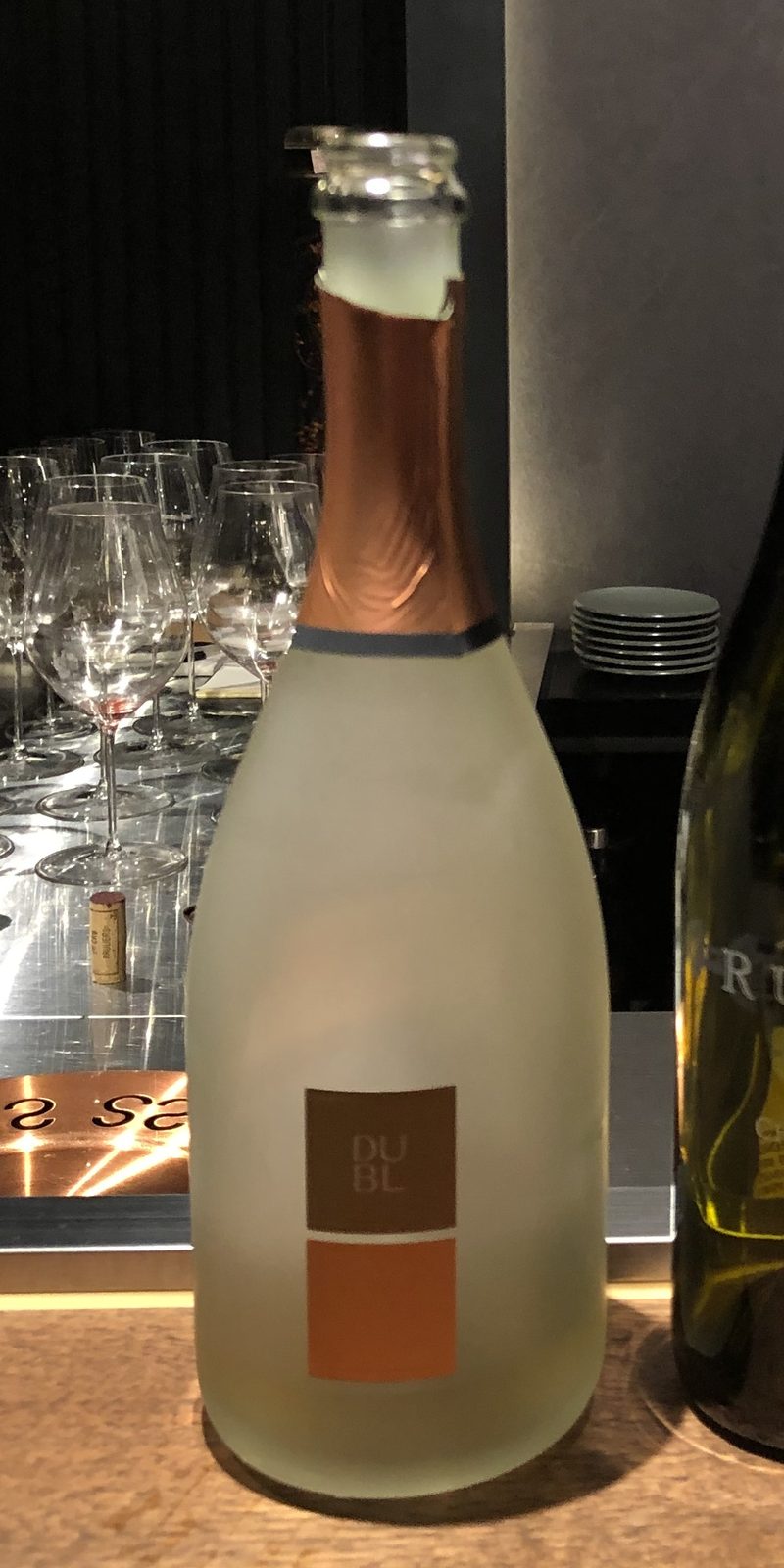
Feudi di San Gregorio DUBL Rosato
- Producer
- Feudi di San Gregorio
- Appellation
- Vino Spumante di Qualità
- Grapes
- Aglianico
- Tasted
- 11 June 2021
Feudi di San Gregorio was founded in 1986 at Sorbo Serpico, in the hills of Irpinia east of Naples, by two families rebuilding after the earthquake that had devastated the province six years earlier. Within twenty years it had become the largest quality producer in the region — three hundred hectares in hundreds of small parcels across Taurasi, Greco di Tufo and Fiano di Avellino, a cellar by the Japanese architect Hikaru Mori, and a reputation for treating Campania’s old grapes as if they were worth the same attention as anyone else’s.
DUBL was the estate’s most unlikely idea. In 2003 it decided to make traditional-method sparkling wine from Irpinian grapes, and to do it properly it brought in Anselme Selosse, the Avize grower whose wines had reordered Champagne’s hierarchy in the previous decade. The first wine, from Falanghina, appeared in 2004; Greco and then Aglianico followed. The name plays on double — two partners, two fermentations — and the packaging was given to Massimo Vignelli, the designer behind the New York subway map, who reduced the label to two overlapping squares: a gold one carrying the name, and a second whose colour tells you which wine is in the bottle.
Aglianico, Pressed Pale
The Rosato is the Aglianico. The grape that makes Taurasi — dark, tannic, late-ripening, the south’s answer to Nebbiolo — is picked by hand from vineyards around Taurasi and its neighbouring villages, pressed in whole bunches with only the briefest contact with its skins, fermented in steel and then refermented in bottle, where it spends a year or two on its lees before disgorgement. It is non-vintage and finished brut. In the frosted bottle it shows as the palest peach; the copper foil over the neck is the only concession to the colour of the wine inside.
What Selosse brought to the project was less a recipe than a set of expectations — long lees ageing, low dosage, a respect for the base wine — and the Rosato reads as an attempt to find out what those expectations do to a grape that had never been asked to sparkle.
In the Glass
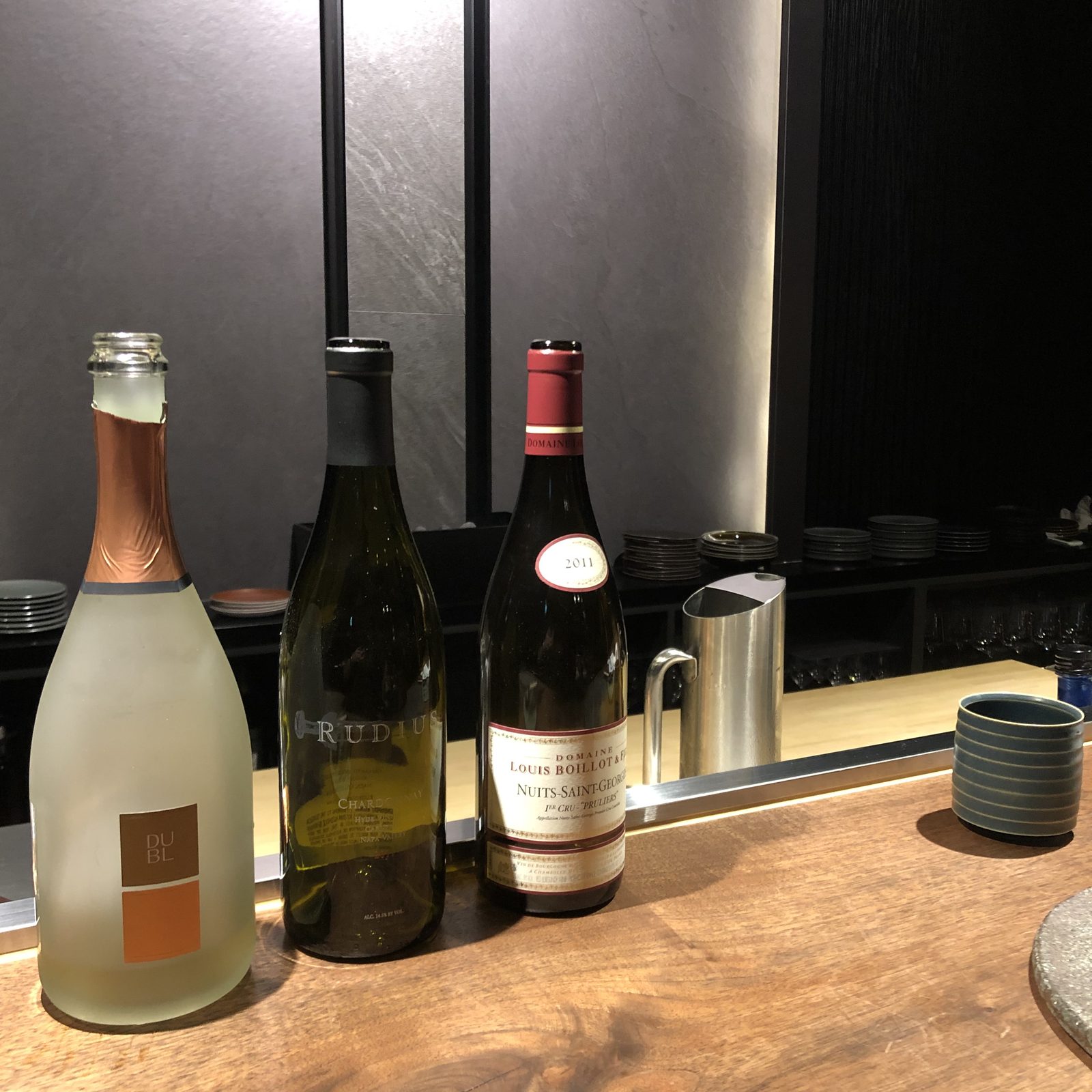
The opening bottle of three at a counter, before a Carneros Chardonnay from 2011 and a Nuits-Saint-Georges from the same year.
Pale onion-skin pink with a fine, persistent bead. The nose was wild strawberry and red currant, rose petal and orange peel, with a bread-crust note from the lees behind the fruit and something faintly herbal — fennel, or sun-warmed hay — that seemed to be the grape rather than the method. The palate was brighter than the colour promised: a crisp, almost tart acidity, a creamy mid-palate from the mousse, and a dry, faintly saline finish with a touch of nectarine skin. Not a long wine, and not trying to be one; a precise, tense aperitif with a southern accent.
The one Selosse connection in this archive that does not come from Avize. His own wine — Substance, the solera that began in 1986 — is here from a different evening.