A Quarter Hectare of Century-Old Vines
Domaine Louis Boillot & Fils Nuits-Saint-Georges 1er Cru Les Pruliers 2011
- Producer
- Domaine Louis Boillot & Fils
- Appellation
- Nuits-Saint-Georges 1er Cru
- Grapes
- Pinot Noir
- Tasted
- 11 June 2021
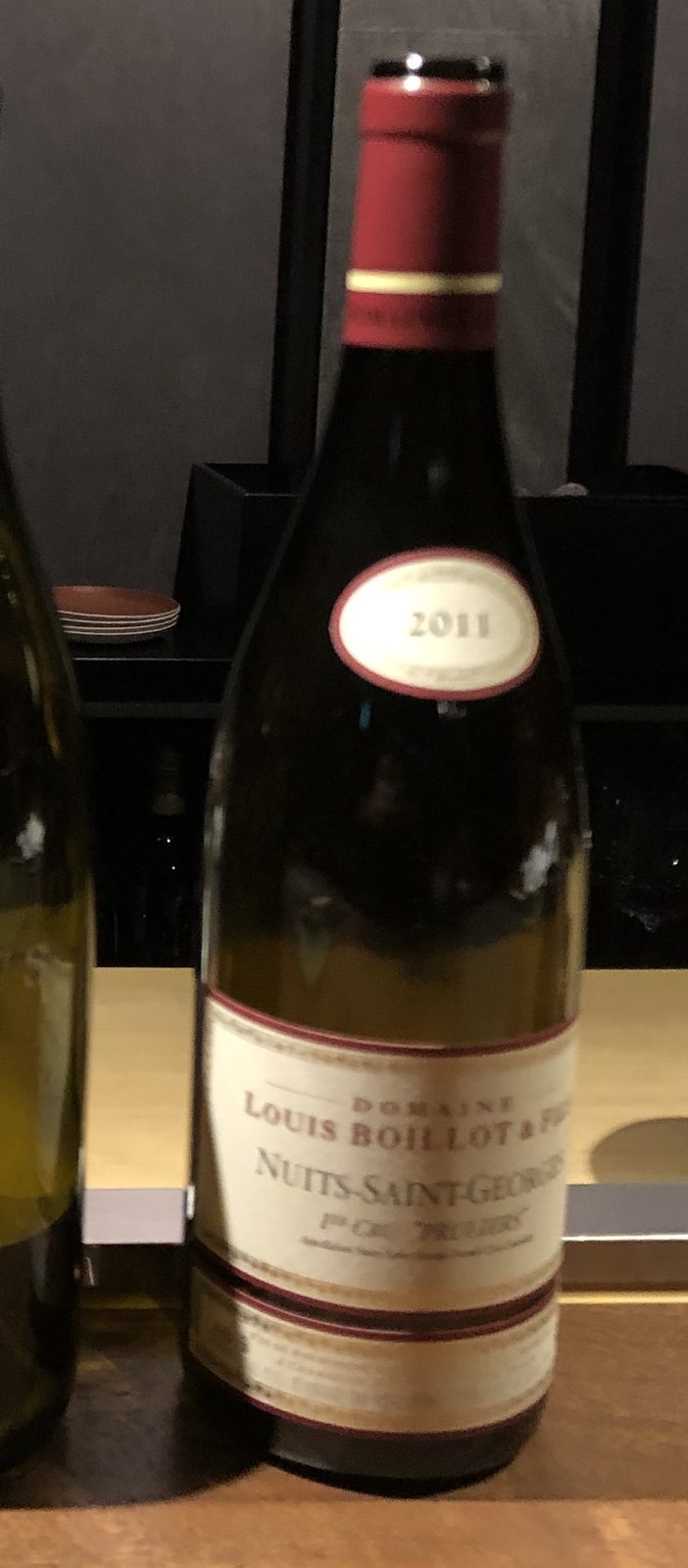
The Boillots are one of those Burgundian families whose name turns up in three villages at once. This branch was in Gevrey-Chambertin, at Domaine Lucien Boillot, where Louis worked with his father and his brother Pierre until the two sons divided the holdings early in the 2000s. Pierre kept the Gevrey name and the Gevrey cellar. Louis took his share of the vines north and south — Fixin, Nuits, Chambolle, Volnay, Pommard, Beaune — and moved to Chambolle-Musigny, where he is married to Ghislaine Barthod. The two domaines share a cellar under the house and a viticulturist, and nothing else; each is vinified and bottled on its own account.
What Louis Boillot brought with him was less a portfolio than a collection of very old vines. The domaine is under seven hectares split across some sixteen wines, and the parcels are small enough that several produce only a few barrels. The one in Les Pruliers is about a quarter of a hectare, planted in the early years of the twentieth century — vines past their hundredth birthday when this bottle was made — and yields somewhere around a hundred and twenty cases in a normal year.
The Serious Side of Nuits
Les Pruliers lies a few hundred metres south-west of the town, on the Nuits side of the appellation rather than the Premeaux side, mid-slope and facing broadly south-east. The soil is a dark red-brown earth over Bathonian limestone with more clay than the crus further south, on account of the Meuzin stream nearby, and the wines are known for it: dark-fruited, firm, tannic in youth, built for the cellar rather than the table. Gouges, Chevillon and Grivot are the names usually attached to the climat, and its reputation is for structure first and charm later.
2011 in the Côte de Nuits was a strange, fast year. A warm April brought flowering in late May; June had a heat spike that scorched some fruit; July turned cool and wet; there was heat again in mid-August, then rain in the last week of it, and the harvest — one of the earliest on record — was mostly done before the first days of September. The reds came in with moderate alcohol, good colour and fresh acidity, lighter than 2010 and less generous than 2009, and with a herbal edge in the lesser sites that the critics seized on. The Côte de Nuits fared better than the Côte de Beaune. A decade on, the general verdict was that the wines had turned out lighter than expected and were, for the most part, ready.
Boillot’s method is the same across the range: everything destemmed, a cool soak of several days, native yeasts, a gentle extraction, sixteen to eighteen months in barrel with well under a third of it new, and bottling without fining or filtration.
In the Glass
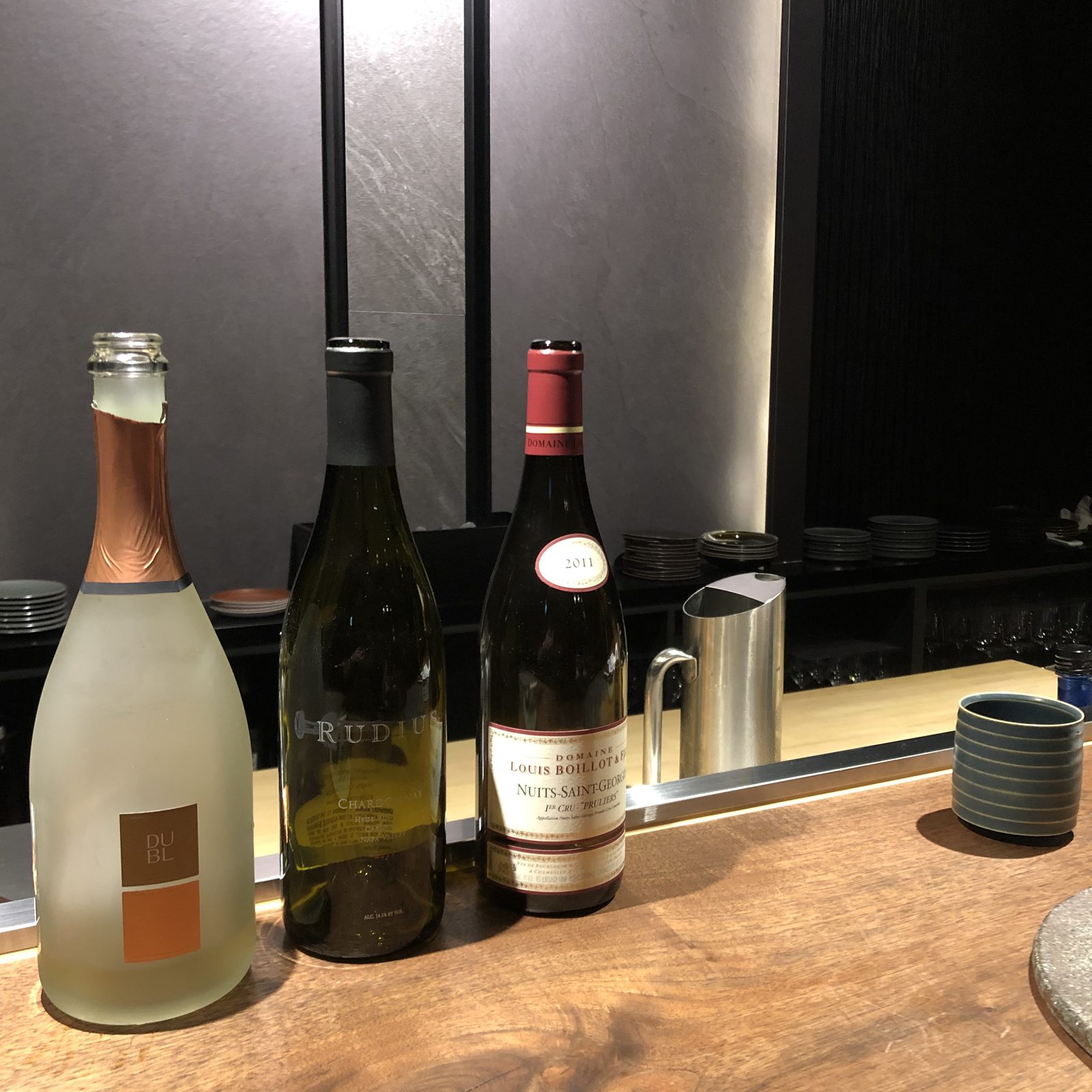
The red of the evening, closing a three-bottle counter that had begun with a Campanian sparkling wine and continued with a Carneros Chardonnay from the same 2011 harvest, on the other side of the world. Nearly ten years from the vintage.
Medium ruby with a touch of garnet at the rim, lighter in the glass than the reputation of the cru would suggest. The nose was earthy and a little reserved at first — sous-bois, dried leaves, leather — and opened to red and black cherry, a herbal tea note, and something like wet stone. The palate was the interesting part: mid-weight, as 2011 tends to be, but with a dense, velvety texture in the middle that made the wine feel fuller than its colour, and behind it the tannins of Les Pruliers, firm and slightly drying, not yet fully resolved. The finish was savoury and long and faintly austere, in the way that Nuits from this side of town usually is.
A structured cru from an early, light year, from vines that have seen a hundred harvests. The domaine’s Côte de Beaune side is elsewhere in this archive — the Volnay Les Angles 2013, from a season that lost most of its crop to hail — and Nuits-Saint-Georges at its two extremes in the Liger-Belair Aux Cras 2015, at the Vosne border, and the Clos de l’Arlot 2017, down in Premeaux — and, from the same 2011, Prieuré-Roch’s Clos des Corvées, the walled monopole a few hundred metres south.