The Hole in the Map
Le Clos du Caillou Côtes-du-Rhône Les Quartz 2016
- Producer
- Le Clos du Caillou
- Appellation
- Côtes-du-Rhône
- Grapes
- Grenache, Syrah
- Tasted
- 10 July 2021
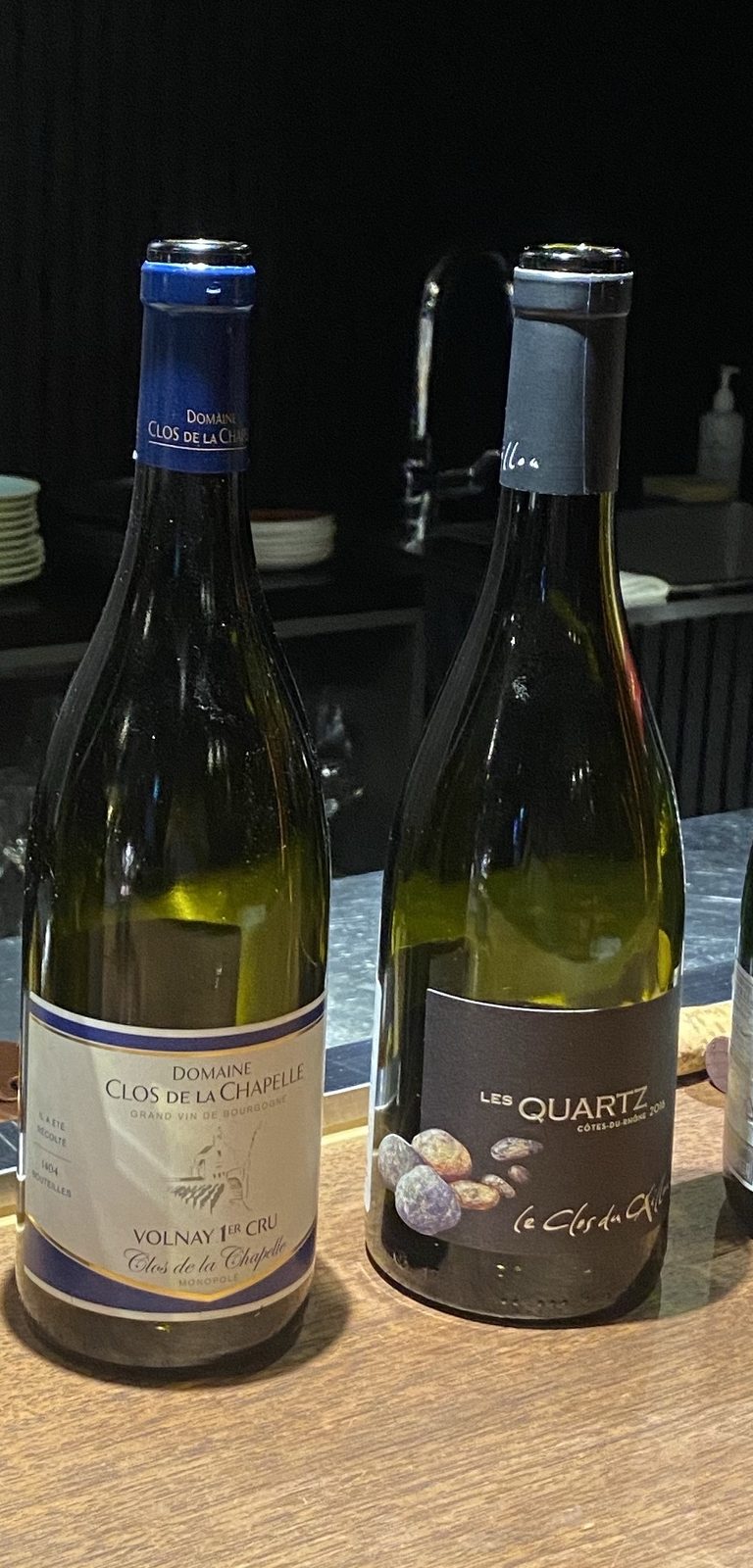
Look at a map of the Châteauneuf-du-Pape appellation and there is a blank space inside it, near Courthézon on the north-eastern side. It is not a village or a road. It is Le Clos du Caillou, or the walled part of it, and the blank is the result of an afternoon in 1936 when the surveyors sent to fix the limits of the new appellation arrived at the gate of what was then a private hunting preserve and were told, by armed gamekeepers, to leave. They did, and drew their line around the walls. Everything inside remained Côtes-du-Rhône, and still is, though the vines stand on exactly the same rolled quartzite stones as the Châteauneuf parcels on the other side of the wall.
Claude Pouizin bought the wooded property in the mid-1950s and cleared it for vines; his wife Colette began bottling in the 1970s; their daughter Sylvie and her husband Jean-Denis Vacheron, from the Sancerre family of that name, took it over in the mid-1990s. Jean-Denis died in 2002, and Sylvie Vacheron has run the estate since, with the winemaker Bruno Gaspard. The farming went biodynamic in the early 2000s and was certified organic by 2010. Around four-fifths of the vines are over fifty years old.
Stones and Sand
Les Quartz takes its name from the galets roulés — the pale, rounded quartzite pebbles that cover the surface of the parcels inside the clos, over a sandy soil and a subsoil of compacted sand. The stones take the sun by day and give the heat back at night; the sand underneath is what keeps the wines from turning heavy. The parcels sit next to the lieu-dit that supplies the estate’s Châteauneuf of the same name, on more or less identical ground. The cuvée is mostly Grenache with a share of Syrah, destemmed, fermented separately in concrete on wild yeasts with a long maceration, then raised for something over a year — the Grenache in large wooden vats and foudres, the Syrah in older barrels.
2016 was the vintage the southern Rhône had been waiting for. A mild winter and a cool spring, then a hot, dry summer with wide swings between day and night, and a harvest that began at the end of August and ran for three weeks in fine weather. The year gave power and freshness at once, which is the combination the region most often fails to achieve, and it was quickly filed with the reference vintages. In this bottle, Grenache made up about eighty-five percent, with the maceration running past a month.
In the Glass
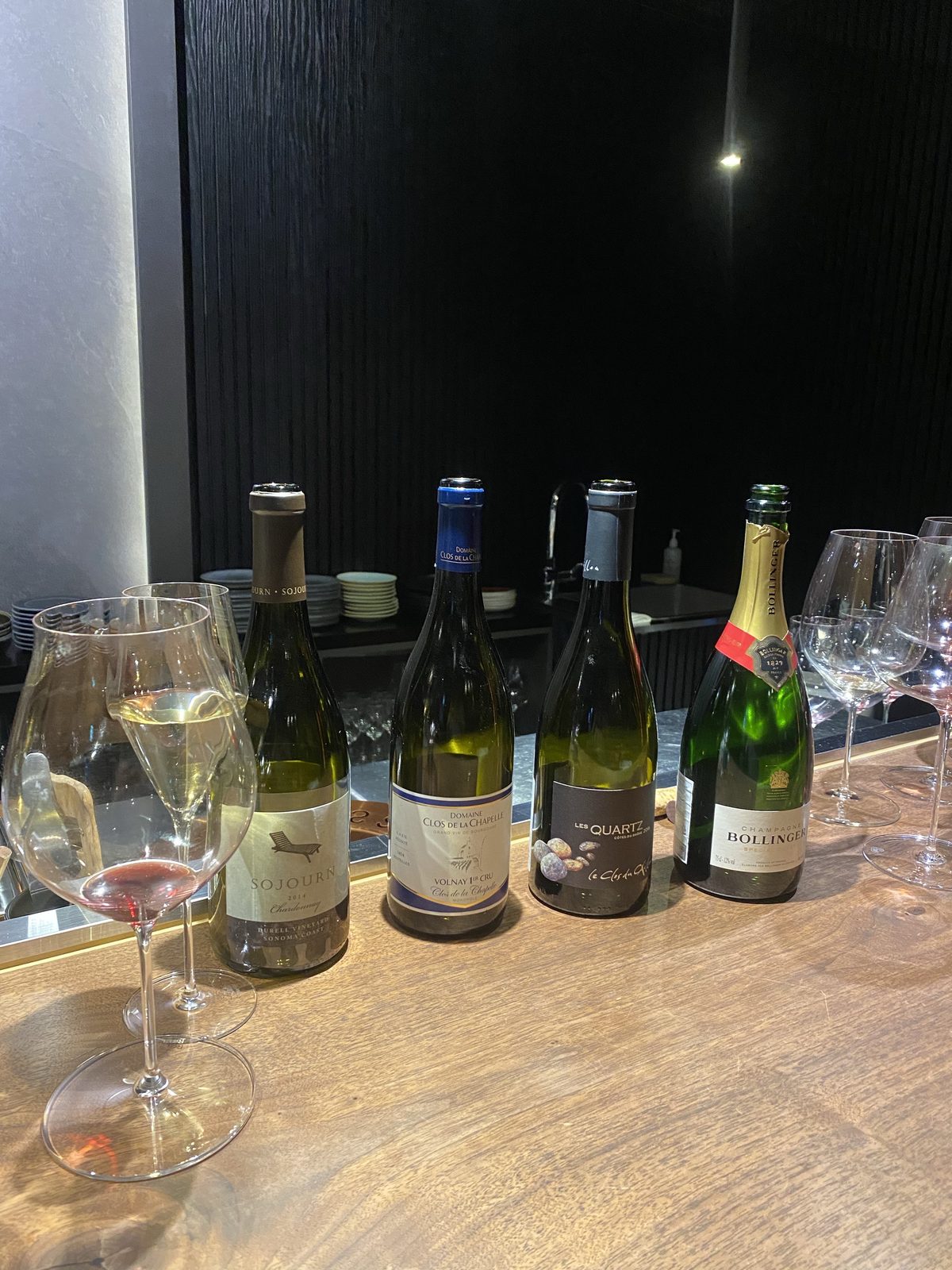
The red on a counter of four, after a Sonoma Coast Chardonnay and a Volnay premier cru, with a Bollinger alongside. Nearly five years from the harvest.
Deep ruby, still youthful. The nose was Grenache in the southern manner — black cherry and raspberry liqueur, fig, a lift of garrigue herbs and white pepper, licorice behind — with a flinty, almost smoky mineral edge that seemed to come off the stones rather than the fruit. The palate was full and warm but not heavy: the sand under the pebbles did its work, and the tannins were silky with a firm line underneath. The finish carried the pepper and licorice a long way and ended fresh, which is the signature of the year.
A Châteauneuf in everything but the name on the label, from the year that flattered the whole region. Other Rhône in this archive comes from the north — the Jaboulet La Chapelle 2012 and the Delas La Landonne 2012 — and from the same appellation at its everyday, white end, the Guigal Côtes du Rhône blanc 2016.