A Patient Year, Twenty-One Years On
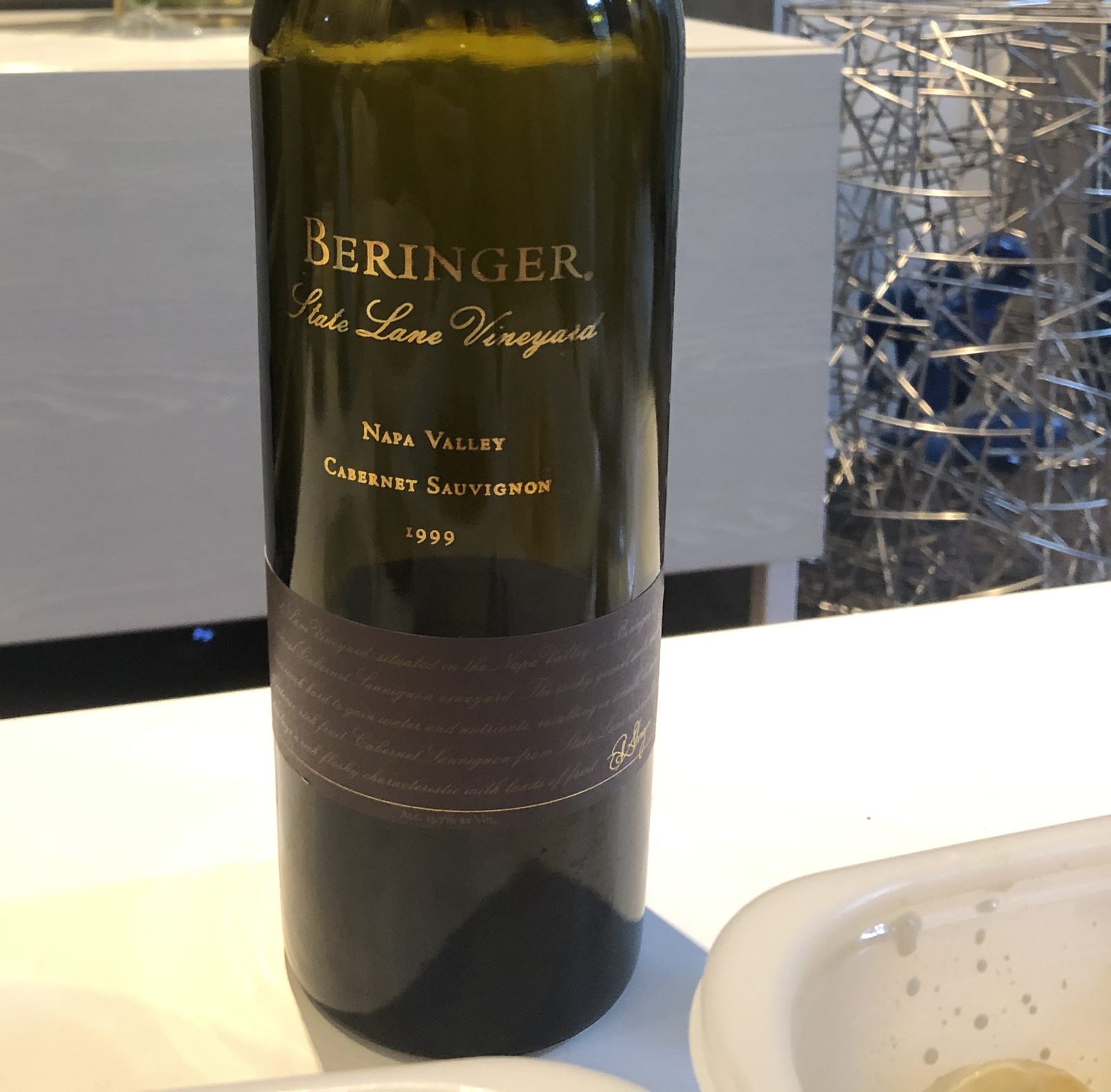
Beringer State Lane Vineyard Napa Valley Cabernet Sauvignon 1999
- Producer
- Beringer Vineyards
- Appellation
- Napa Valley
- Grapes
- Cabernet Sauvignon
- Tasted
- 27 October 2020
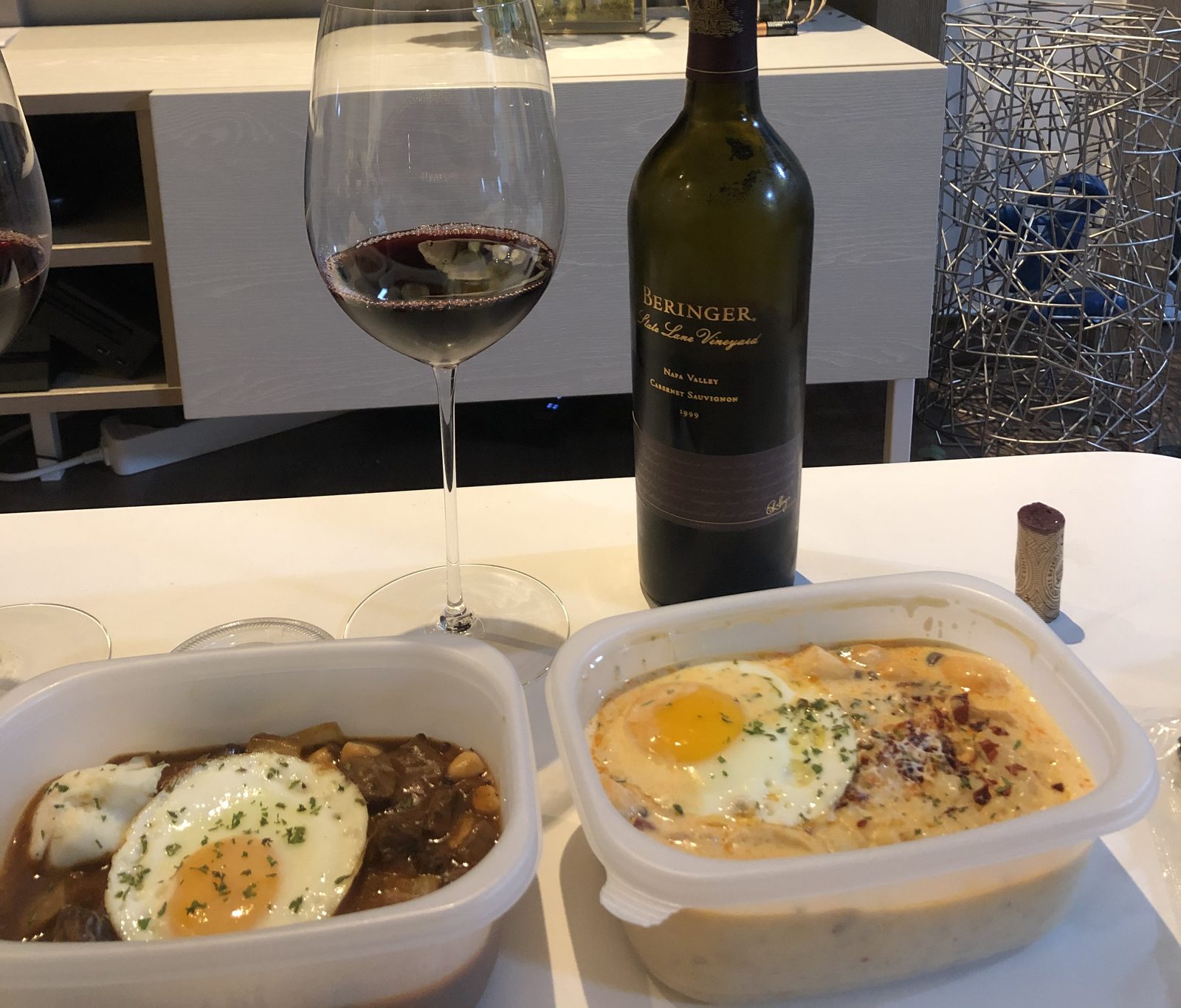
Beringer was founded in St Helena in 1876, which makes it older than most of the vineyards it now draws on and considerably older than the idea of Napa Cabernet as a serious proposition. For most of its modern history the winery’s reputation has rested on a single wine — the Private Reserve Cabernet Sauvignon, assembled from a shortlist of sites the cellar had learned to trust.
State Lane was one of those sites. It sits in Yountville, on the valley floor south of the winery itself, and it was among the vineyards feeding the Private Reserve in the programme’s early years, alongside the Home Ranch and the Lemmon Ranch that later became Chabot. In the 1990s Beringer began bottling several of these vineyards separately, which is how a Yountville parcel that had spent years anonymous inside a blend acquired a label of its own.
The Long Tenure
Ed Sbragia arrived at Beringer in 1976 as assistant to Myron Nightingale, became winemaker in 1984, and stayed until 2008 — thirty-two years at one address, which in California is closer to a Burgundian career than an American one. The Private Reserve was launched during his early years under Nightingale, and the single-vineyard bottlings were an extension of the same instinct: if certain blocks were reliably carrying the blend, they might be worth hearing on their own.
1999
The season began cool and stayed that way. Winter and early spring ran below average with rain continuing into late April; budbreak and flowering came late and dragged out, with Cabernet in Napa still flowering well into June. June, July, August and most of September were cooler than normal, broken only by short heat spikes in mid-July and again at the end of August.
Then the last week of September turned hot, and that was the vintage. The heat finished what the long cool summer had started, and the fruit came in with concentrated flavour and — because of all those cool months — acidity that a warm year would have burned off. 1999 was the middle of three cooler Napa vintages, and it carried more density and more structure than either 1998 before it or 2000 after.
Wines like that are not obvious young. They are built the way wines meant to last are built, and they ask for the one thing the market least likes to give.
In the Glass
At twenty-one years the wine had crossed fully into its tertiary phase without losing its frame. Cassis and black plum had receded into the background rather than disappeared, and in front of them sat dried herb, cedar, tobacco leaf and a faint earthiness. The tannins had long since resolved; what held the wine upright was the acidity, still perceptibly there, doing the job it had been given by a cool summer two decades earlier.
That is the argument for the vintage in a single glass. A hot year would have delivered more flesh at ten years and less at twenty. This one deferred the payment.
The Table
It was drunk at home on a weeknight, out of takeaway containers — rice under braised beef with a fried egg, a cream pasta, a third dish beside them. Two glasses, no ceremony, the cork standing on the counter where it had been set down.
There is a version of wine writing in which a bottle like this requires an occasion. It did not get one, and was none the worse for it.