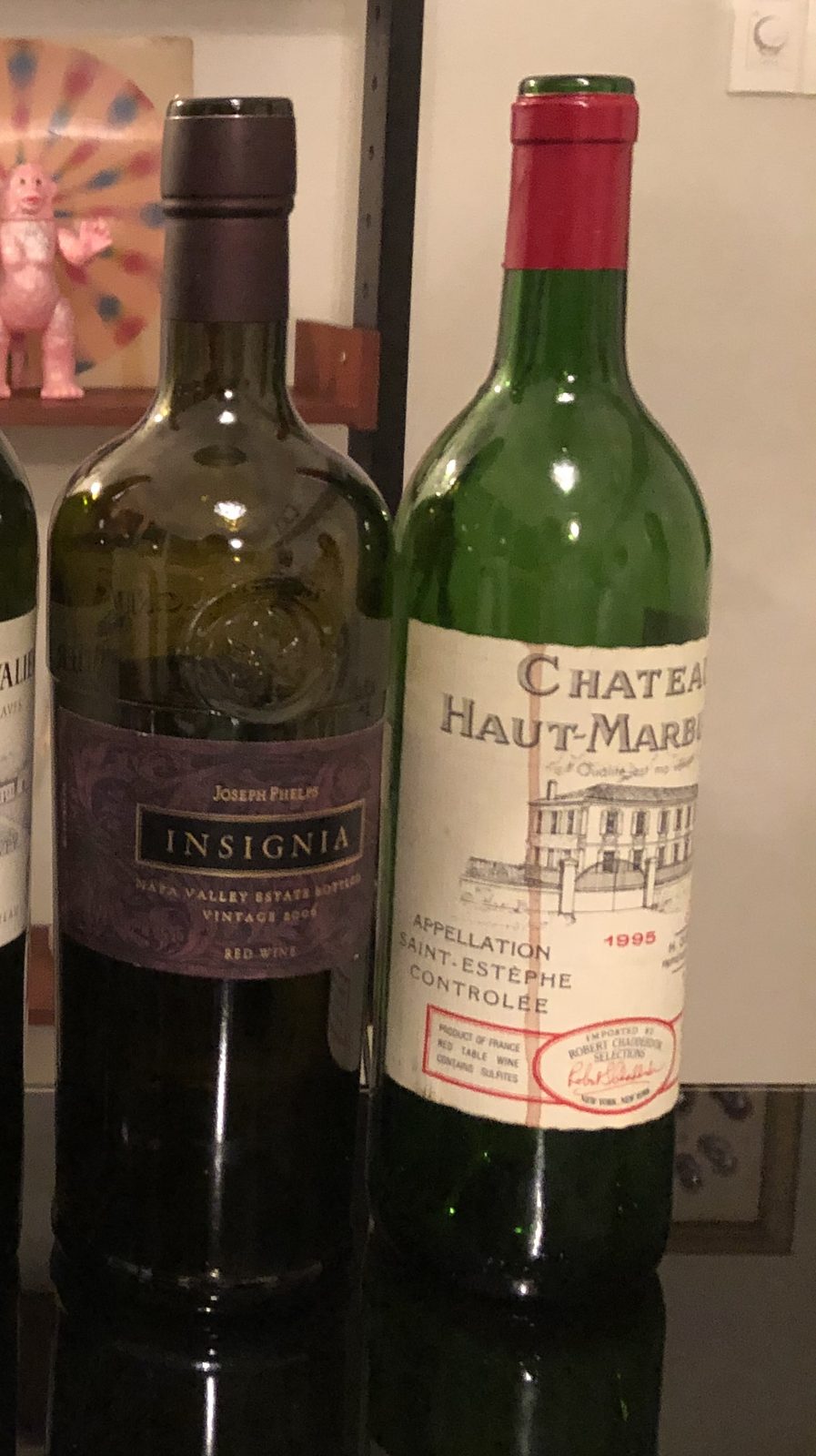
Ninety-Five Percent Cabernet
California's first proprietary Bordeaux blend, in a year when the blend was almost entirely one grape. Six estate vineyards, two years in new oak, and a cool, late vintage that rewarded patience — opened at fifteen.
a fine wine tasting archive
18 notes
California's first proprietary Bordeaux blend, in a year when the blend was almost entirely one grape. Six estate vineyards, two years in new oak, and a cool, late vintage that rewarded patience — opened at fifteen.
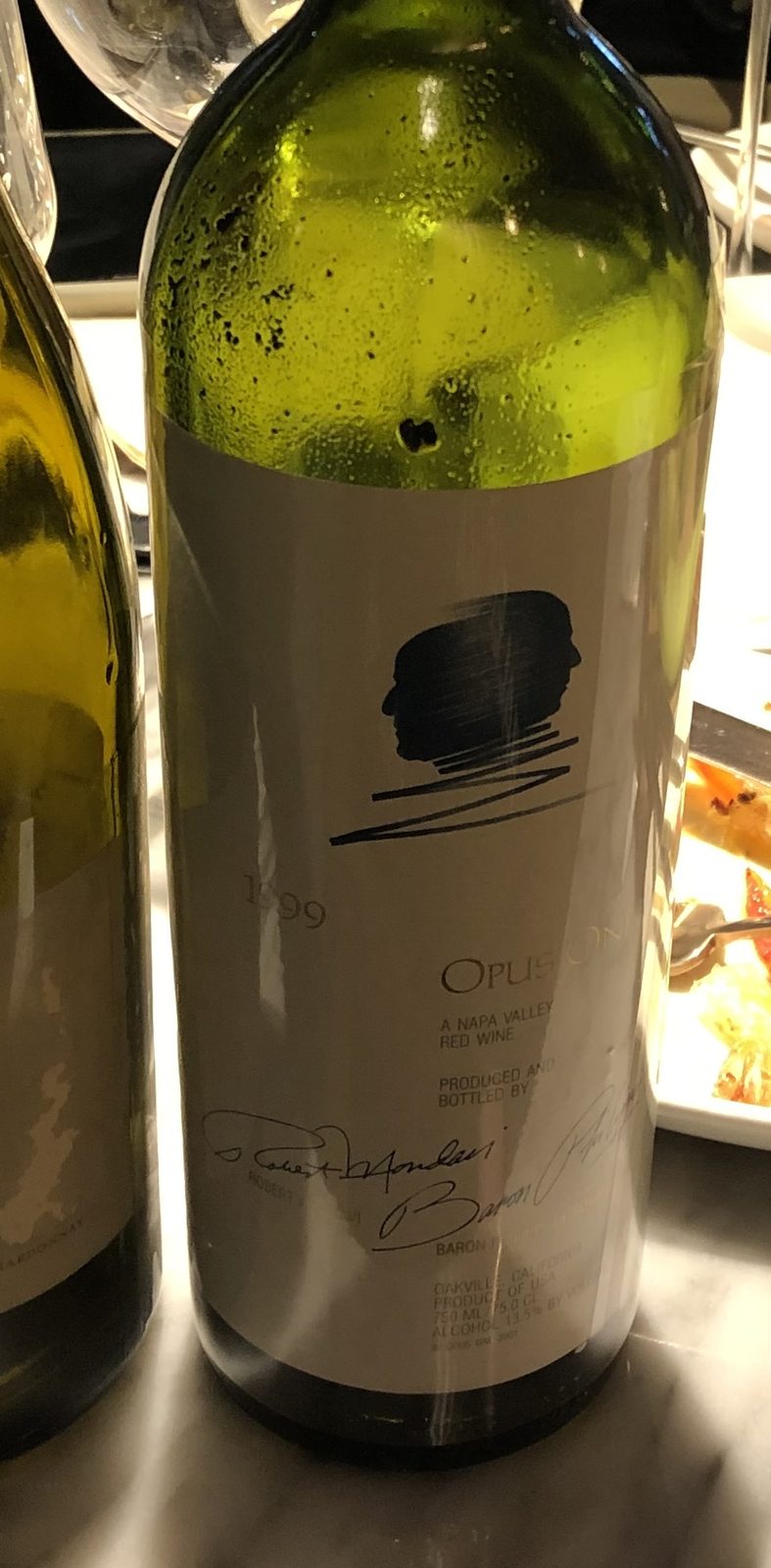
Two profiles face each other on the label and two signatures sit beneath them. In 1999 the wine was still being made jointly by Tim Mondavi and Patrick Léon, a cool late season on both their terms.
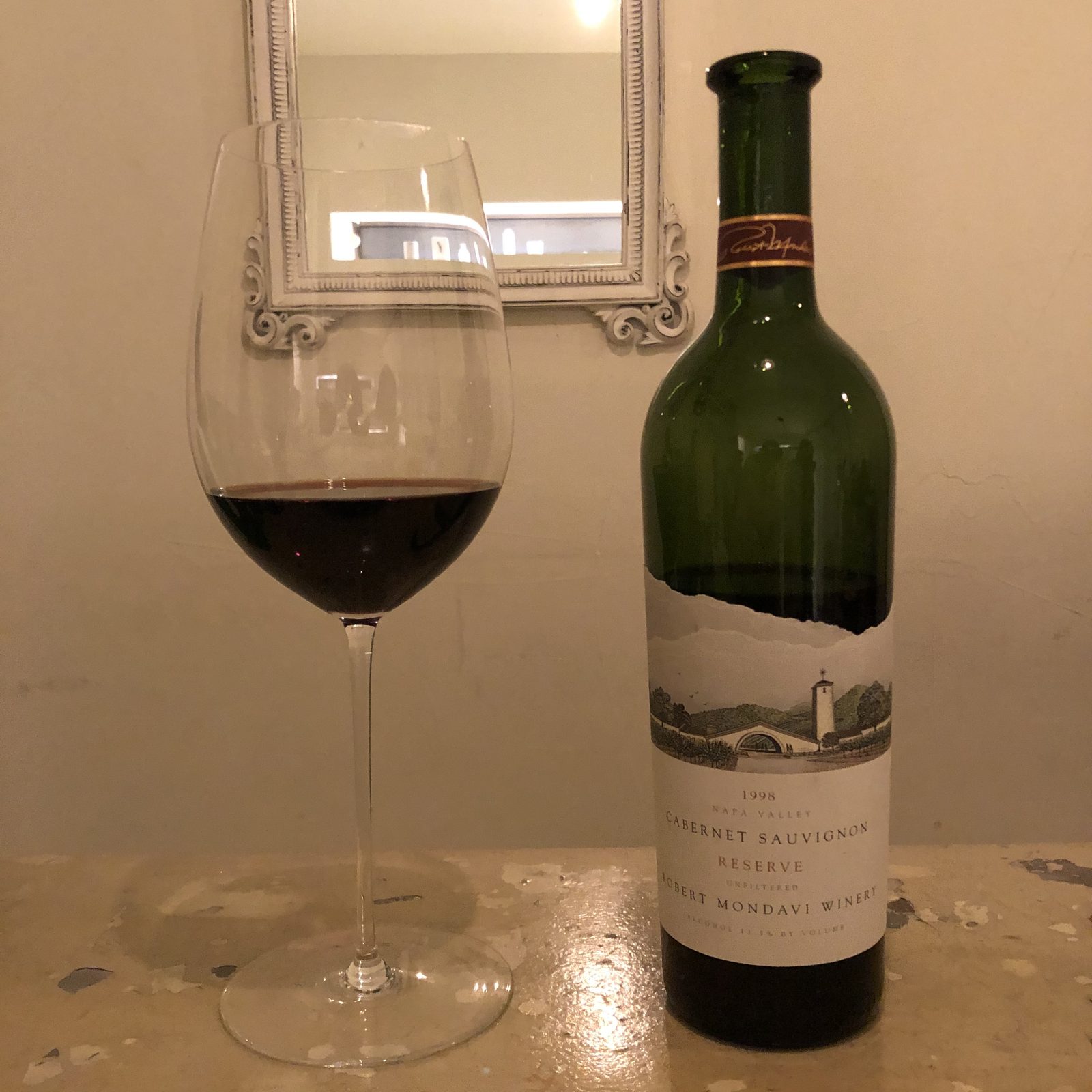
El Niño gave Napa twice its normal rainfall, eighteen frost nights and a cold bloom. The 1998 Reserve was written off almost on release. At twenty-three years it had the last word.
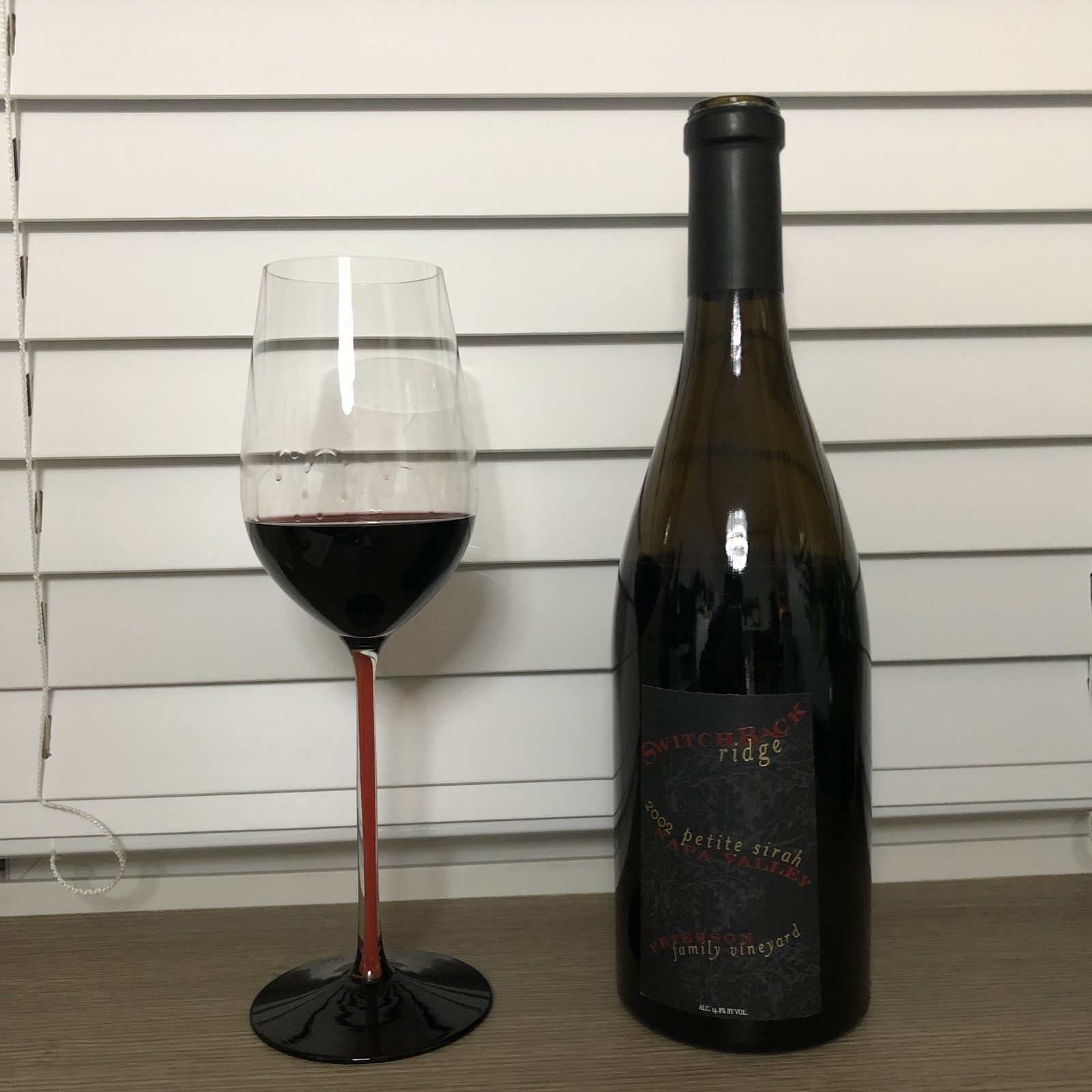
Petite Sirah is the grape Napa uses for colour and tannin and rarely bottles on its own. A single-vineyard version from Calistoga, made by Bob Foley, opened at eighteen years to see what the tannin had turned into.
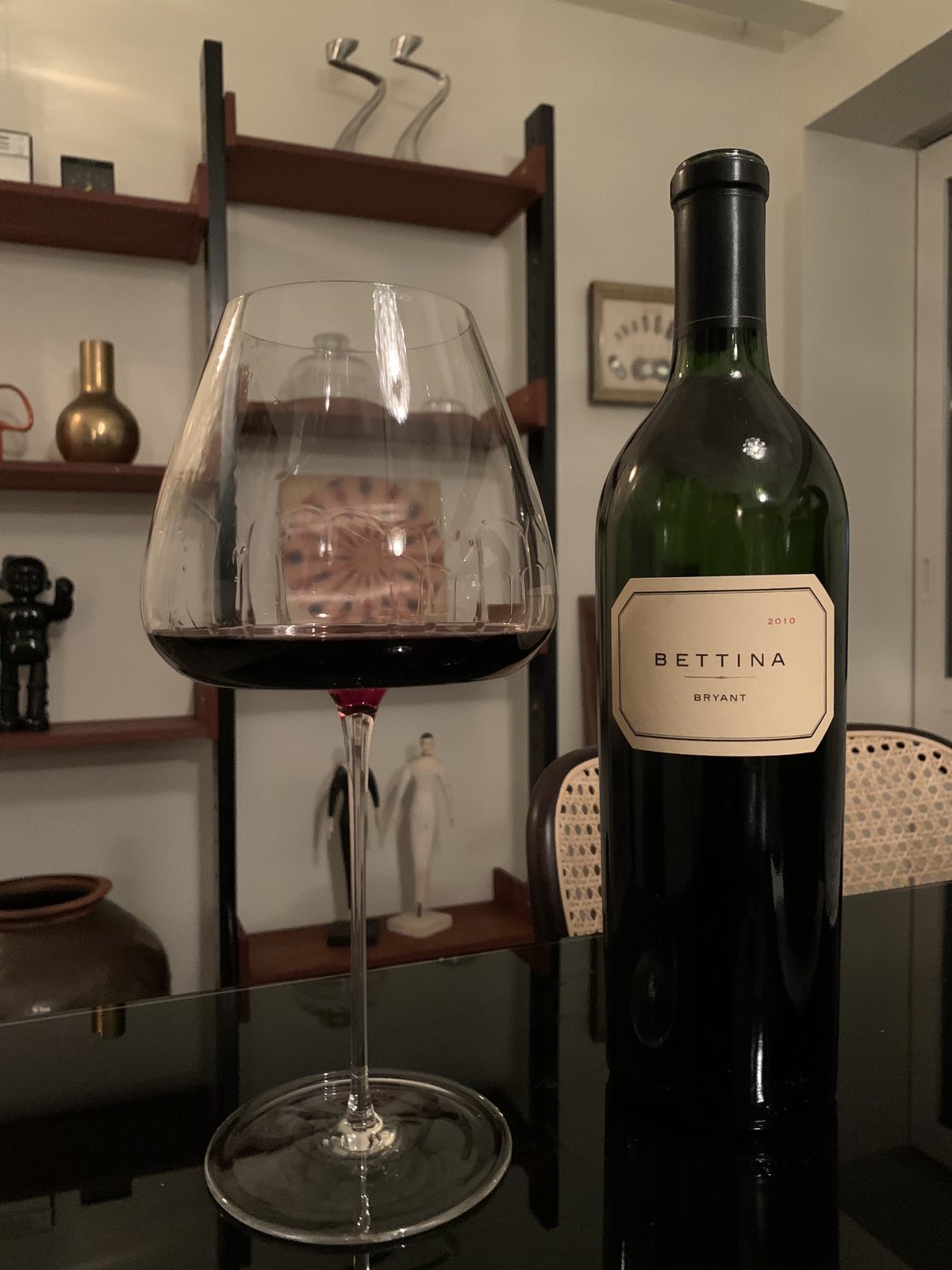
Bryant's estate Cabernet comes from one vineyard on Pritchard Hill. Bettina comes from three vineyards that belong to somebody else — David Abreu's — and is named for the owner's wife. The last bottle of a long evening.
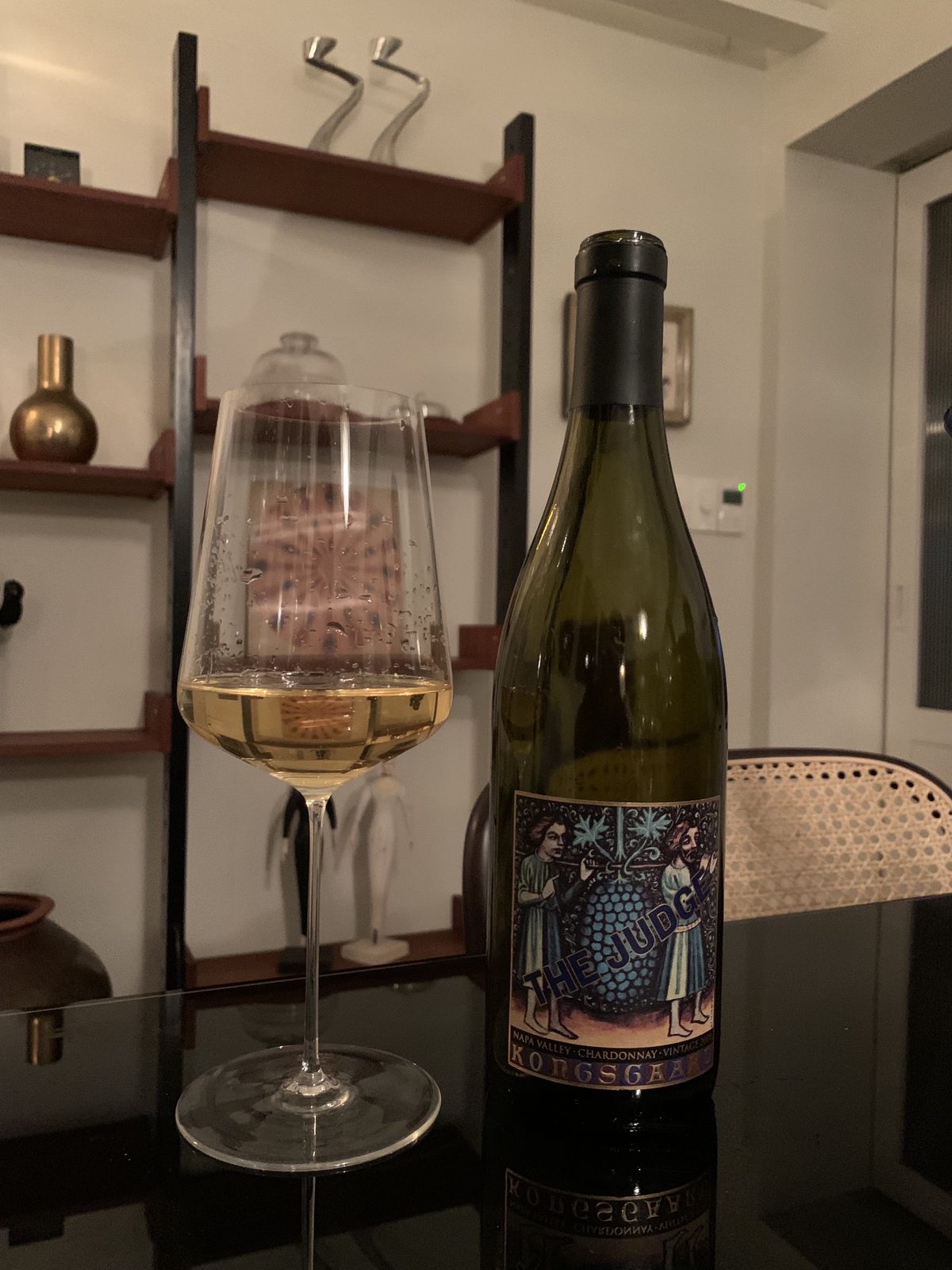
John Kongsgaard lets his Chardonnay ferment for the better part of a year, watches it go through a stage that smells like something has gone wrong, and waits. The vineyard is named for his father, who was one.
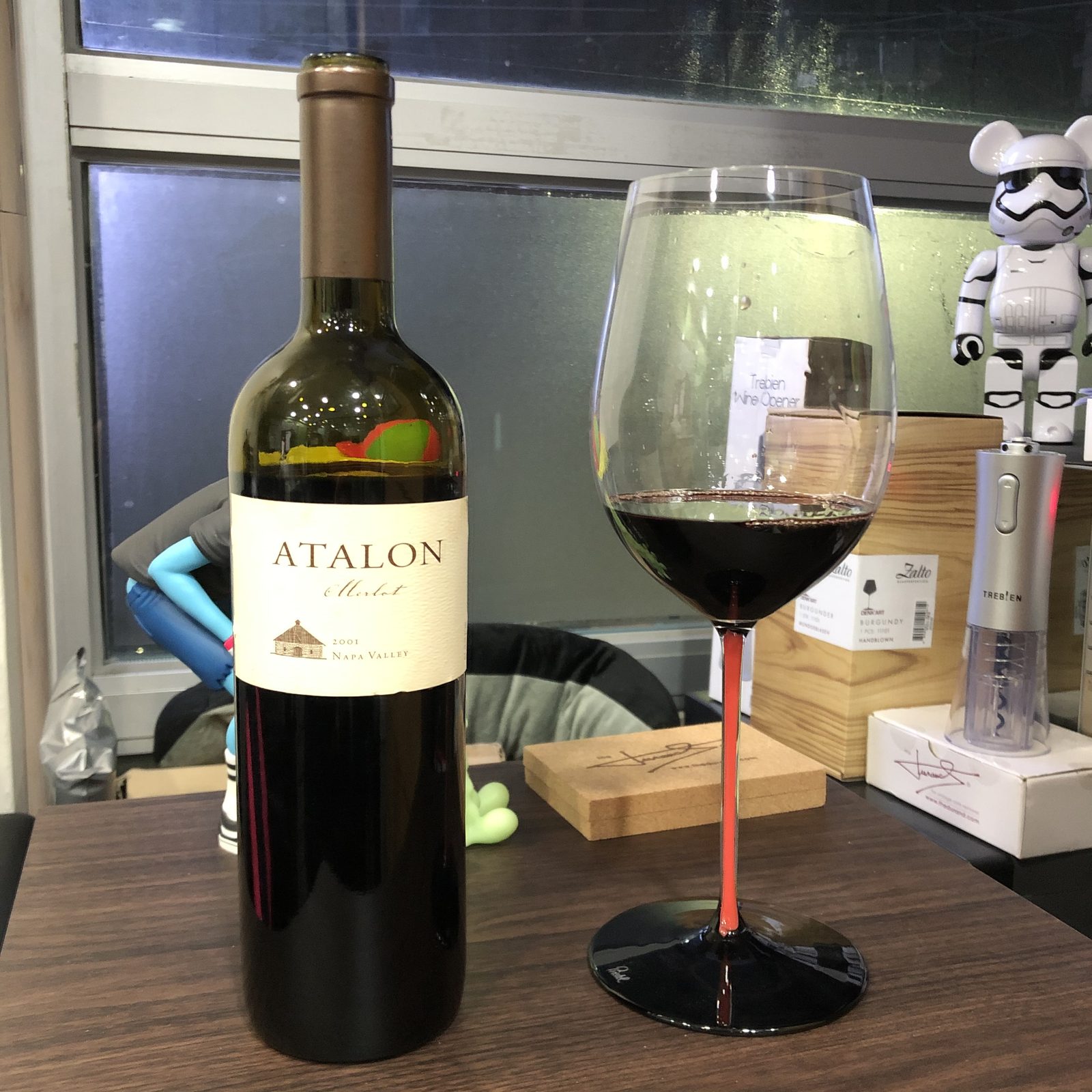
Atalon was Jess Jackson's attempt at a serious Napa label — mountain-fruit Merlot and Cabernet, launched in 1997, quietly folded years later. The 2001 outlived the brand by a wide margin.
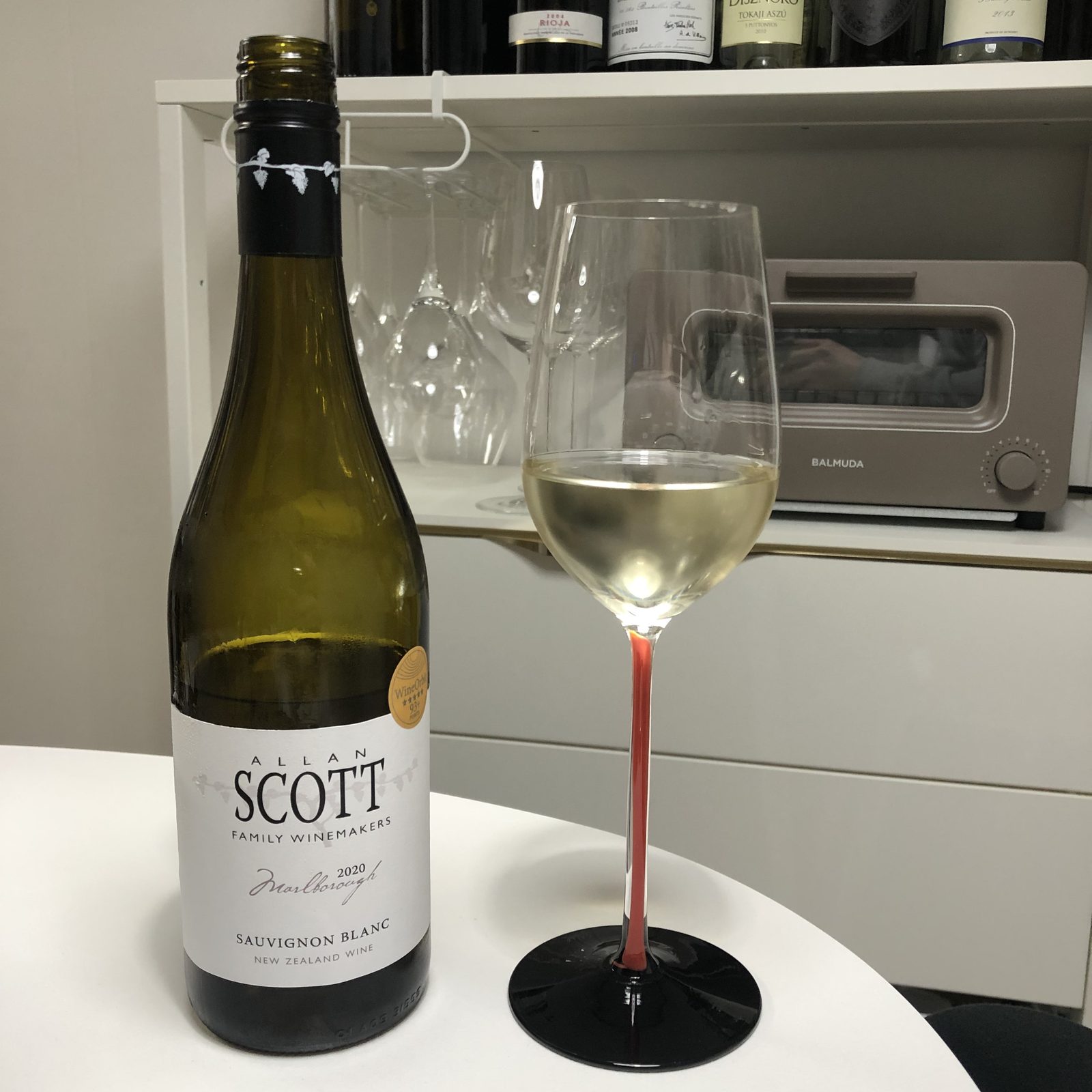
A Napa vintage that spent two decades being skipped over, opened at exactly twenty years — on a table where the other open bottle was from 2020.
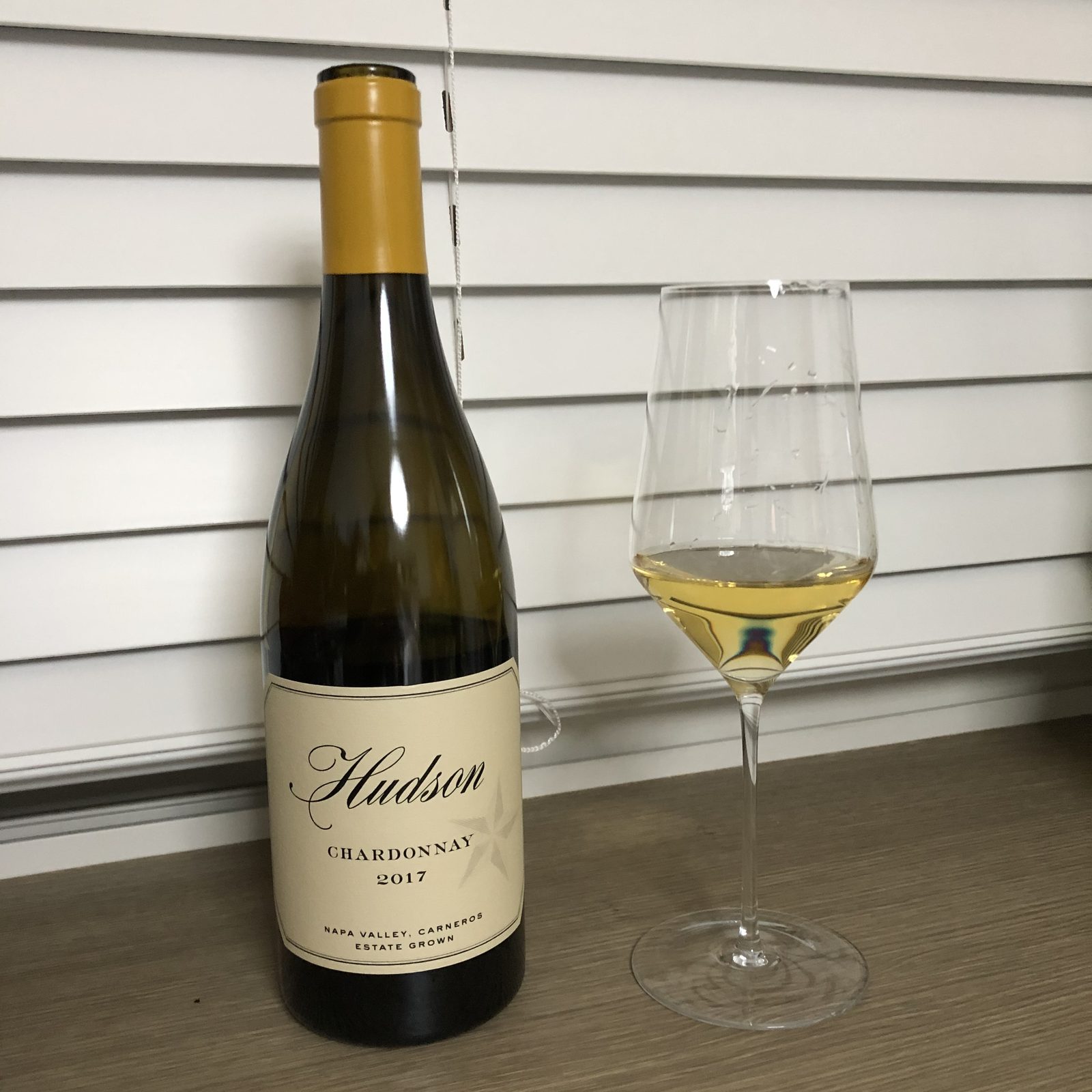
A week earlier the 2018 had been on the table — a cool year picked in October. The 2017 is its mirror image: a Labor Day heat wave, a rushed pick, a crop down by a fifth.
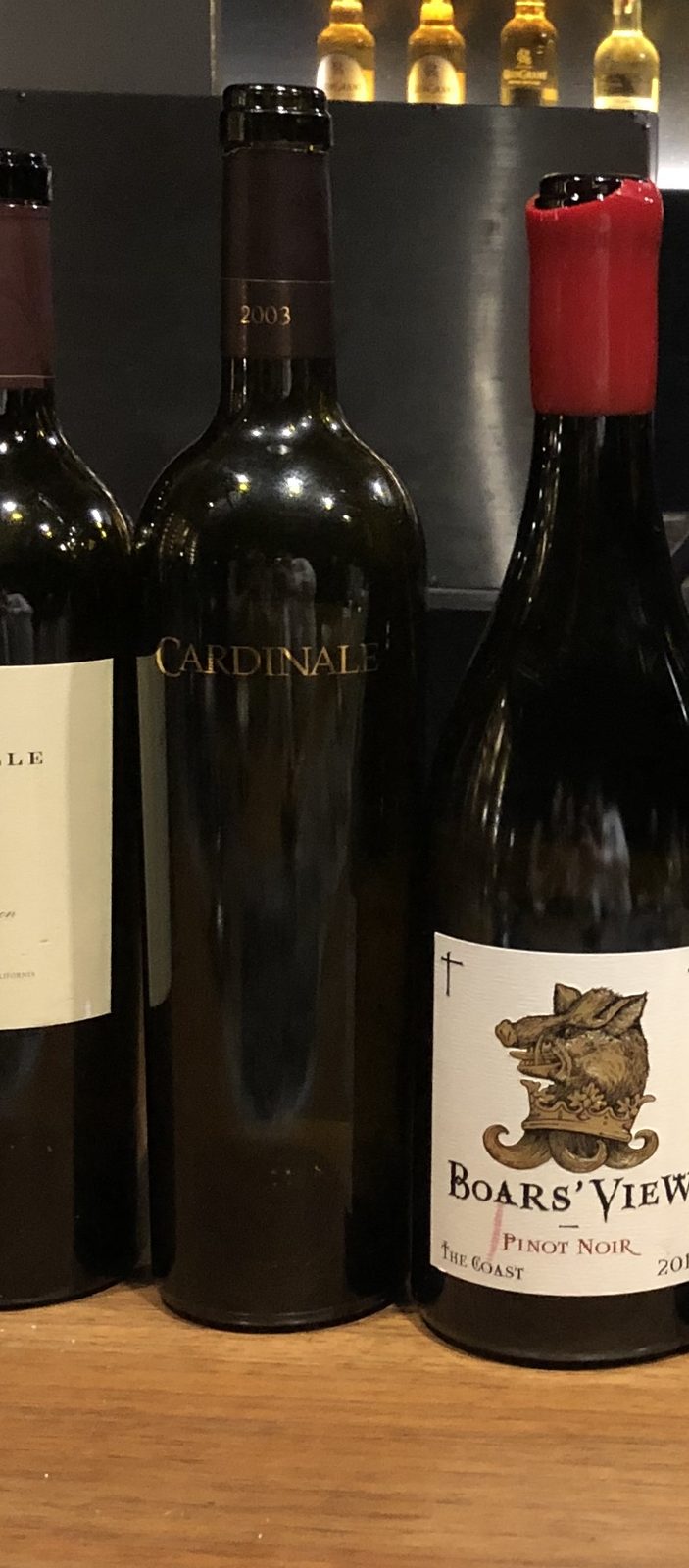
No vineyard name on the label, and no fixed vineyard behind it either. Cardinale is reassembled from scratch every year out of mountain fruit, and the 2003 came from four sites that have almost nothing in common.
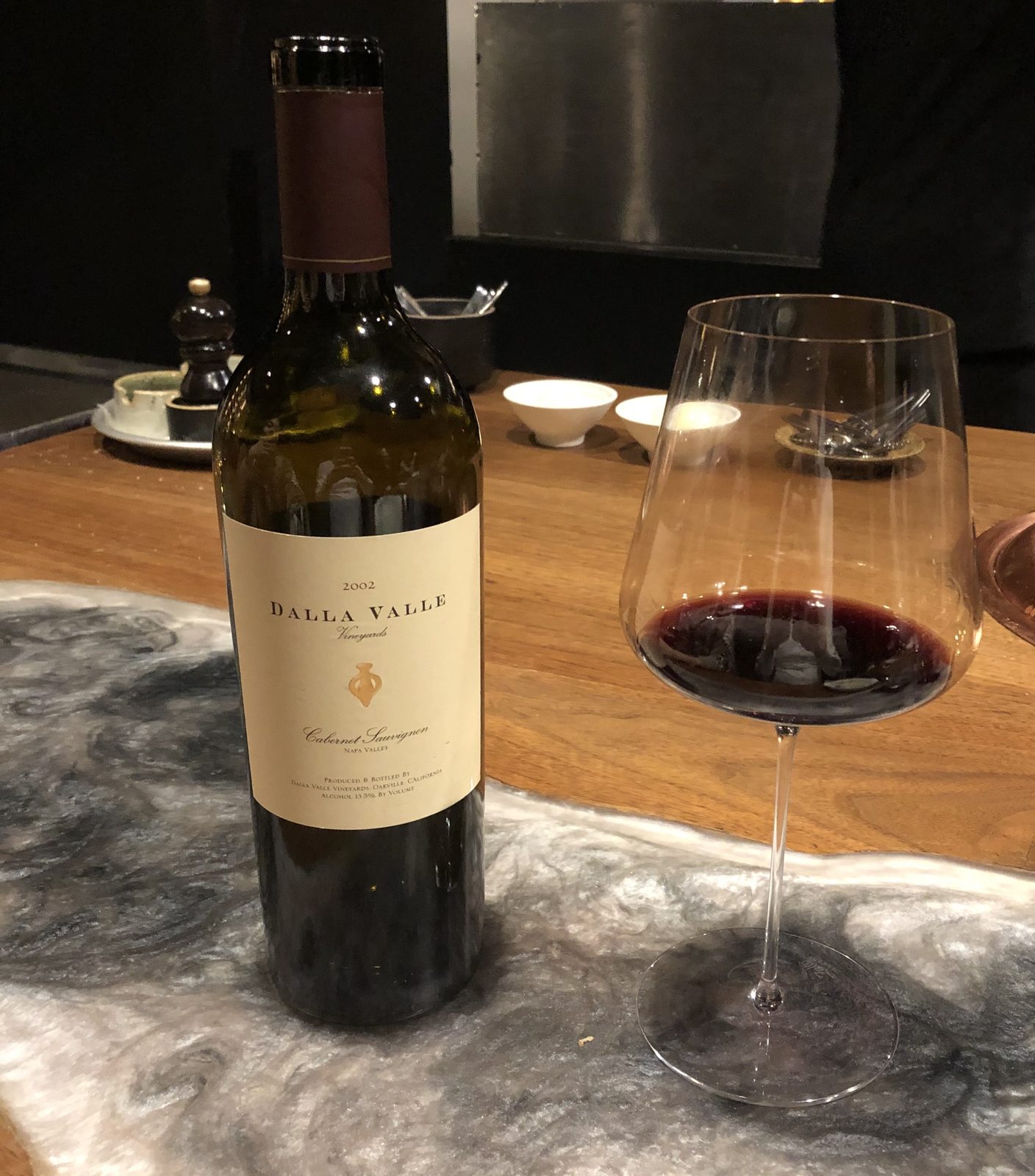
Twenty-one acres on a volcanic shelf above the Silverado Trail, and an estate that had already lost its founder. The 2002 sits on the hinge between two eras at Dalla Valle — the last stretch before Michel Rolland arrived.
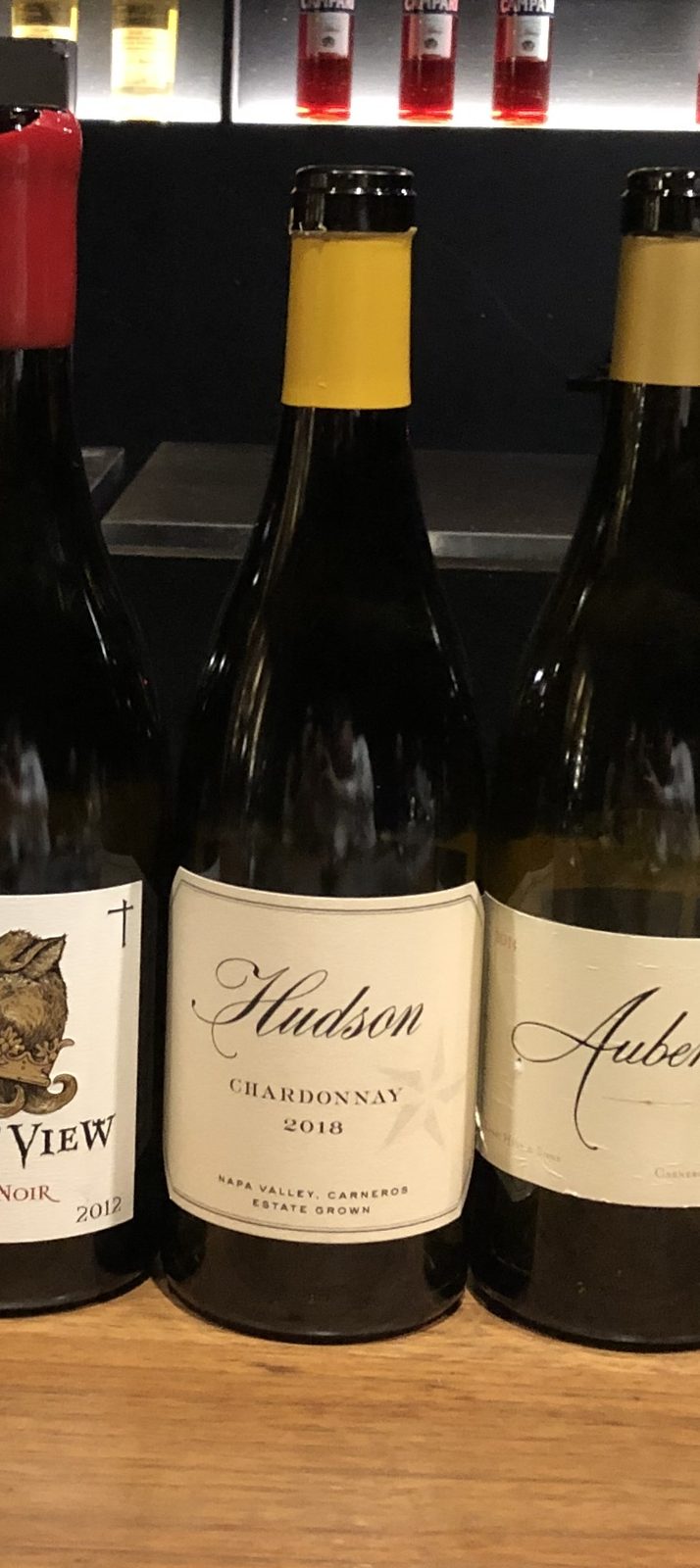
Hudson Ranch spent decades as the name on other people's labels. The estate bottling comes from the same Carneros blocks, in a year cool enough that the Chardonnay came in during October.
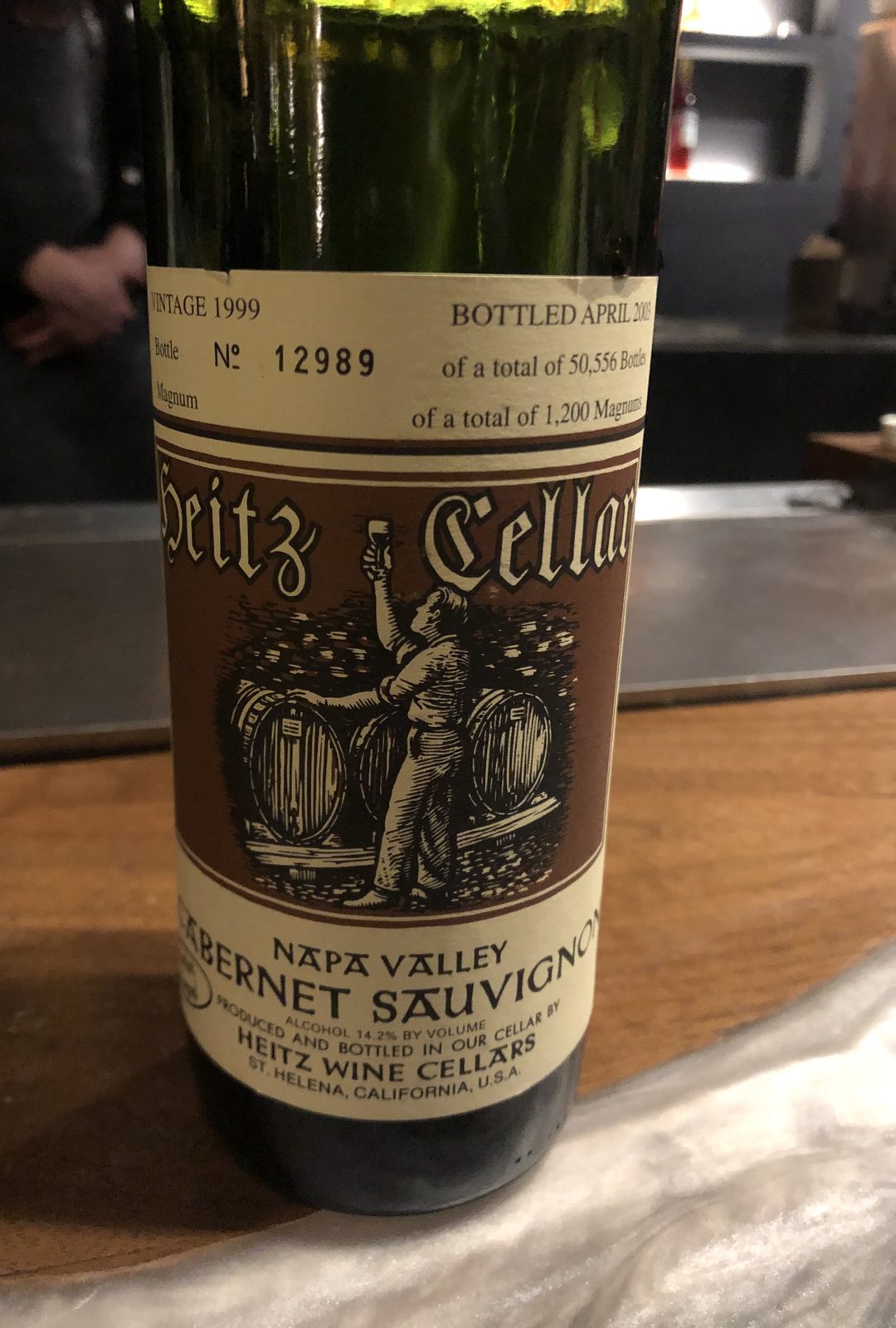
The neck label says magnum number 12,989, one of twelve hundred. Twenty-one years on, the 1999 Napa Valley bottling was still holding the cool, European shape that vintage is remembered for.
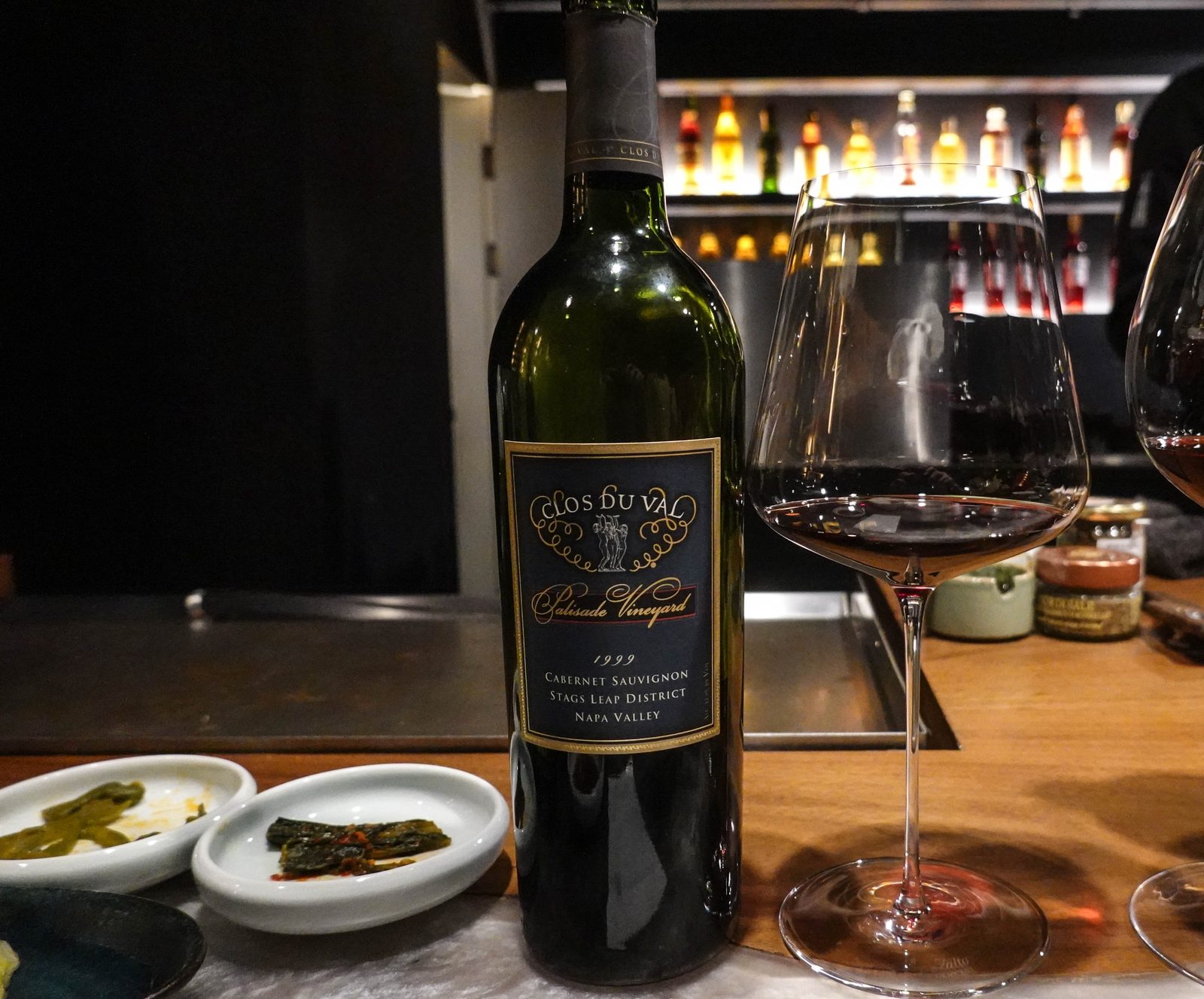
The home vineyard behind Clos du Val's Stags Leap Cabernet, bottled under its own name in a cool vintage that turned hot at the last moment. Twenty-one years on, the acidity was still the load-bearing element.
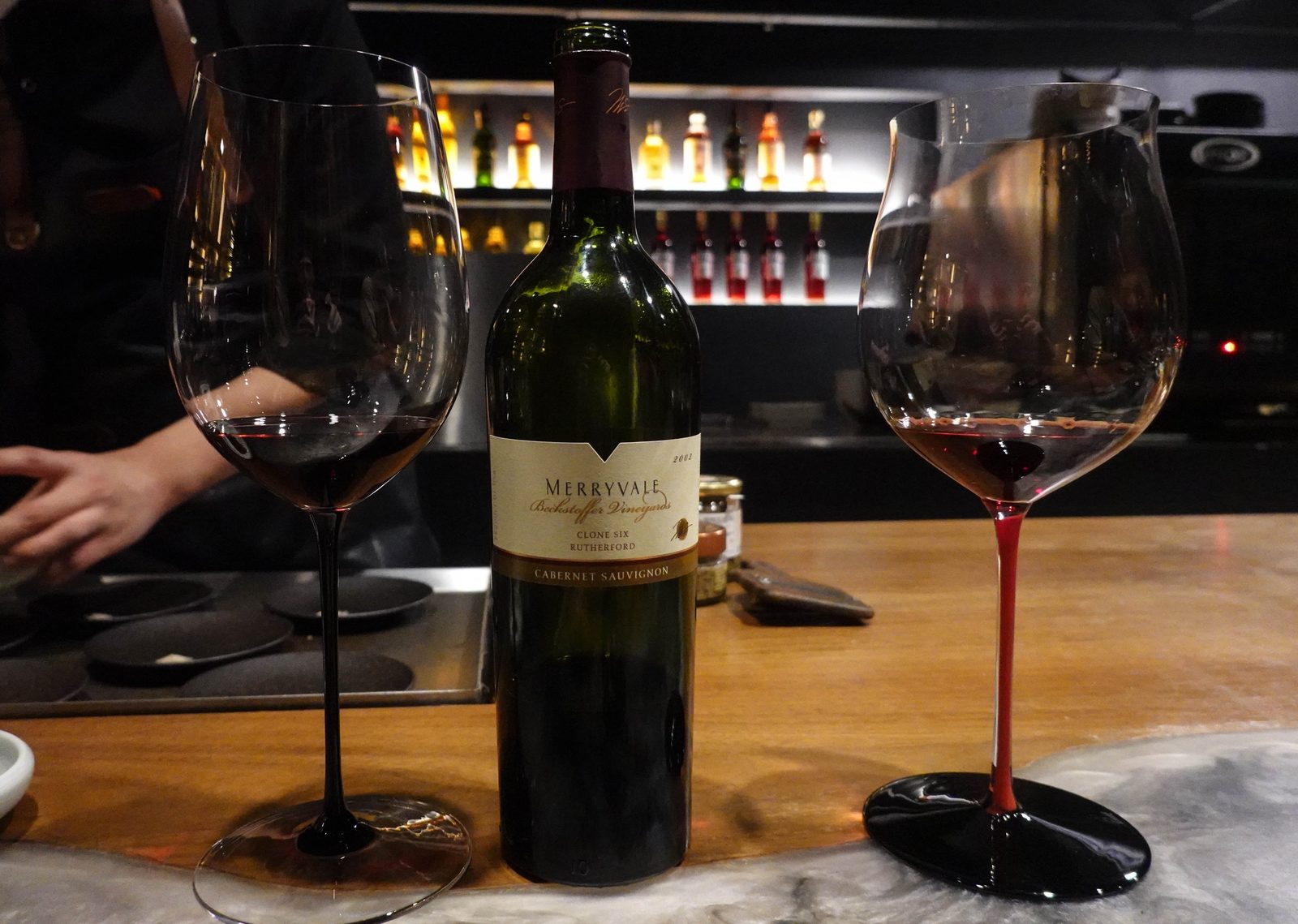
Grower on the label, appellation on the label, and where the vineyard name would normally go, a clone number. An unusual way to describe a wine, and an accurate one.
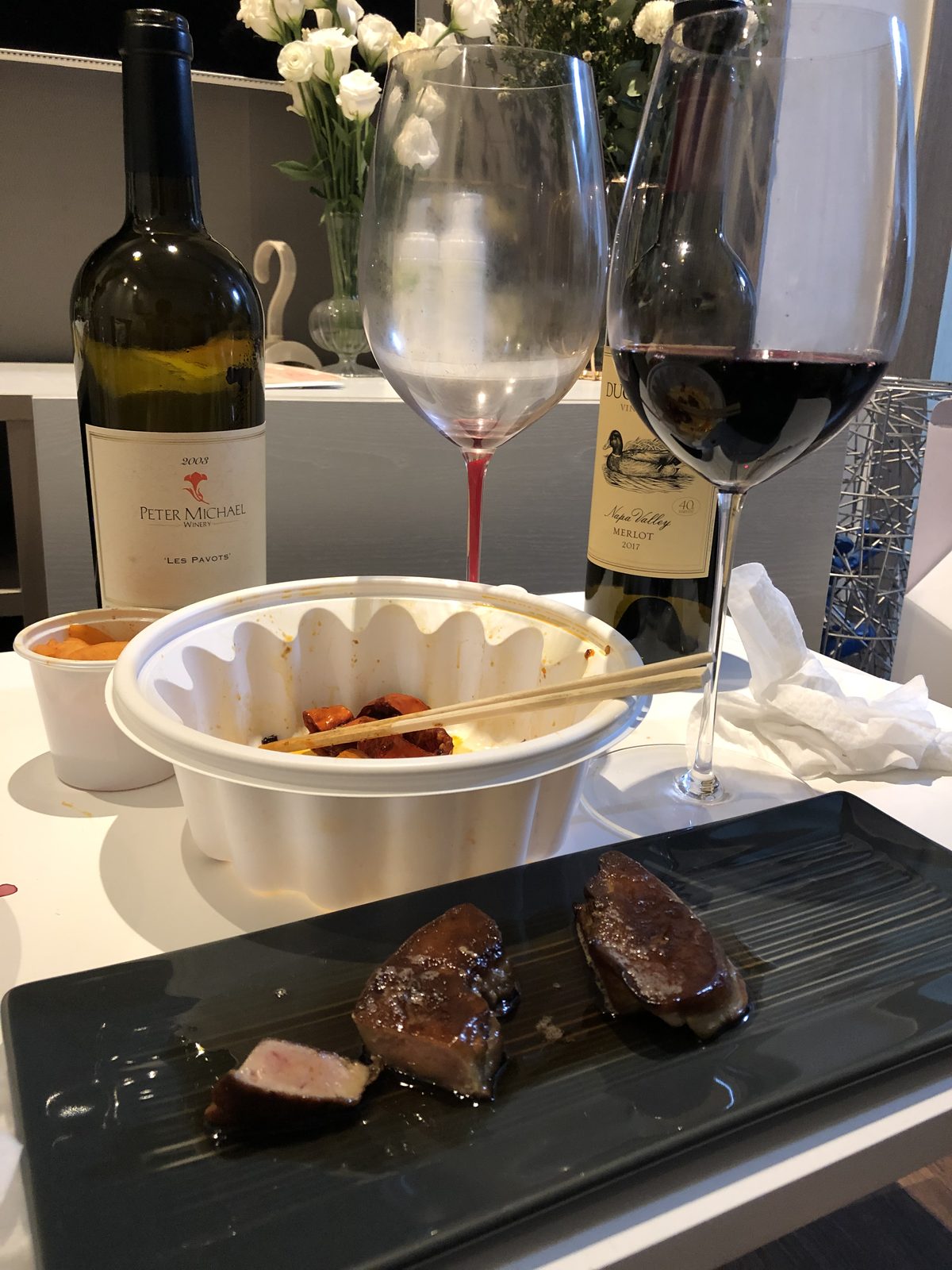
2017 is the Napa vintage people remember for the October fires. Merlot ripens ahead of Cabernet, and in that year the difference of a few weeks was the whole story.
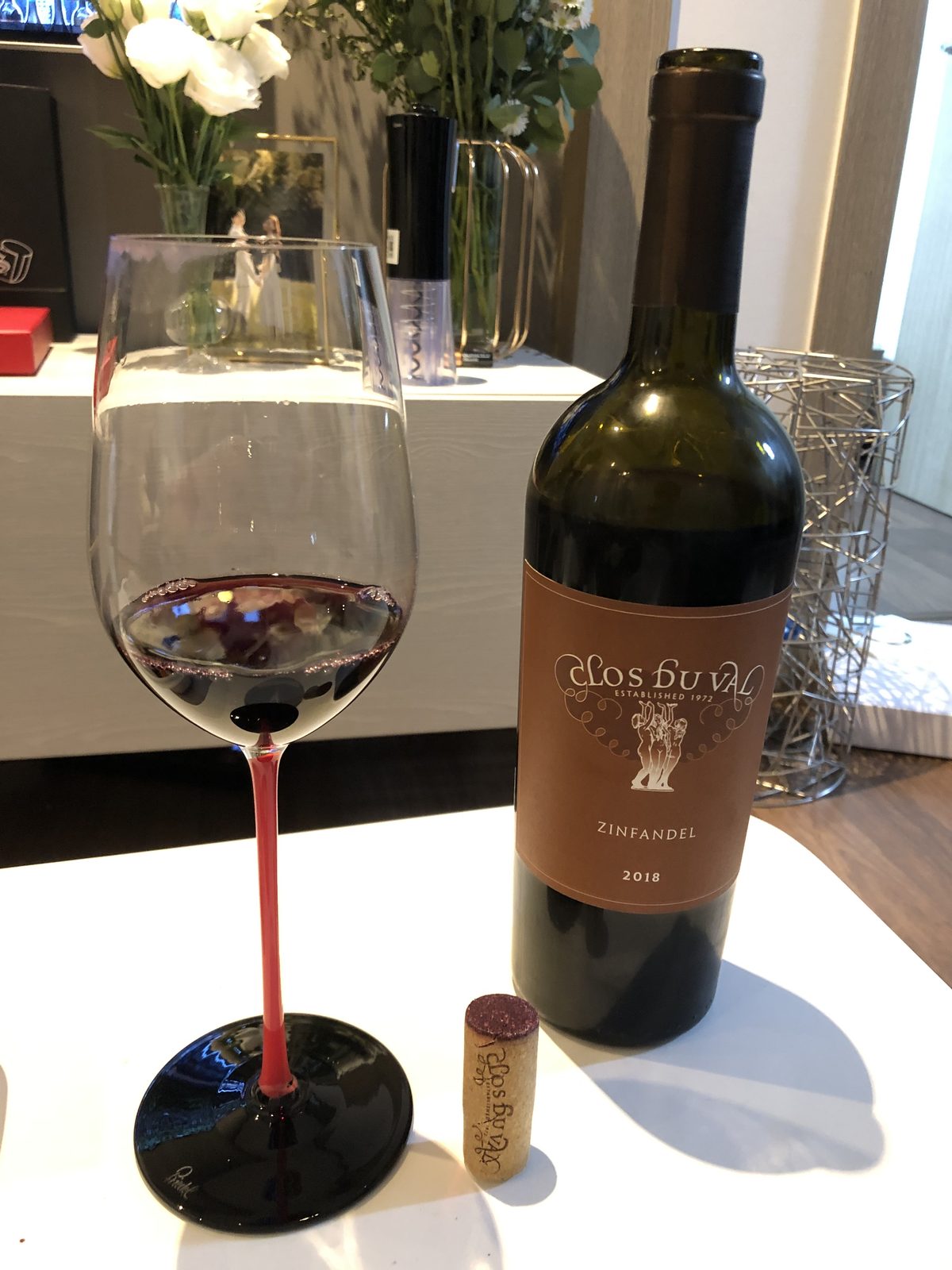
A house built on Cabernet and a Bordelais idea of restraint, making Zinfandel — the grape it planted in 1972 because everyone did, and never quite stopped. Opened on an ordinary evening at home, one glass, one cork.
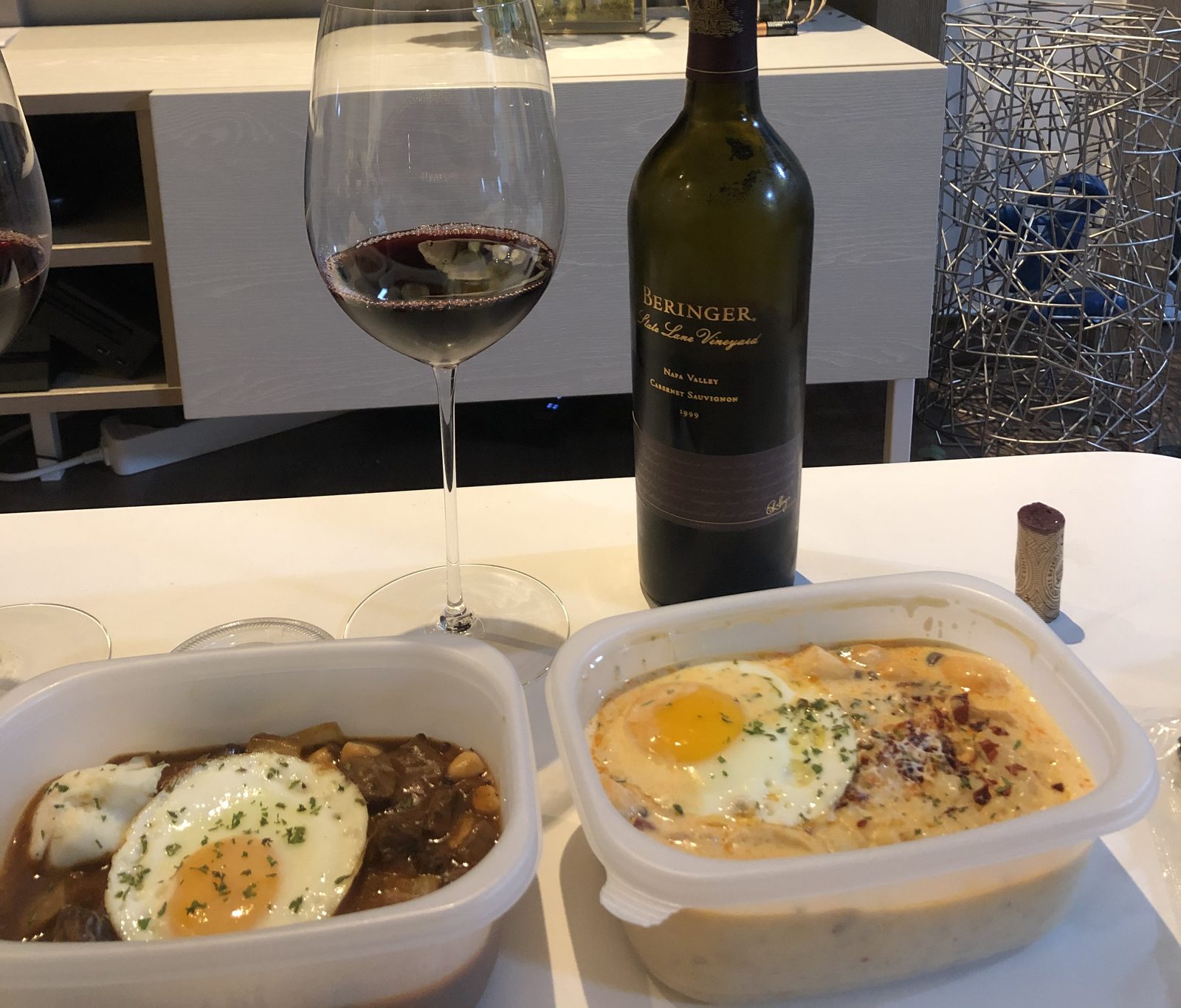
A Yountville vineyard that fed Beringer's Private Reserve before it was ever bottled under its own name, from the cool middle year of three cool years. At twenty-one, the acidity was still holding the wine up.