Lily Bollinger's Long Argument
Champagne Bollinger R.D. Extra Brut 2002
- Producer
- Bollinger
- Appellation
- Champagne AOC
- Grapes
- Pinot Noir, Chardonnay
- Tasted
- 28 October 2020
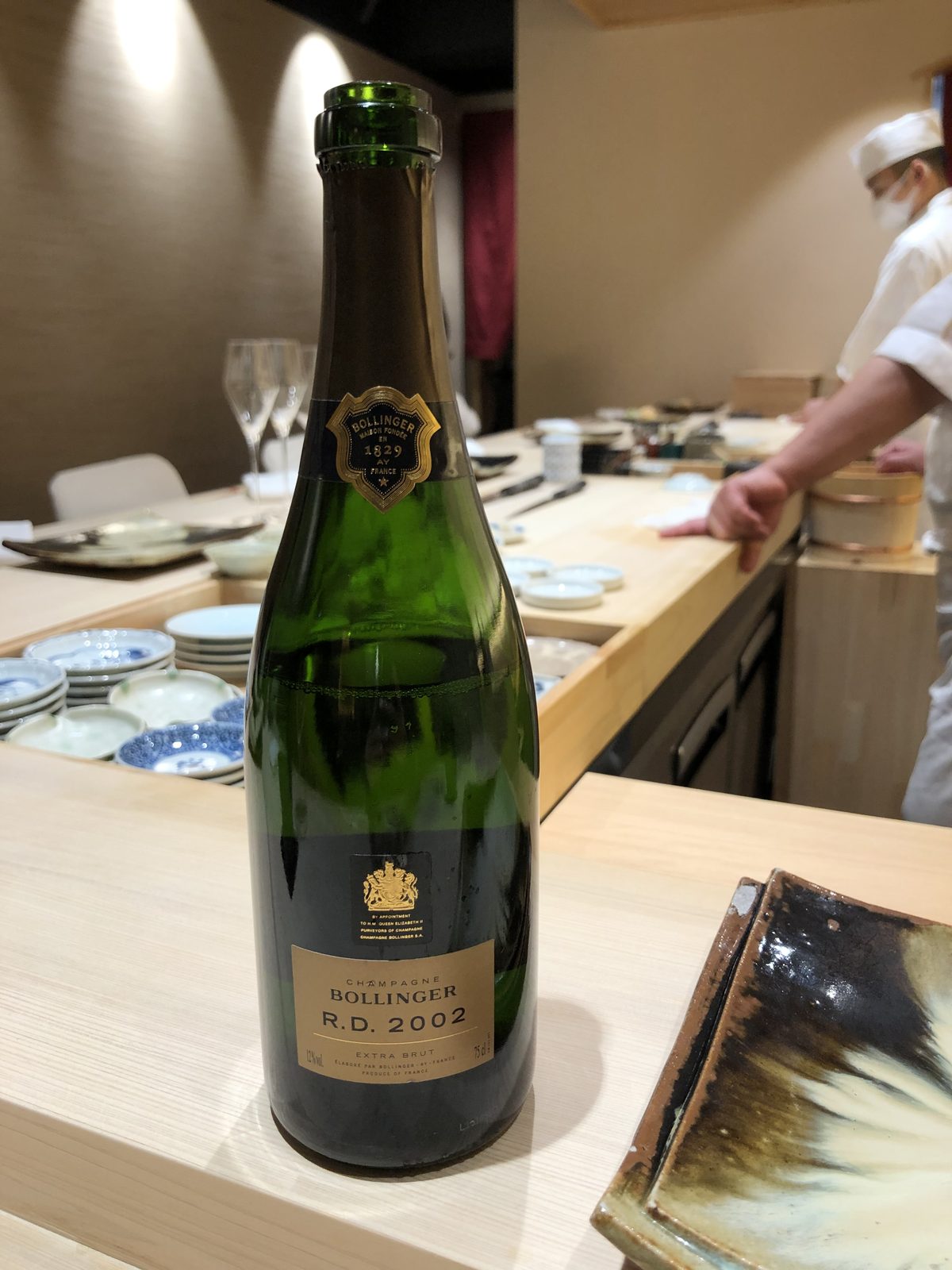
Most prestige Champagnes are defined by what goes into them: a plot, a blend, an old-vine selection. Bollinger’s R.D. is defined by something you cannot taste directly at all — the date it was opened.
The initials stand for récemment dégorgé, recently disgorged. Lily Bollinger introduced the idea in 1967, and it was a genuinely contrarian proposition at the time. The house had noticed that its vintage wines kept improving on their lees far past the point at which convention said to finish them, and that the wines behaved quite differently depending on when that finishing happened. A Champagne disgorged after three years and drunk at fifteen is a mature wine that has spent twelve years in contact with air through the cork. A Champagne disgorged after twelve years and drunk at fifteen is something else: the same age on paper, but with almost all of that time spent sealed under crown cap against its own yeast.
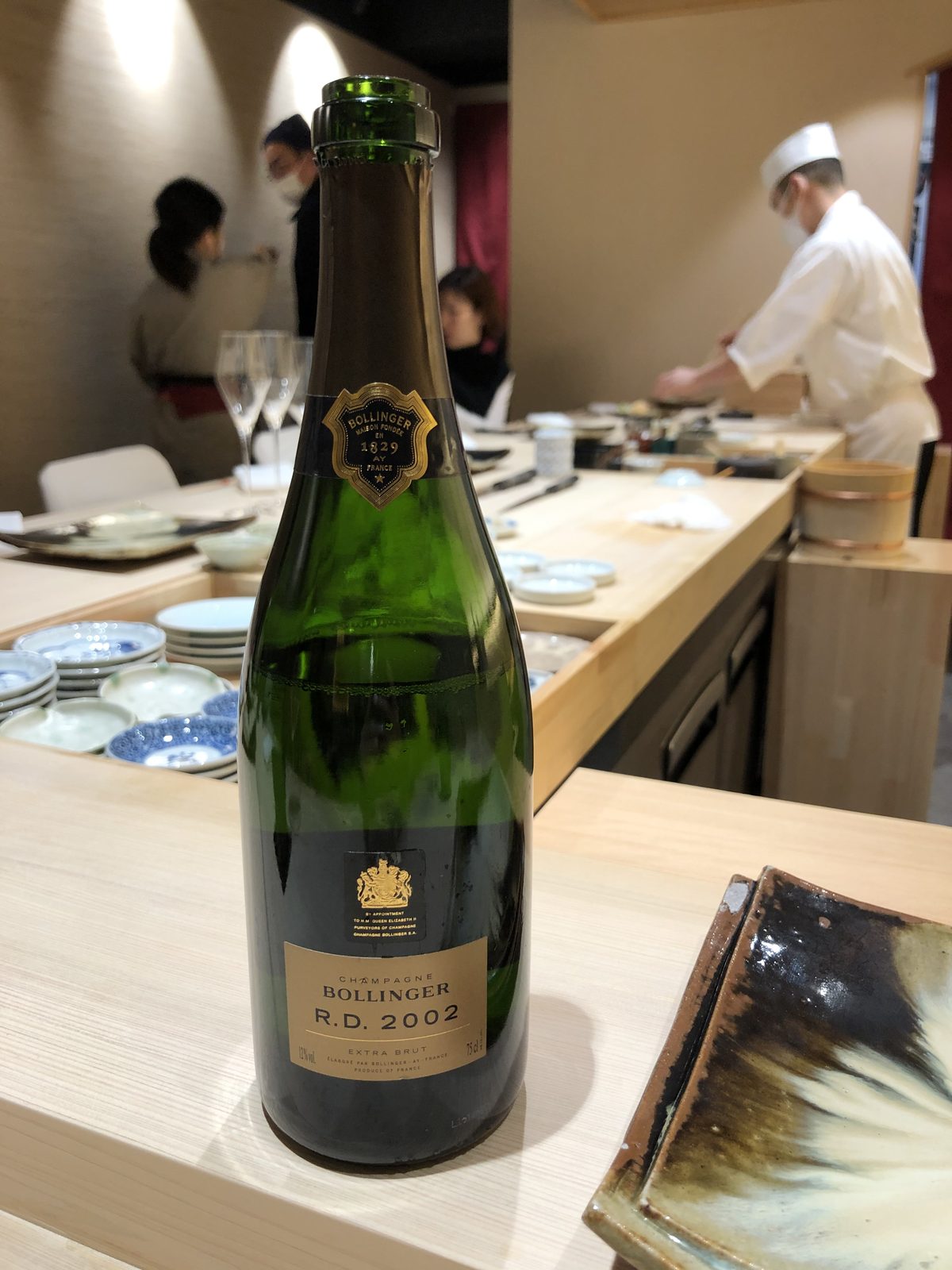
R.D. is the second kind. The lees give it the depth and the nutty, patisserie register of a much older wine; the late disgorgement and very low dosage leave the acidity almost untouched. It arrives tasting simultaneously old and undiminished, which is the whole trick.
Twenty-Three Crus, and Barrels
The wine underneath the concept is straightforward Bollinger. The 2002 draws on twenty-three crus, overwhelmingly grand and premier cru, with the house’s characteristic Pinot Noir dominance over Chardonnay. The reserve wines are kept in magnum under cork, and the base wines are fermented in old oak — Bollinger keeps its own cooper — which is where the broad, faintly toasted texture comes from before a single year on lees has passed.
The ageing then runs for well over three times the appellation minimum. That is the part of the recipe that cannot be shortened or bought, and it is why R.D. appears irregularly rather than annually.
The 2002
2002 is the vintage that made this cuvée easy to love. It was one of Champagne’s genuinely fine modern years — ripe without heaviness, with the acidity intact — and the wines have aged with unusual reliability. Where some R.D. releases can feel like an exercise in endurance, the 2002 has the fruit to carry the technique.
The register is the house one: baked apple and preserved citrus, walnut and toasted hazelnut, brioche and a mocha-edged spice, with the fruit sitting further back than it would in a younger Champagne. What separates it from a conventionally disgorged wine of the same age is the finish — extra brut, almost no sugar, and a line of acidity that arrives clean rather than softened. It is a big wine that ends narrow.
At a Counter
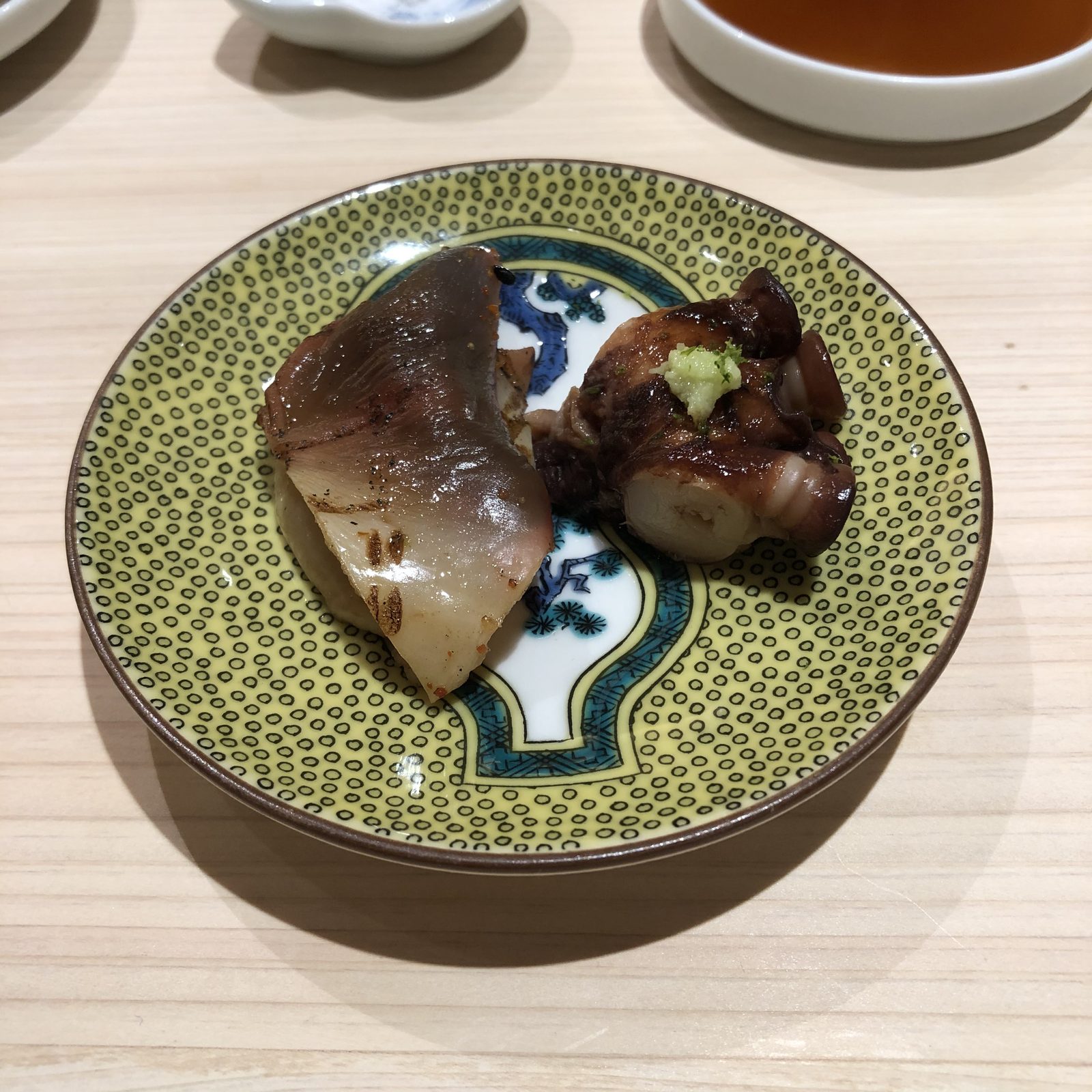
It was drunk at a sushi counter, which is not the setting the house has in mind for it and is arguably the better one. R.D.’s combination of oxidative depth and undiluted acidity does something specific with raw fish and rice that a rounder, sweeter-dosed Champagne cannot: it matches the savoury weight without smothering it, and then resets the palate.
Lily Bollinger’s argument was that time on lees is worth more than time in bottle. Fifty-odd years after she made it, the wine still makes the case better than any explanation of it does.