The Magnum Was Right
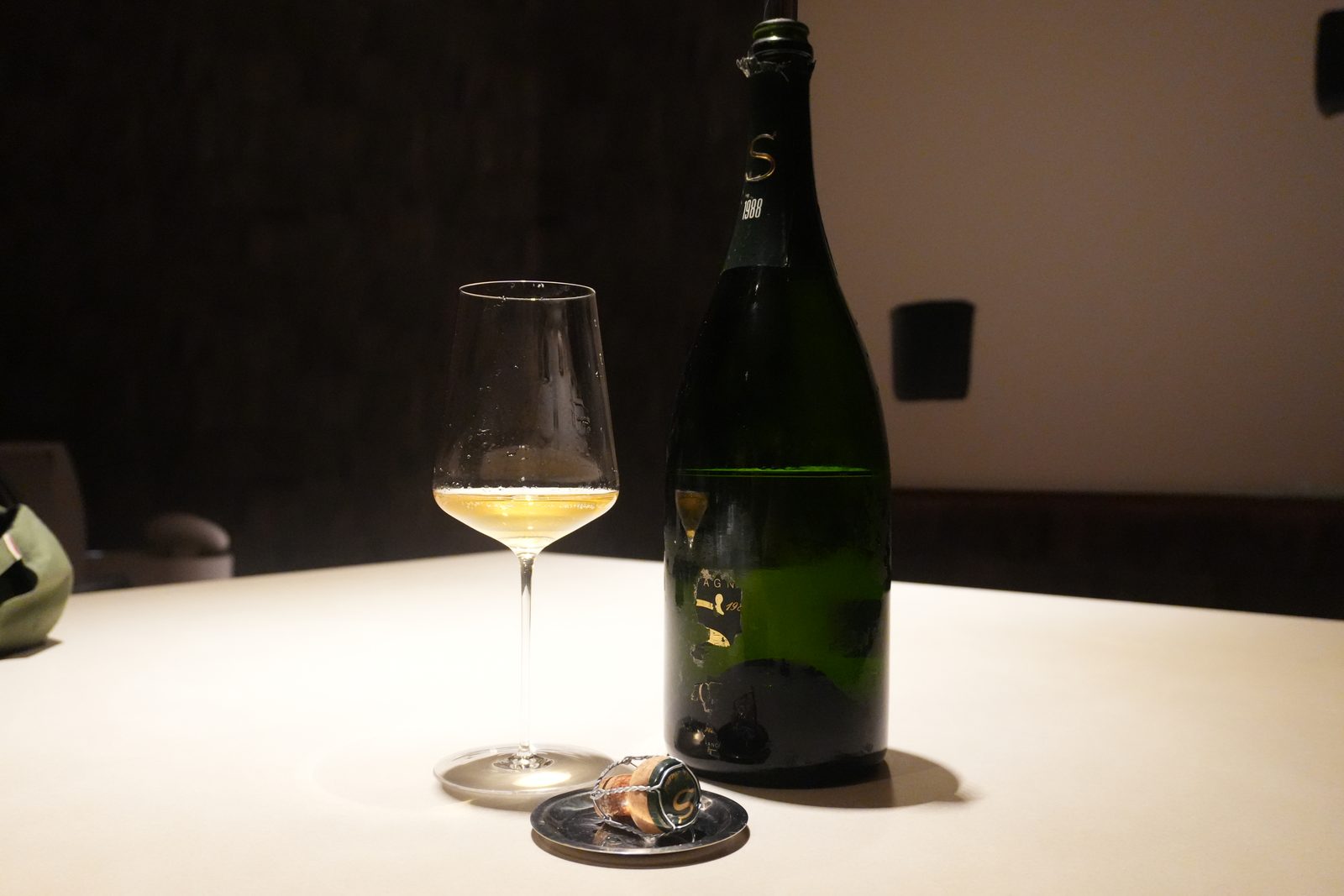
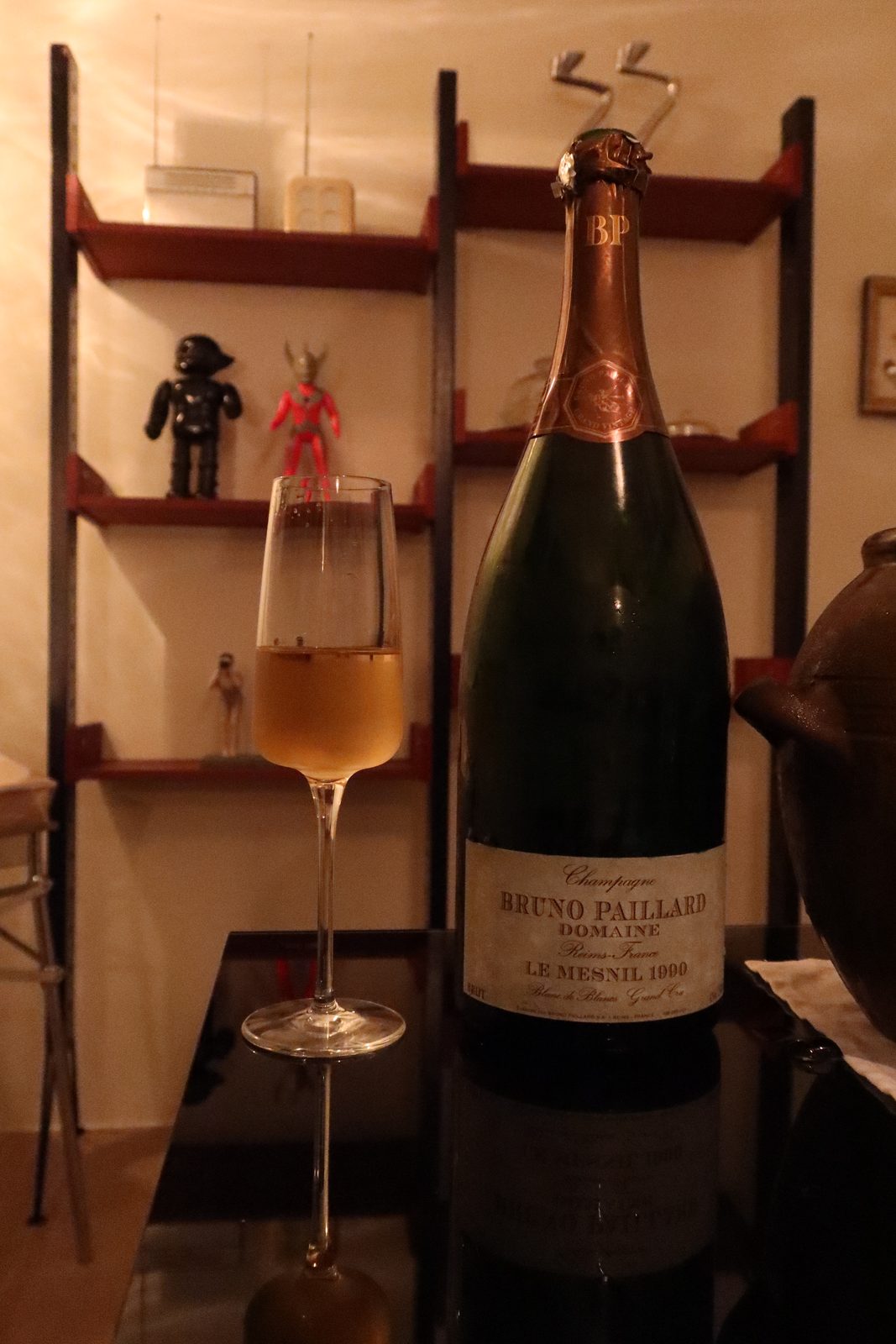
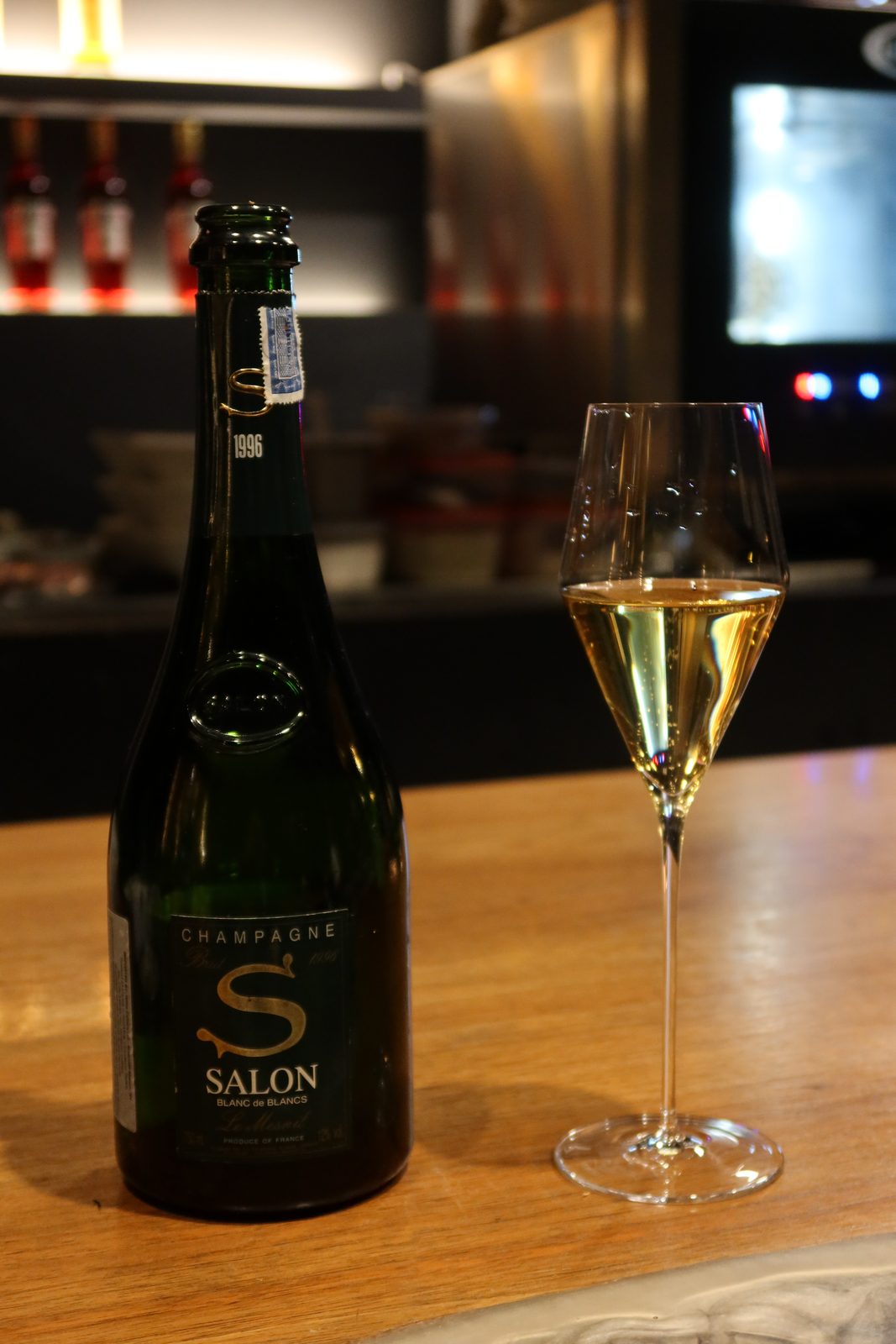
One village, one grape, one year — and barely forty-odd declared vintages in 120 years. The label had all but peeled away in the cellar; the wine inside had not aged a day it couldn't afford. The best Salon of my life.
a fine wine tasting archive
8 notes
One village, one grape, one year — and barely forty-odd declared vintages in 120 years. The label had all but peeled away in the cellar; the wine inside had not aged a day it couldn't afford. The best Salon of my life.
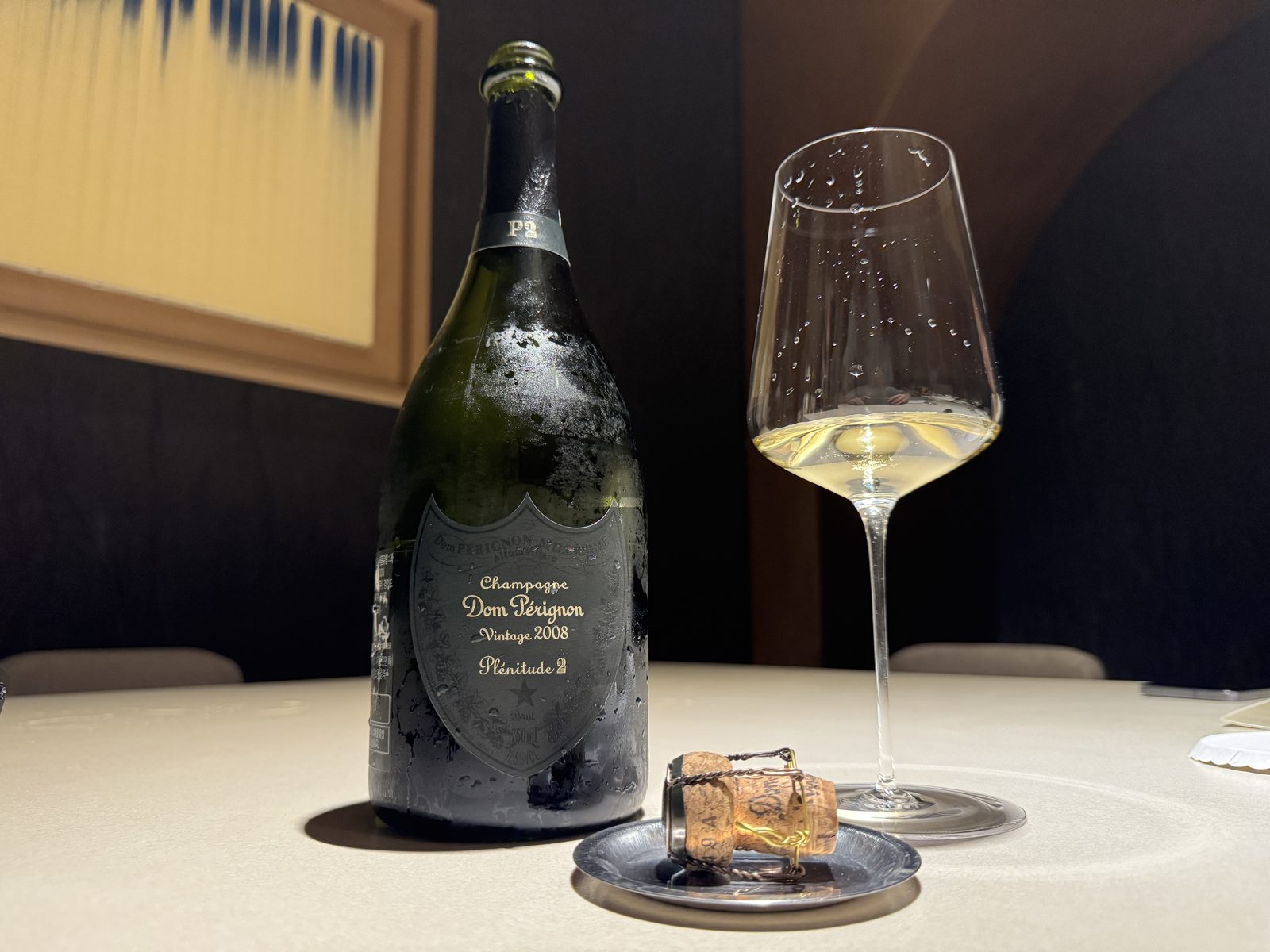
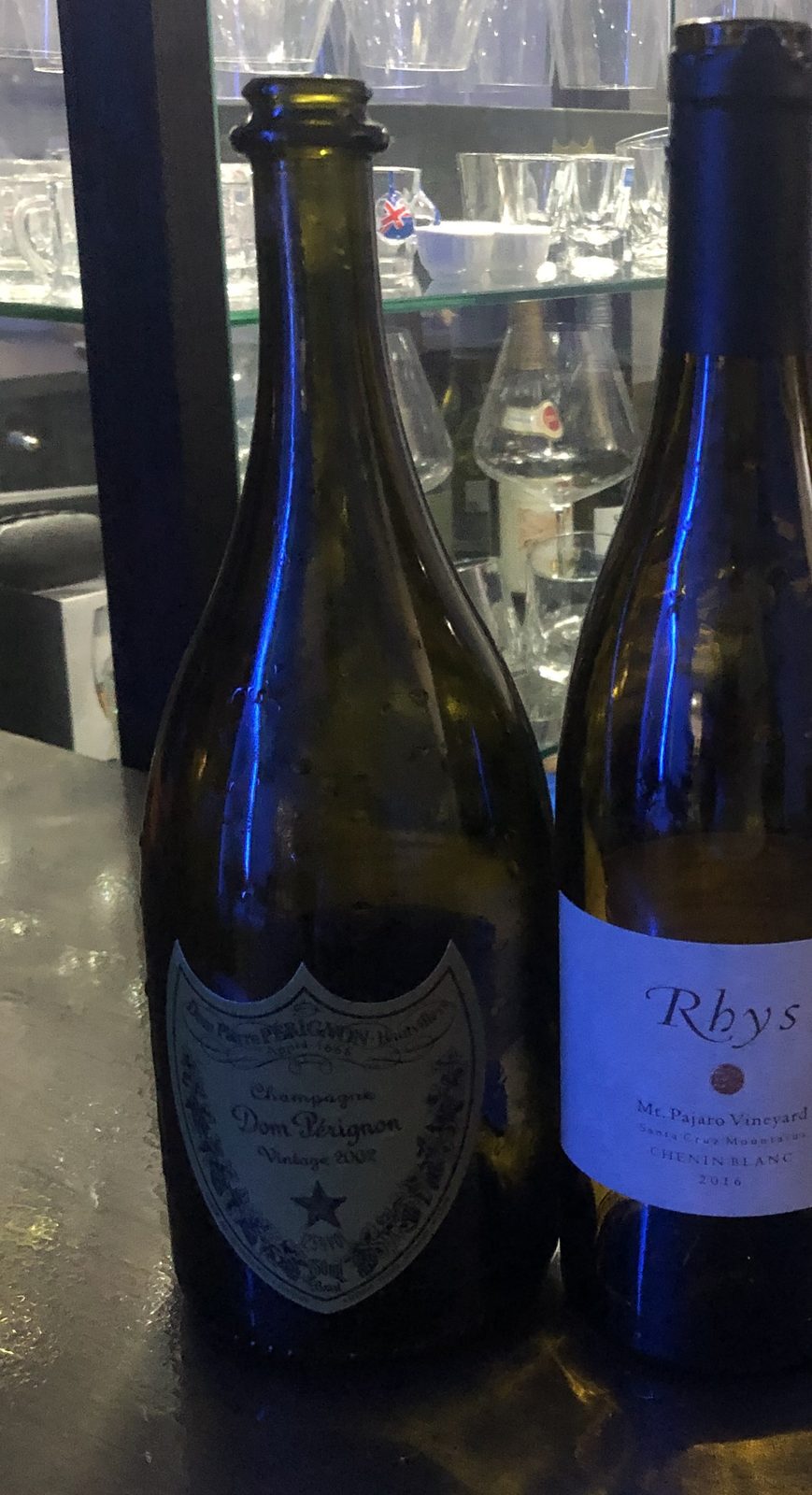
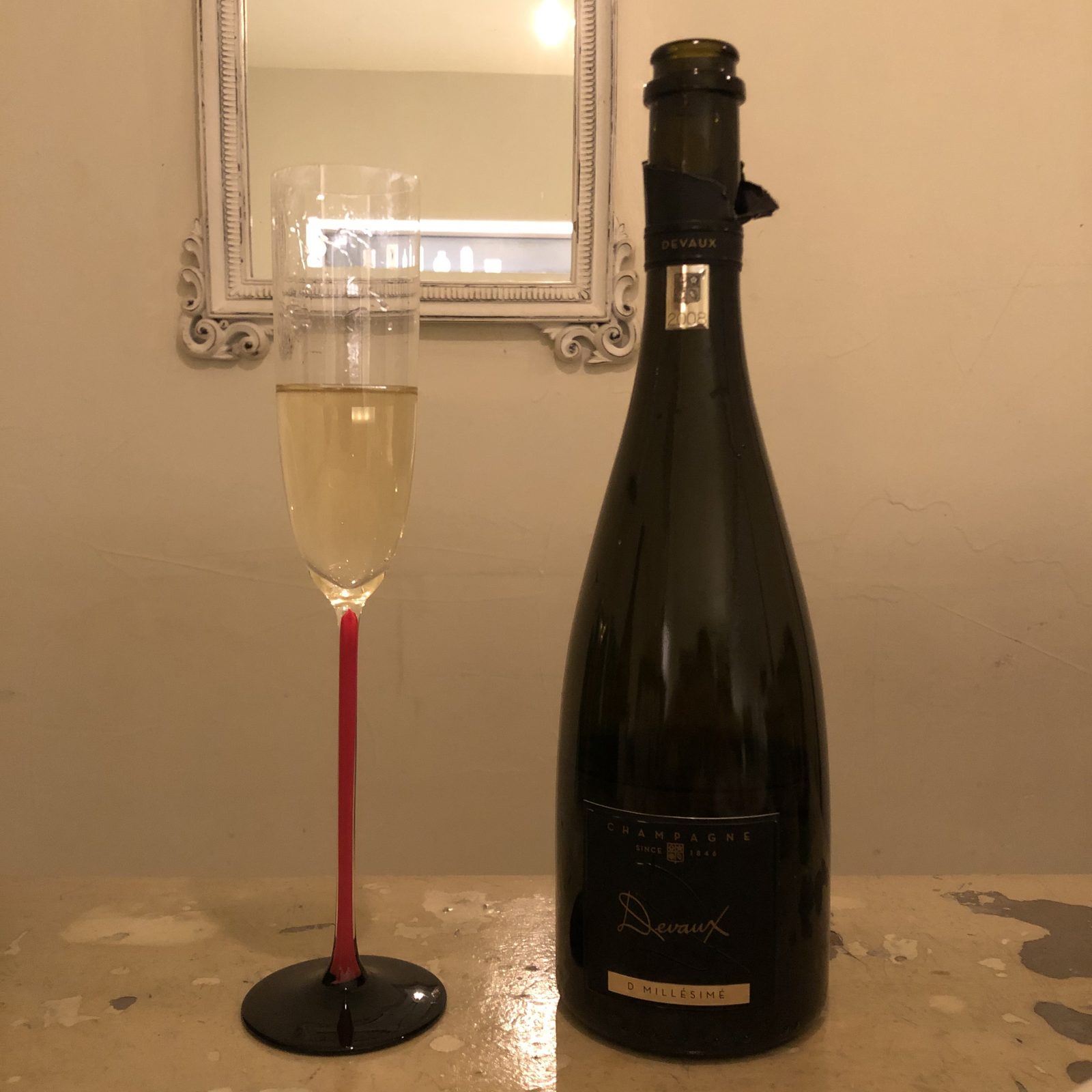
Plénitude is Dom Pérignon's theory that Champagne peaks more than once. The same 2008, held fifteen more years on the lees and disgorged in 2024 — the cool vintage's blade of acidity intact, only the edges quietly smoothed.
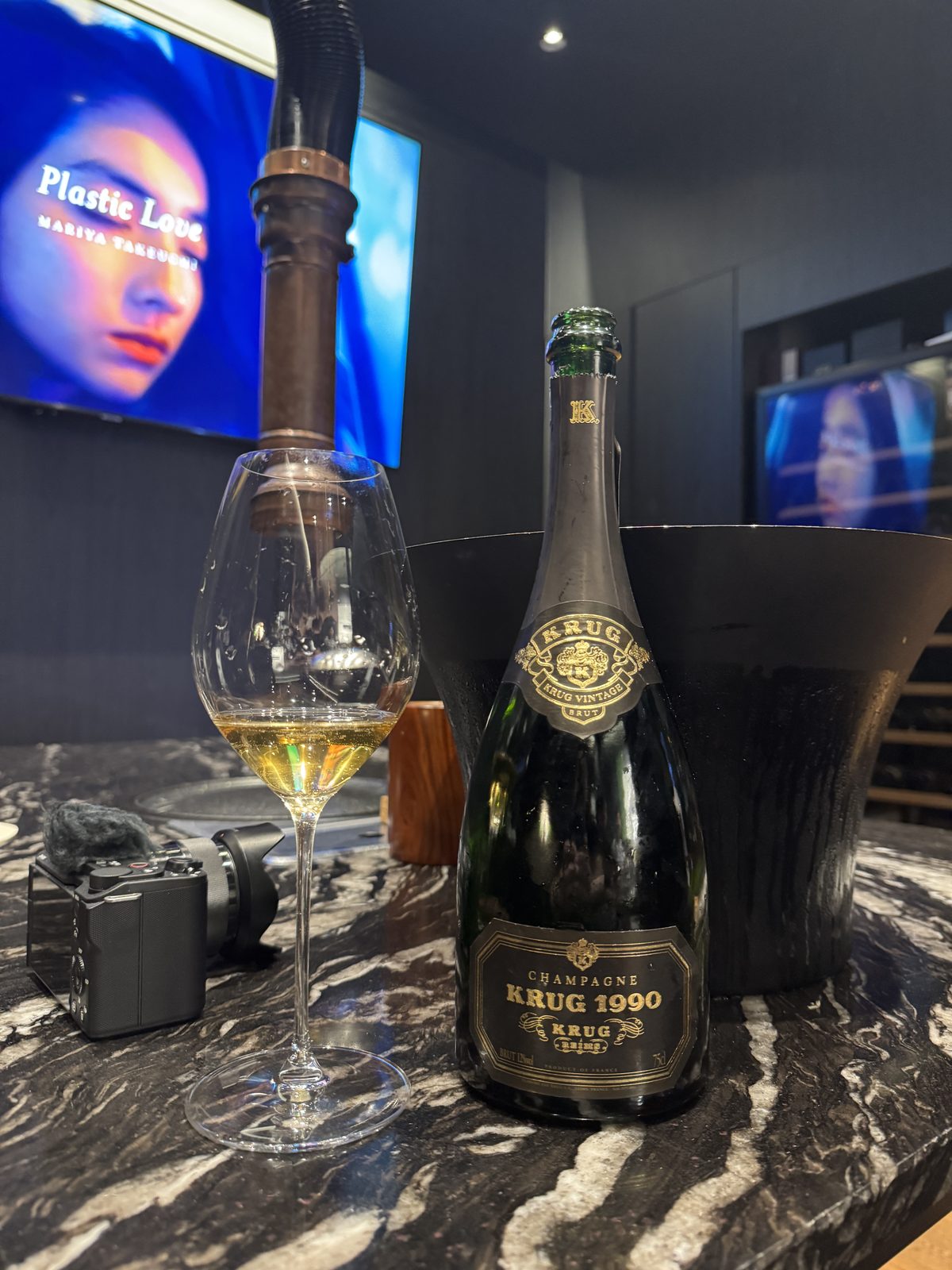
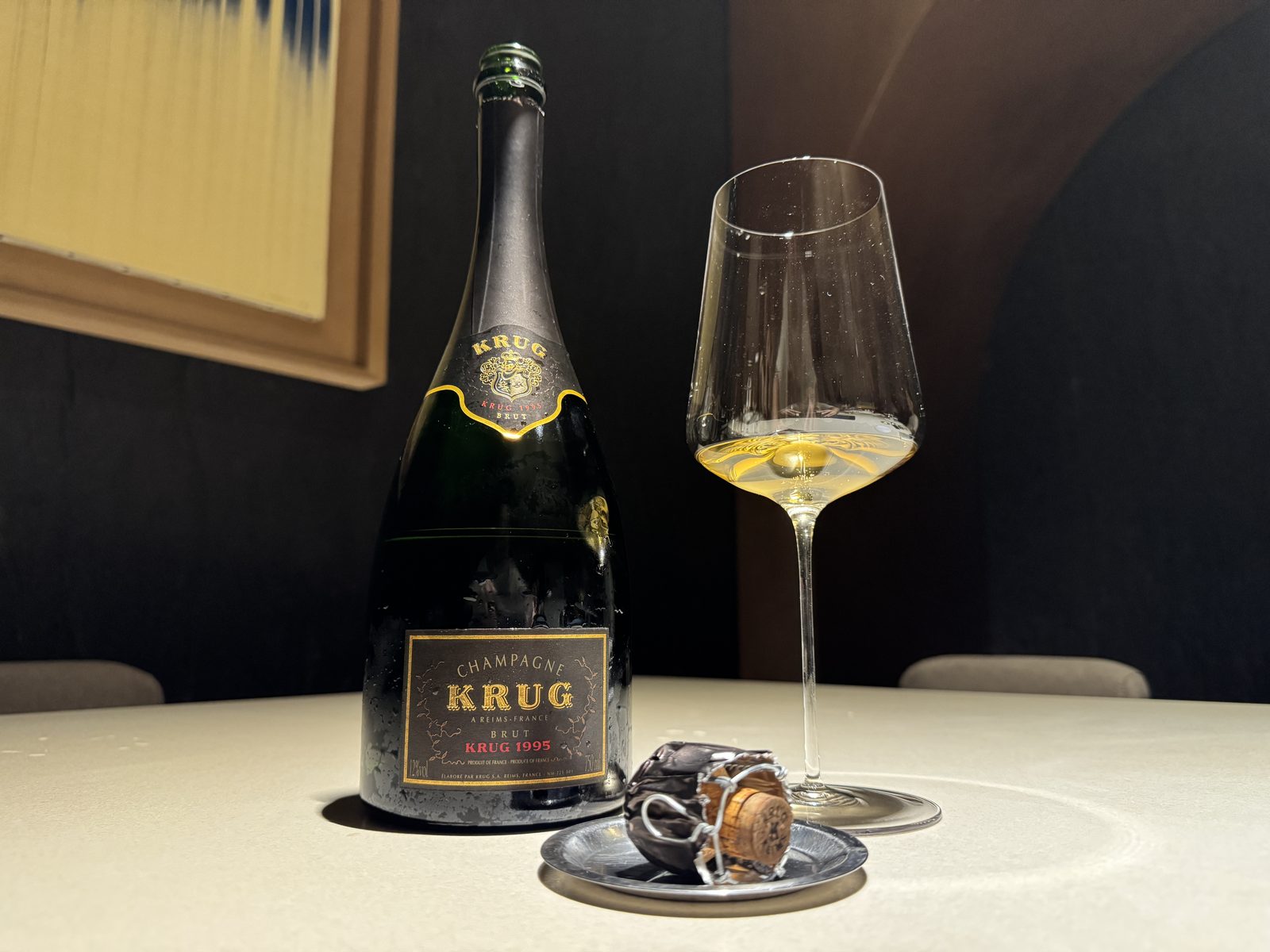
For Krug, a vintage is not 'a wine from a good year' but a portrait of a year too distinctive to blend away. Thirty years on, the 1995 — Champagne's first generous season after a difficult run — still stands upright.
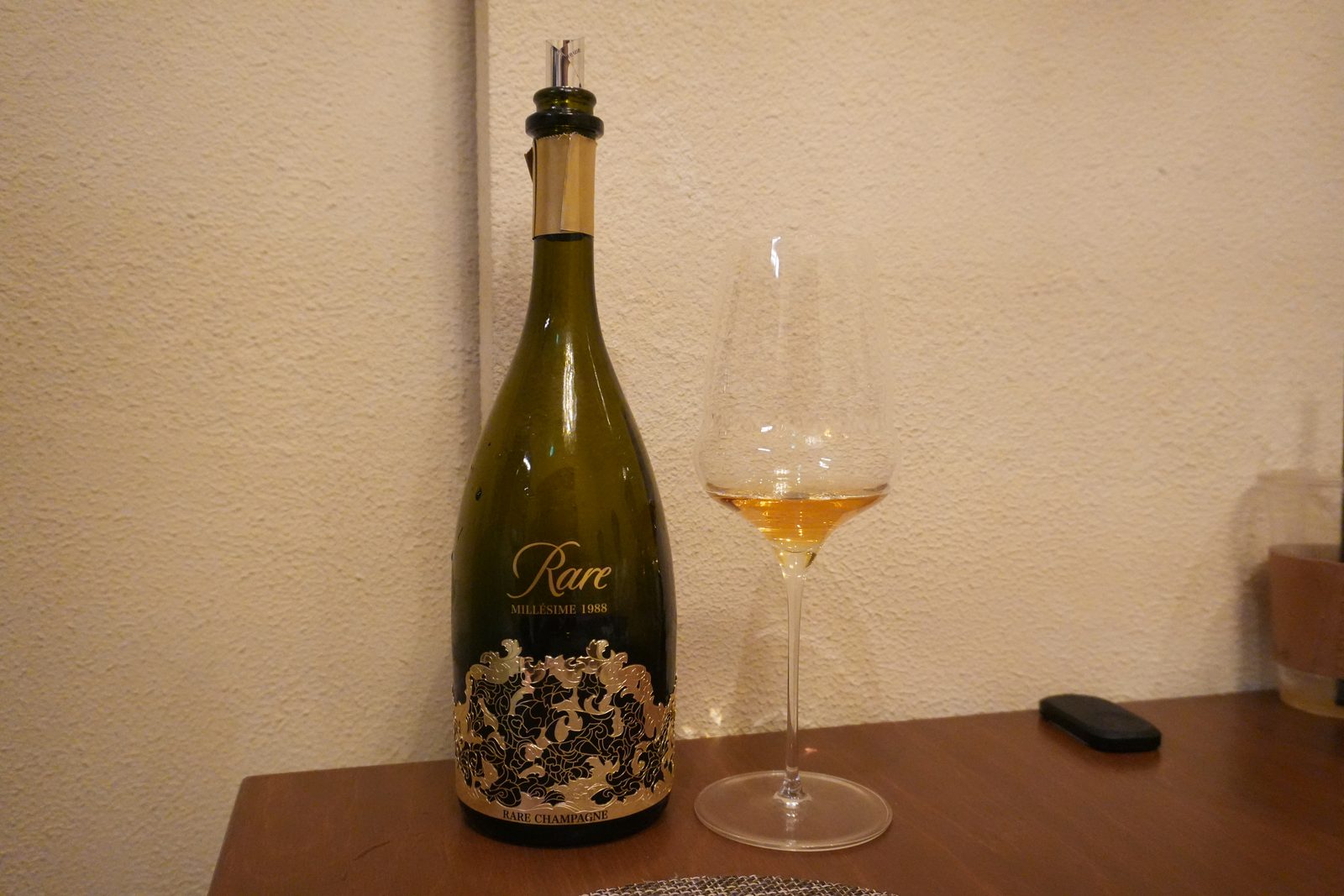
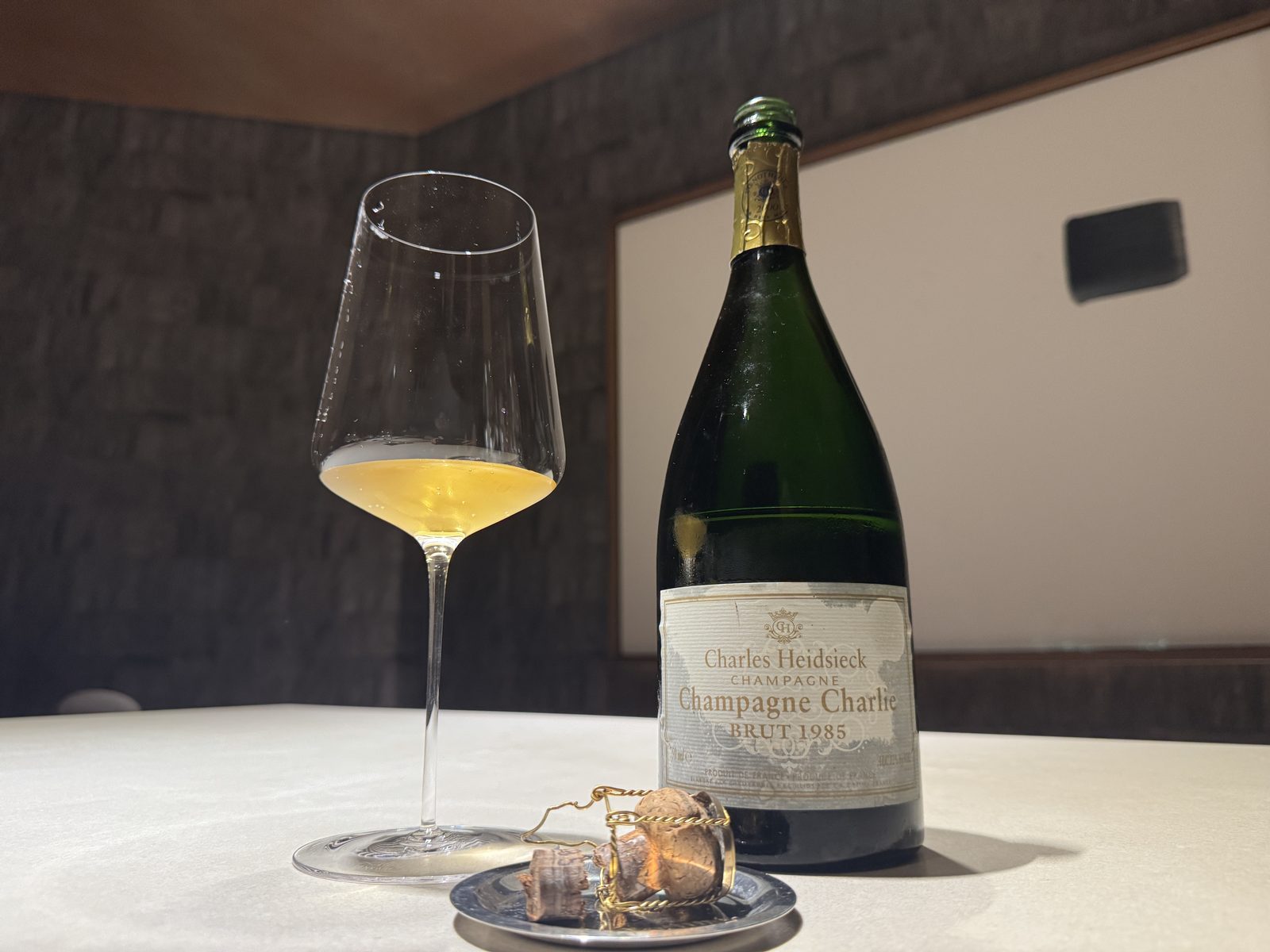
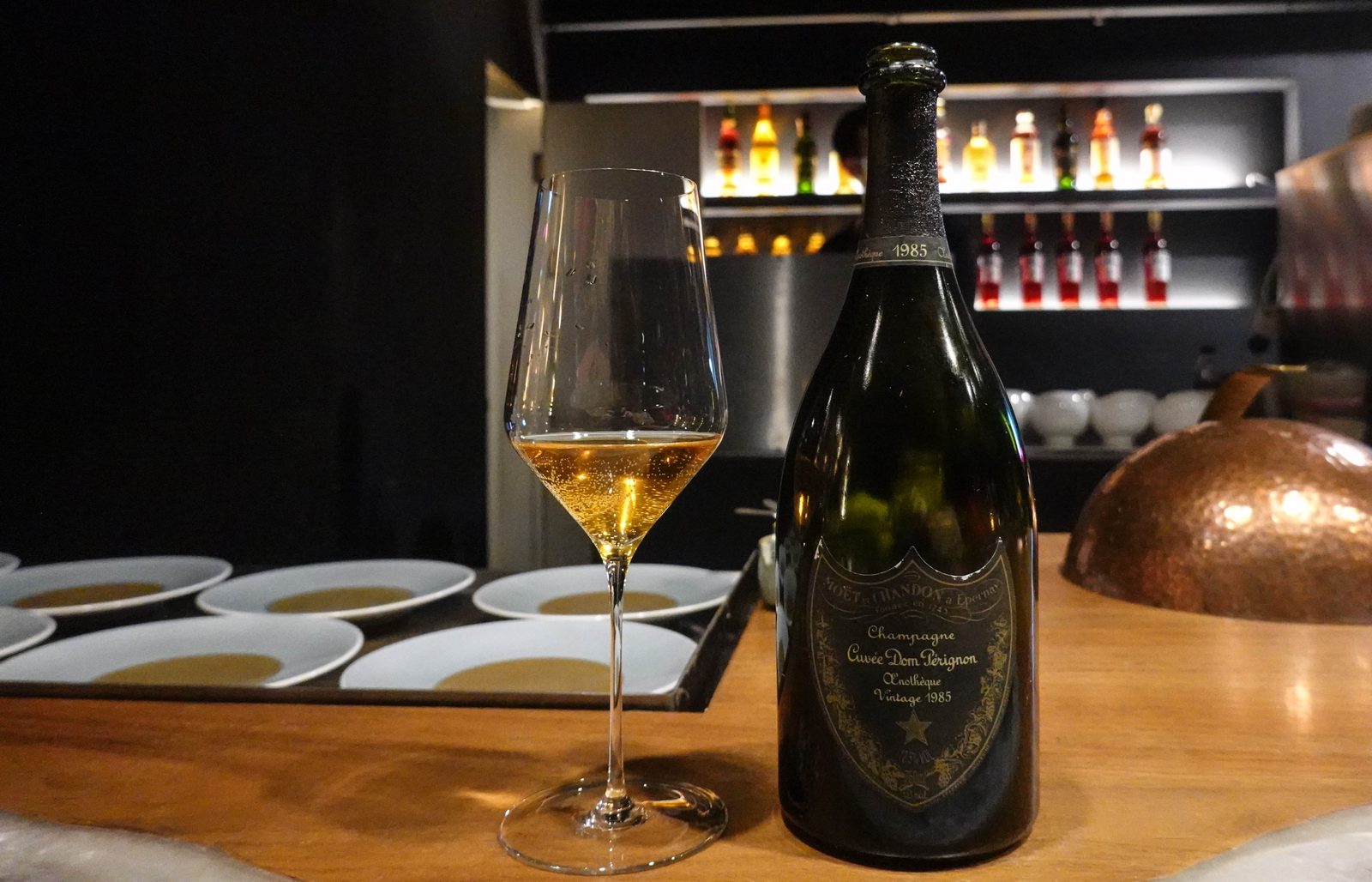
Made in just five vintages before the cuvée was mothballed, the 1985 is the last of the original Champagne Charlies. Forty years of gold in the glass — mushroom and caramel below, bergamot slicing through above.
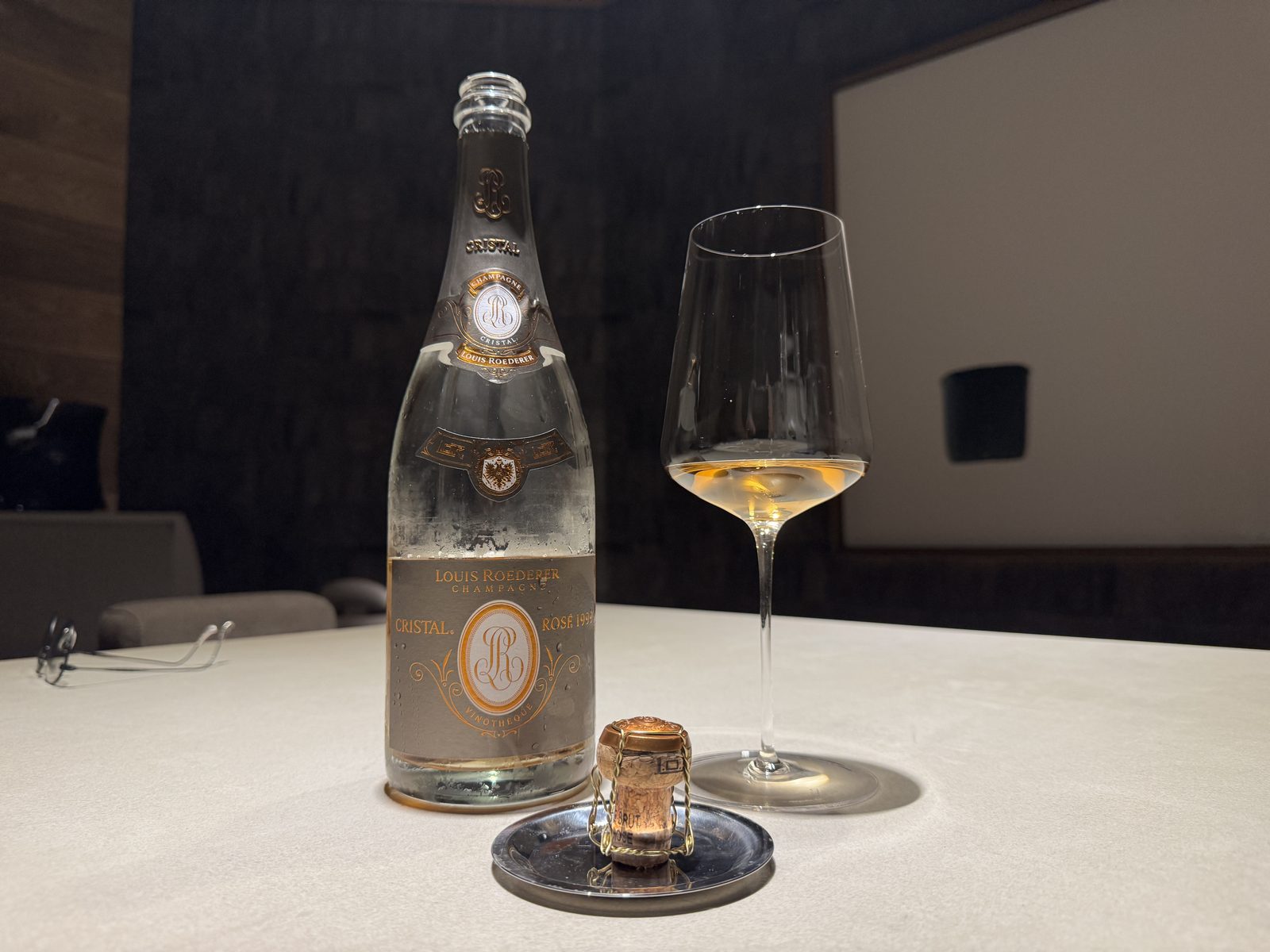
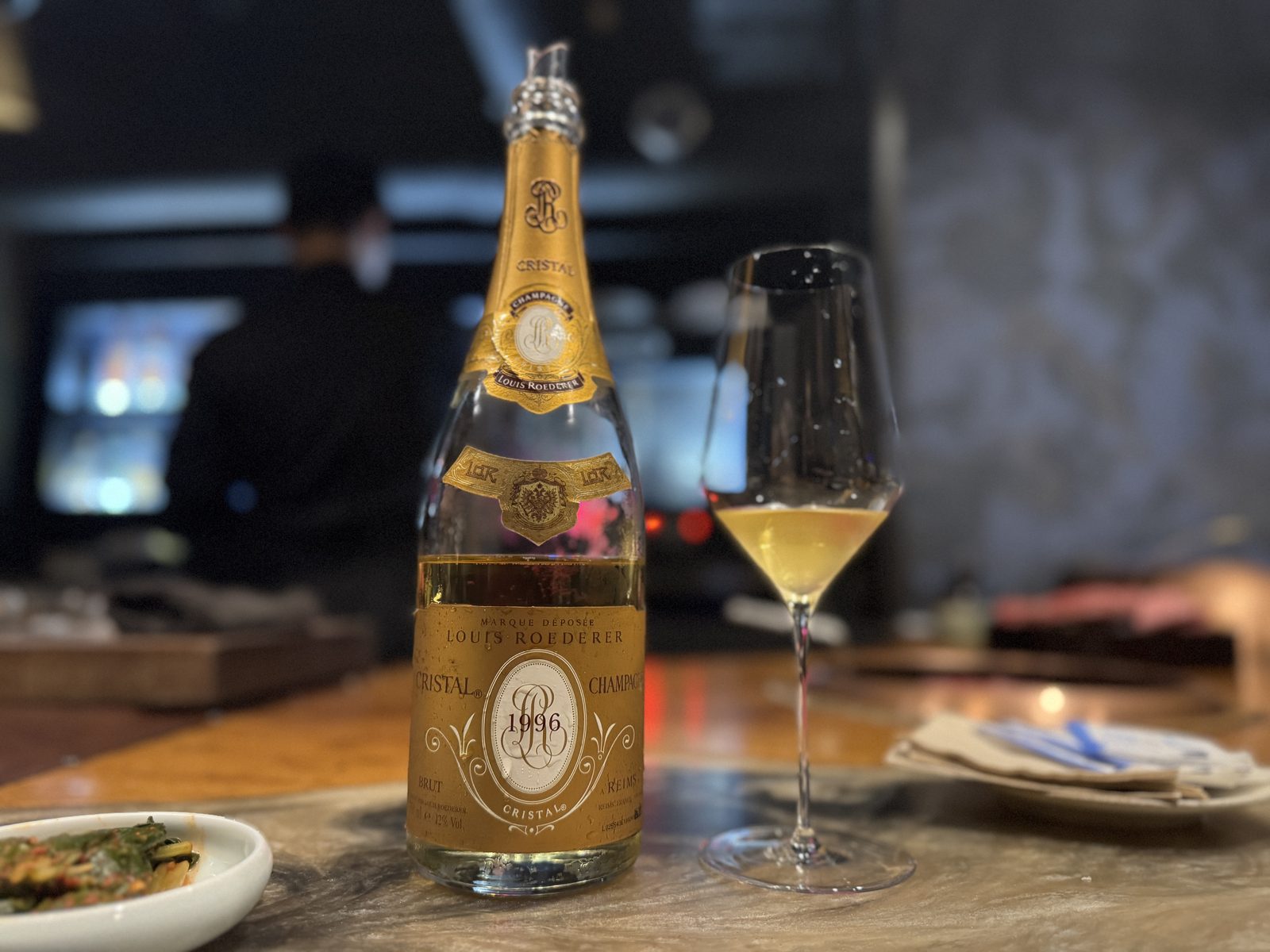
Vinothèque is Cristal with time added — held nearly twenty more years in Roederer's own cellars, disgorged in 2016. Rose petals and red berries deepening into chalk, hazelnut and praline: a rosé precisely at its peak.
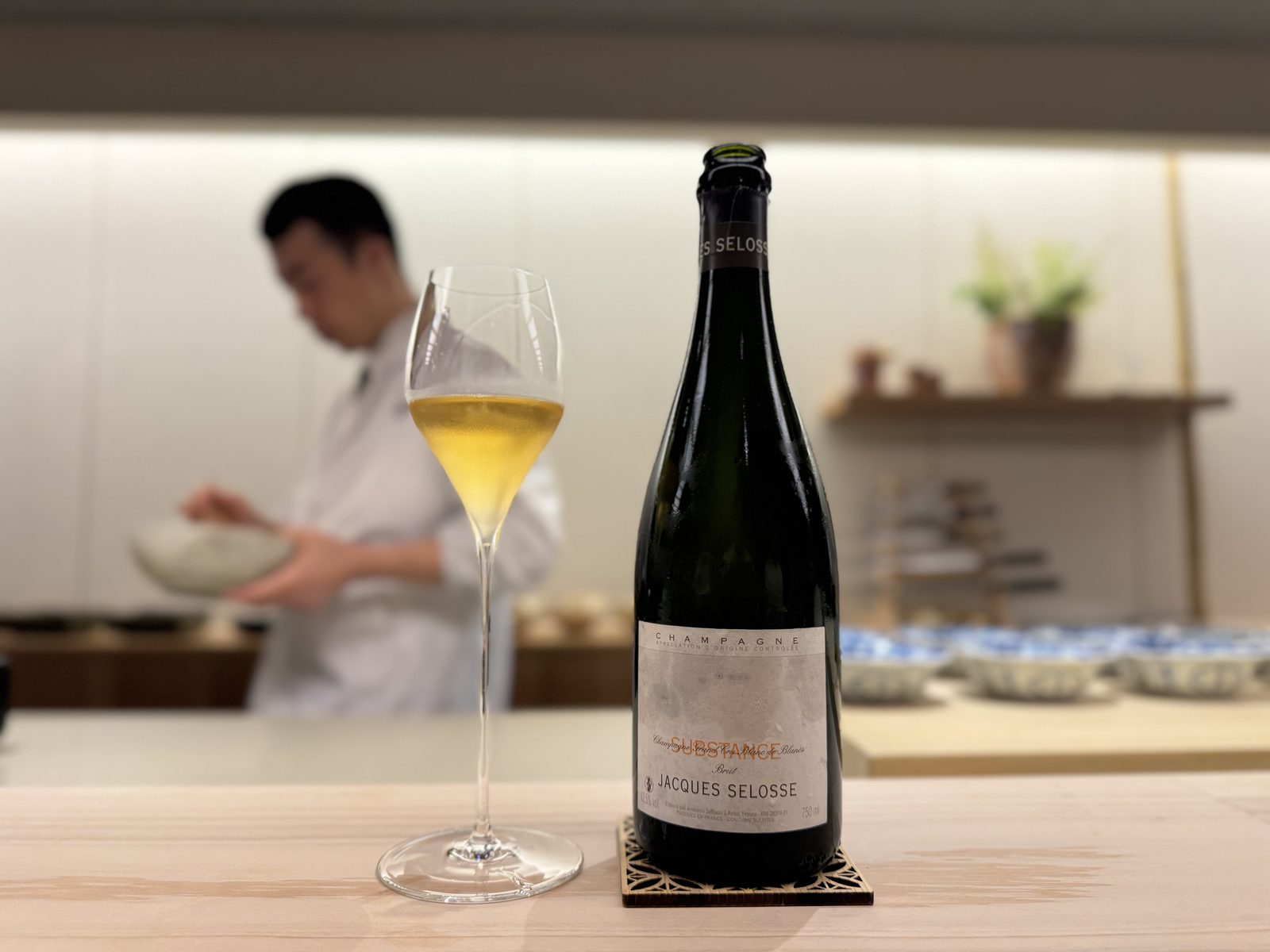
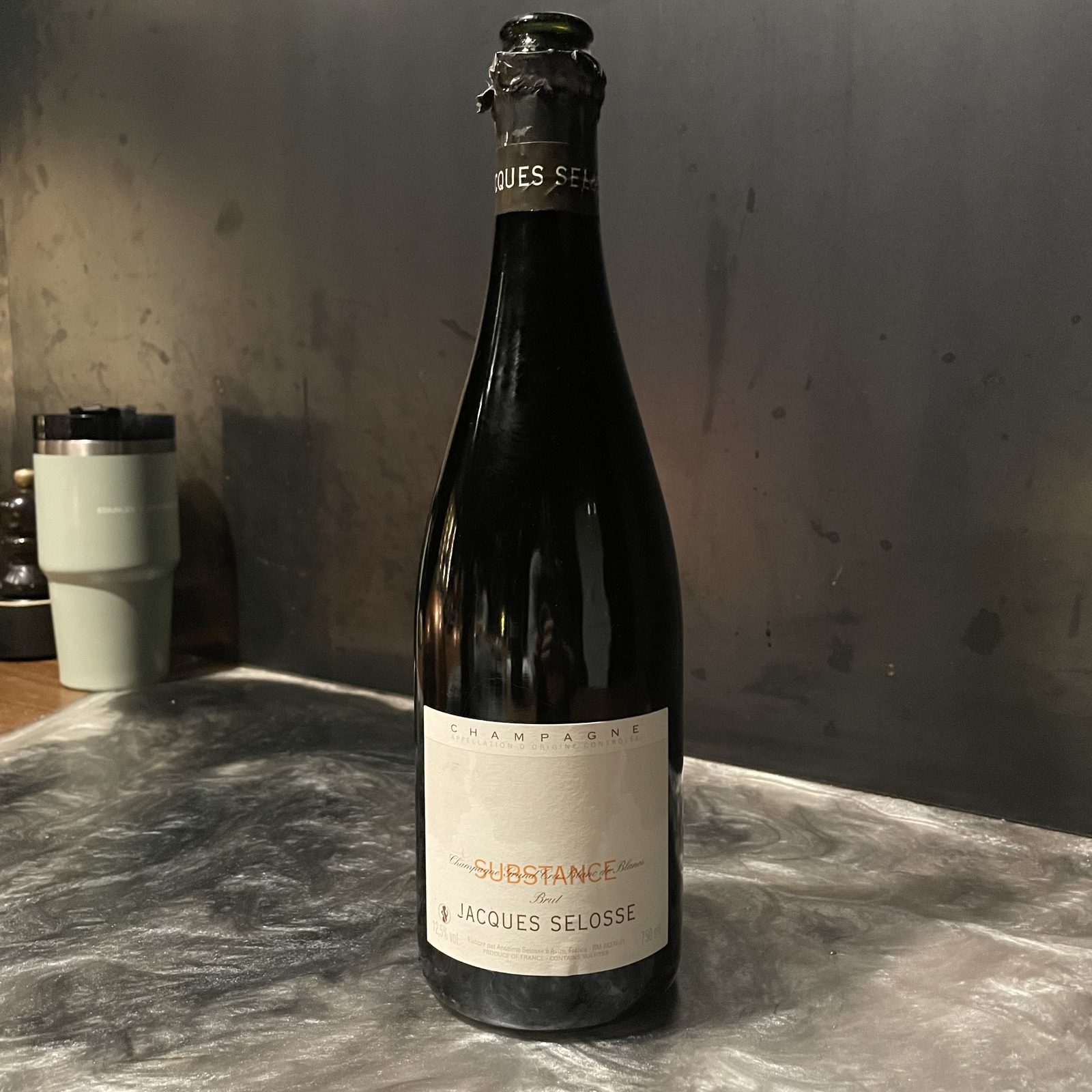
Substance carries no vintage because it carries all of them — a solera begun in 1986, Avize Chardonnay only. At a sushi counter, this is the rare Champagne where 'it tastes like sherry' is the highest compliment.
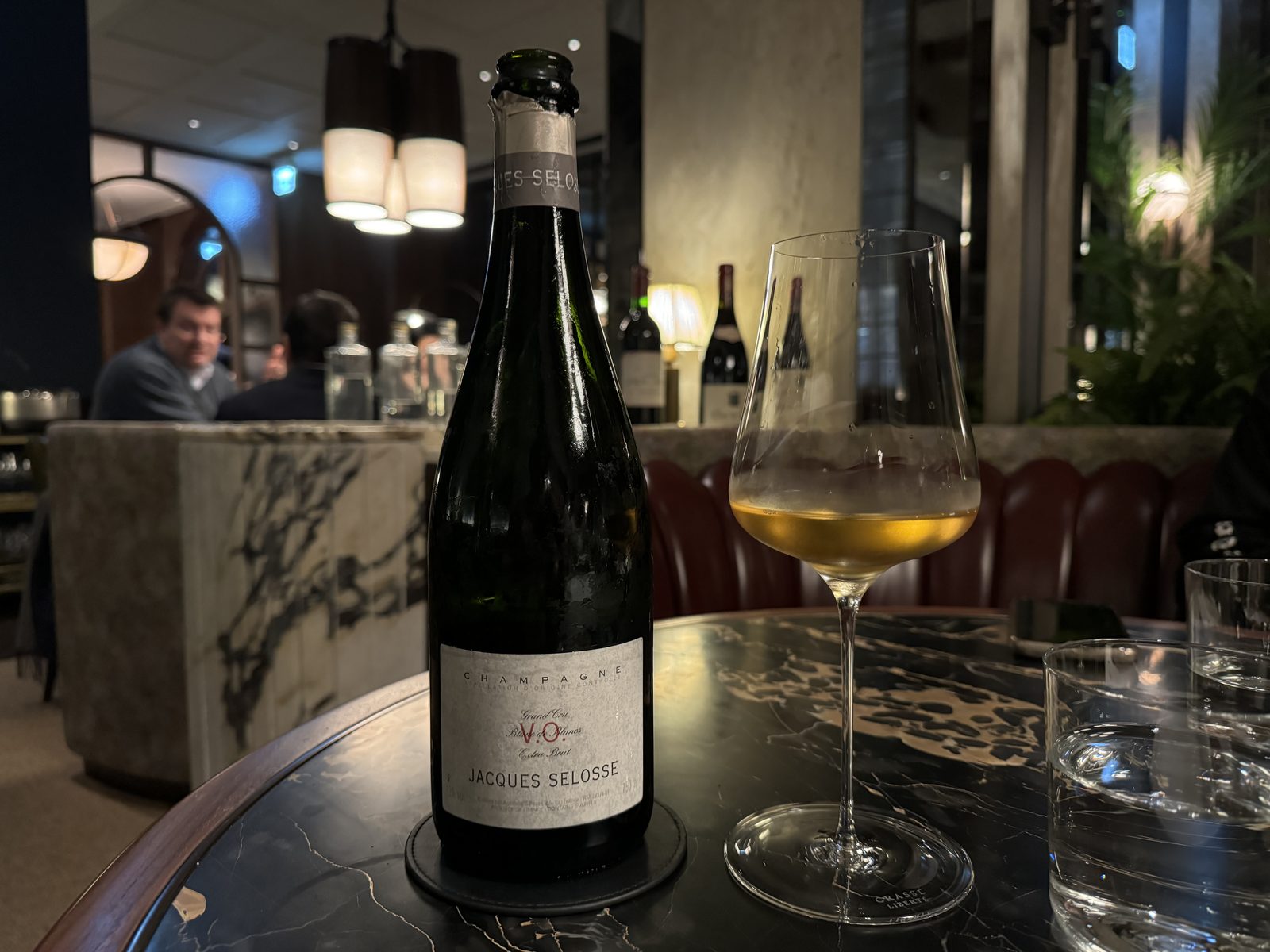
Everyone says 'solera' the moment Selosse comes up — but V.O. isn't one. It is three consecutive vintages from the chalk heights of Avize, Cramant and Oger, and it drinks closer to mature white Burgundy than to Champagne.
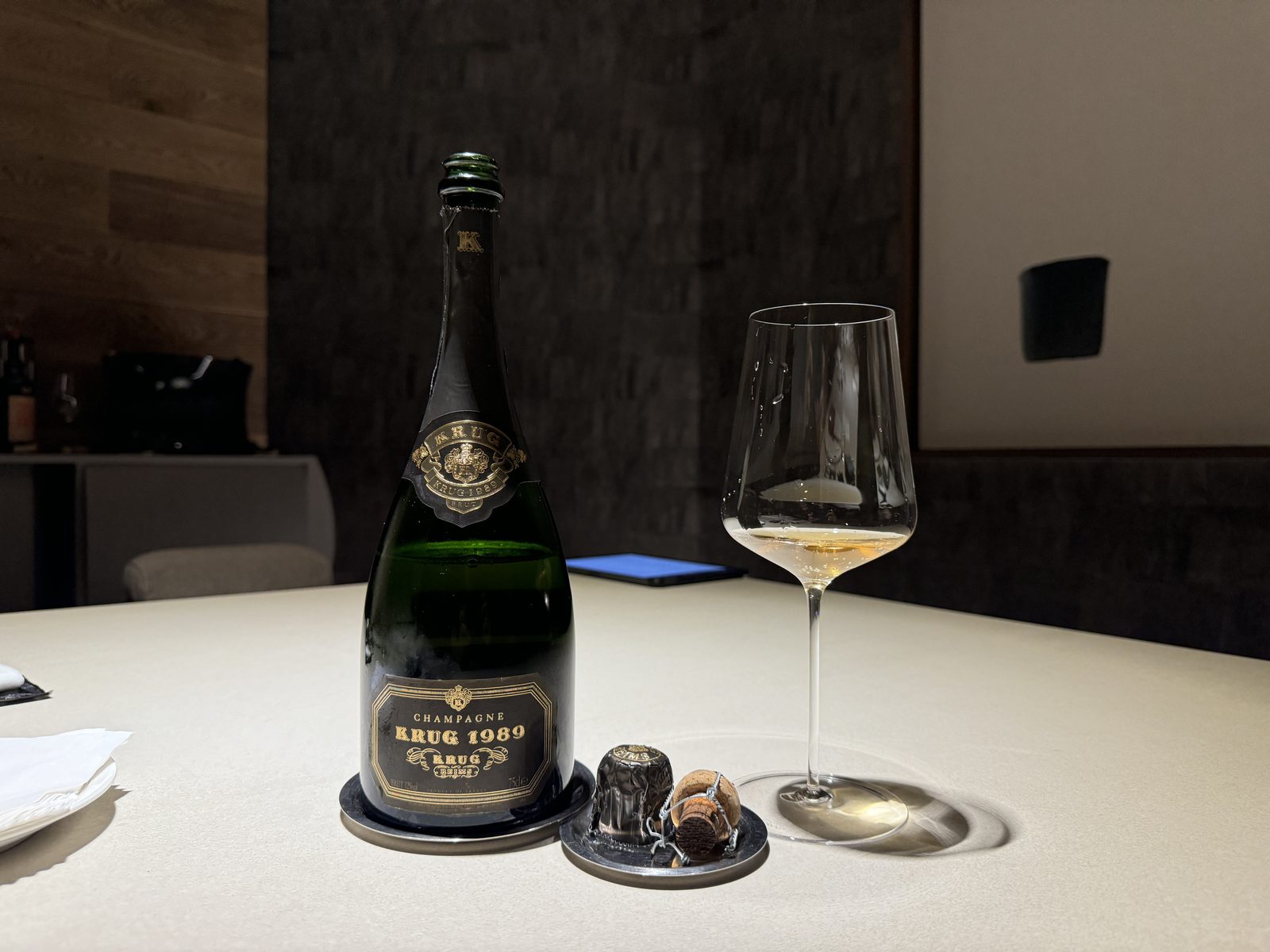
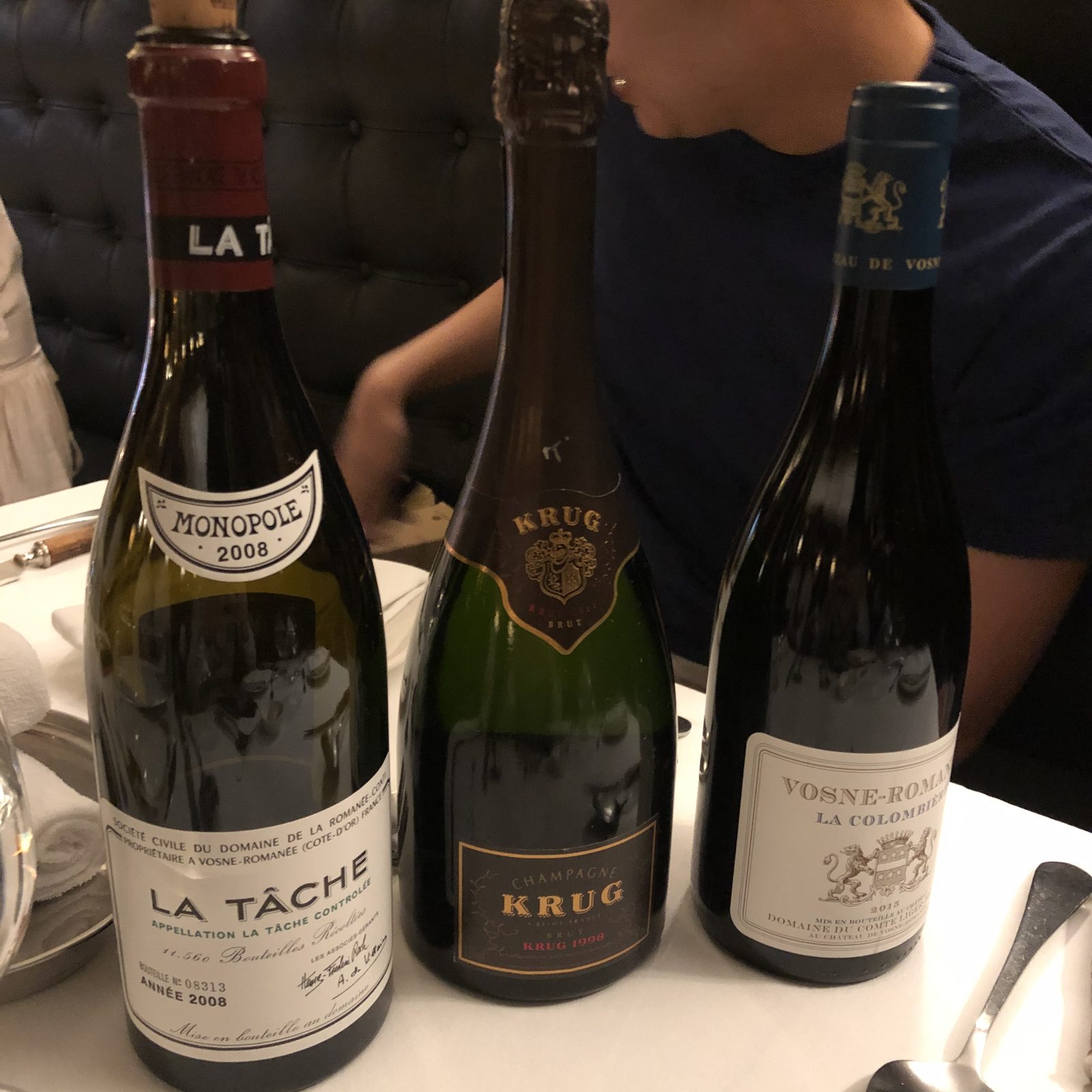
Krug's Vintage is a portrait of a single year, released only after a decade or more in the cellars. At thirty-five, the 1989 — a sun-blessed, generous season — stood at the absolute peak of maturity, opulent yet never slack.