The Grape They Kept Planting Anyway
Clos du Val Zinfandel 2018
- Producer
- Clos du Val
- Appellation
- Napa Valley
- Grapes
- Zinfandel
- Tasted
- 29 October 2020
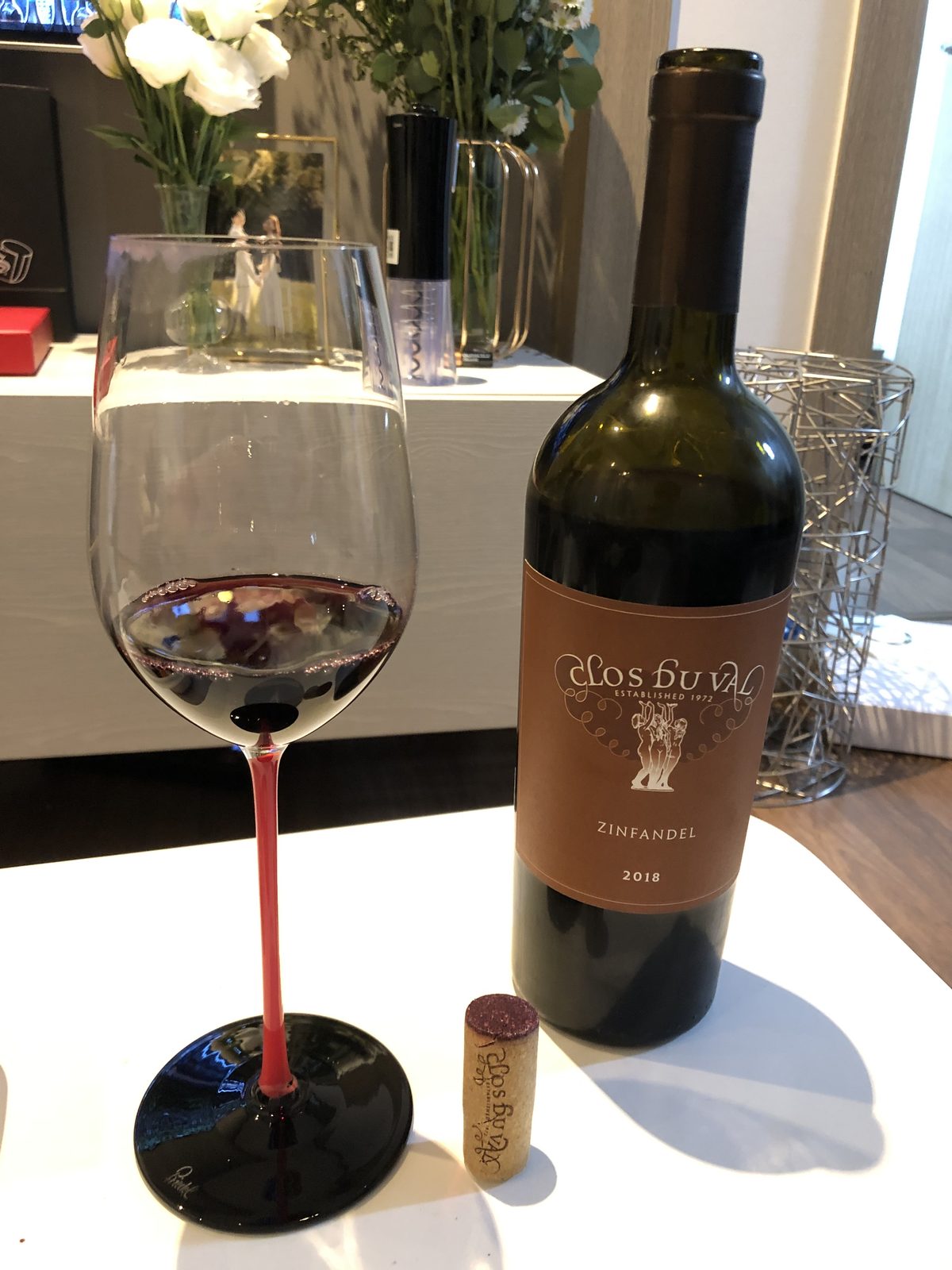
Clos du Val was founded in 1972 by John Goelet, who had gone looking for land capable of making world-class Cabernet Sauvignon and hired a Frenchman named Bernard Portet to find it. Portet’s father had been technical director at Château Lafite Rothschild; he had grown up on the other side of the argument about whether California could make wine that lasted. The estate’s first Cabernet — the 1972, made in its founding year — was one of six California reds poured at the Paris tasting of 1976, where it finished eighth of ten.
Eighth is not the part of the story that endures. Ten years later, the French judges asked for a rematch on the premise that the original result had been a fluke and that only French wines aged with finesse. The same 1972 Clos du Val Cabernet was poured again. It came first. A wine that had been middling on release had, by the only measure the challengers themselves had proposed, outlasted the field.
Why There Is a Zinfandel at All
None of which explains this bottle. When the estate was planted in 1972, a small block went to Zinfandel simply because Zinfandel was what people planted then — it was everywhere in Napa, it was old, and nobody had yet decided it was a lesser grape. The Cabernet became the identity. The Zinfandel stayed on, unhurried, for five decades.
That inheritance produces something unusual: a Zinfandel made by a house whose entire palate was formed by claret. Zinfandel, given its head, runs to jam, to heat, to sweetness masquerading as ripeness. Made by people who spend the rest of the year thinking about Cabernet structure, it tends instead to keep a spine and a finish, and to stop short of the register where the grape starts shouting.
2018
2018 was the calmest Napa growing season in years — a mild spring, a summer with very few days over 100°F, and a cooling trend from mid-August that let fruit hang two or three weeks longer than growers had recently been able to risk. After the heat of 2015 and the fires of 2017, it was the vintage where nothing went wrong, and the wines across the valley showed it: fragrant, balanced, with tannins that are polished rather than merely large.
In the glass at two years old, this was Zinfandel doing what an even season allows it to do — blueberry and ripe dark berry on the nose with a clove-and-baking-spice lift behind it, then plum and raspberry over a warm, toasty base, and enough tannin and grip at the end to keep the sweetness in check. It is a young wine, and unapologetically so. The interest is in how tidily it is held together.
One Glass, One Cork
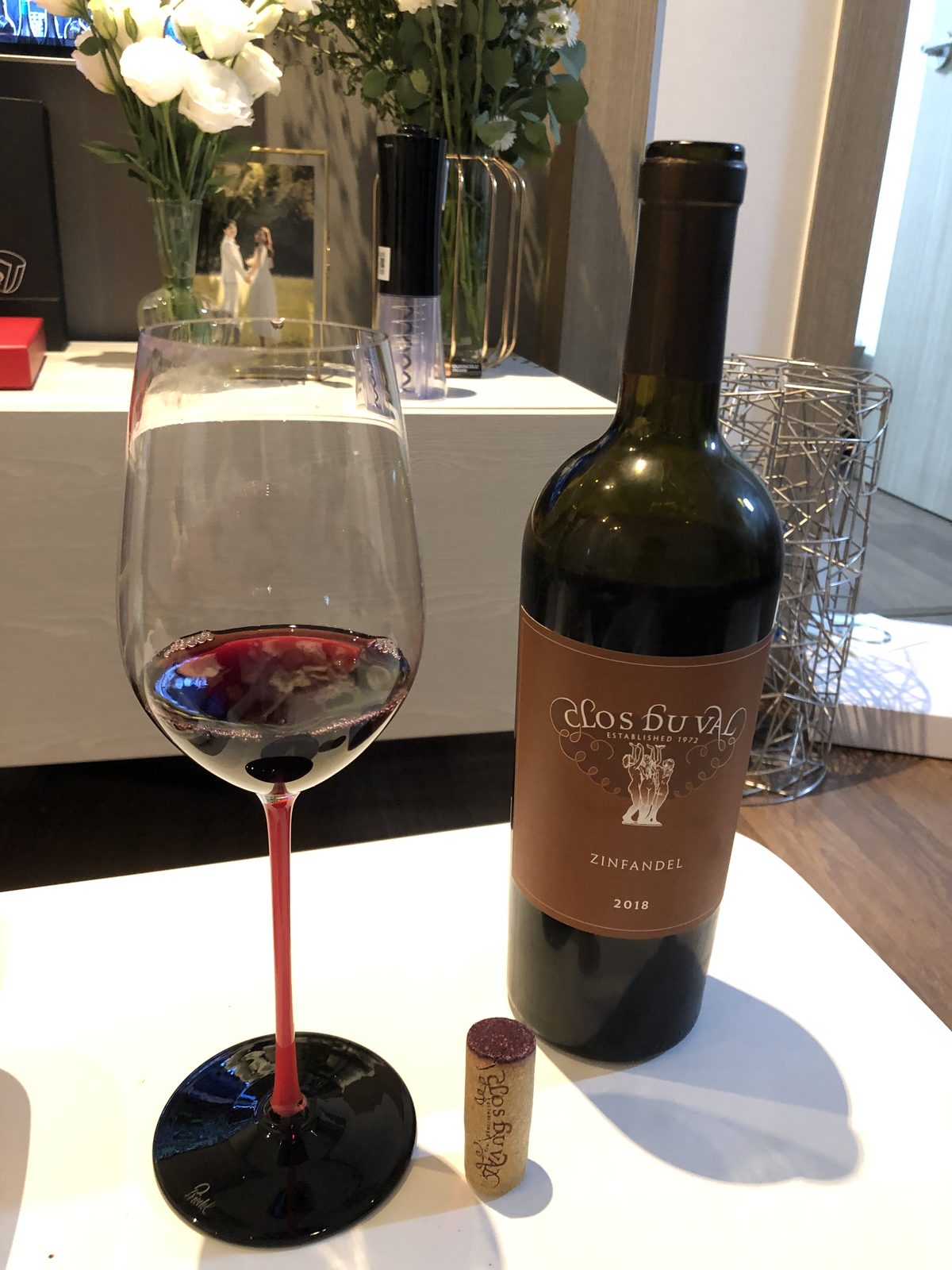
There was no occasion to it. A bottle, a single glass, the cork set down beside it on a white table at home, the evening’s flowers still in the vase behind. Zinfandel is the right grape for exactly this: no decanting ritual, no waiting, nothing that needs to be explained to anyone.
The estate that made it spent fifty years being praised for a different wine entirely — the Cabernet from its home vineyard in Stags Leap — and quite right, given how the 1972 aged. But there is something worth noticing about a house that keeps farming the block it planted out of fashion in its first season, long after the fashion moved on.