Two Hectares Called La Virgen
CVNE Pagos de Viña Real 2004
- Appellation
- Rioja DOCa
- Grapes
- Tempranillo
- Tasted
- 10 December 2020
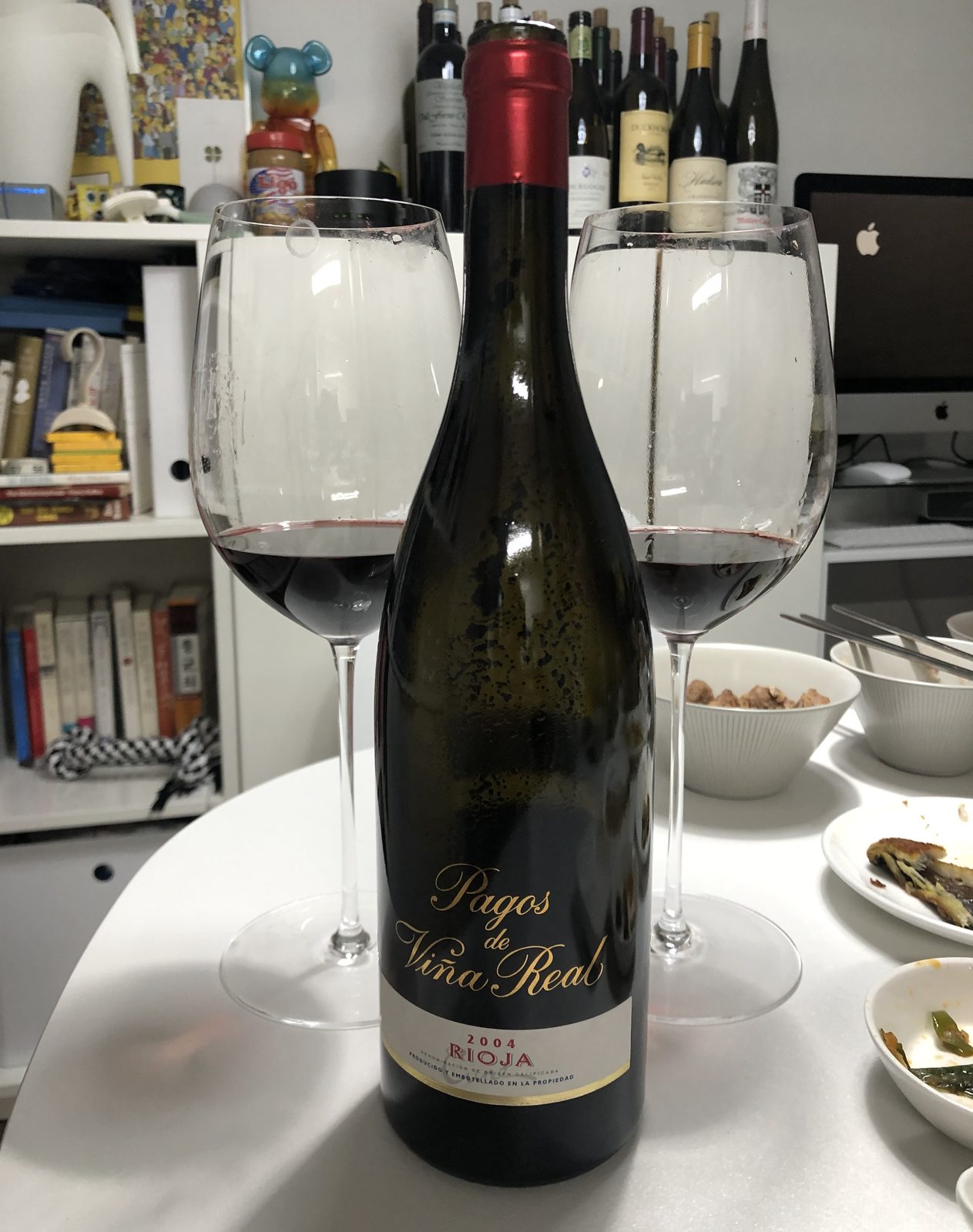
CVNE has been in Haro since 1879, and for most of that history the house has been an argument for the traditional Rioja idea: long ageing, blending across parcels, the vintage subordinate to the style. Pagos de Viña Real is the exception the house made to itself.
It comes from a single plot of two hectares, called La Virgen, in the San Cristóbal area of Labastida in Rioja Alavesa. The vines are Tempranillo, around forty years old, on clay with river pebbles scattered over the surface, facing south in the foothills of the Toloño range with the mountain taking the northern wind off them. August and September there are warm and sunny in the day and cold at night, which is the whole point: the sugar climbs slowly and the acid survives.
The winemaking is deliberately short by Rioja standards. Selection twice over, in the vineyard and again at the winery; a gentle fermentation with the vineyard’s own yeasts in small vats at around 28°C, with the cap punched down by hand each day; a few days of maceration afterwards; malolactic in French oak with the lees stirred. Then twelve months in barrel, and that is all. No reserva, no gran reserva, no decade in wood. The wine was first made after the 2001 harvest, and the house records it as the first wine produced at their new Viña Real winery.
2004
The Consejo Regulador rated 2004 excellent, and unlike some years that carry that rating out of politeness, this one has kept it. It sits with 2001, 2005, 2010 and 2011 in the short list of genuinely great Rioja vintages of the century, and among those it is the one most often named first.
In the Glass
Sixteen years on, opened on a weeknight after work, the wine had reached the age where the argument about Rioja styles stops being interesting.
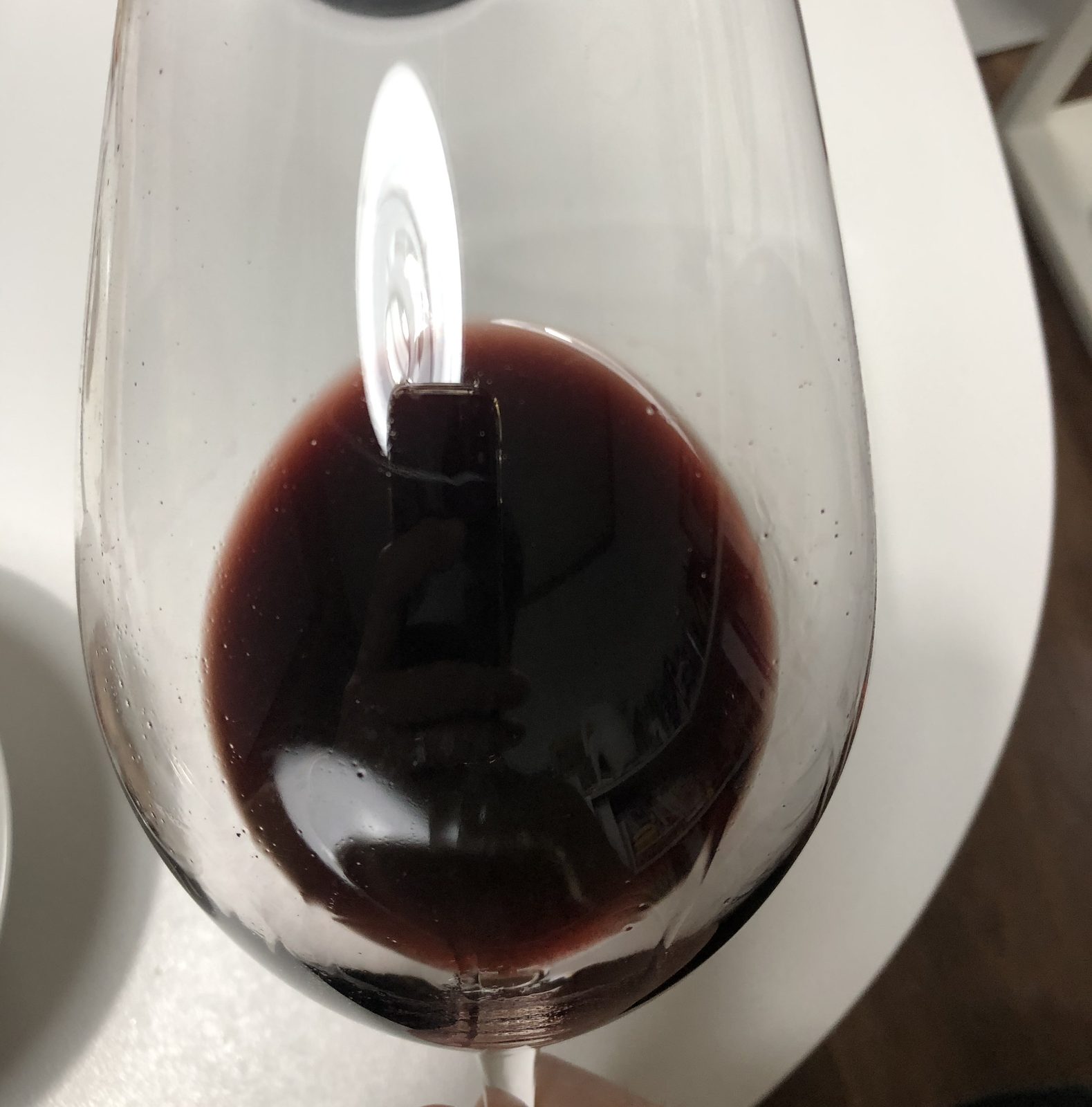
The colour was still deep and dark — considerably darker than a Rioja of that age raised the long traditional way — with the garnet only just beginning to show at the rim. The nose was black fruit before red: ripe plum and blackberry, then leather, sweet tobacco leaf, and a fine cedar note where the oak had gone from a flavour to a texture. There was none of the coconut and dill that the old American-oak Riojas wear so openly, and none of the raw sweetness that the newer French-oak ones sometimes wear instead.
On the palate it was full but not heavy, held together by the acidity that those cold Alavesa nights are there to preserve. The tannins had gone from firm to fine and were doing structural work rather than making themselves felt. The finish was long and dry, with the fruit leaving before the savoury part did.
Twelve months in oak, and it had a decade and a half of life behind it and no obvious hurry. It is a reasonable answer to the question of how much wood a great Tempranillo vineyard actually needs.
For Rioja in its most traditional form, see the Castillo Ygay Gran Reserva Especial 1970; for the white opened later the same evening, the E. Guigal Côtes du Rhône Blanc 2016.