The Ugly Duckling Year
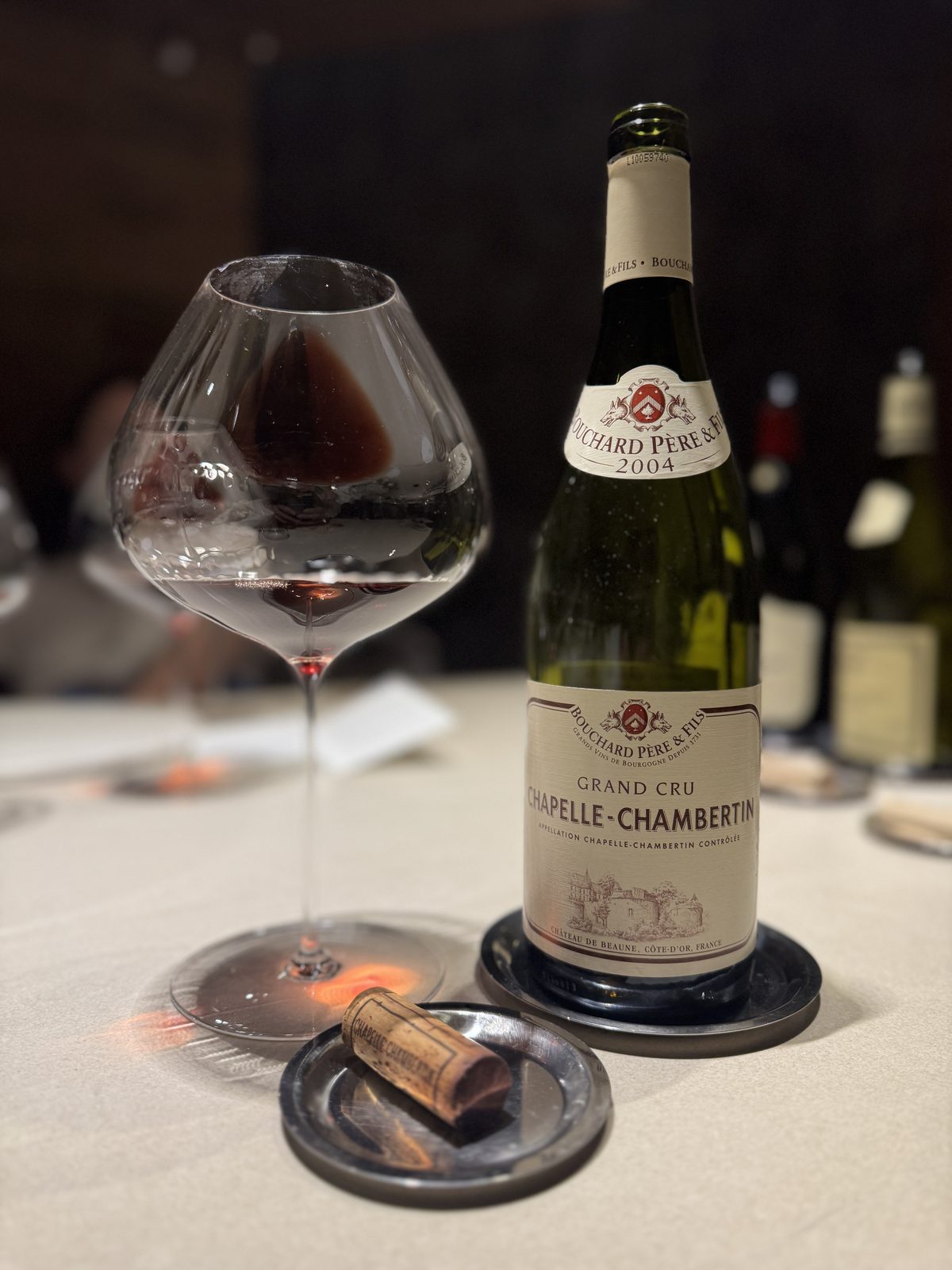
2004 spent two decades as Burgundy's unloved vintage. At twenty-two, this Chapelle-Chambertin made the case for patience — quiet, lacy, held up by acidity that finally learned its manners.
a fine wine tasting archive
8 notes
2004 spent two decades as Burgundy's unloved vintage. At twenty-two, this Chapelle-Chambertin made the case for patience — quiet, lacy, held up by acidity that finally learned its manners.
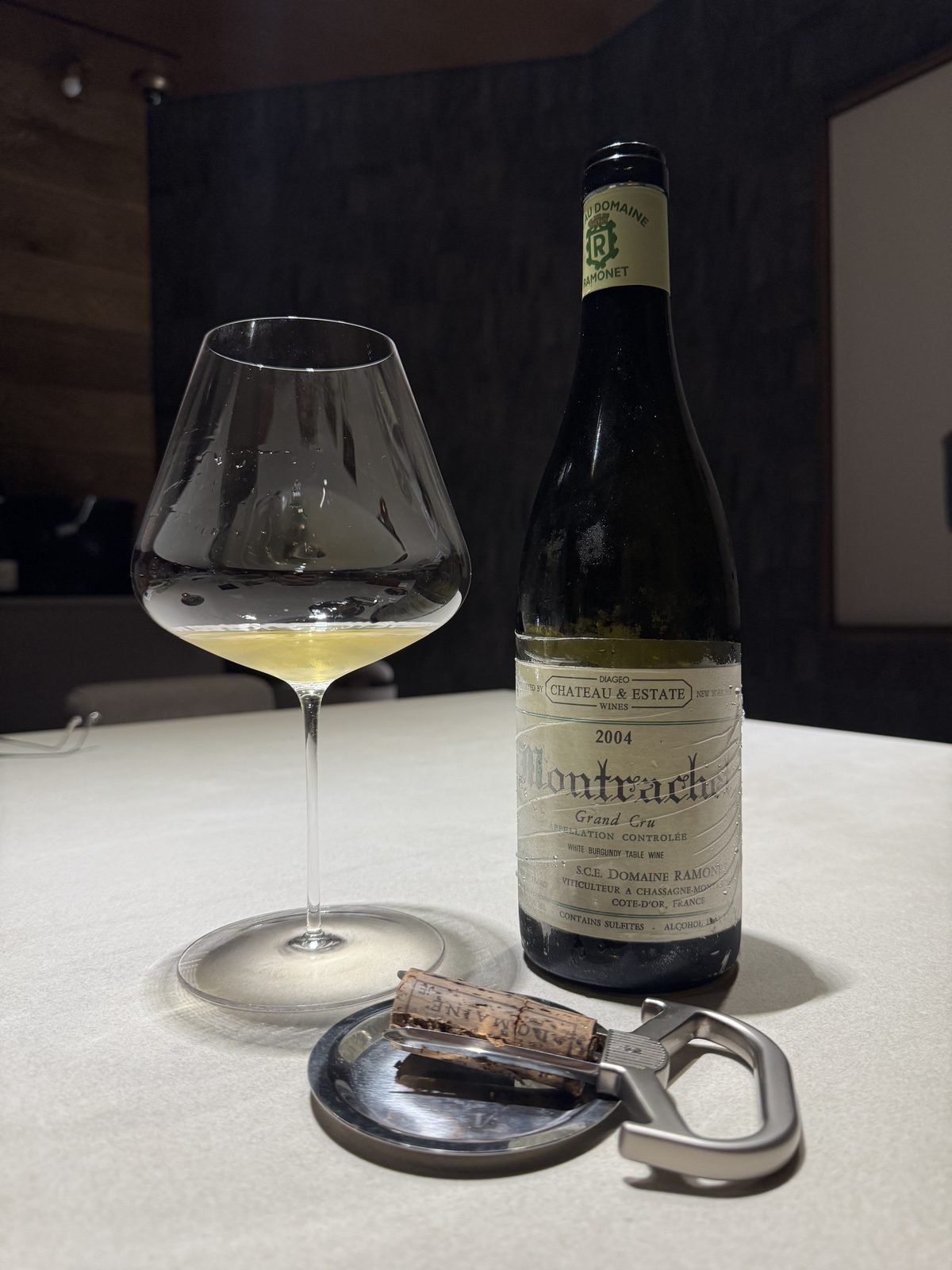
Le Montrachet is 7.48 hectares in total; Ramonet's share is 0.26 — some 1,200 bottles a year from a parcel Père Ramonet secured in 1978. A cool, high-acid vintage, deep gold after twenty-two years.
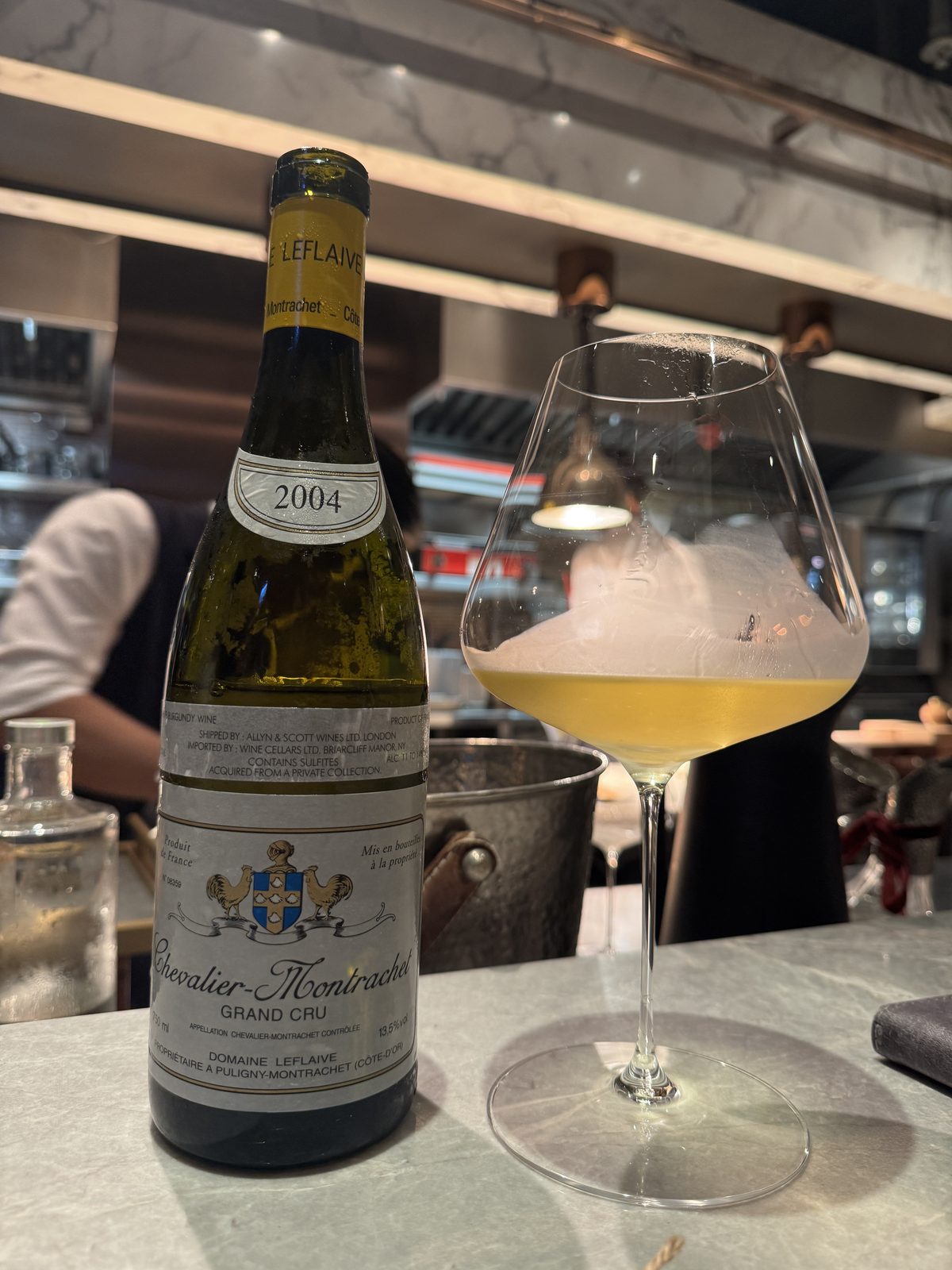
When words fall short of gratitude, there is always the upper slope of Puligny. Twenty-two years on, Leflaive's flagship grand cru still held its chalk-and-steel spine beneath layers of honey and toasted bread.
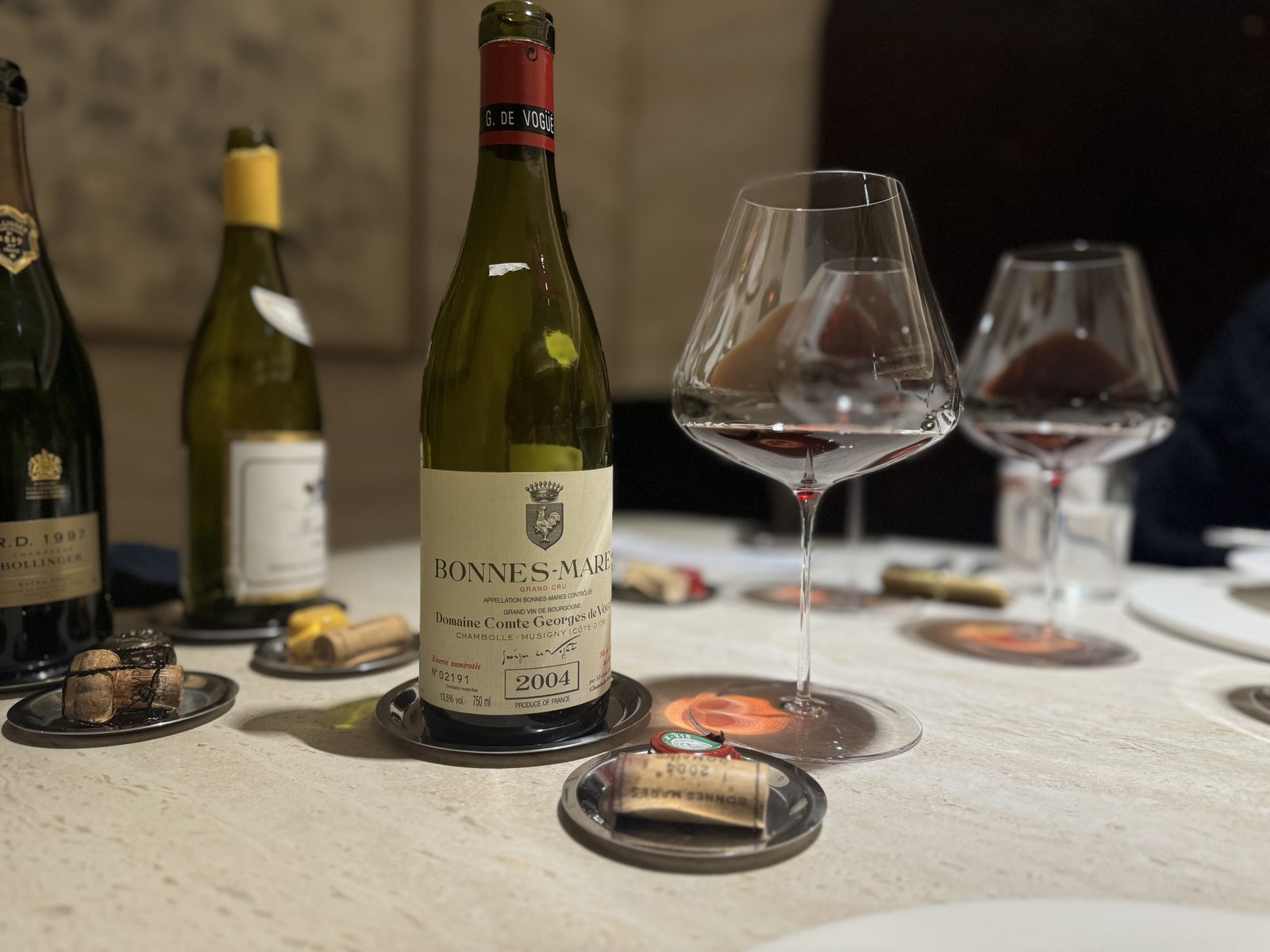
One vineyard, two soils. De Vogüé's parcel sits on the red, clay-heavy terres rouges — where the domaine's Musigny is silk, this is muscle. At twenty years, the 2004 was only just beginning to open its door.
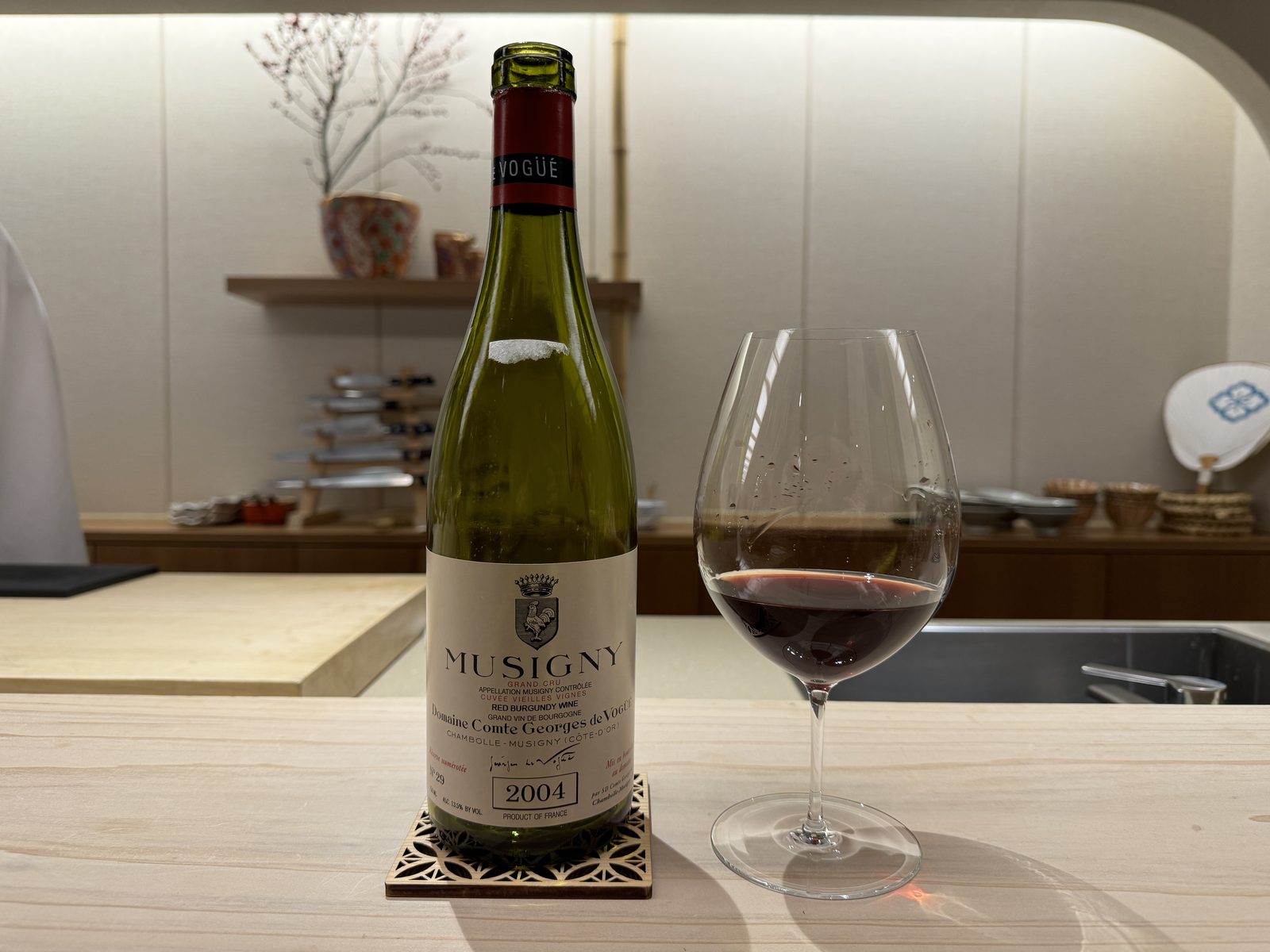
At de Vogüé, 'Vieilles Vignes' is not a special edition — it is the only Musigny the house makes. Twenty years on, the 2004 arrived as texture before aroma: liquid silk over a tension that still hasn't let go.
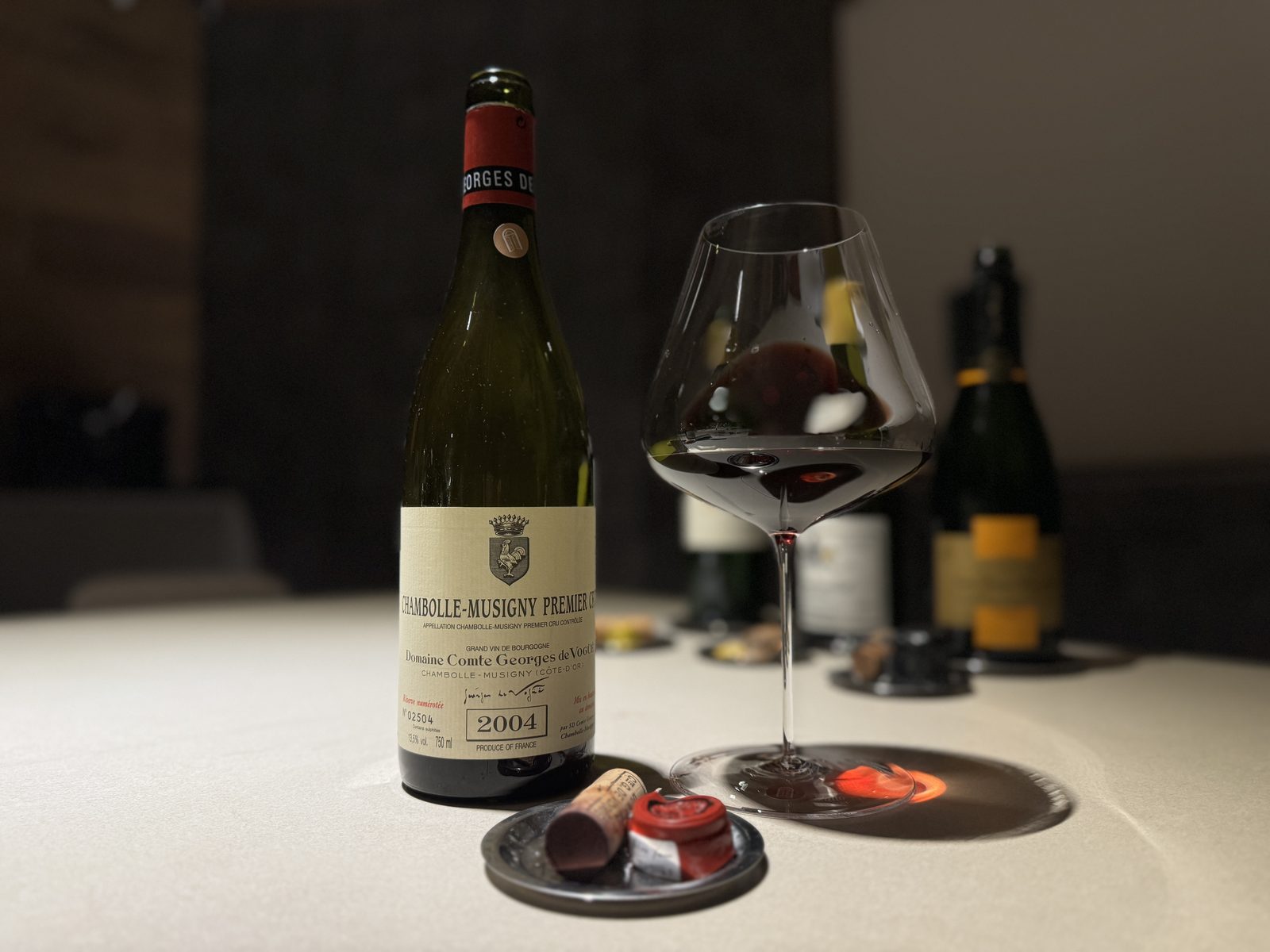
The label says premier cru; the fruit comes from the Musigny grand cru itself — young vines, declassified to protect the old-vine cuvée. Twenty years on, this 2004 smelled of forest floor and carried none of the vintage's feared green edge.
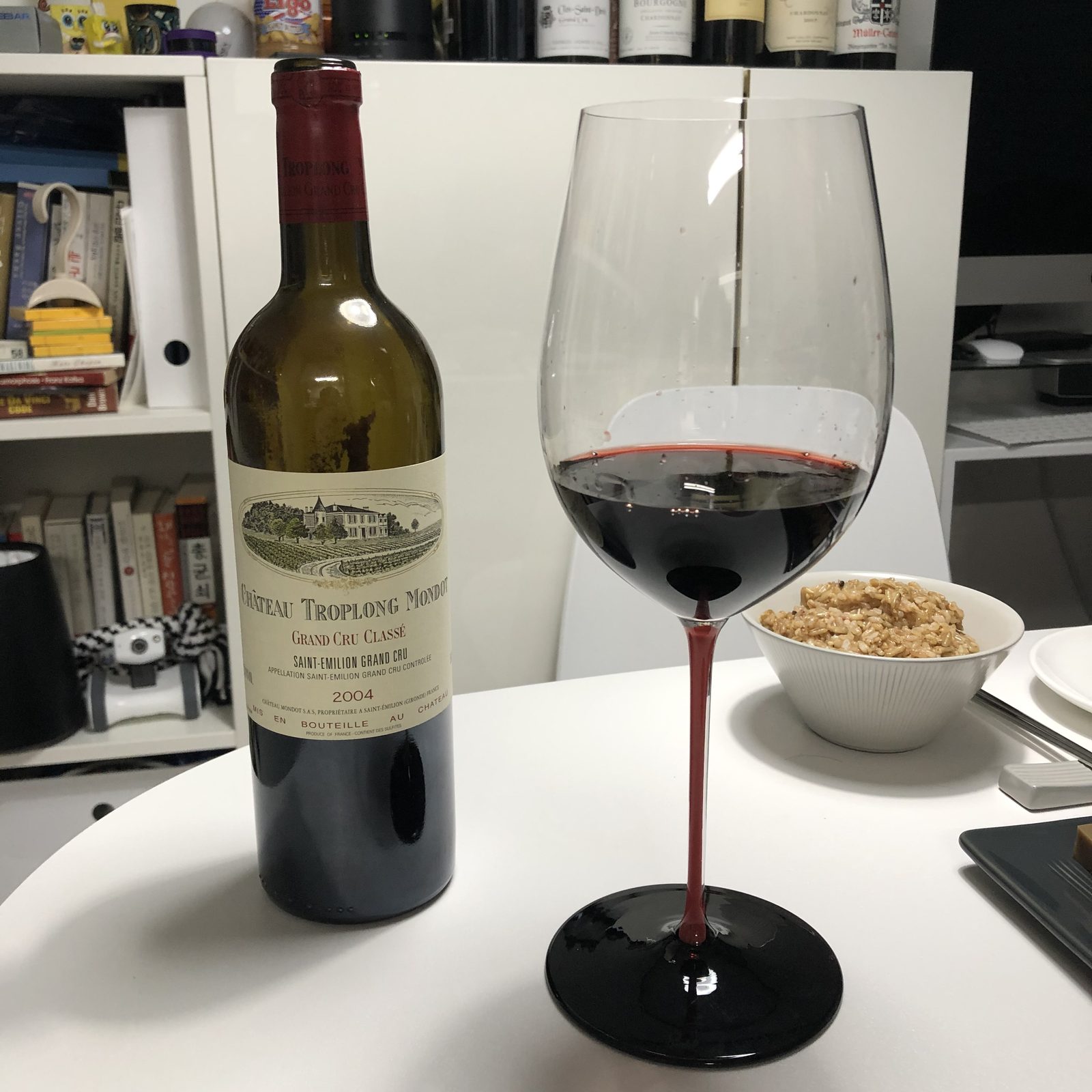
Troplong Mondot sits on the highest ground of Saint-Émilion, clay over limestone beside a water tower visible for miles. The 2004 — a quiet vintage between two loud ones — was drinking at full stride at sixteen years.
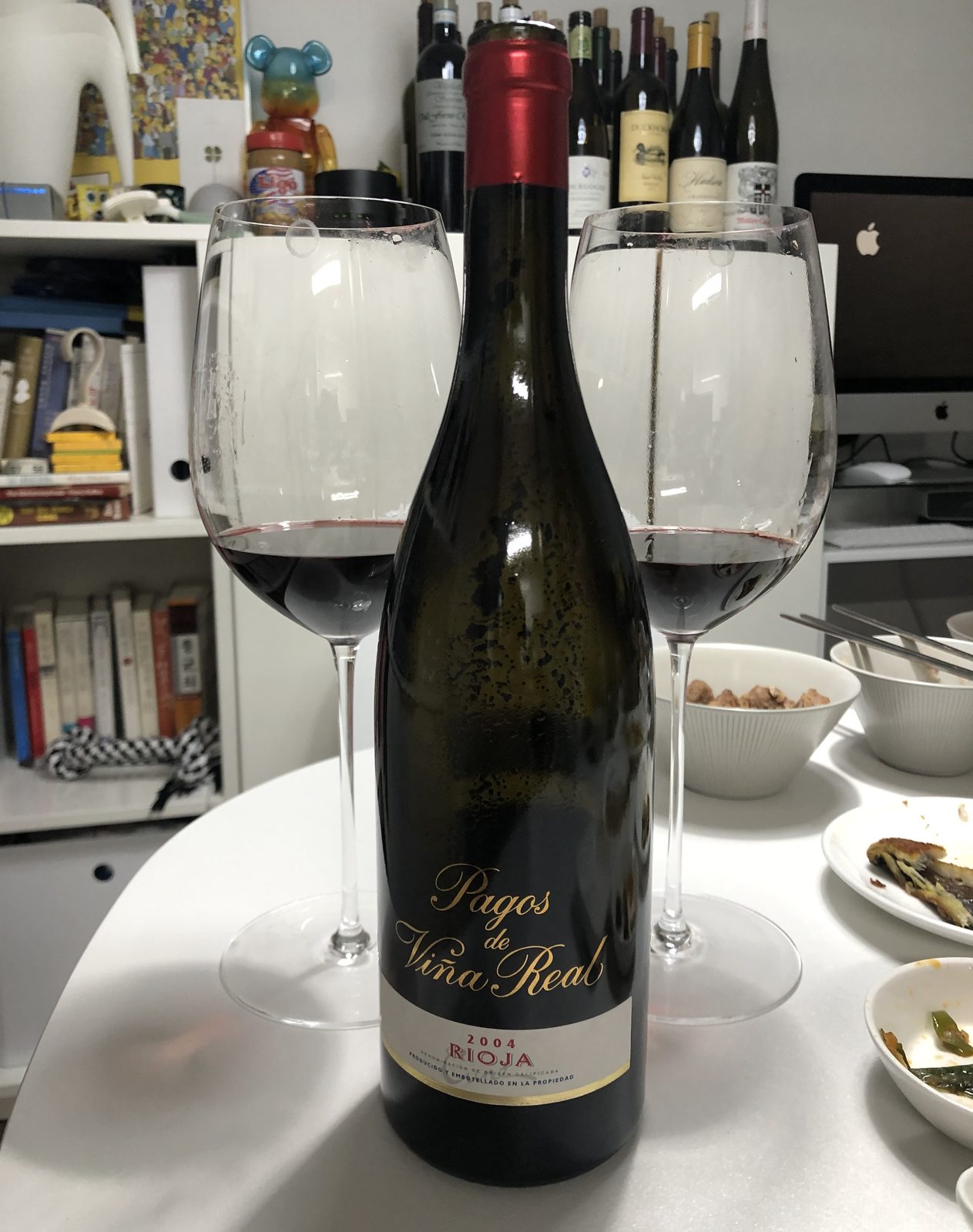
A two-hectare plot in Labastida, forty-year-old Tempranillo, twelve months in oak, and one of the great modern Rioja vintages. Sixteen years on it had shed the label 'modern' altogether.