The Plateau Above Saint-Émilion
Château Troplong Mondot 2004
- Producer
- Château Troplong Mondot
- Appellation
- Saint-Émilion Grand Cru
- Grapes
- Merlot, Cabernet Sauvignon, Cabernet Franc
- Tasted
- 22 December 2020
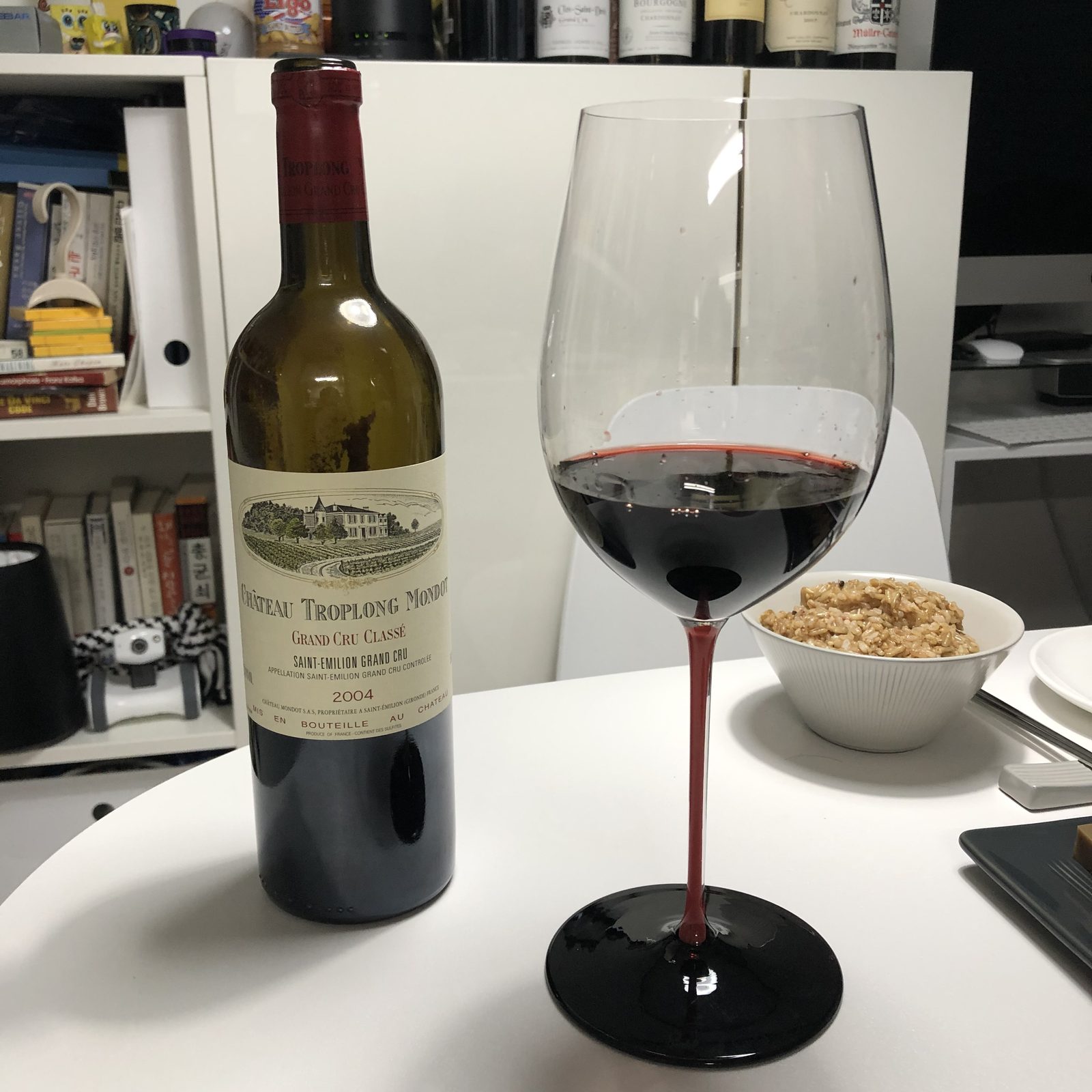
Saint-Émilion’s most valuable geology is its limestone plateau, and Troplong Mondot occupies the highest part of it — the vineyard climbs to the water tower that marks the literal top of the appellation, a short walk east of the village with Pavie as a neighbour down the slope. Thirty-odd hectares in one piece, overwhelmingly Merlot, on clay over hard limestone: the recipe for wines of density and grip rather than charm.
That has always been the house’s temperament. Through the 1990s and 2000s, under Christine Valette, Troplong Mondot made some of the most unapologetically concentrated wine on the Right Bank — a style that divided critics in exactly the way ambitious Saint-Émilion always has, and that was rewarded with promotion to Premier Grand Cru Classé in 2006. The estate’s later era softened the extraction; the wines of this period remain documents of the fuller style.
2004, the Quiet Year
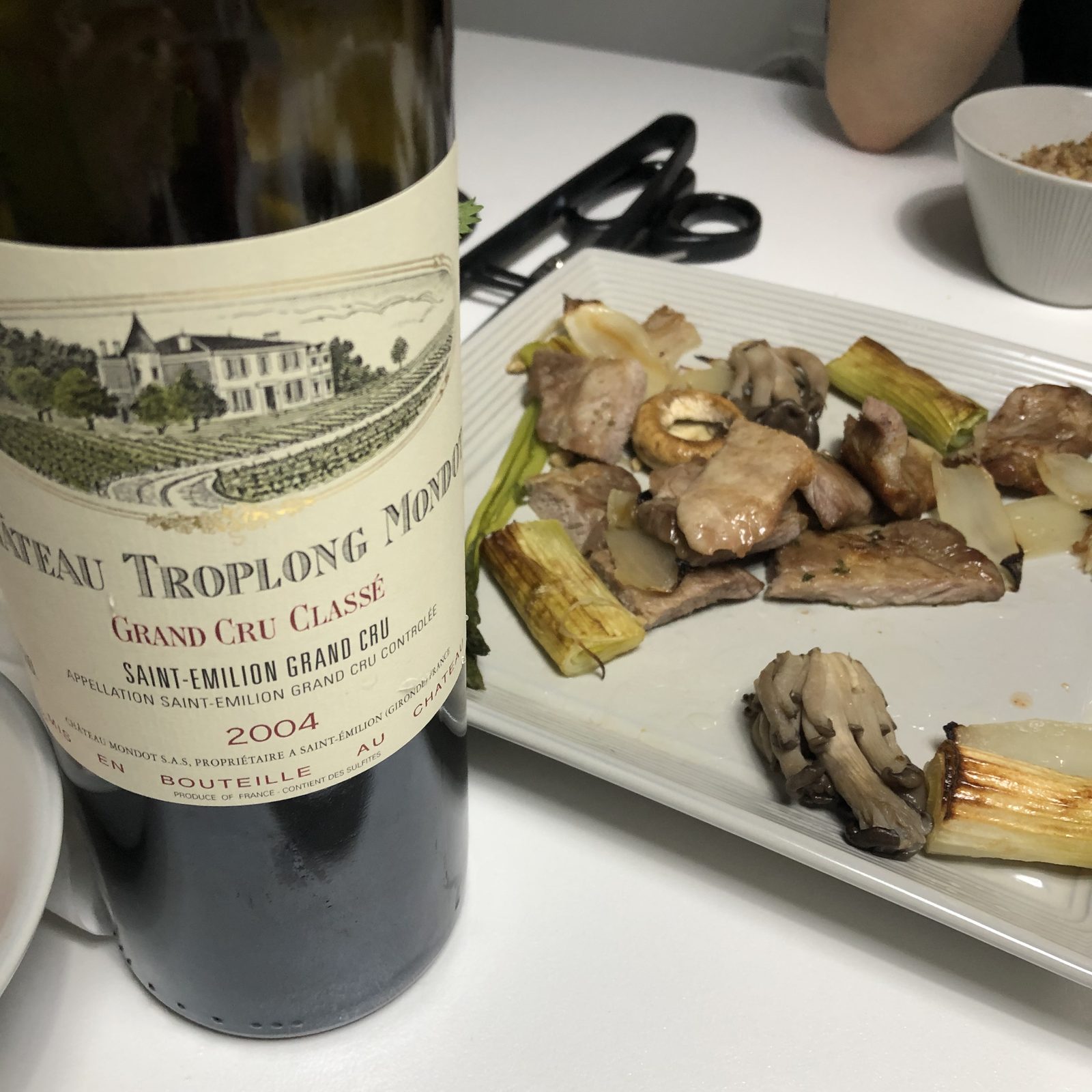
2004 had the misfortune of standing between 2003’s heat spectacle and 2005’s coronation, and the market never quite forgave it for being normal. It was a big, late, classically-paced harvest, and the best Right Bank wines of the year traded opulence for definition. Troplong Mondot was widely counted among the successes of the appellation that year — a wine of blackberry and cassis over clove, dark chocolate and a minty lift, with the firm, grainy tannin of the plateau underneath.
The vintage’s reputation for sternness was mostly a comment on its youth. At sixteen years, this bottle had arrived at the point the structure was always aiming for: the tannin folded in, the fruit turned from black to preserved, a little truffle and tobacco at the edges, and the freshness — the real virtue of 2004 — still running through the middle. Not a profound wine, but a complete one, with no apologies left to make.
A Home Table
It was opened at home, three nights before Christmas, poured into a single large-format glass and drunk over a long dinner without ceremony. Wines from overlooked vintages are well suited to that setting. Nobody at the table needs convincing, the bottle costs its own story nothing, and sixteen years of patience — the estate’s in the cellar, then ours — pays out quietly, glass by glass.