Sixteen Years, Then Disgorged
Dom Pérignon P2 Vintage 2000
- Producer
- Dom Pérignon
- Appellation
- Champagne
- Grapes
- Chardonnay, Pinot Noir
- Tasted
- 26 December 2020
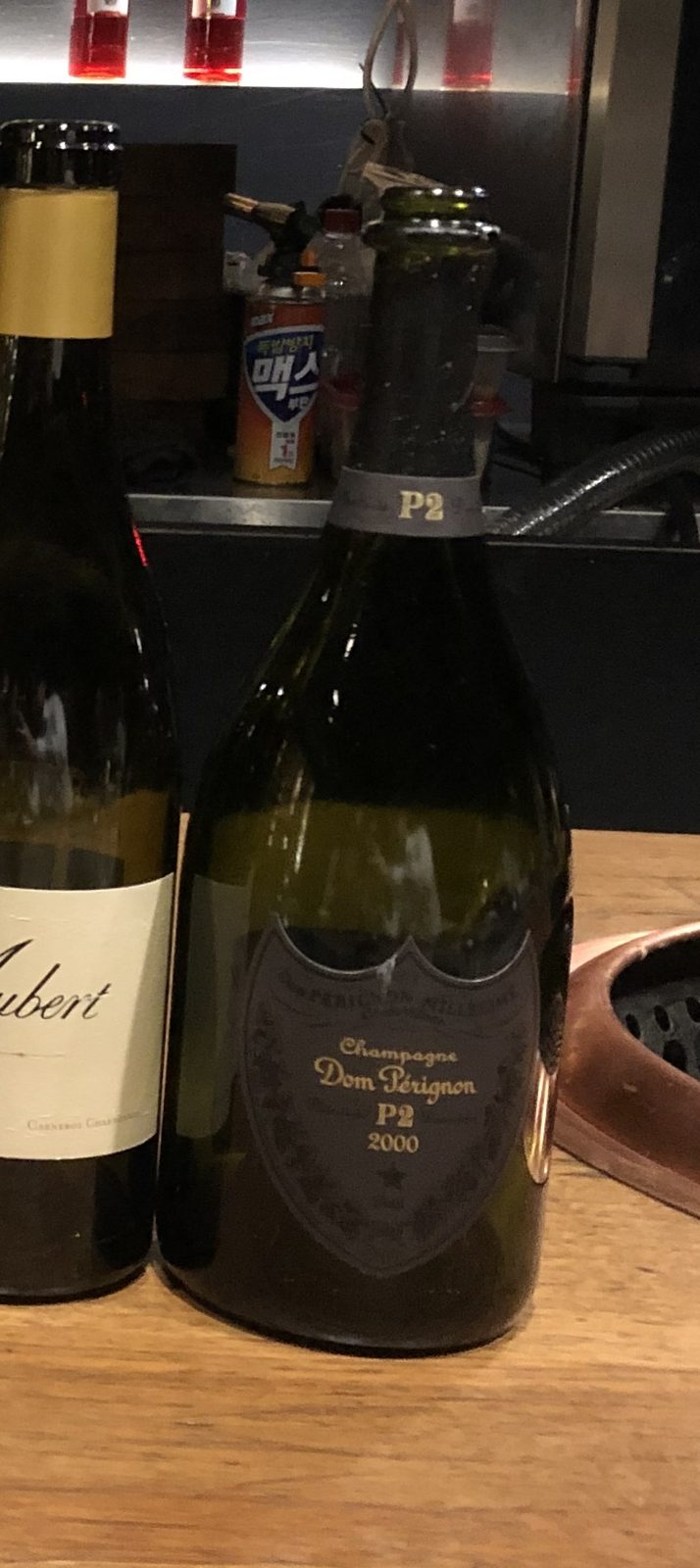
The proposition behind the letter and the number on this neck label is unusually specific for a large house. Richard Geoffroy, who ran the cellar at Dom Pérignon for three decades, held that the wine does not improve along a smooth curve but arrives at a series of plateaux — plénitudes — separated by stretches where nothing much is gained. The first comes at around eight or nine years and is the wine everyone knows. The second comes at about sixteen. The third is much later still.
P2 is the second of those, and it is not a different cuvée. It is the same wine, from the same vintage, held in the cellar on its lees for roughly twice as long before being disgorged. The 2000 P2 was disgorged and released in 2017, seventeen years after the harvest.
What the Extra Time Does
Time on lees is not simply time. As long as the wine is sitting on the spent yeast, the yeast is breaking down into it, and the wine is sealed away from oxygen under a crown cap. Disgorgement is the beginning of the clock the drinker experiences; everything before it happens in a different regime.
Doubling that period changes the texture more than the flavour — the mousse gets finer, the wine gets broader through the middle, and the toasted, savoury register that lees contact produces becomes structural rather than decorative. What it also does is reset the wine’s youth at the point of release, which is the commercial argument as much as the oenological one.
The Millennium Vintage
2000 was not a straightforward year in Champagne. There was frost in the spring, then abrupt heat through the summer, then erratic rain — a season with large thermal swings that on paper should not have produced a vintage wine at all. August turned settled and the harvest came in under good conditions, which is most of the story of why the year was declared.
The house released a 2000 as a vintage wine, and the reputation it acquired was for charm rather than power: floral, open, and easy to like early. A wine of that shape is an interesting candidate for another eight years under cap, because charm is usually the first thing a long élevage takes away.
In the Glass
Twenty years after the harvest and three after disgorgement, this was neither young nor old but somewhere the ordinary vocabulary does not cover well.
The nose is toast and brioche first, then salted hazelnut, then white peach — and behind all of it a savoury, faintly truffled note that is the lees speaking rather than the fruit. The florality the vintage was known for is still there, further back.
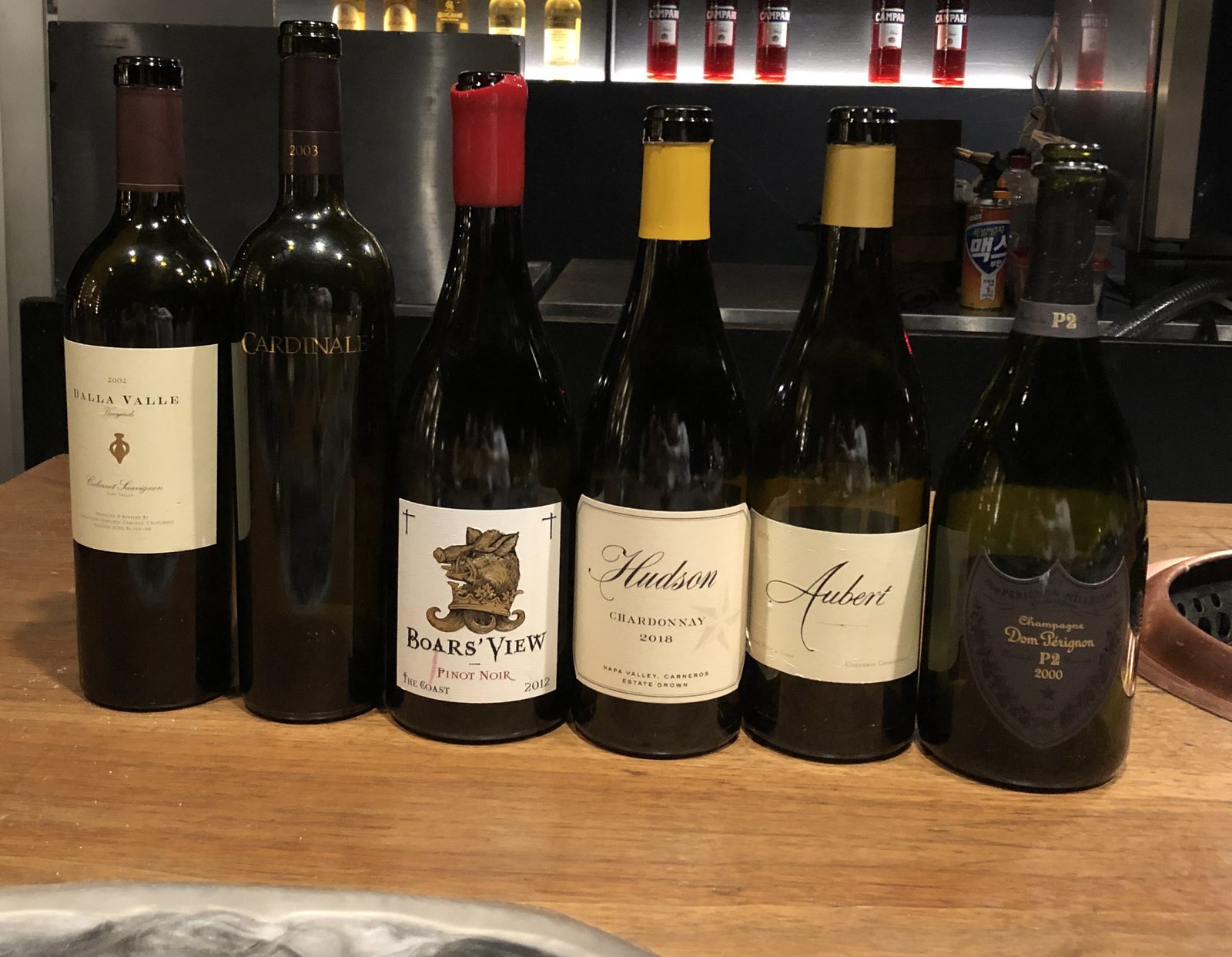
The mousse is very fine, and the wine floats rather than fizzes. The palate is broad and deep through the middle with no heaviness at all, and the finish runs on much longer than the weight of it would predict. It was opened last on a table of five, after two Napa Cabernets, a Sonoma Coast Pinot Noir and a Carneros Chardonnay, and it was the wine that made the room go quiet.
The rest of that evening: Dalla Valle Cabernet Sauvignon 2002, Cardinale 2003, Boars’ View ‘The Coast’ Pinot Noir 2012 and Hudson Chardonnay 2018. For the same idea in other bottles, see the Dom Pérignon P2 2008 and the Dom Pérignon Œnothèque Vintage 1985 — Œnothèque being the name the house used for these releases before the Plénitude system replaced it.