The Grower Who Kept Some Back
Hudson Chardonnay Napa Valley Carneros 2018
- Producer
- Hudson Vineyards
- Appellation
- Los Carneros
- Grapes
- Chardonnay
- Tasted
- 26 December 2020
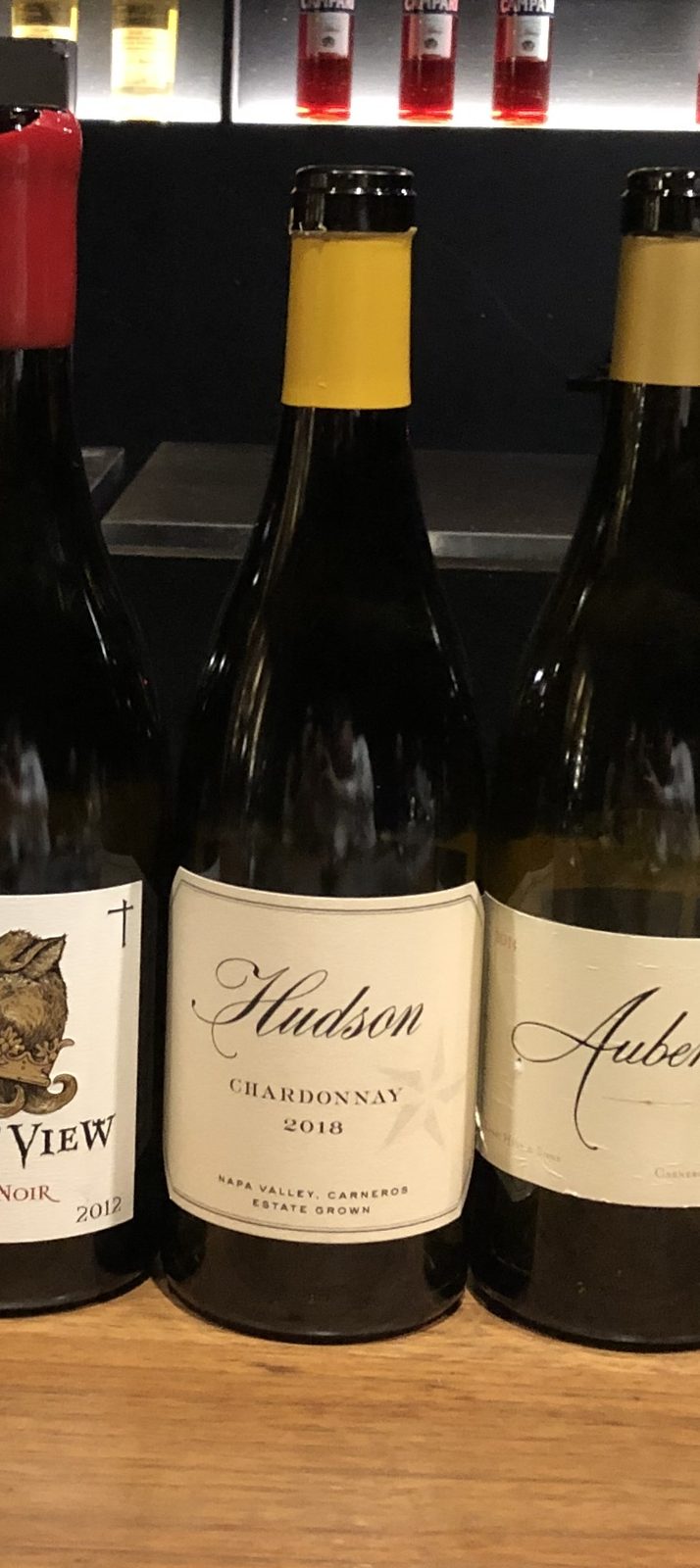
For most of its existence, Hudson Ranch was a name you found in the small print. Lee Hudson bought two thousand acres in Carneros in 1981 and spent the following decades developing it into one of the most requested fruit sources in northern California — the sort of vineyard whose name appears on other wineries’ labels because it sells the bottle.
The land was called Talcoa before he had it, from an indigenous name that is usually rendered as “laughing land,” for the wind that runs across it constantly. That wind, and the fog off San Pablo Bay, are the whole reason the district works: Carneros sits at the cold southern end of both Napa and Sonoma, and its growing season is long and moderate in a way that almost nowhere further north can manage.
Horticulture First
Hudson’s training was not conventional for a Napa proprietor. He took a horticulture degree at the University of Arizona and then went to Burgundy in 1975 to study viticulture, spending time at Domaine Dujac. He came back to California a farmer with a specific idea of what farming was for, and what he built reflects it — roughly two hundred acres of vines inside a much larger property run as a polyculture, with trees, native grasses, cover crops, bird boxes and a permanent team of around thirty-five people.
The estate bottling is the part he kept. This one comes off Block E, one of the original plantings from the 1980s.
A Cool Year, Picked Late
2018 was a slow, generous season in northern California, cooler than 2011 by some accounts — which is saying a good deal, since 2011 had been the benchmark for cold. Ripening never accelerated. Growers who normally finish Chardonnay in September found themselves picking it in October, and the crop was large as well as late.
In a district already defined by a long, cool cycle, that produces something particular. The extra hang time builds weight and texture; the cool cycle keeps the acid underneath it. It is the combination Carneros is planted for, arriving in a year that supplied more of both than usual.
In the Glass
Two years old, and drinking as a young wine that had been made to be drunk rather than stored.
The nose is stone fruit first — nectarine and white peach — then a floral, almost tropical top note, and behind that a spiced, earthy depth that keeps it from reading as simply fruity.
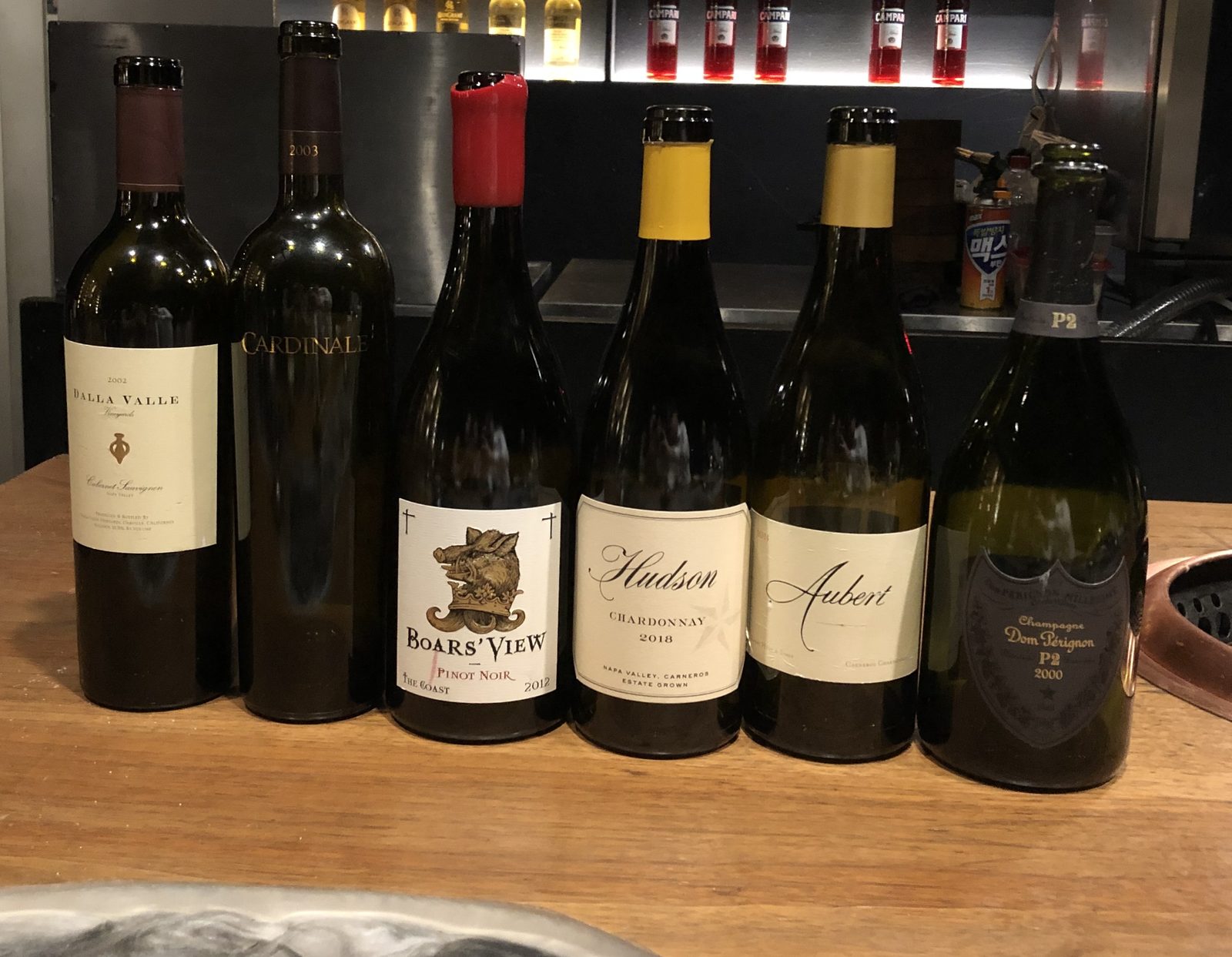
The palate is full-bodied, rich and concentrated, with the texture doing most of the work. There is real weight in the middle, and the acidity comes in underneath at the end and cleans it up. It was the only white on the table that evening apart from the Champagne, opened between a Pinot Noir and two Cabernets, and it held the position without difficulty.
Alongside the Boars’ View ‘The Coast’ Pinot Noir 2012, the Dalla Valle Cabernet Sauvignon 2002, the Cardinale 2003 and the Dom Pérignon P2 2000.