The Vintage That Jumped the Queue
Dom Pérignon Vintage 2009
- Producer
- Dom Pérignon
- Appellation
- Champagne
- Grapes
- Chardonnay, Pinot Noir
- Tasted
- 31 December 2020
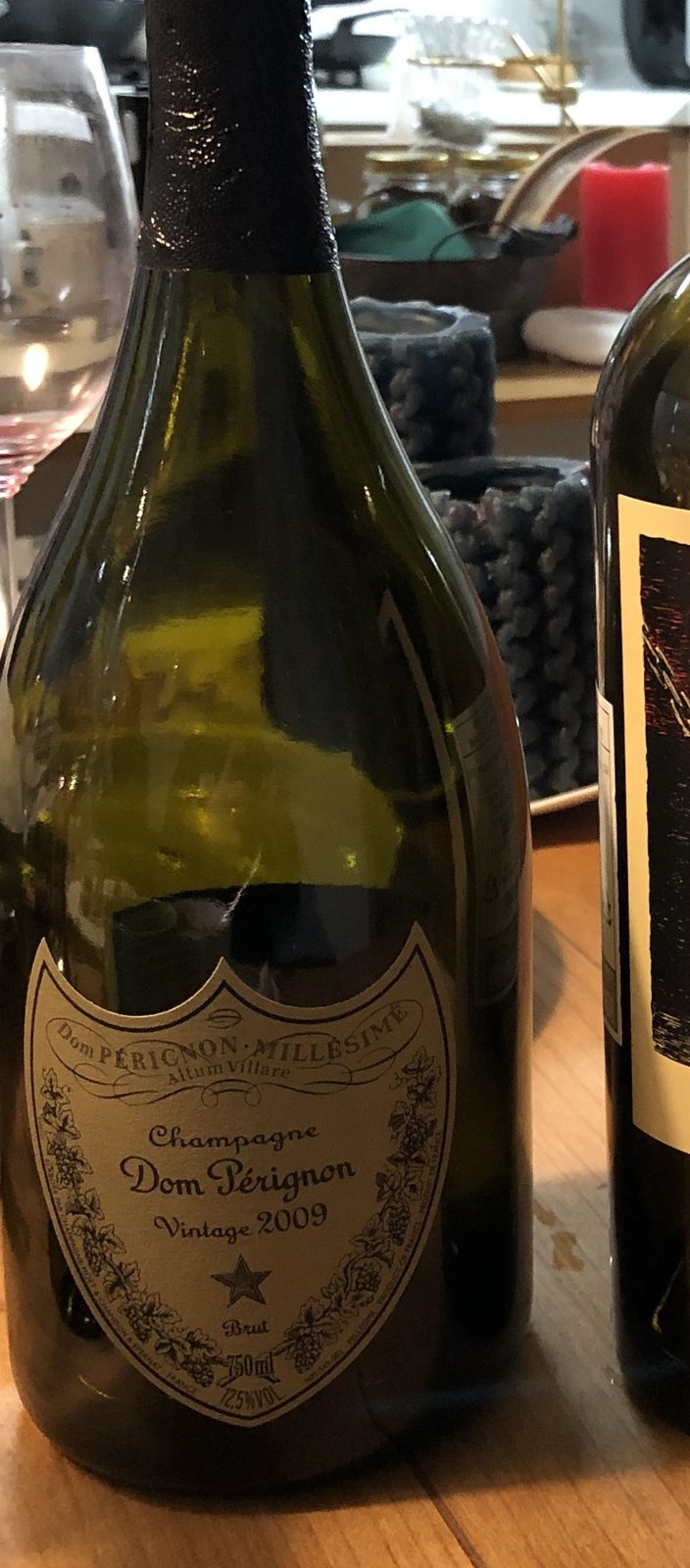
Dom Pérignon does one thing every time: it declares a year, ages it, and releases it. The years come out in the order they went in. That had been true for as long as the house had been making vintage Champagne, which is the only kind it makes.
Then, in 2017, the 2009 appeared and the 2008 did not.
It was the first non-consecutive release in the house’s history, and the explanation Richard Geoffroy gave was disarmingly practical. The 2008 was not ready. It was a cool, high-acid year, and the wine needed longer on its lees before the acidity would sit inside the house style rather than in front of it. The 2009 was the opposite kind of year — warm, ripe, generous — and it had arrived where it needed to be. So the house let it go first and made the 2008 wait.
Fruit, Glorious Fruit
The 2009 growing season had not begun as a warm year’s story. A hard winter gave way to a mild, wet spring, flowering was difficult, and mildew pressure ran high enough to worry people. July brought storms. What saved it was August: hot and dry, without a break, straight through to a harvest that began on 12 September in near-ideal conditions.
Geoffroy’s own summary of the vintage was two words repeated — fruit, glorious fruit — and he was candid that the house drew on what it had learned handling 2003, the other conspicuously warm year in recent memory, in deciding how to make this one. A ripe year in Champagne is not a gift so much as a different problem: the sugar arrives easily and the tension has to be protected rather than achieved.
In the Glass
Eleven years from harvest, three from release, and opened at home on the last night of the year — which is exactly the kind of occasion this bottle was designed to survive being poured at.
The colour was full for a Dom Pérignon of that age, deep straw with the beginnings of gold. The nose led with ripe orchard fruit — white peach, poached pear — rather than the citrus austerity of the cooler declarations, and behind it came the house signatures: toasted almond, a little brioche, the faint iodine-and-smoke note that shows up when the wine has had enough time.
On the palate the ripeness was obvious and unapologetic, a broad, fleshy middle with real weight to it. The acidity was present but it worked underneath the fruit rather than cutting across it, and the finish carried a gentle bitterness that kept the whole thing from turning soft. It was a generous, immediately legible Champagne — not a wine that asked to be waited for.
Which is, in the end, the point of the release order. The 2009 was let out first because it was finished. The 2008 was held because it was not, and a house that had never broken its own sequence decided that readiness mattered more than tidiness. That patience turned out to be the right call — the 2008 in its second plénitude is a wine built on exactly the acidity that had needed the extra years.
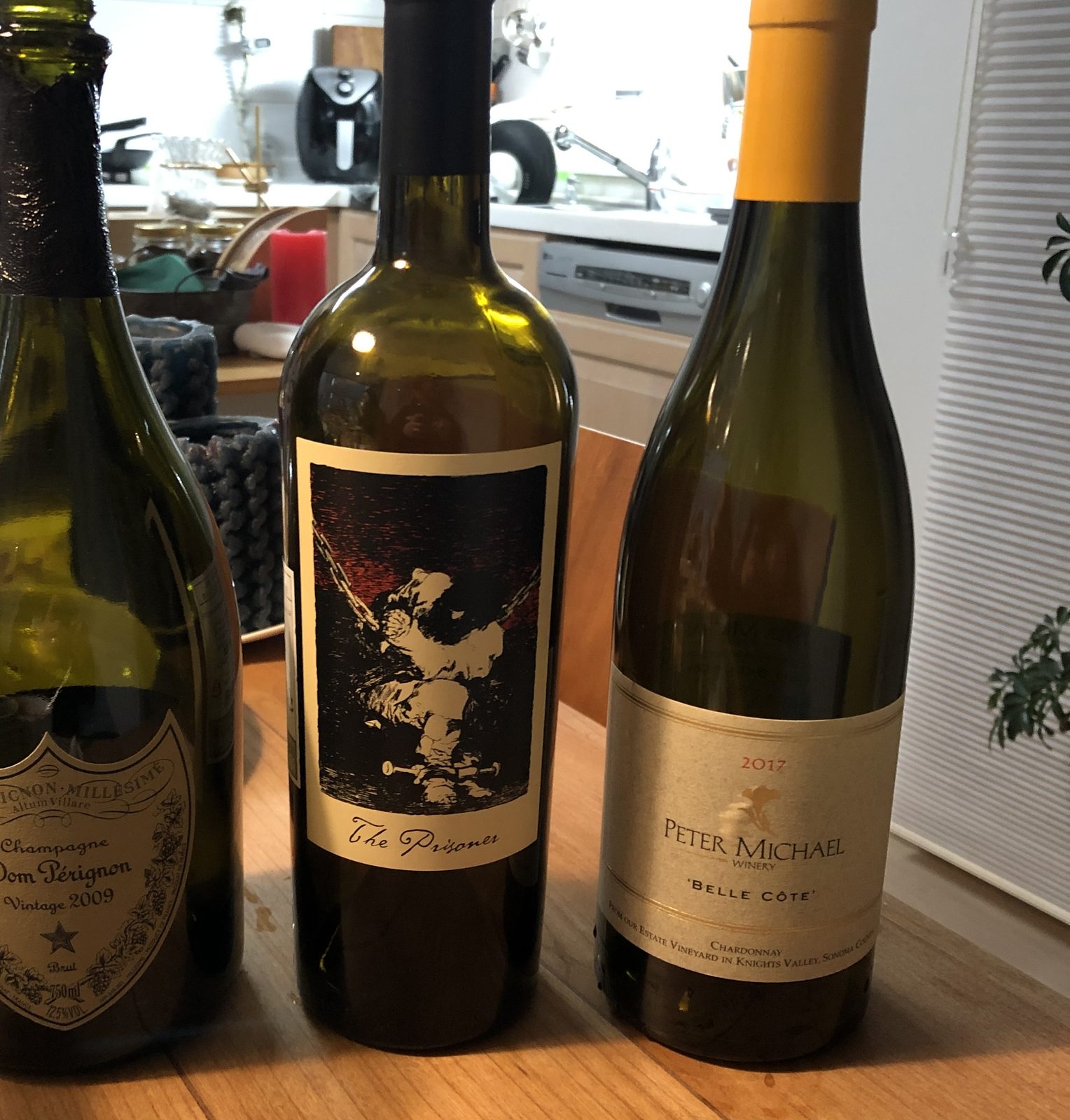
Opened alongside the Peter Michael ‘Belle Côte’ Chardonnay 2017. In the same winter, the P2 2000 and the Œnothèque 1985 had come out of the same cellar.