Ten Years of Reserve
Charles Heidsieck Brut Réserve
- Producer
- Charles Heidsieck
- Appellation
- Champagne
- Grapes
- Chardonnay, Pinot Noir, Pinot Meunier
- Tasted
- 2 January 2021
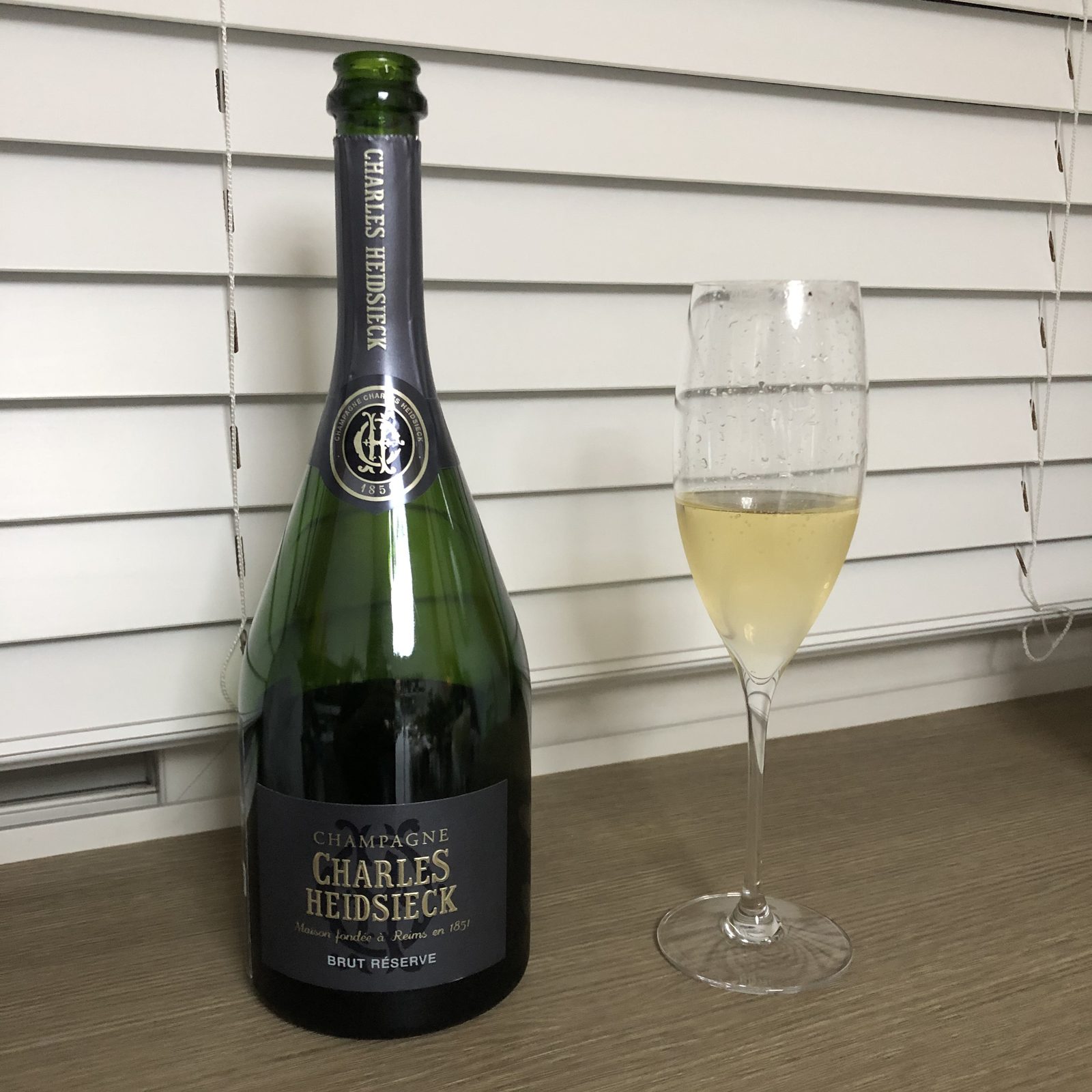
Non-vintage is a misleading word. In most houses it describes a base year with a modest correction blended in — reserve wine as insurance, not as ingredient. Charles Heidsieck’s Brut Réserve is built the other way around, and the name is not decoration.
The blend runs roughly forty percent Chardonnay, forty percent Pinot Noir and twenty percent Meunier, drawn from around sixty crus. About half of it is reserve wine, and those reserves average ten years of age, held in stainless steel for anywhere from five to fifteen years before they are called on. The base wines are fermented and aged in steel to keep them bright; the complexity is supposed to come from the older half, not from wood.
Then the assembled wine goes underground into the crayères — the chalk pits beneath Reims, quarried by the Romans, bought by Charles-Camille Heidsieck after he founded the house in 1851, and now on the UNESCO list. Everything the house makes ages down there.
Thibault’s Arithmetic
The style is not ancient. It was constructed, largely by one person.
Daniel Thibault came to Charles Heidsieck in the 1970s from a grape-growing family near Épernay and spent his career as chef de cave building a reputation for blending and for ageing. He pushed the proportion of reserve wine in the non-vintage far past what the region considered normal, and he extended lees ageing well beyond the minimum. He also began printing the mise en cave — the year the wine was laid down in the chalk — on the label, so that a buyer could see how long a supposedly undated Champagne had actually rested. The Champenois found this irritating at the time. Other houses adopted it later.
Thibault died in 2002, at fifty-five. The bottle opened here carried no cellaring date on it — the house had moved to a different livery by then — but the arithmetic underneath it was still his.
In the Glass
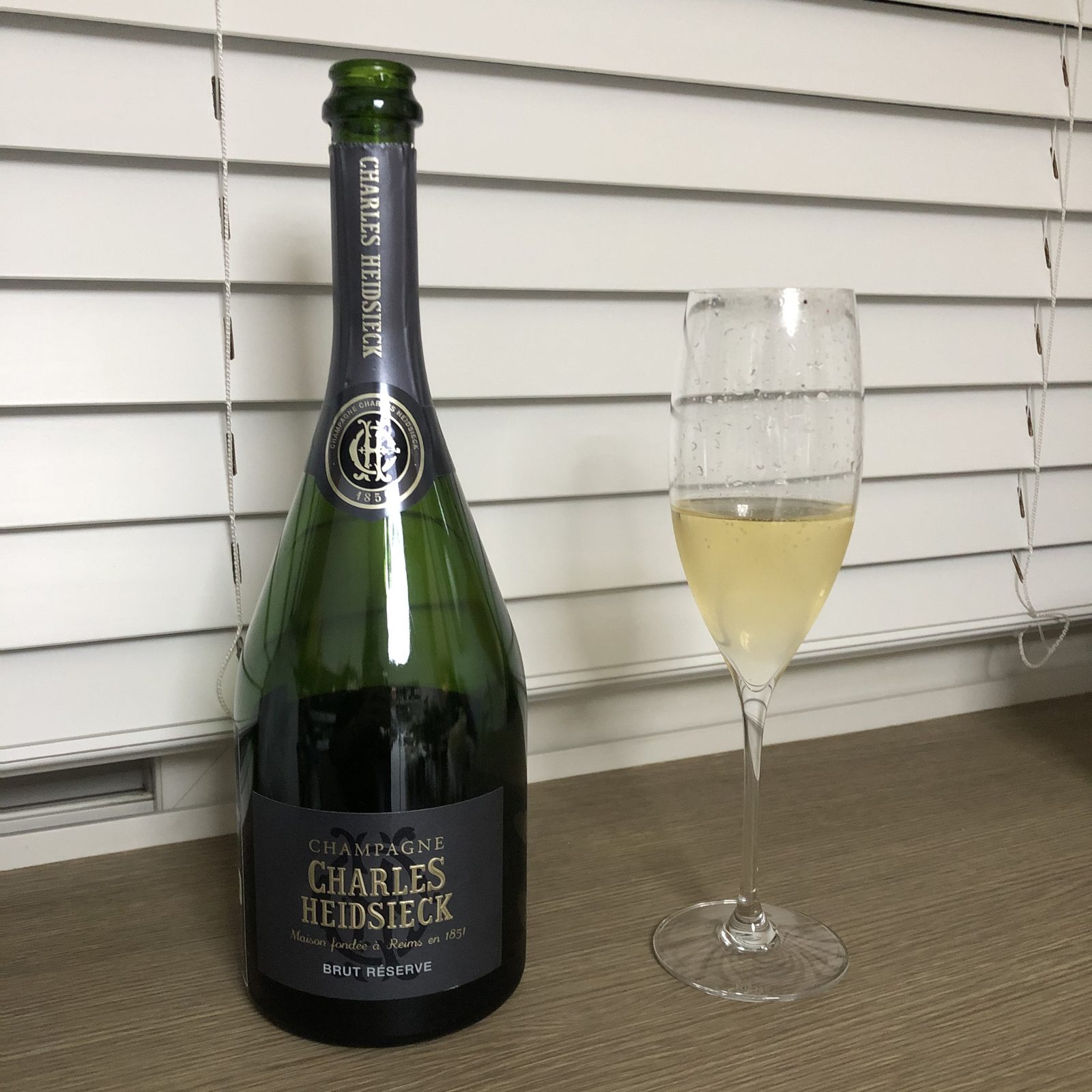
Opened at the office on a quiet evening at the start of the year, poured on its own before anything else.
The colour was deep for a non-vintage, a full gold that gave away the reserve component before the nose did. And the nose was the point: baked apple and dried apricot rather than fresh citrus, then pastry, toasted nuts and a distinct note of honey — the register a vintage Champagne reaches after a decade, arriving in a wine with no year on the label at all.
The palate was rounder and more vinous than crisp, the mousse fine and quiet, the weight carried through the middle without any of the thinness that the category so often has. Acidity ran underneath rather than across, and the finish was long, dry and faintly bitter in the way that keeps a rich Champagne from cloying.
It is a wine that makes an argument by existing. Given enough old wine and enough patience, the absence of a vintage on the label stops being a compromise and becomes a technique.
The same evening continued with the Trapiche Iscay Syrah & Viognier 2015 and the Hudson Chardonnay 2017.