The Same Block, the Opposite Year
Hudson Chardonnay Napa Valley Carneros 2017
- Producer
- Hudson Vineyards
- Appellation
- Los Carneros
- Grapes
- Chardonnay
- Tasted
- 2 January 2021
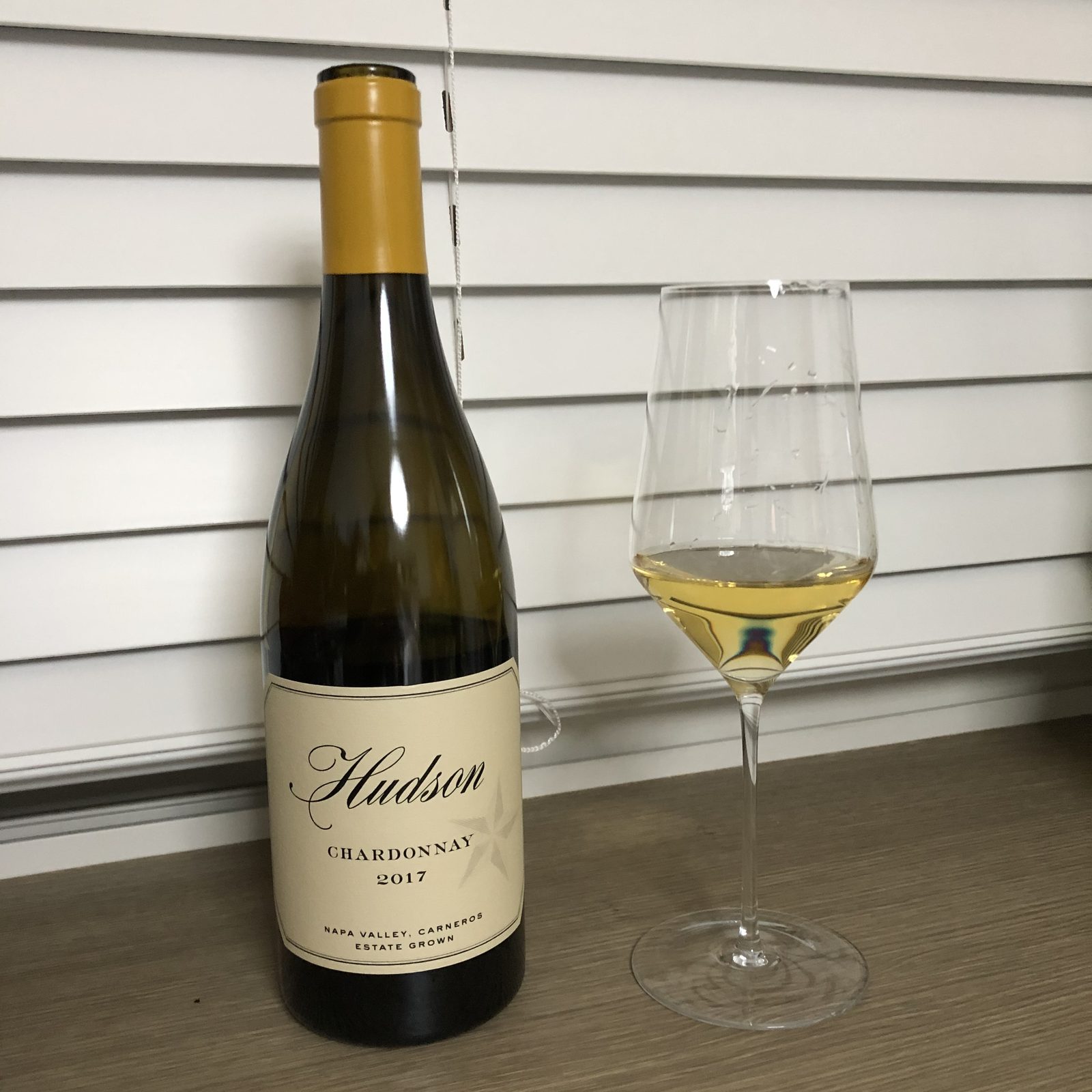
A week before this bottle, the 2018 from the same Carneros estate had been opened at a different table. Tasting two consecutive vintages of one wine that close together is usually a mild pleasure and not much more. In this case the two years had almost nothing in common, and the comparison did most of the work by itself.
Lee Hudson’s ranch sits at the cold southern end of Napa, where the fog off San Pablo Bay and the constant wind give the district a growing season long enough to ripen Chardonnay slowly. For decades the estate was better known as a fruit source than as a label; the estate bottling is the portion Lee Hudson kept for himself, off the original plantings from the 1980s.
Two Seasons, Two Opposite Problems
2018 was cool, unhurried and generous — a season so slow that growers who normally finish Chardonnay in September were still picking in October, with a large crop as well as a late one.
2017 gave the region the opposite. A wet winter after years of drought pushed the vines into vigorous growth, and then, over the Labor Day weekend, a record heat wave arrived: temperatures well past a hundred degrees, holding for days. White varieties ripened faster than anyone had planned for. Picks were brought forward, sorting on the crush pad became unavoidable, and Chardonnay yields ended down by as much as twenty percent in some vineyards.
The fires of early October are the thing everyone remembers about California in 2017, but for Chardonnay they were largely beside the point — around seventy percent of the state’s crop was already in by the time they started, and Carneros, at the cool bottom of the valley, is early-picking country in any year. What marks this wine is not smoke. It is heat, and haste.
In the Glass
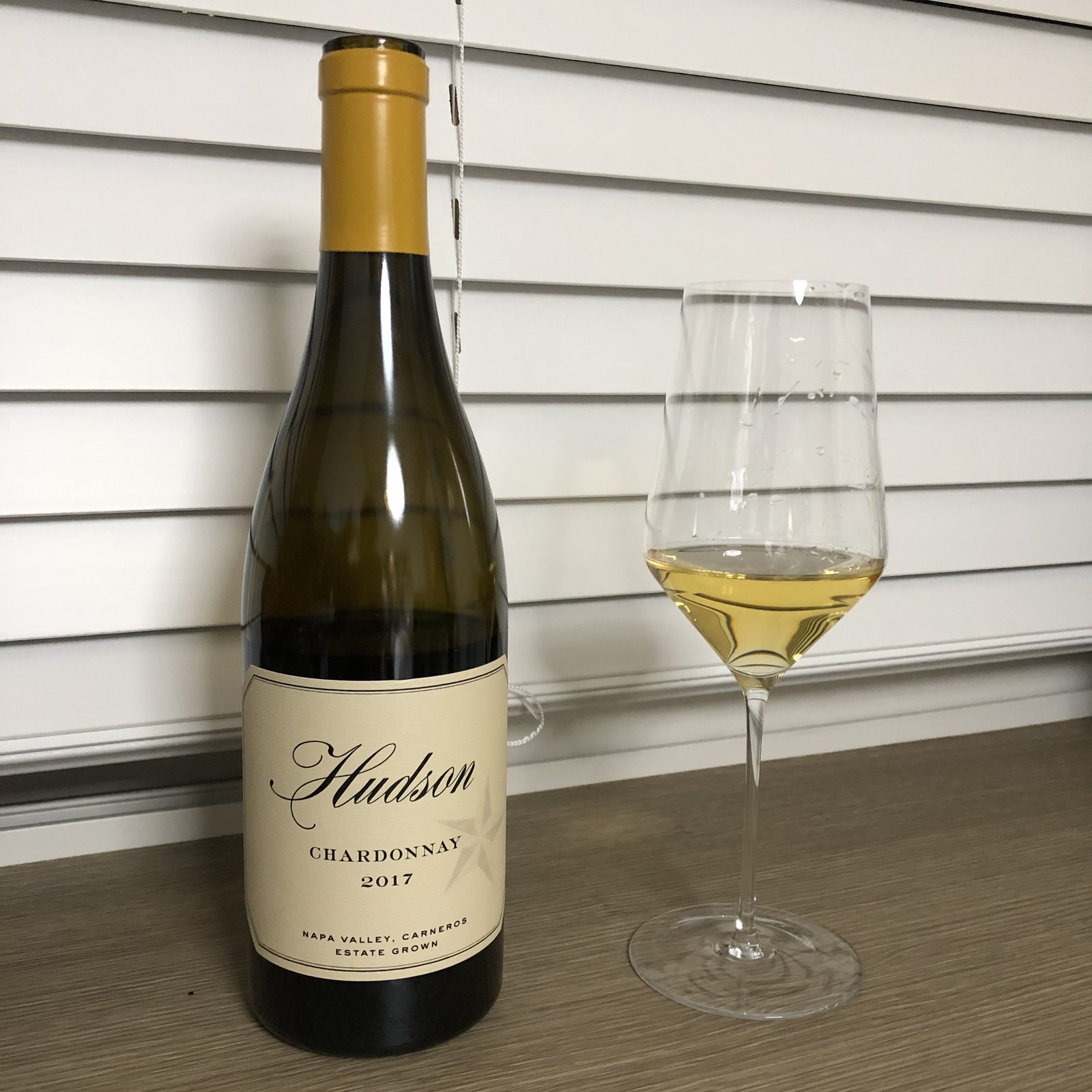
A little over three years old, opened at the office on an early January evening.
The colour was noticeably deeper than the following vintage had been — a full gold rather than a pale one. The nose ran to ripe stone fruit and something close to tropical, apricot and yellow peach with a honeyed edge, and the spiced, earthy note the estate reliably gives sitting behind it.
The palate was broad and warm, with a soft, creamy texture and plenty of extract in the middle. What it did not have was the line of acidity that the 2018 had carried underneath its weight; here the finish arrived a little sooner and a little rounder, and the wine gave everything it had at the front.
That is a fair description of the year rather than a complaint about the winemaking. A heat spike at the wrong moment compresses a season’s decisions into a few days, and the wine that results is the one the weather allowed. Drunk on its own terms, three years on, it was rich, forward and easy company — and it made the cooler 2018 look, in hindsight, like the luckier year.
The same evening began with the Charles Heidsieck Brut Réserve and the Trapiche Iscay Syrah & Viognier 2015.