Ninety-Five Percent Cabernet
Joseph Phelps Insignia 2006
- Producer
- Joseph Phelps Vineyards
- Appellation
- Napa Valley
- Grapes
- Cabernet Sauvignon, Petit Verdot
- Tasted
- 4 June 2021
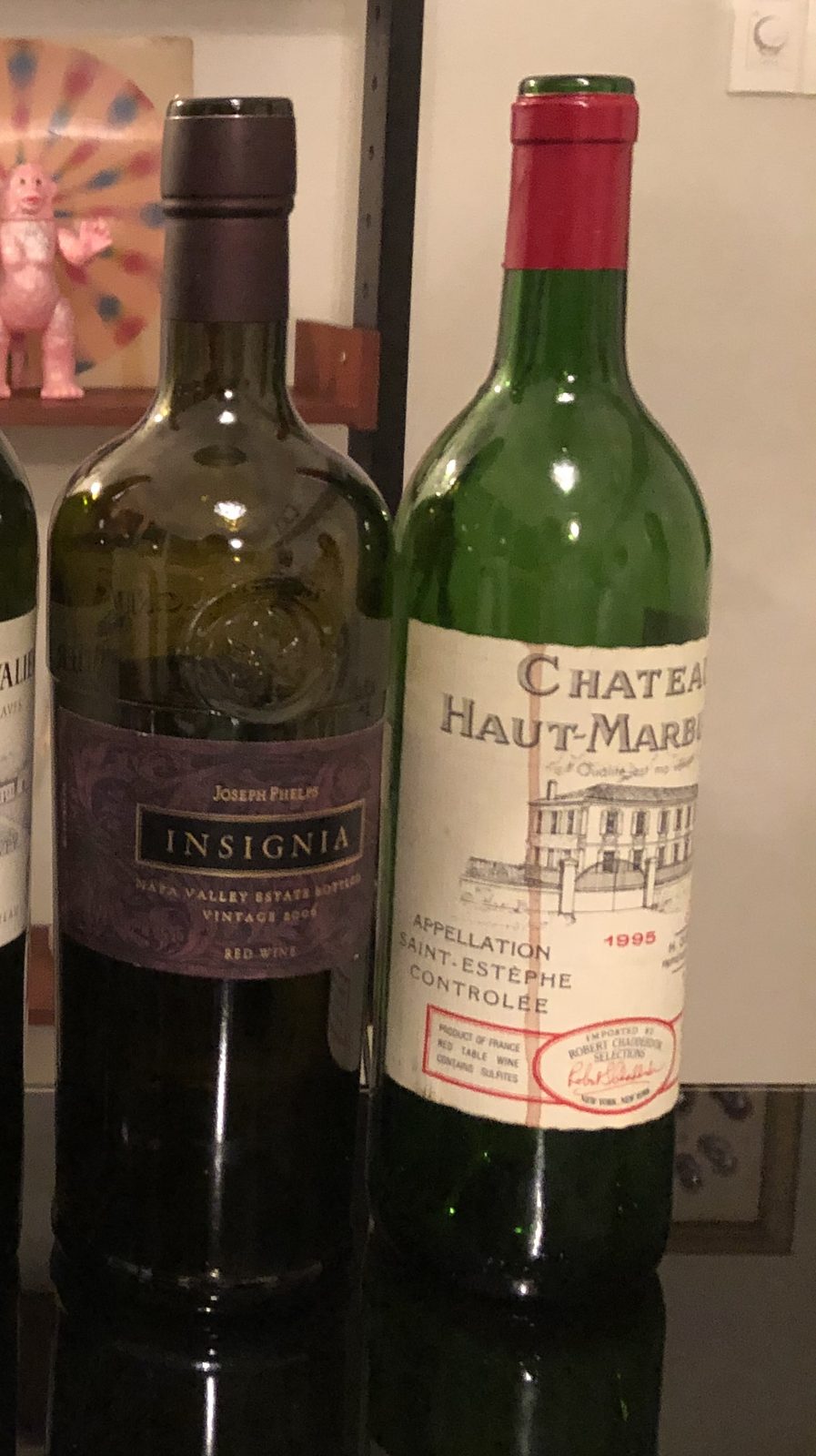
Joe Phelps was a Colorado construction contractor who bought a ranch outside St Helena in 1973, and the following year his winemaker Walter Schug made a red from Cabernet and Merlot that carried no varietal name at all. Insignia — the name won a family competition — is generally credited as California’s first proprietary Bordeaux-style blend, at a time when the state’s serious reds were labelled by grape and nothing else. The idea of a top wine that was a blend first and a variety second was borrowed from the Médoc and has since been borrowed back by half of Napa.
For thirty years the wine drew on bought fruit as well as the estate’s own. From the 2004 vintage it became entirely estate-grown, which is why Estate Bottled appears on the label. The house farms something over four hundred acres across the valley — the Home Ranch at St Helena, Banca Dorada in Rutherford, Backus in Oakville, Barboza and Las Rocas in Stags Leap, Yountville, and Suscol in the cool south — and Insignia is assembled from whichever of them the year favours.
A Wet Spring and a Late Autumn
2006 in Napa began with New Year floods and a cool, wet spring; April alone brought five inches of rain, and budbreak ran two weeks behind. A ten-day heatwave in late July hit while the berries were still small and hard, and the season then turned cool and long, with véraison stretched out from early August and a harvest that went on into November across the valley. It was a year for growers who thinned and waited.
Insignia 2006 was ninety-five percent Cabernet Sauvignon with five percent Petit Verdot — no Merlot, Malbec or Franc at all, which is as close to a varietal as the blend has come. The largest share came from Suscol in the south, with Banca Dorada, Barboza, Las Rocas, the Home Ranch and Yountville behind it, picked through October. It spent two years in entirely new French oak.
In the Glass
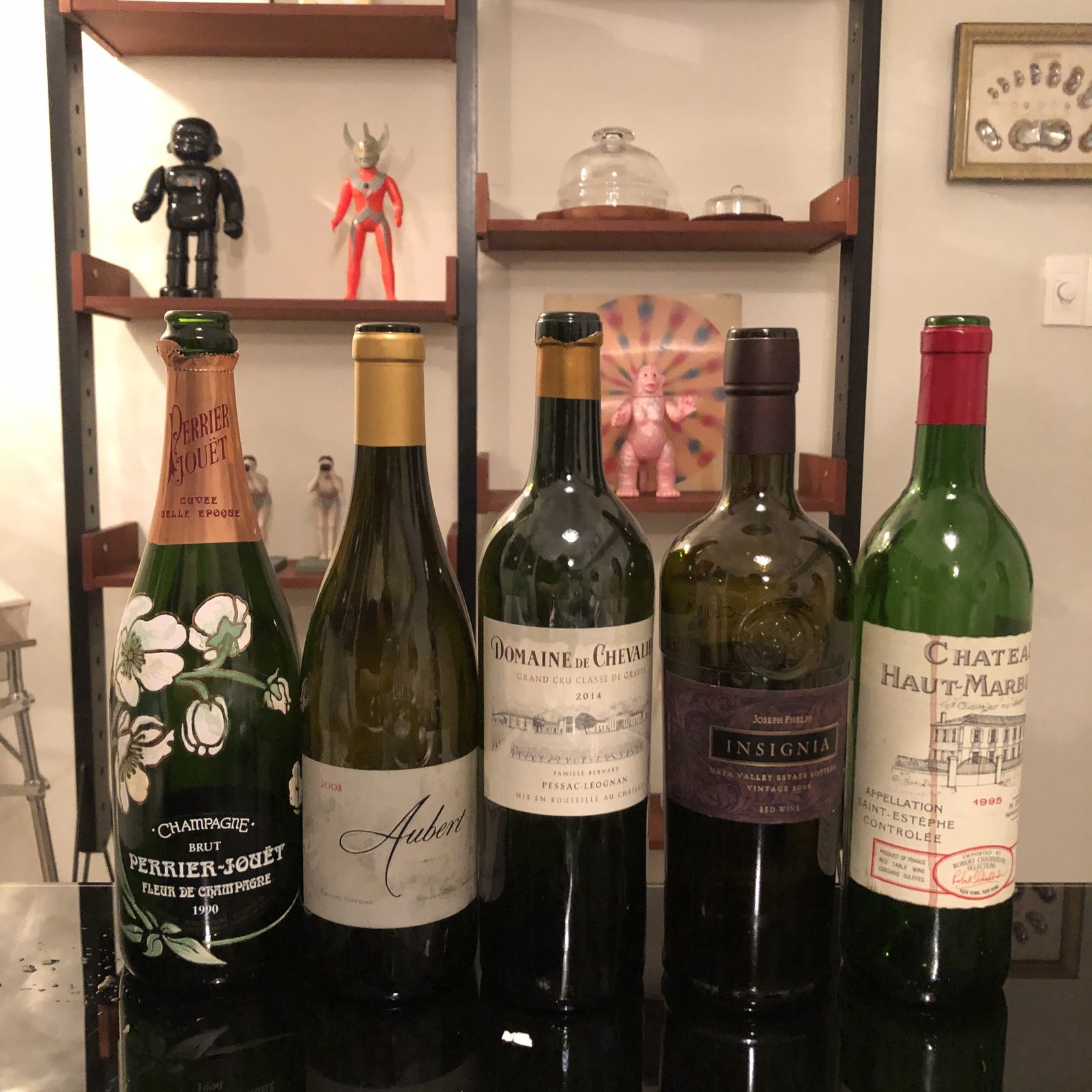
The first of two reds, after a 1990 Belle Epoque, a 2014 Domaine de Chevalier Blanc and a 2008 Aubert Chardonnay; a 1995 Saint-Estèphe followed it. Fifteen years from the harvest.
Still opaque at the core, with only the beginning of a brick tint at the rim. The nose had moved from primary fruit into the middle of its life: cassis and blackberry now dried at the edges, graphite, cocoa, coffee, a little licorice, and the dried-leaf note that Napa Cabernet acquires around this age. The palate was full and still dense, the tannins fine-grained and slightly chalky, softened but not dissolved, with the new oak fully absorbed into the wine. A long, layered finish that ended on dark chocolate and something savoury.
It was the biggest wine on the table and the one that most plainly still had somewhere to go. Napa Cabernet in this archive from the years either side: the Dalla Valle 2002, the Cardinale 2003 and the Colgin IX Estate 2005; and for the earlier Phelps-era idea of a Napa blend under two names, the Opus One 1999.