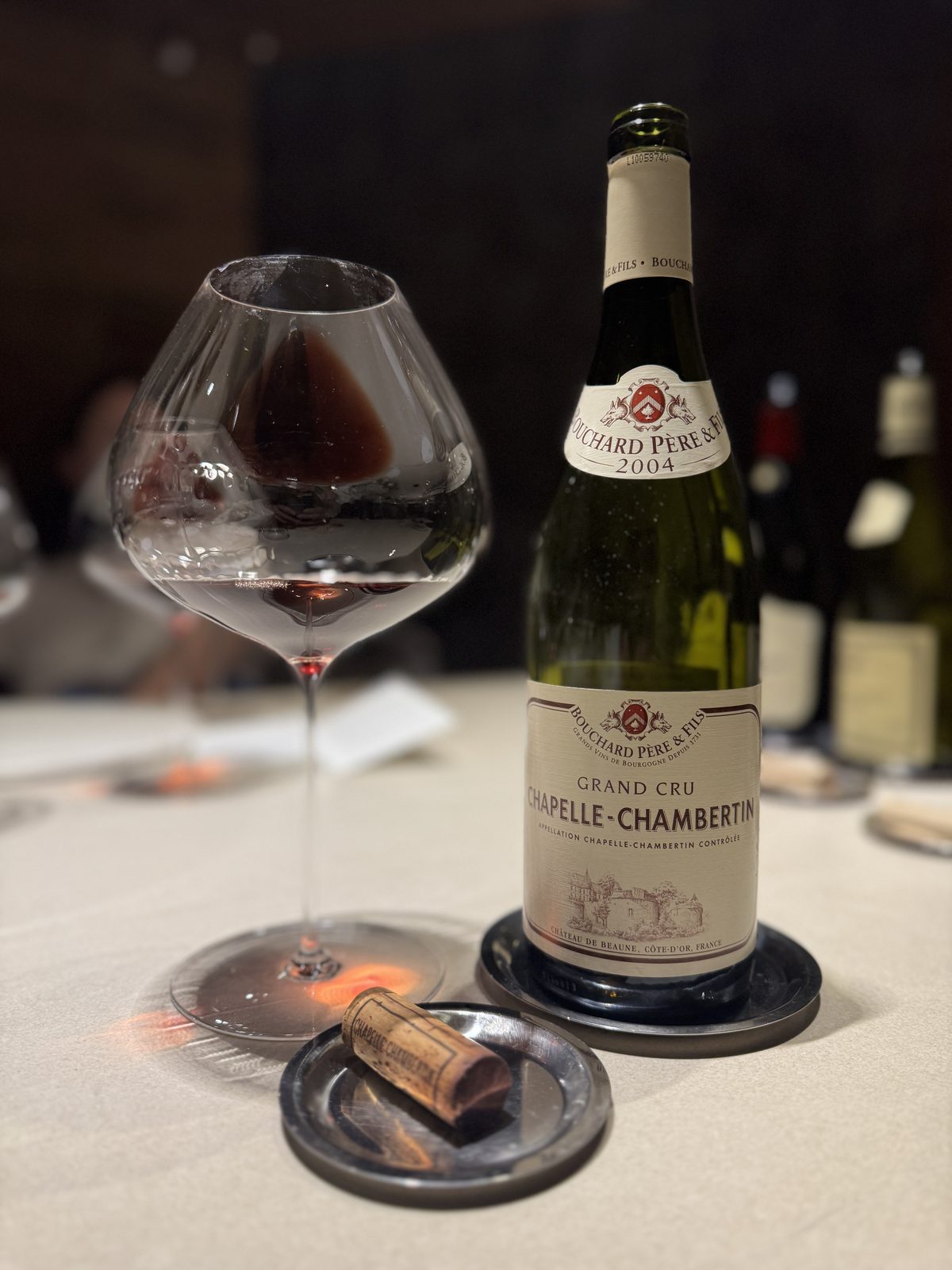
The Ugly Duckling Year
2004 spent two decades as Burgundy's unloved vintage. At twenty-two, this Chapelle-Chambertin made the case for patience — quiet, lacy, held up by acidity that finally learned its manners.
a fine wine tasting archive
latest first — 38 notes in the archive
2004 spent two decades as Burgundy's unloved vintage. At twenty-two, this Chapelle-Chambertin made the case for patience — quiet, lacy, held up by acidity that finally learned its manners.
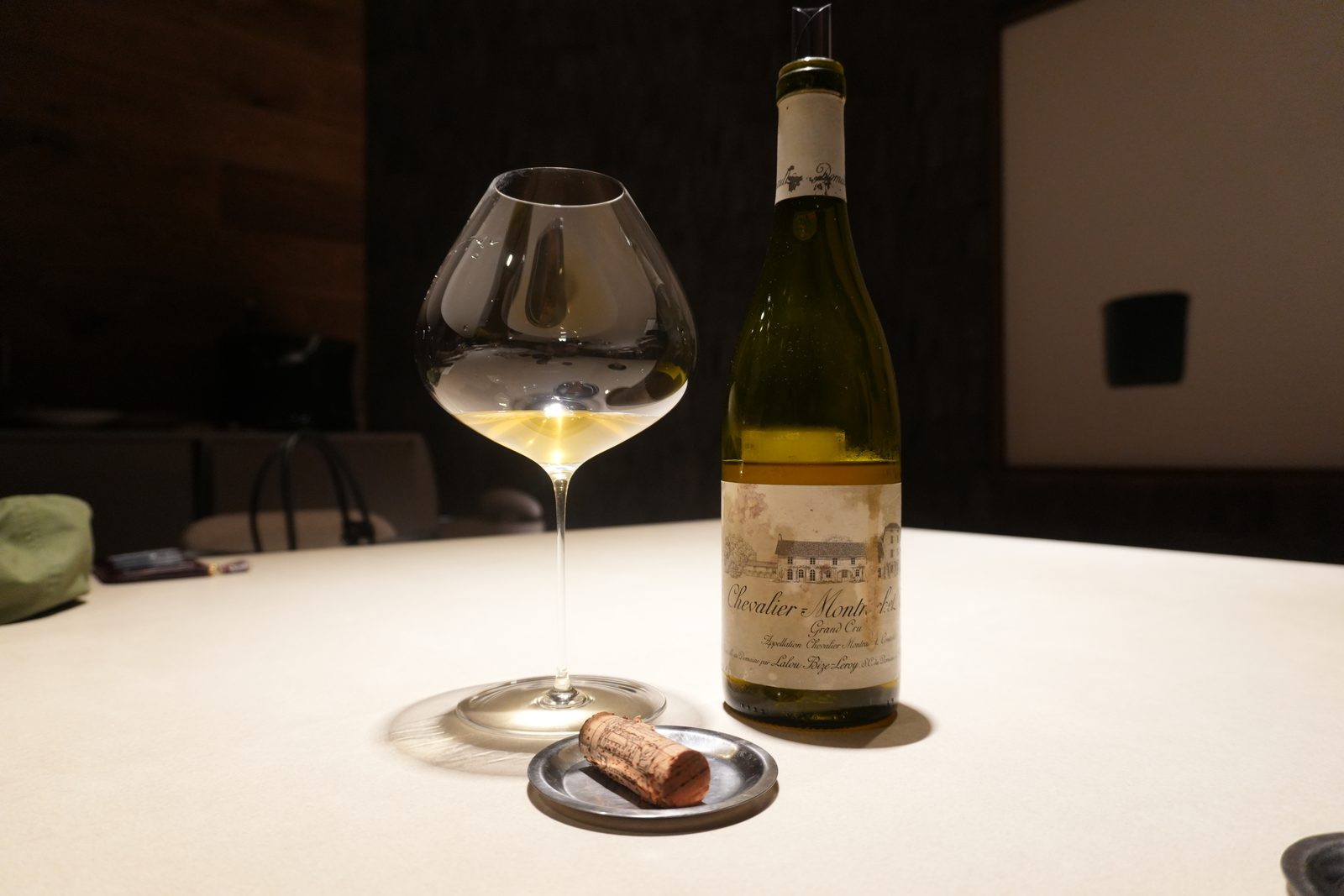
From Lalou Bize-Leroy's private 0.16-hectare parcel, a 1997 that defied everything said about its vintage — stone, salt, pear and anise, precise and impossibly long after nearly thirty years. A new member of a very short personal list.
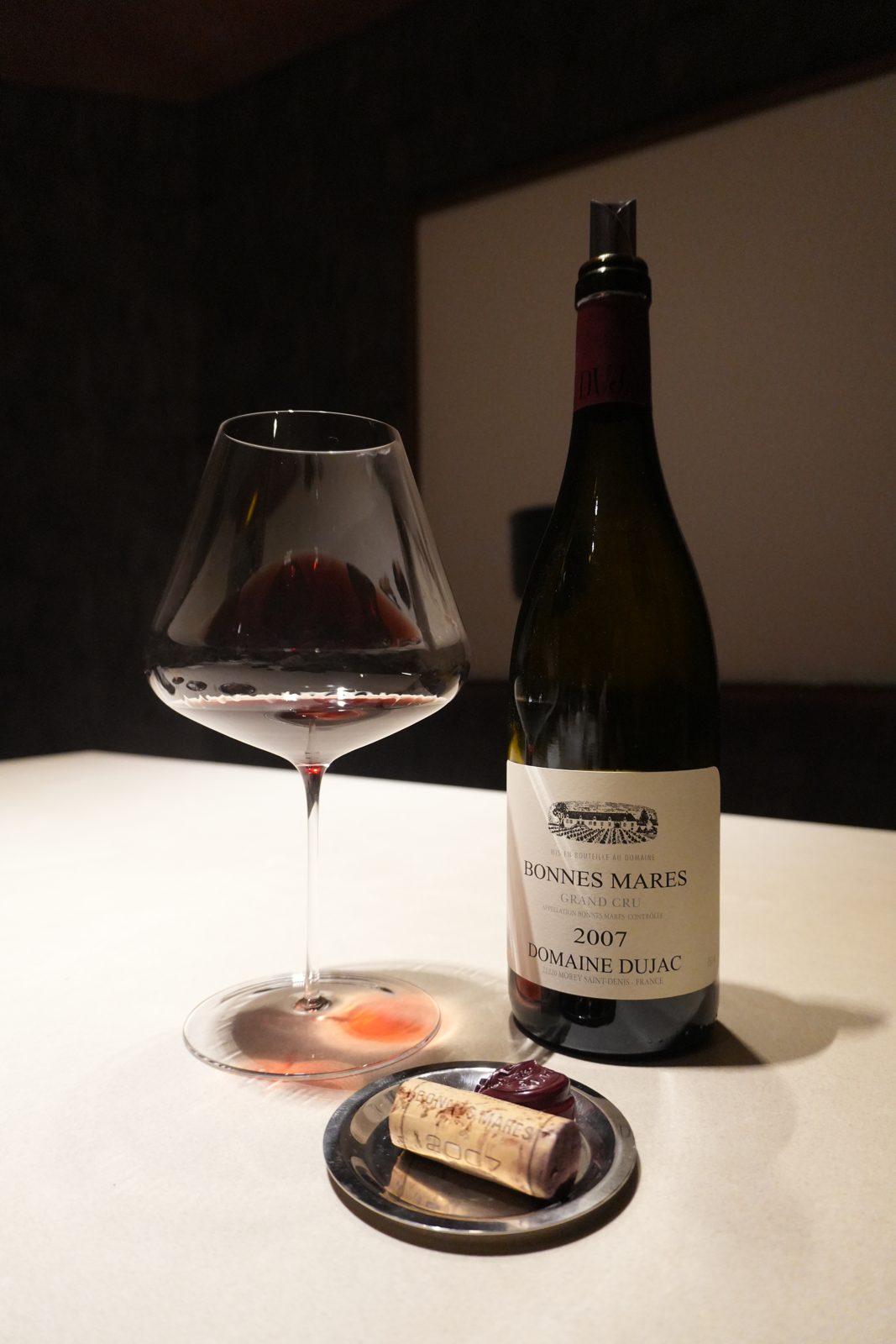
Bonnes-Mares is called a Chambolle wine — but Dujac's parcel sits at the Morey end, just below Clos de Tart. At nineteen years, the 2007 was open, fine-boned, and stonier than expected.
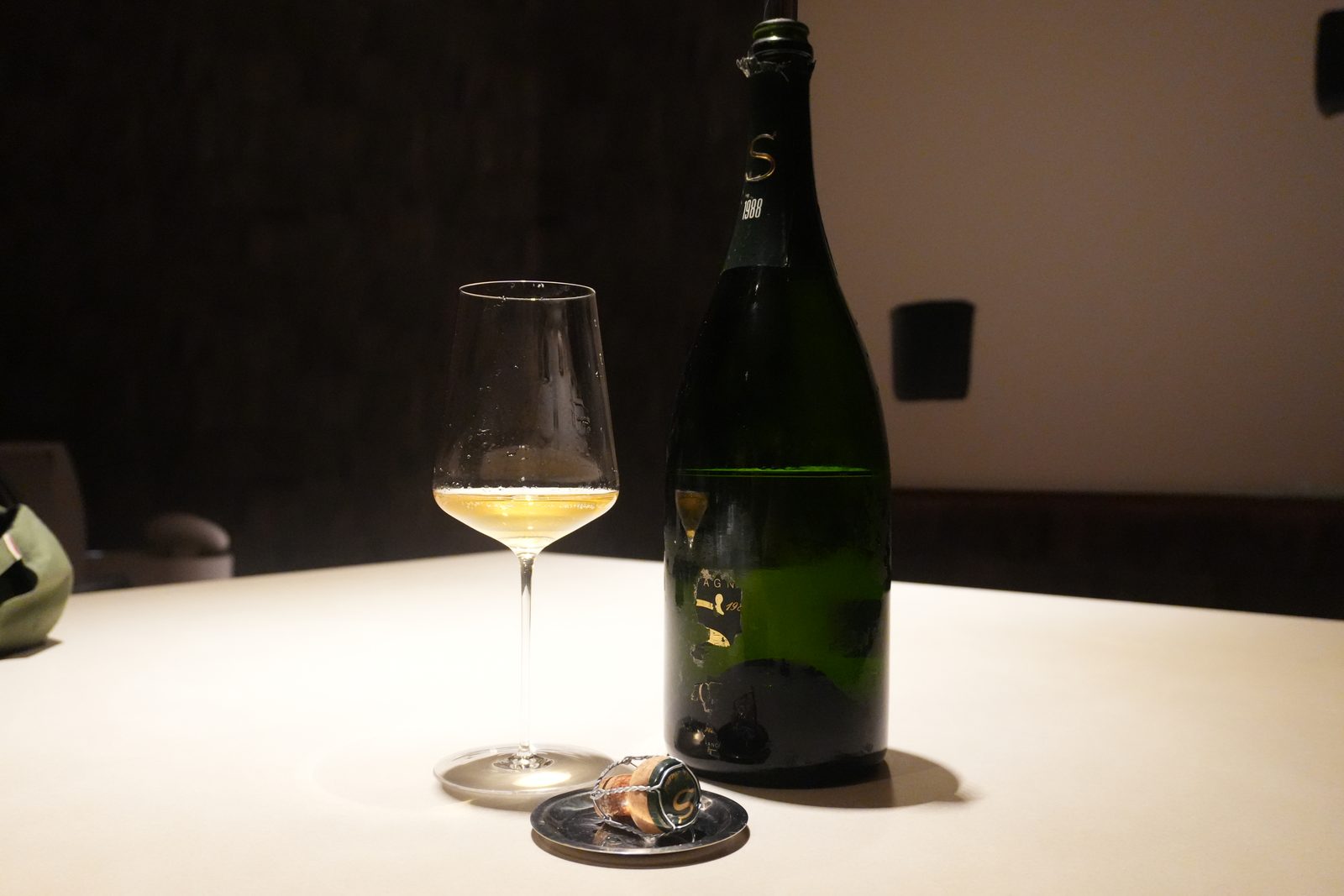
One village, one grape, one year — and barely forty-odd declared vintages in 120 years. The label had all but peeled away in the cellar; the wine inside had not aged a day it couldn't afford. The best Salon of my life.
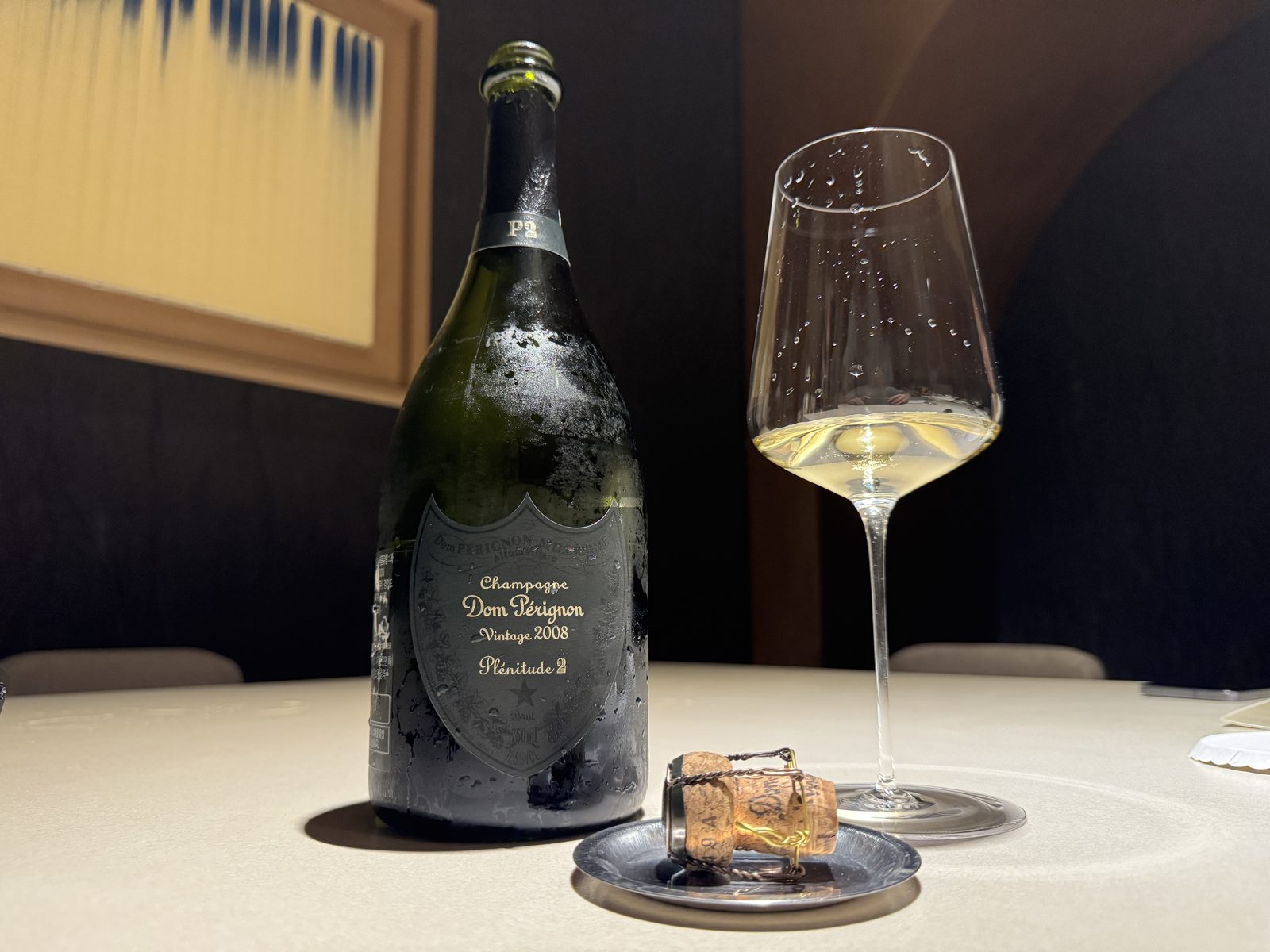
Plénitude is Dom Pérignon's theory that Champagne peaks more than once. The same 2008, held fifteen more years on the lees and disgorged in 2024 — the cool vintage's blade of acidity intact, only the edges quietly smoothed.
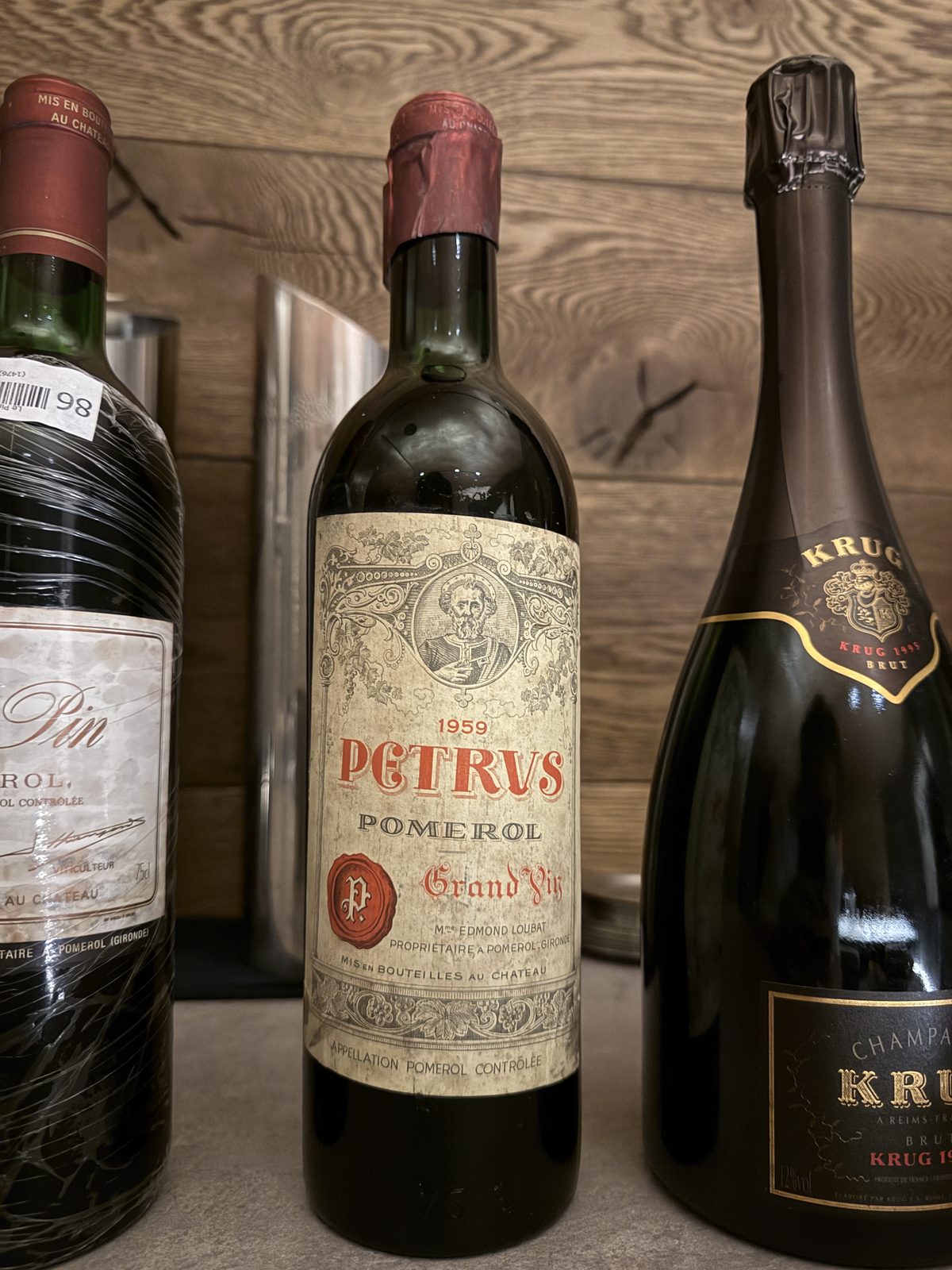
Pomerol has no classification, so its hierarchy was written by people. One bottle carried the name of Mme Loubat, who refused to price her wine below the first growths; the other came from a pine tree and a farmhouse. Side by side, the old king poured velvet and the young challenger stood at attention.
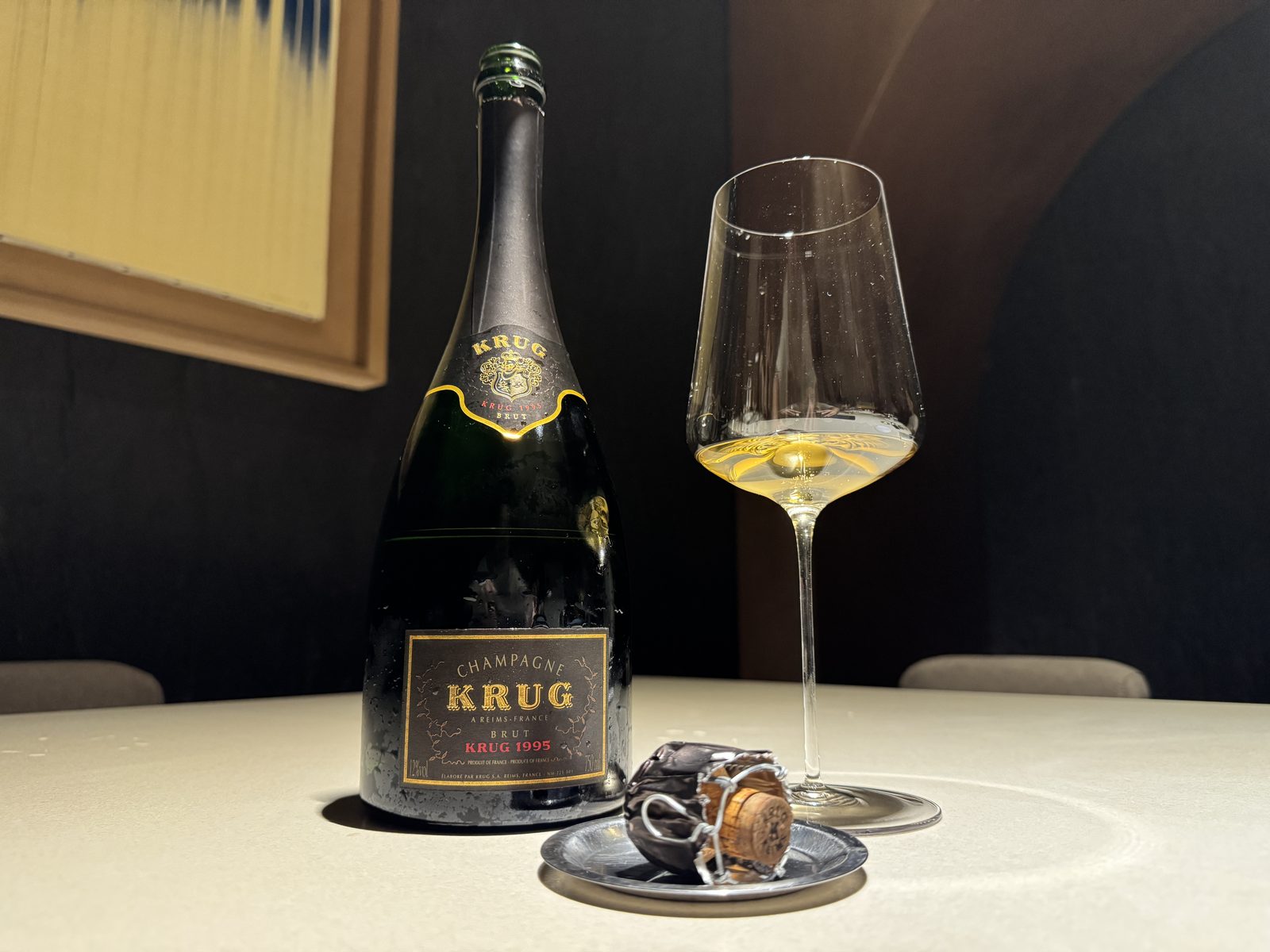
For Krug, a vintage is not 'a wine from a good year' but a portrait of a year too distinctive to blend away. Thirty years on, the 1995 — Champagne's first generous season after a difficult run — still stands upright.
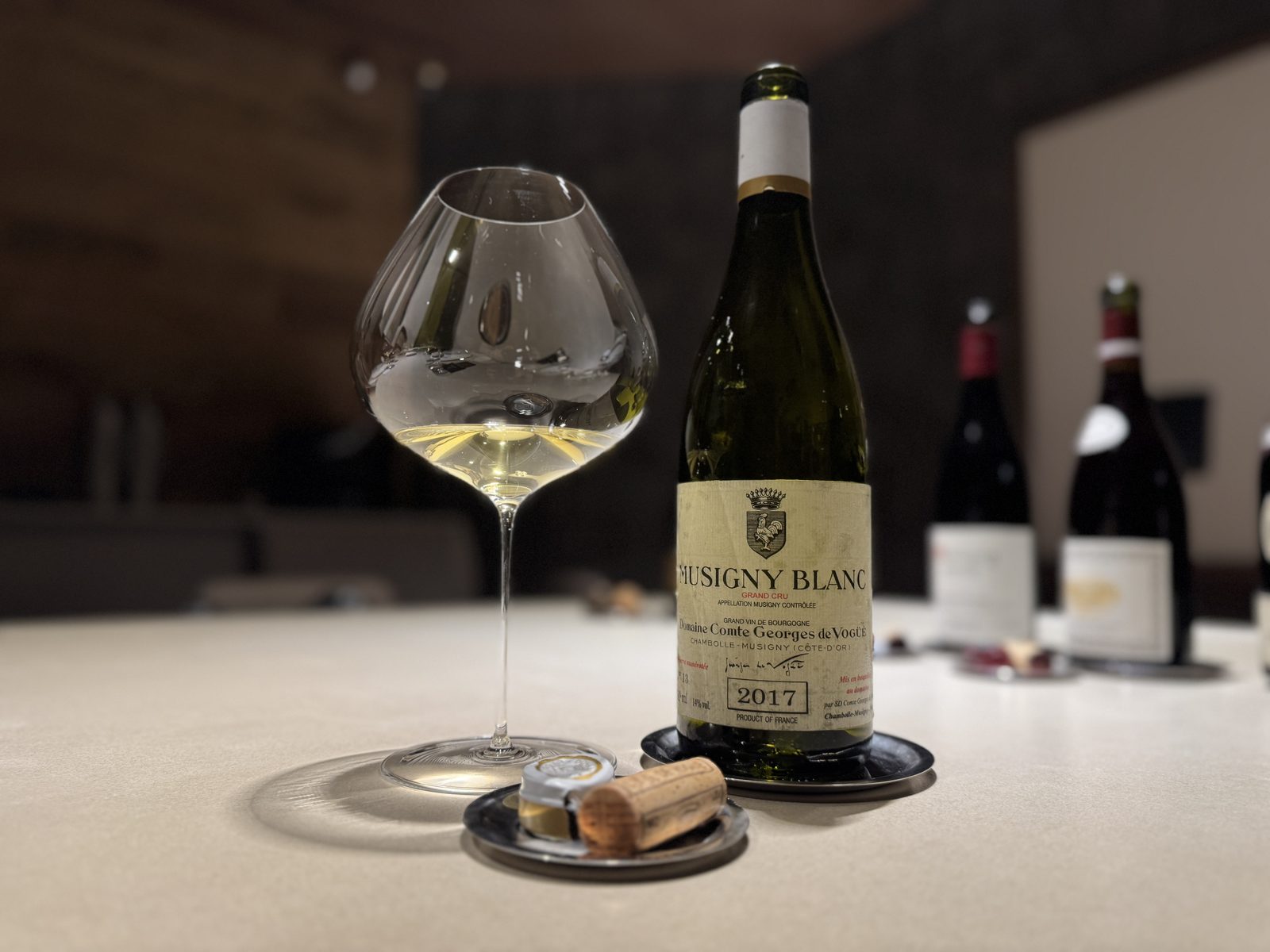
The Côte de Nuits allows white grapes in exactly one grand cru, and exactly one domaine makes it. After replanting, de Vogüé sold this wine as humble Bourgogne Blanc for 21 vintages — the grand cru label returned only in 2015. This is the third vintage of the comeback.
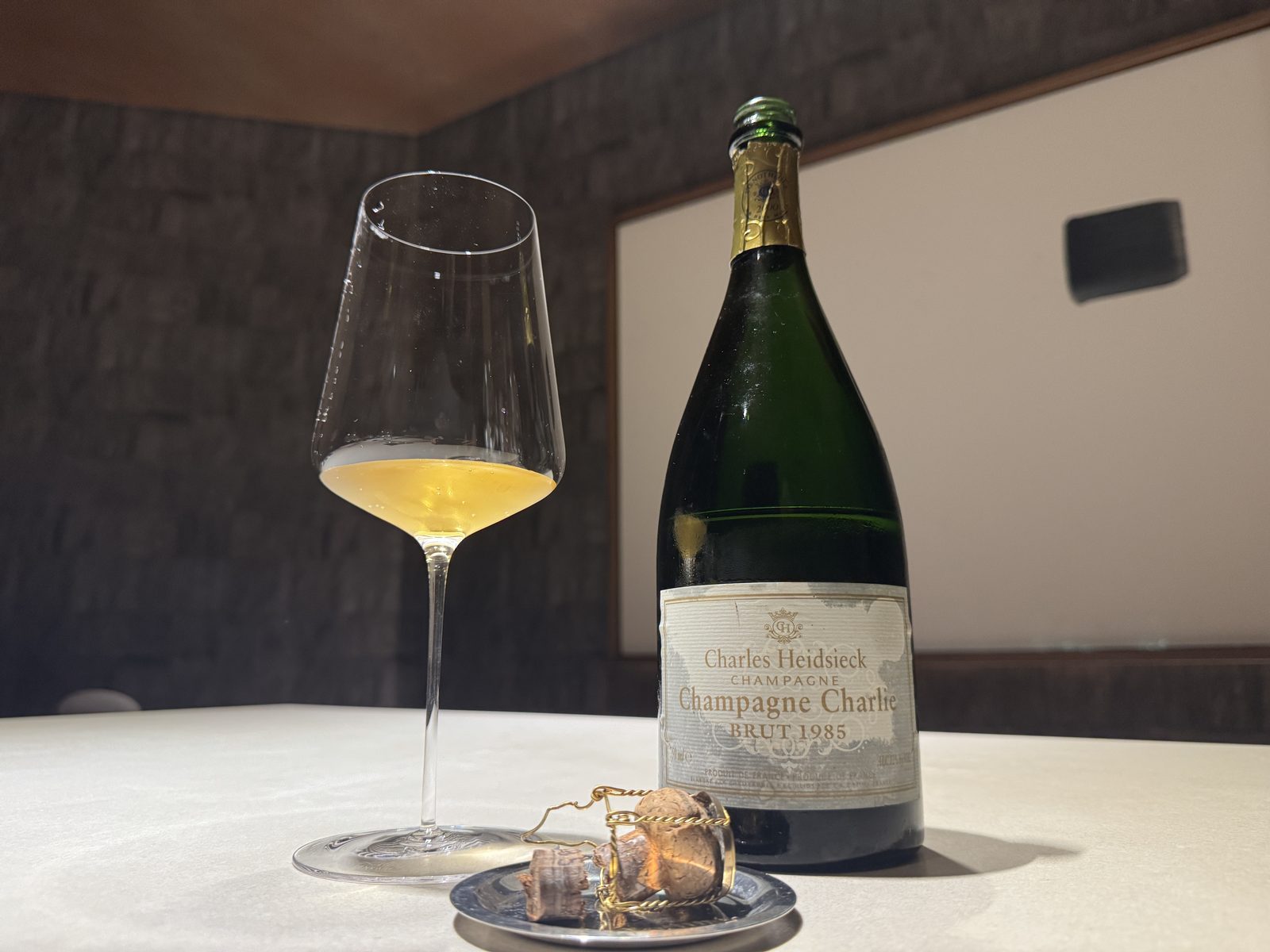
Made in just five vintages before the cuvée was mothballed, the 1985 is the last of the original Champagne Charlies. Forty years of gold in the glass — mushroom and caramel below, bergamot slicing through above.
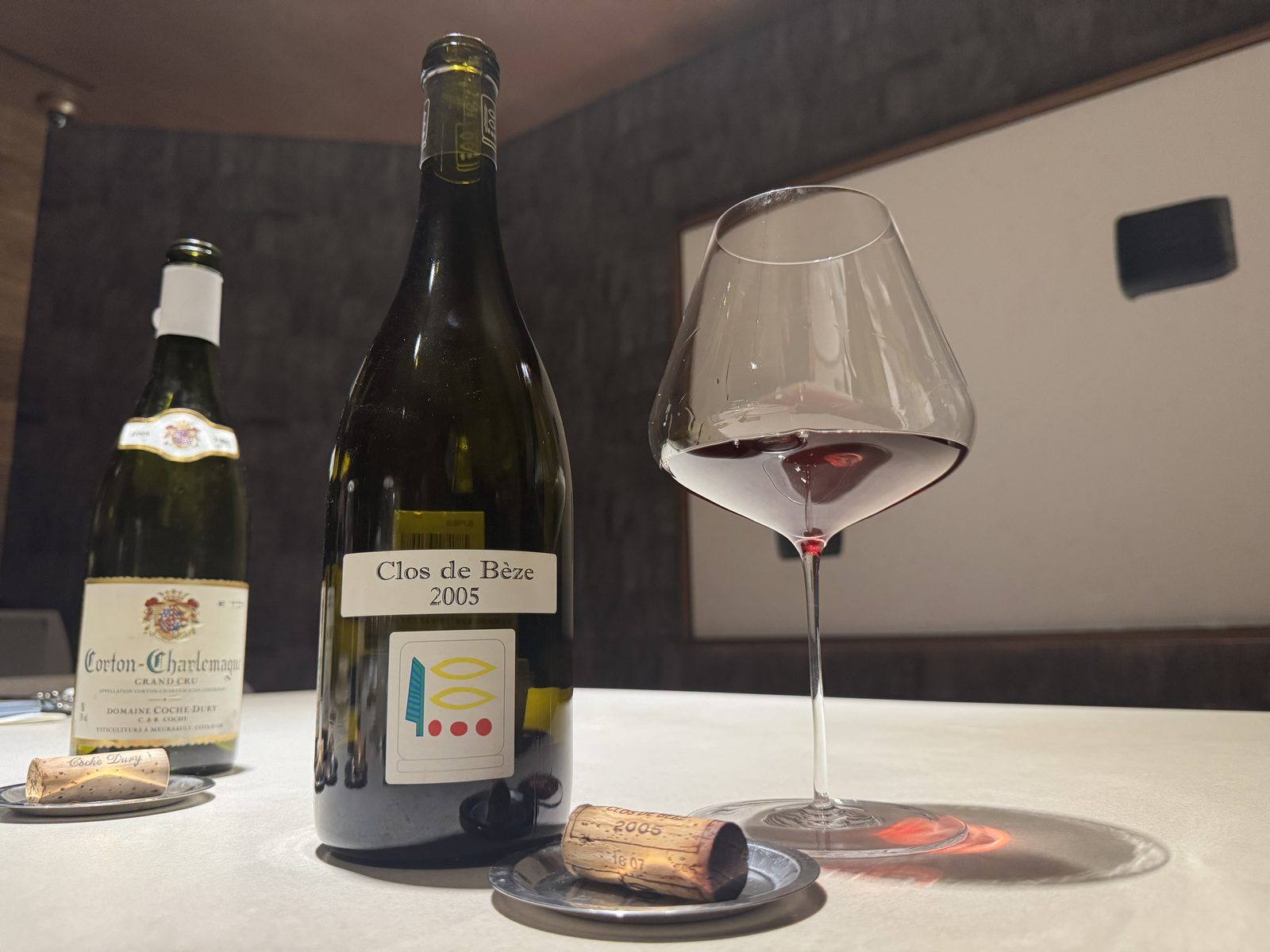
Henry-Frédéric Roch co-directed DRC for thirty years and always stood at the back of the photograph. This is the wine he made under his own name — whole-bunch, near-zero sulphur Clos de Bèze, from a 2005 only now beginning to open.
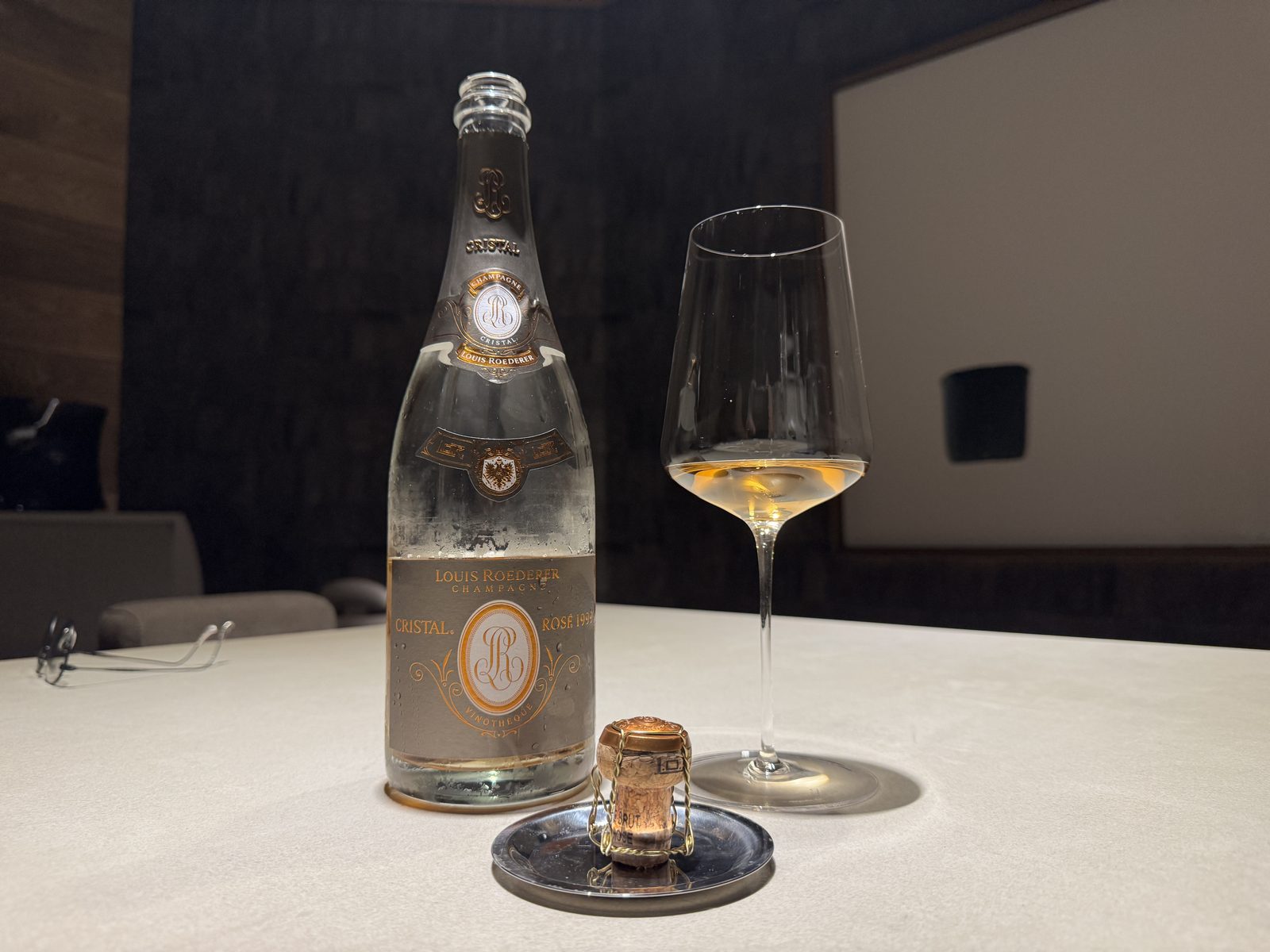
Vinothèque is Cristal with time added — held nearly twenty more years in Roederer's own cellars, disgorged in 2016. Rose petals and red berries deepening into chalk, hazelnut and praline: a rosé precisely at its peak.
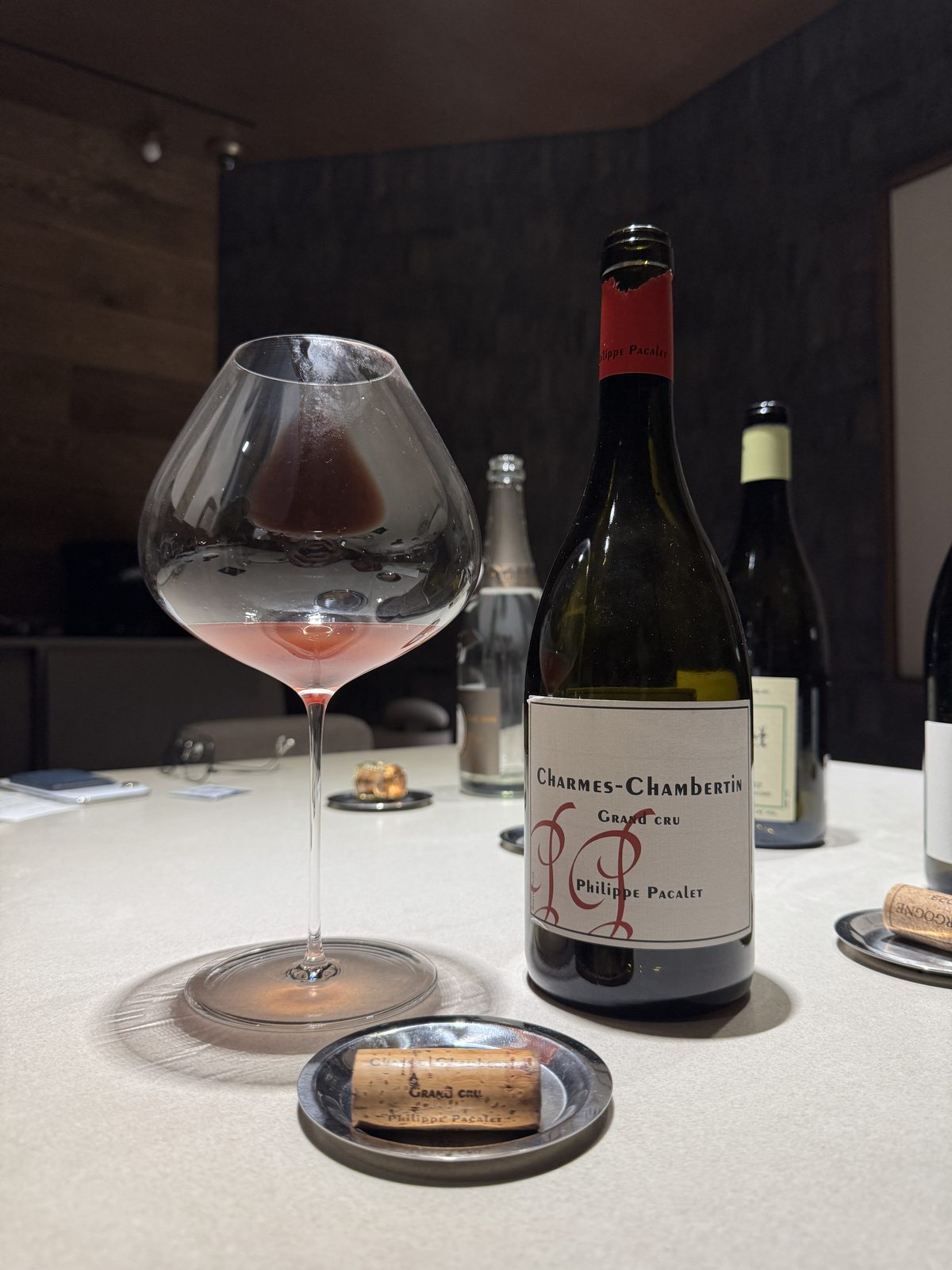
2008 was the vintage rescued by a north wind — high in acid, divisive, a year to judge by producer rather than by number. In Pacalet's whole-bunch, low-extraction hands, that acid becomes the spine.
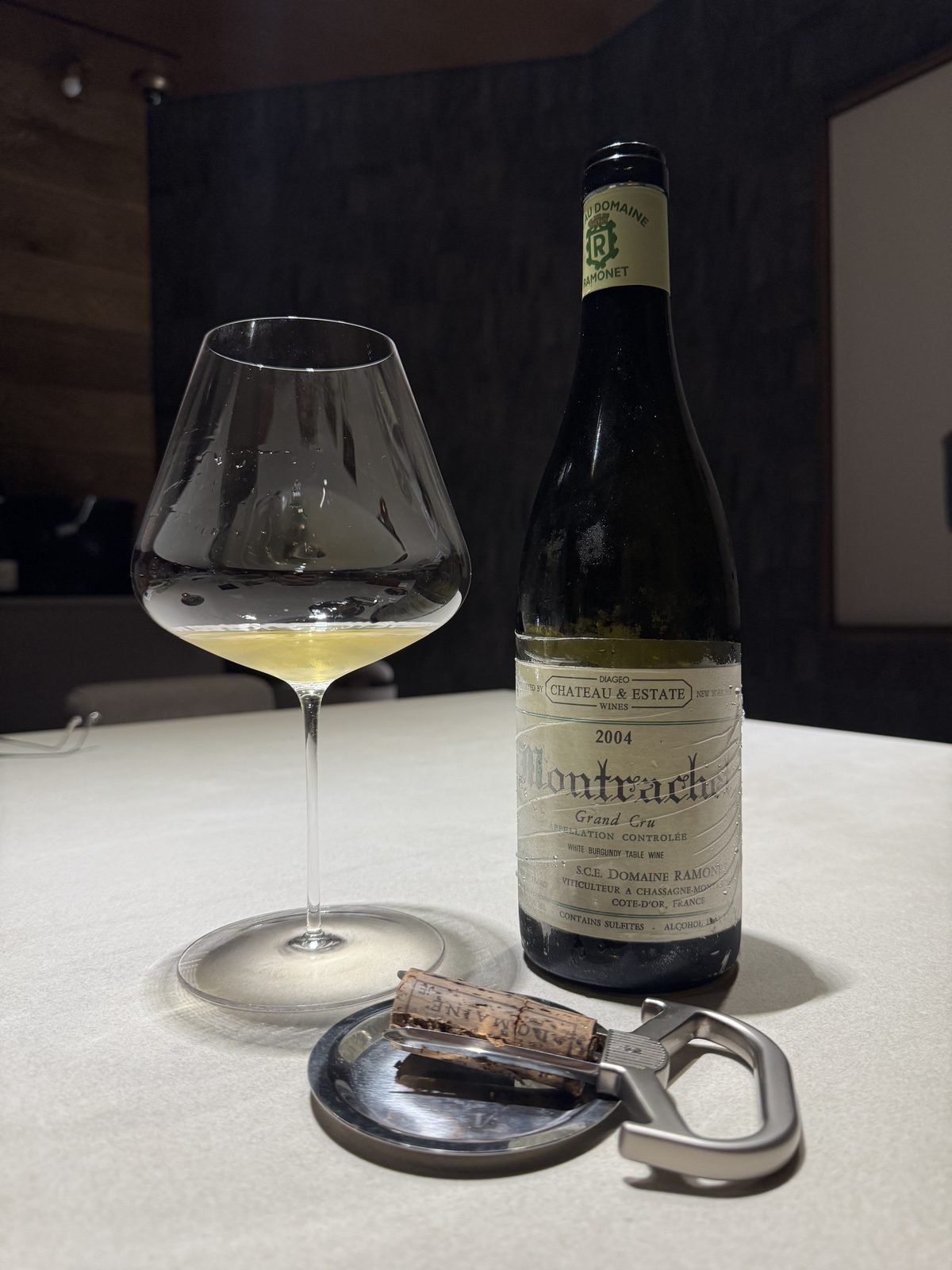
Le Montrachet is 7.48 hectares in total; Ramonet's share is 0.26 — some 1,200 bottles a year from a parcel Père Ramonet secured in 1978. A cool, high-acid vintage, deep gold after twenty-two years.
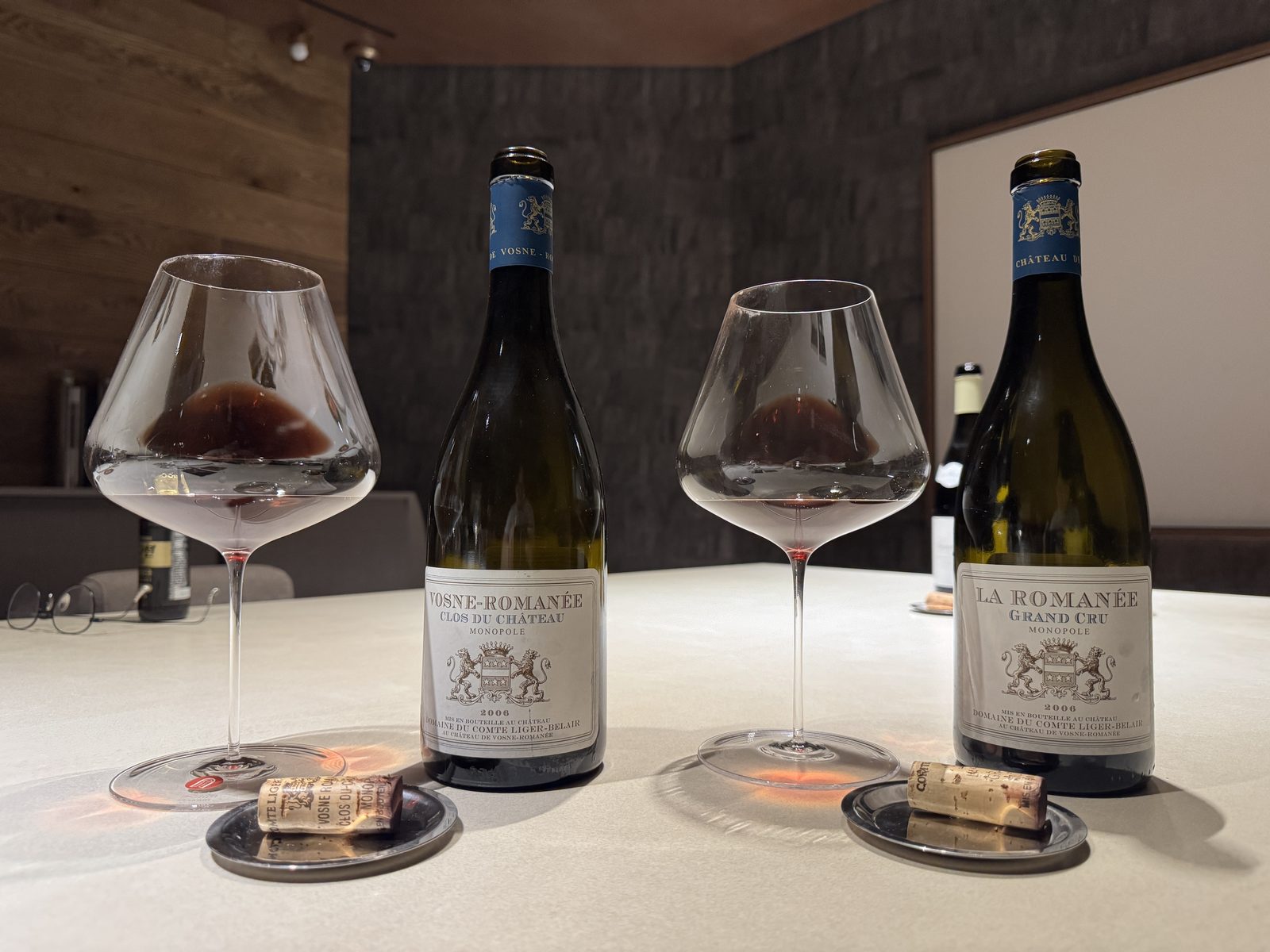
Same hands, same year — France's smallest grand cru beside its village sibling. Two monopoles of Comte Liger-Belair, both 2006, opened side by side after twenty years: the domaine's starting point against its summit.
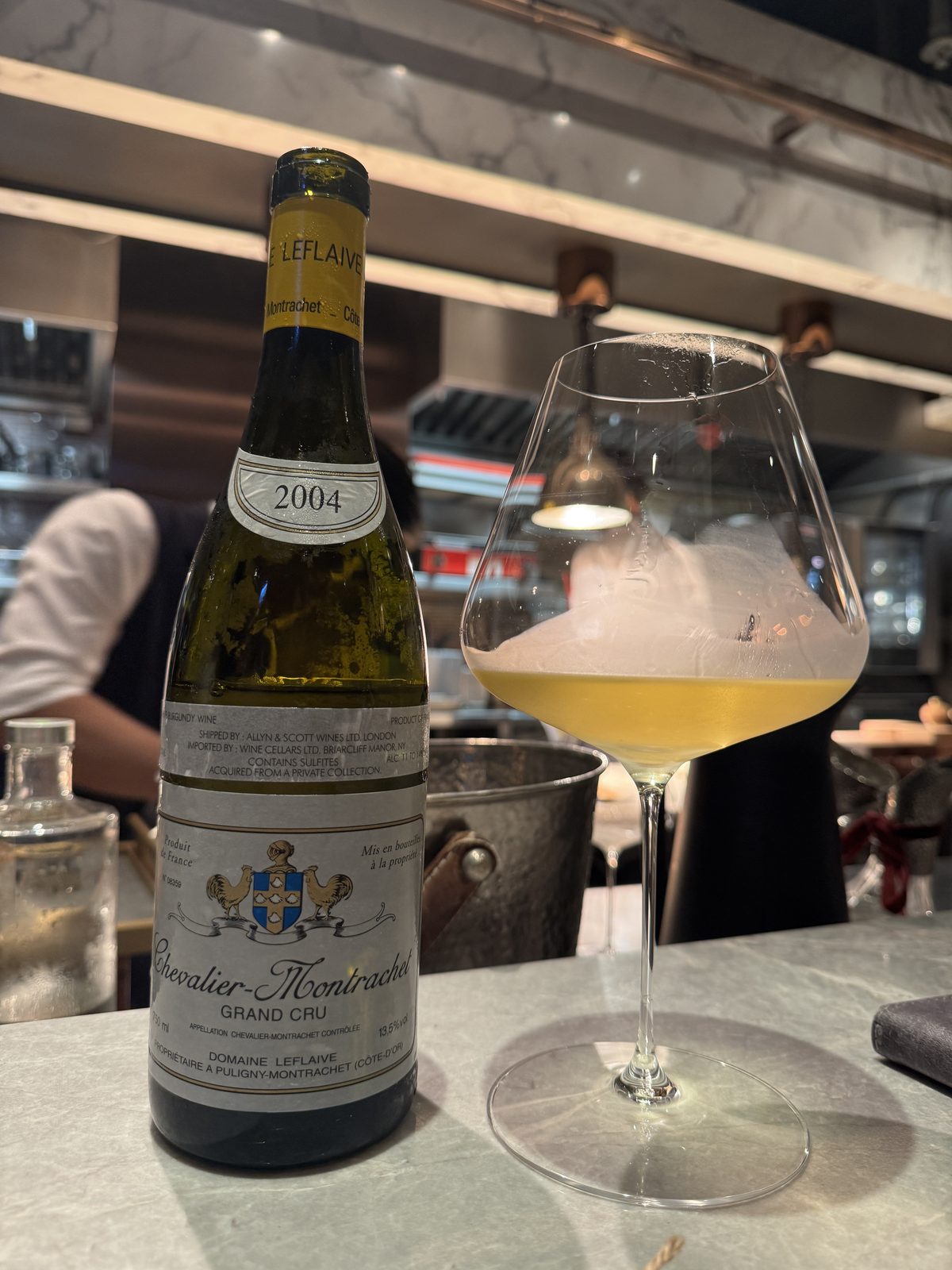
When words fall short of gratitude, there is always the upper slope of Puligny. Twenty-two years on, Leflaive's flagship grand cru still held its chalk-and-steel spine beneath layers of honey and toasted bread.
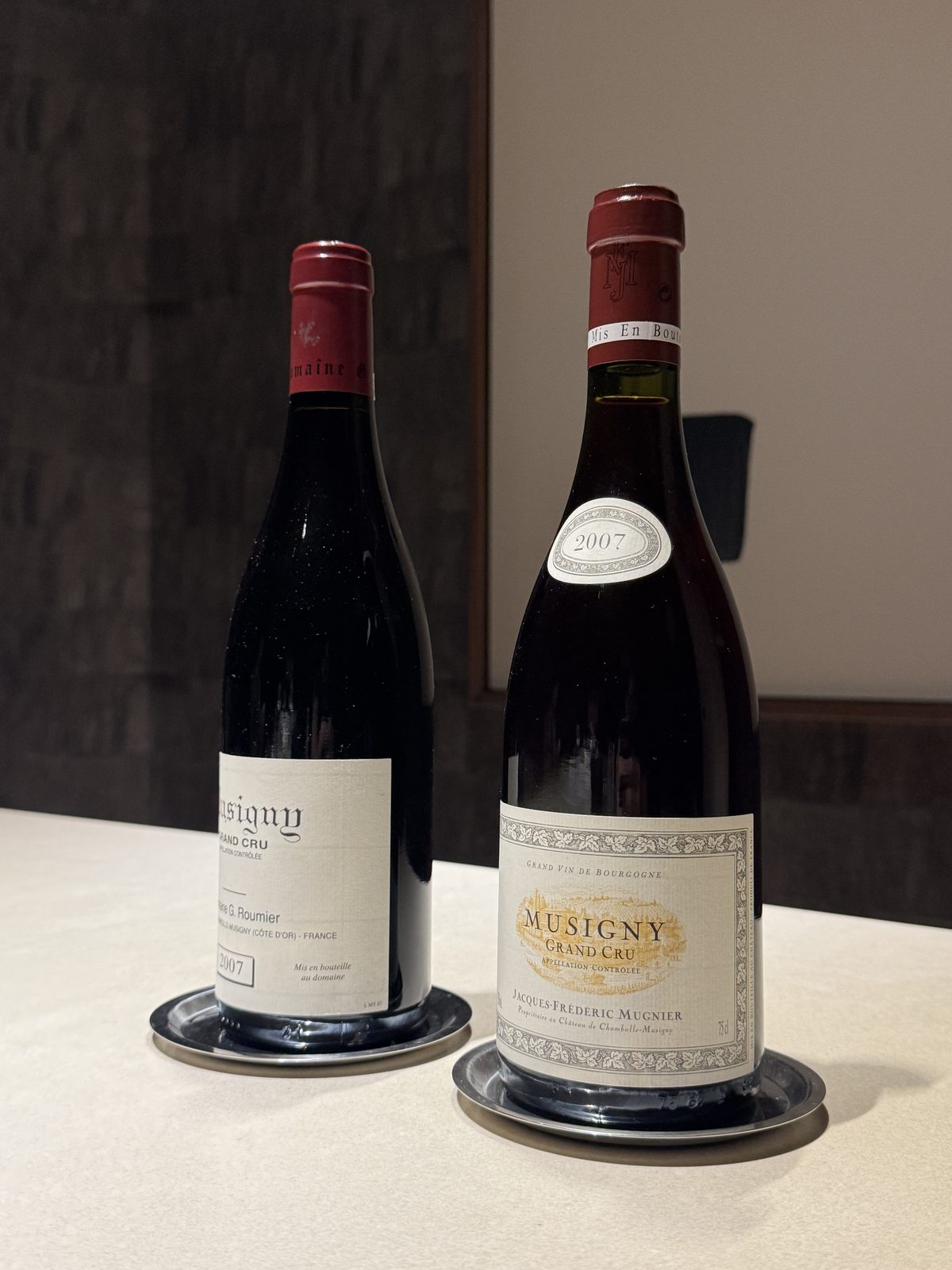
Two Musigny 2007s side by side — Mugnier's 1.14 hectares and Roumier's 996 square metres sit one above the other on the same slope. Iron and earth in one glass, rose petal and silk in the other.
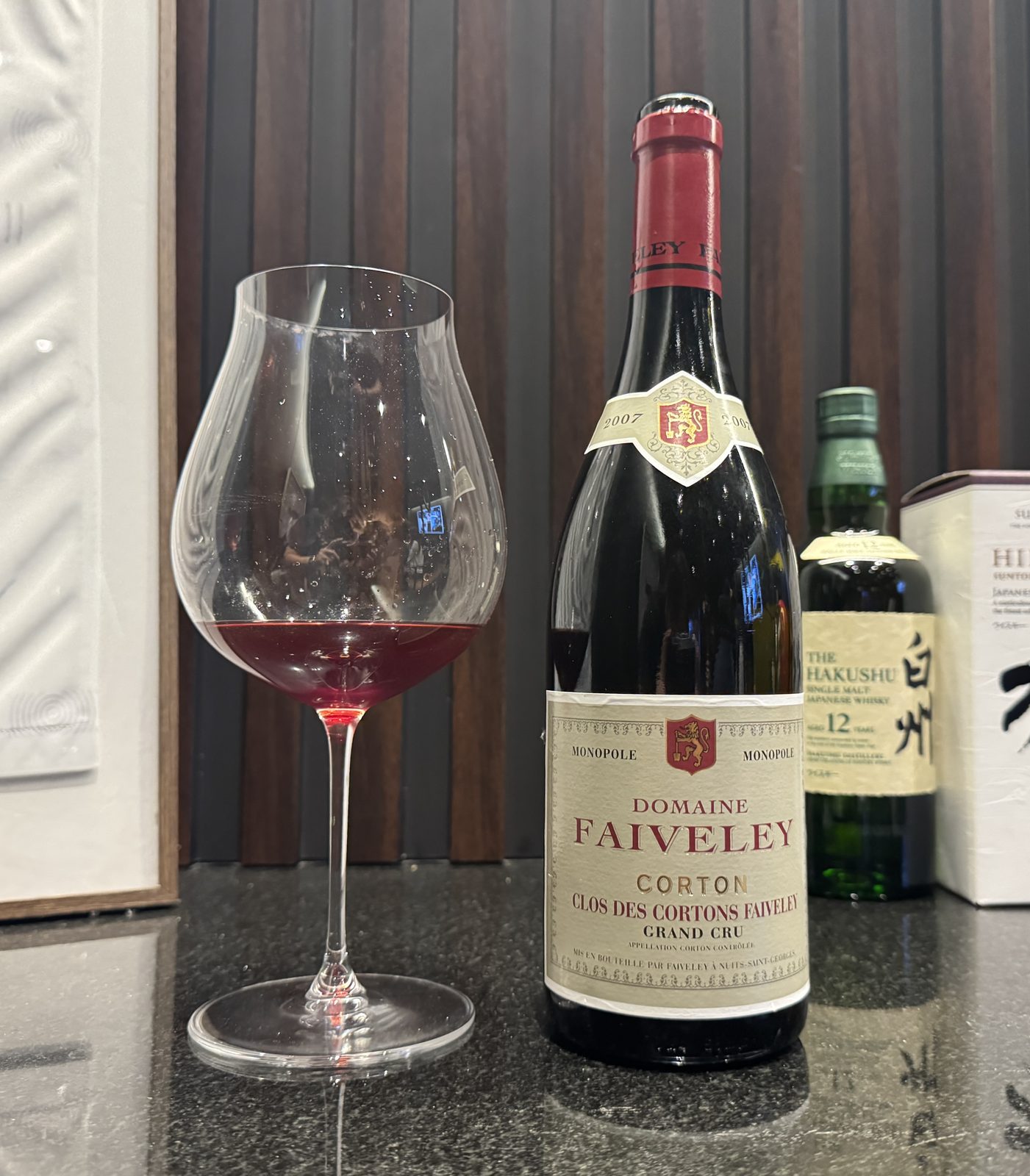
Only two Burgundy grands crus carry an owner's name — Romanée-Conti, and this monopole, Faiveley property since 1874. And 2007 happens to be the very vintage the domaine began remaking its style.
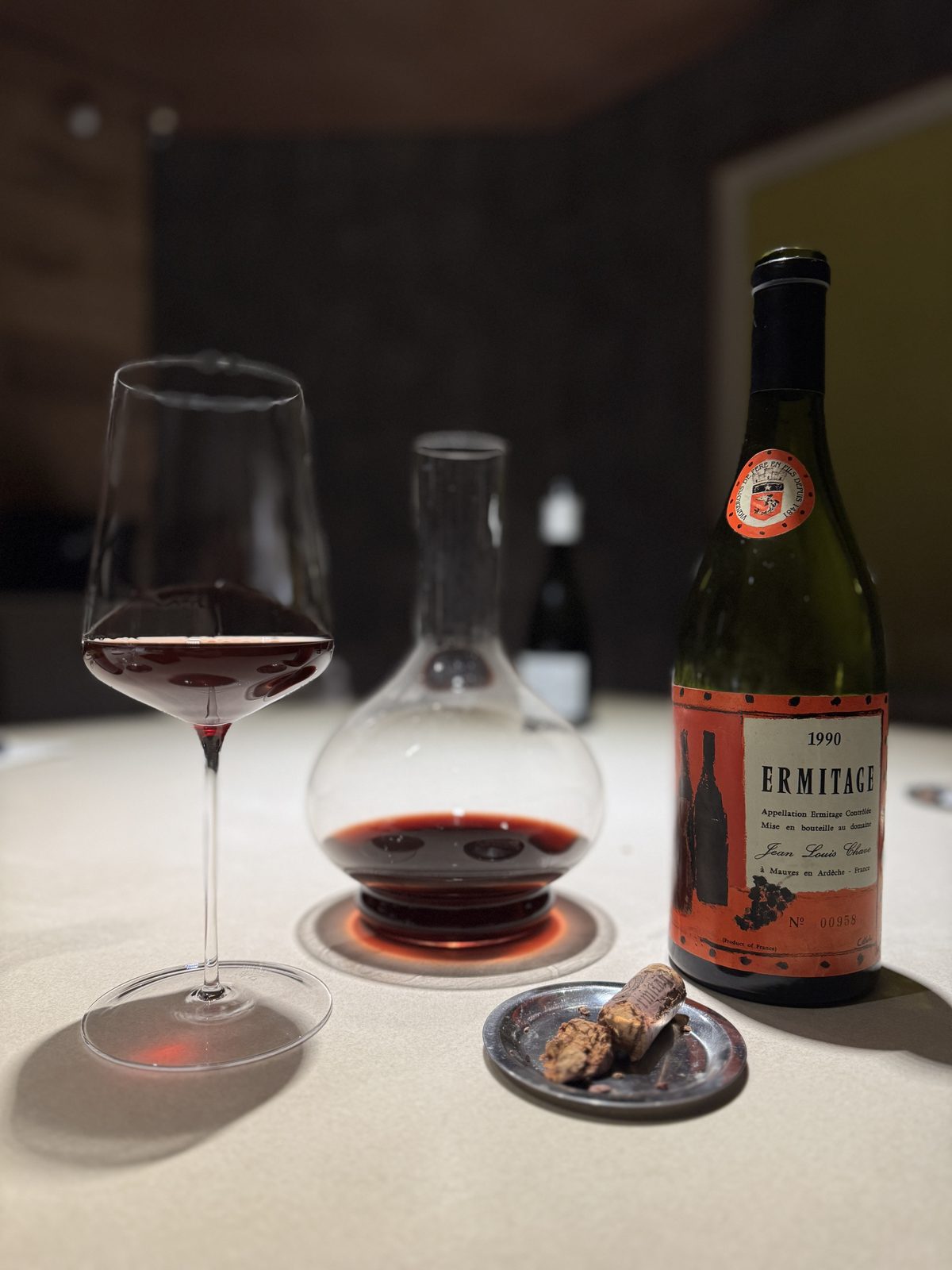
The Cathelin began as a painting by a family friend, and 1990 was its first vintage — made only in years with something to say, each bottle numbered. Thirty-five years on, the dark fruit still holds the center.
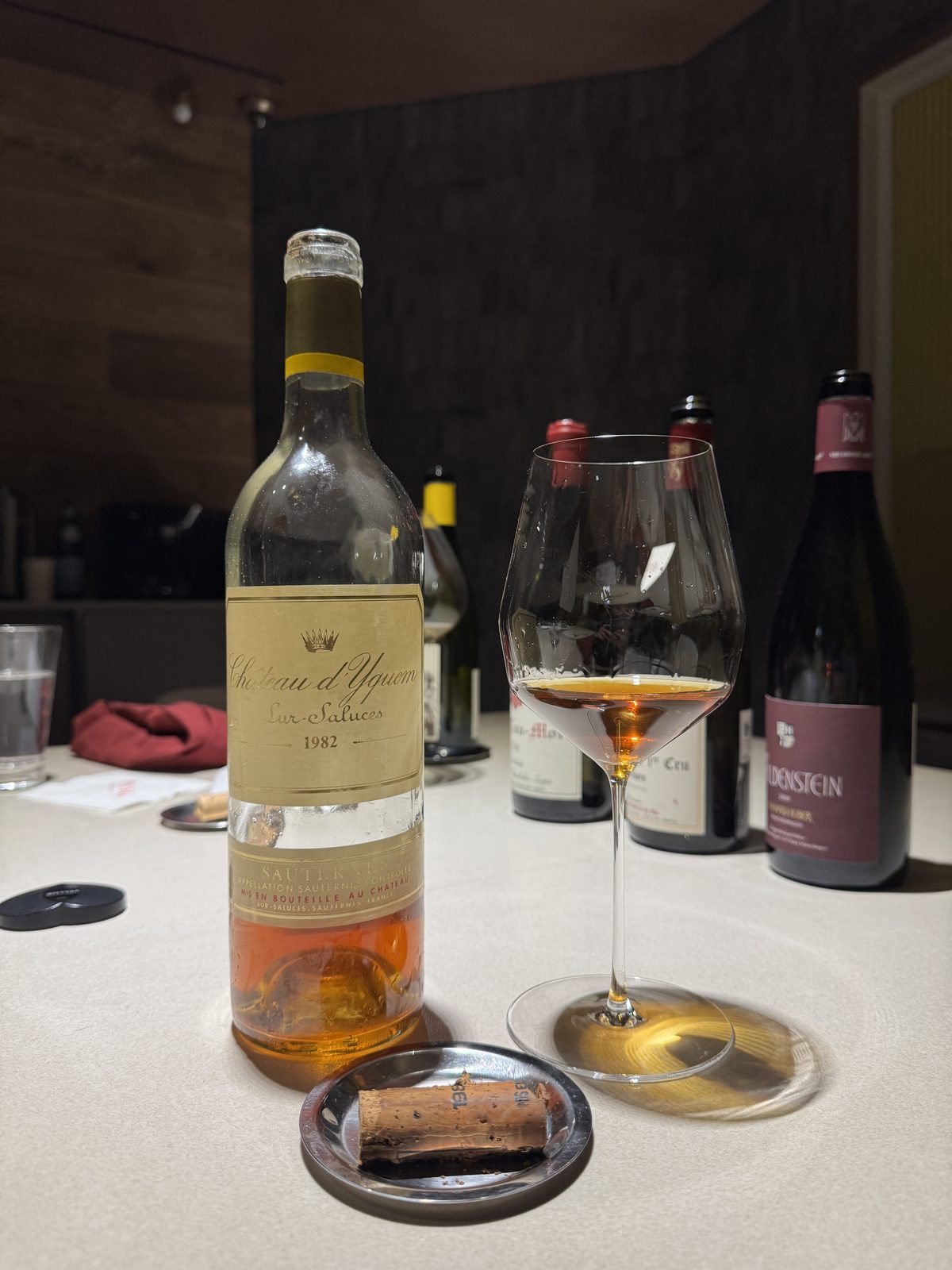
In Bordeaux, 1982 is a legend — but that story belongs to the reds. In Sauternes the October rains washed the botrytis away, and almost nobody had picked in time. Forty-three years on, what you notice first is not the sweetness but the acid.
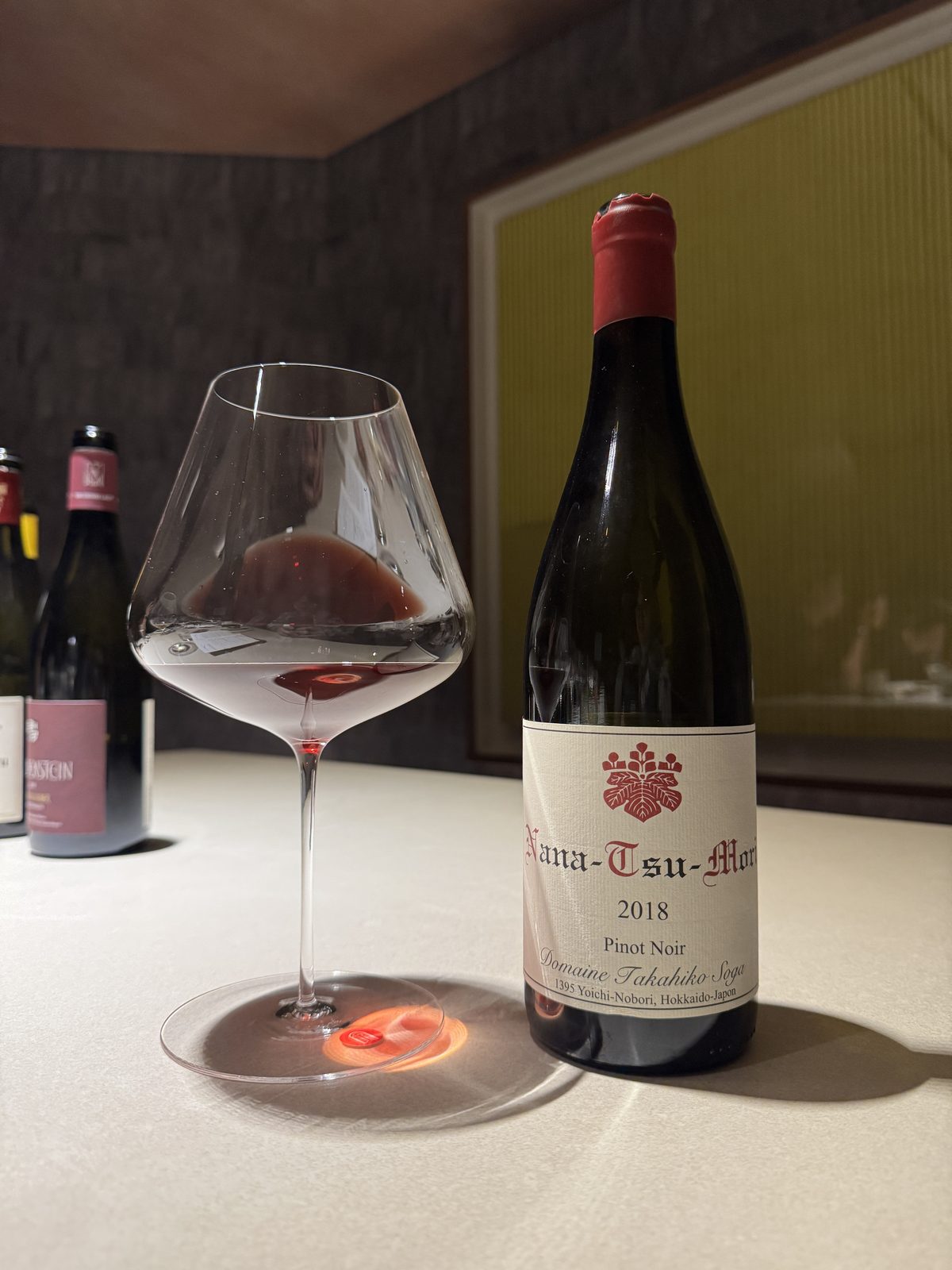
Nana-Tsu-Mori — 'seven forests' — was once an orchard of seven fruit trees; now it grows Japan's most talked-about Pinot Noir. Pale, floral, high-strung, and not quite like anything in the Burgundy songbook.
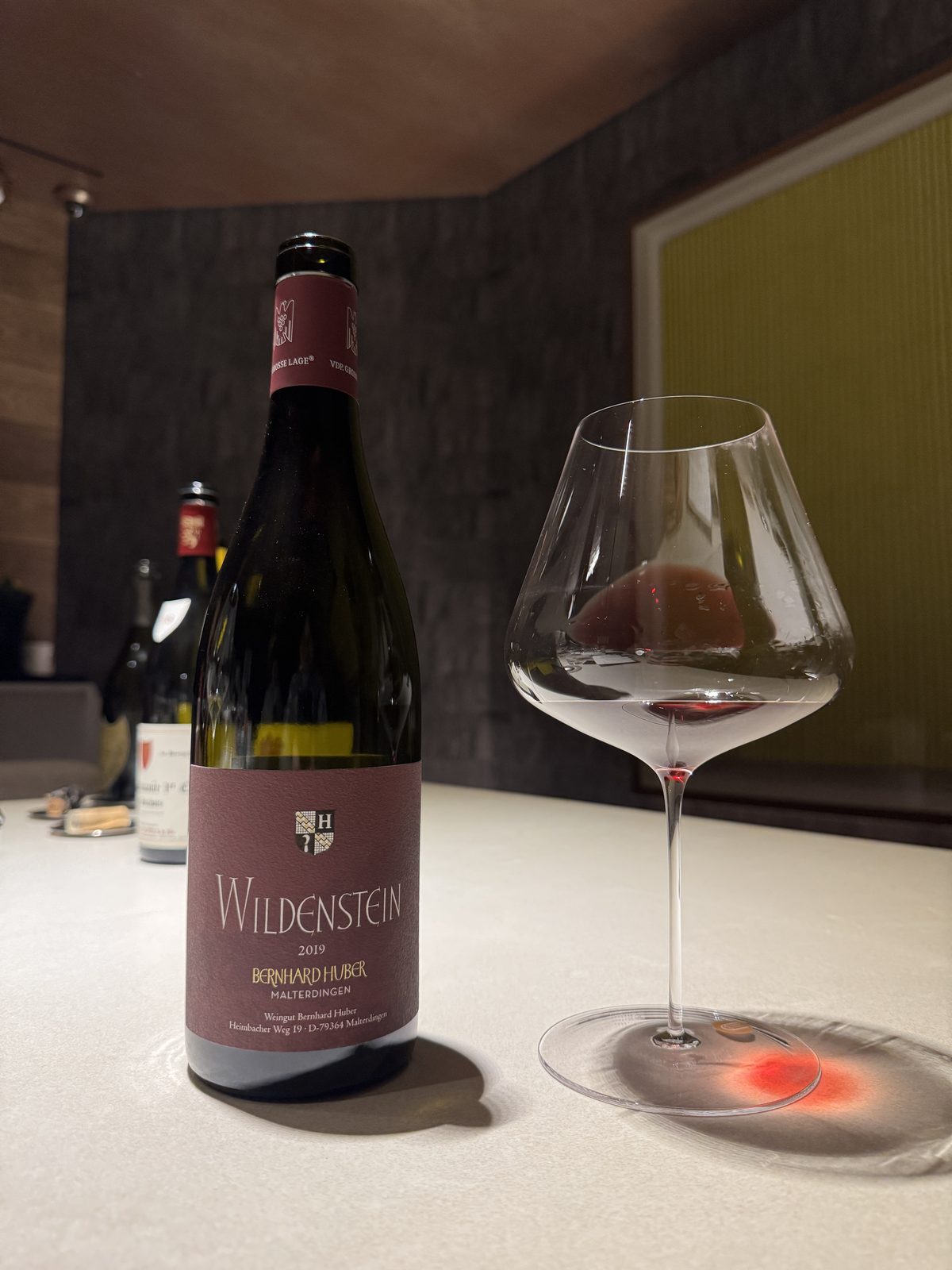
Cistercian monks planted Pinot Noir in Malterdingen some seven hundred years ago, and the parcel they chose — Wildenstein — sits on shell limestone closer to the Côte d'Or than to the rest of Baden. They were not guessing.
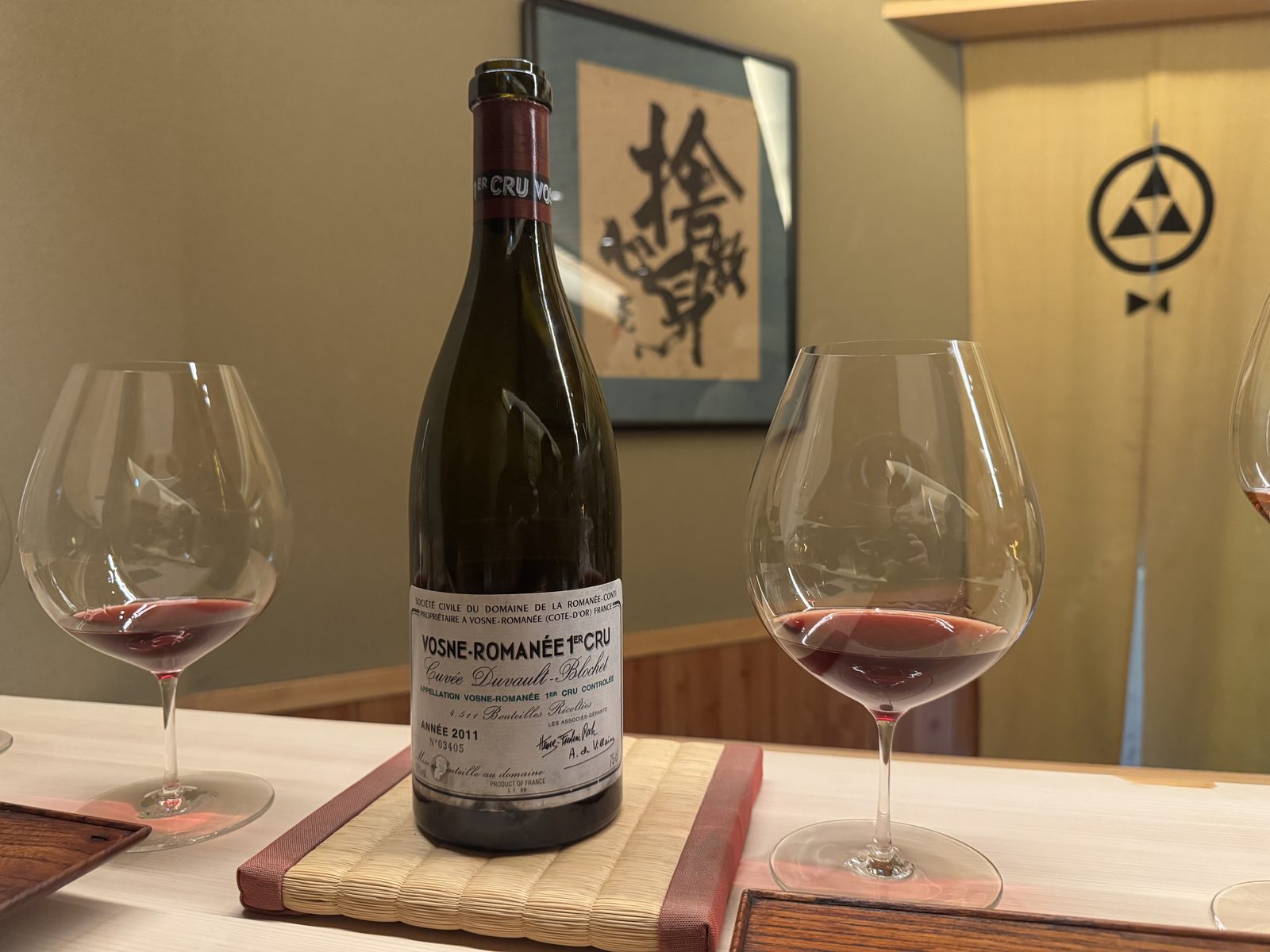
Grand cru fruit from a second pass through the vines, declassified to premier cru under the founder's name. 4,511 bottles in 2011, and most never left France — born privileged, travelling under a modest card.
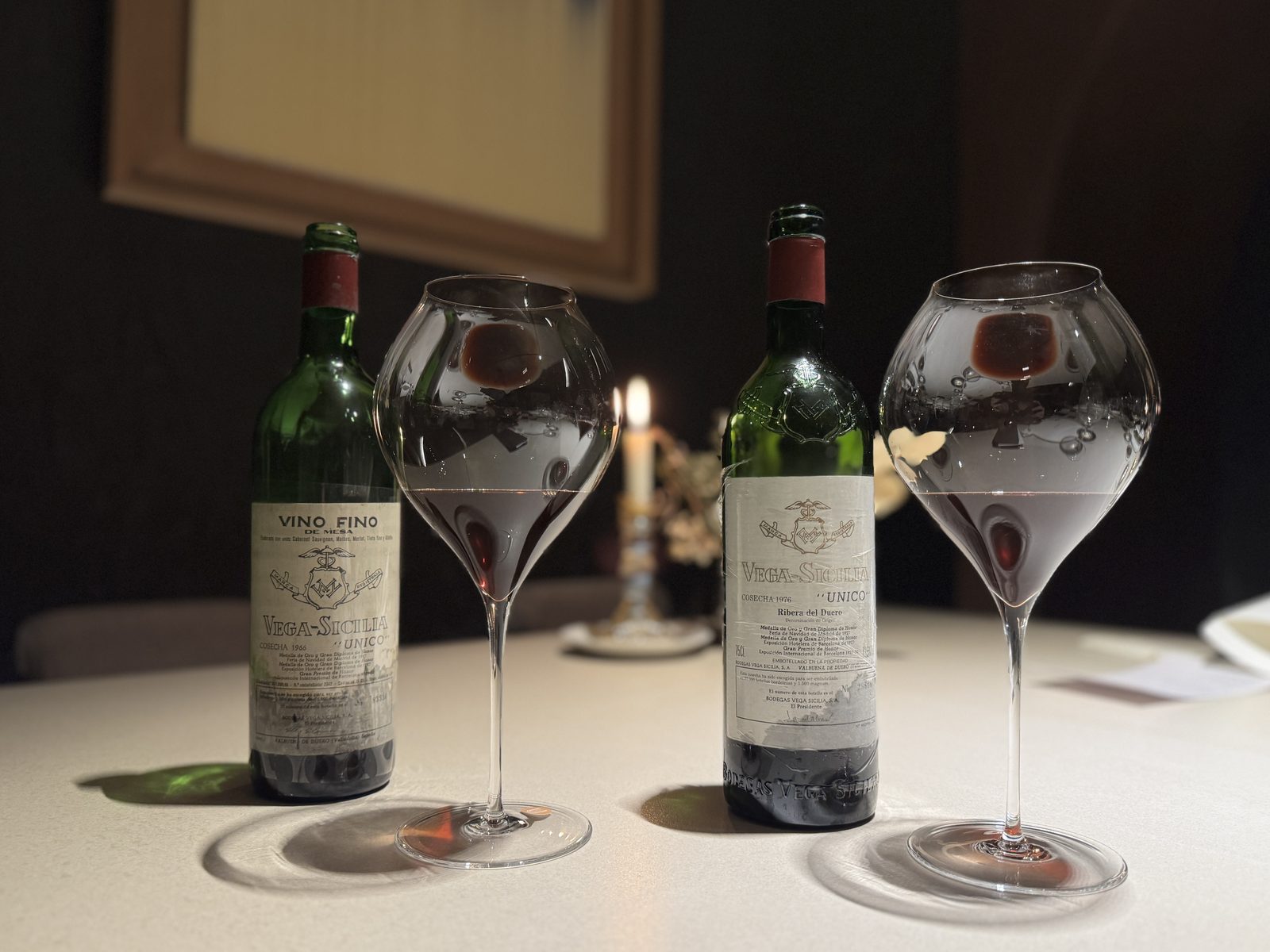
Two bottles of Único, ten years apart. The 1966 label reads only 'fine table wine' — its region had no name yet. By 1976, Ribera del Duero was written on the glass. Between the two bottles, a wine region was born.
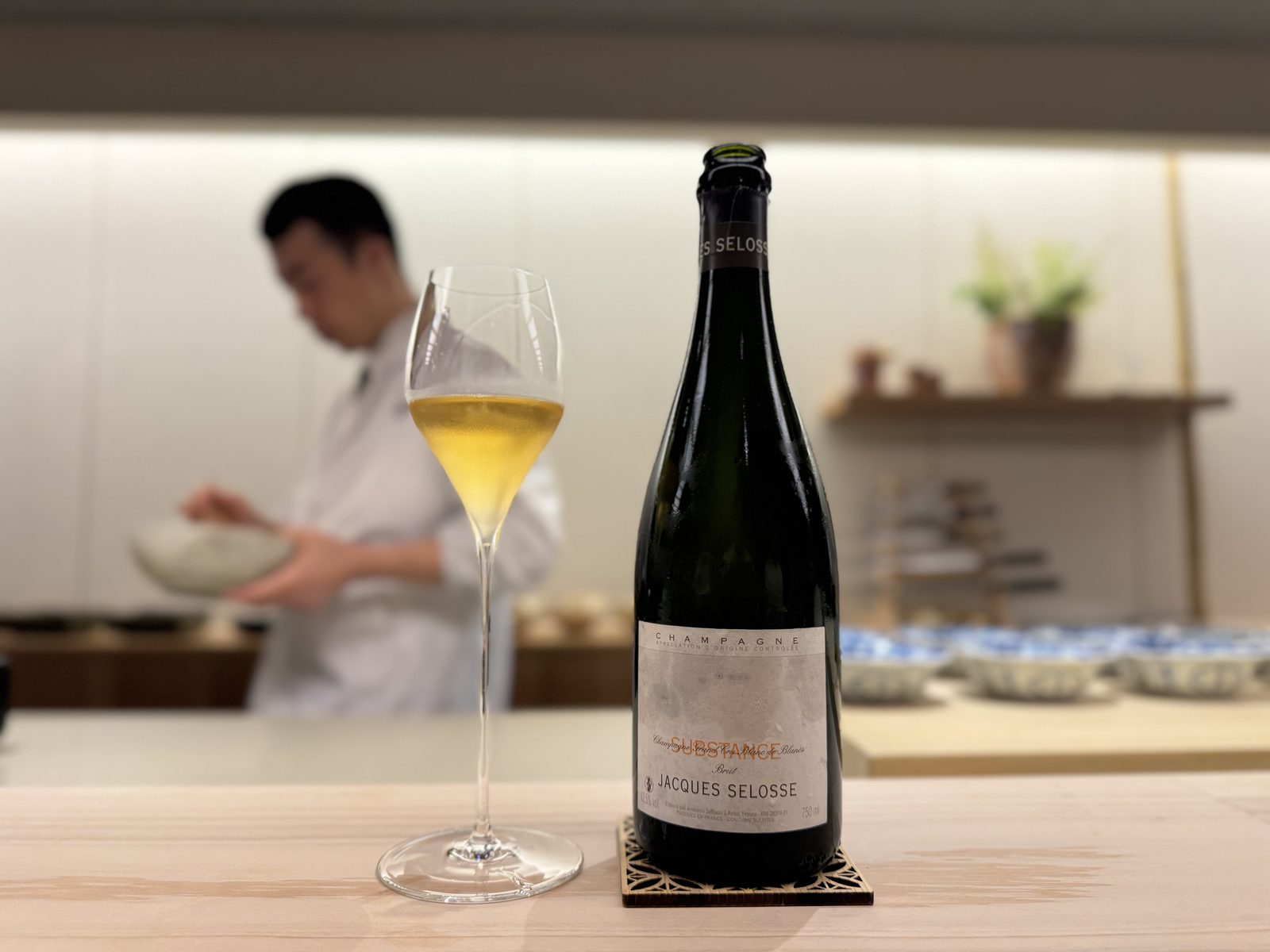
Substance carries no vintage because it carries all of them — a solera begun in 1986, Avize Chardonnay only. At a sushi counter, this is the rare Champagne where 'it tastes like sherry' is the highest compliment.
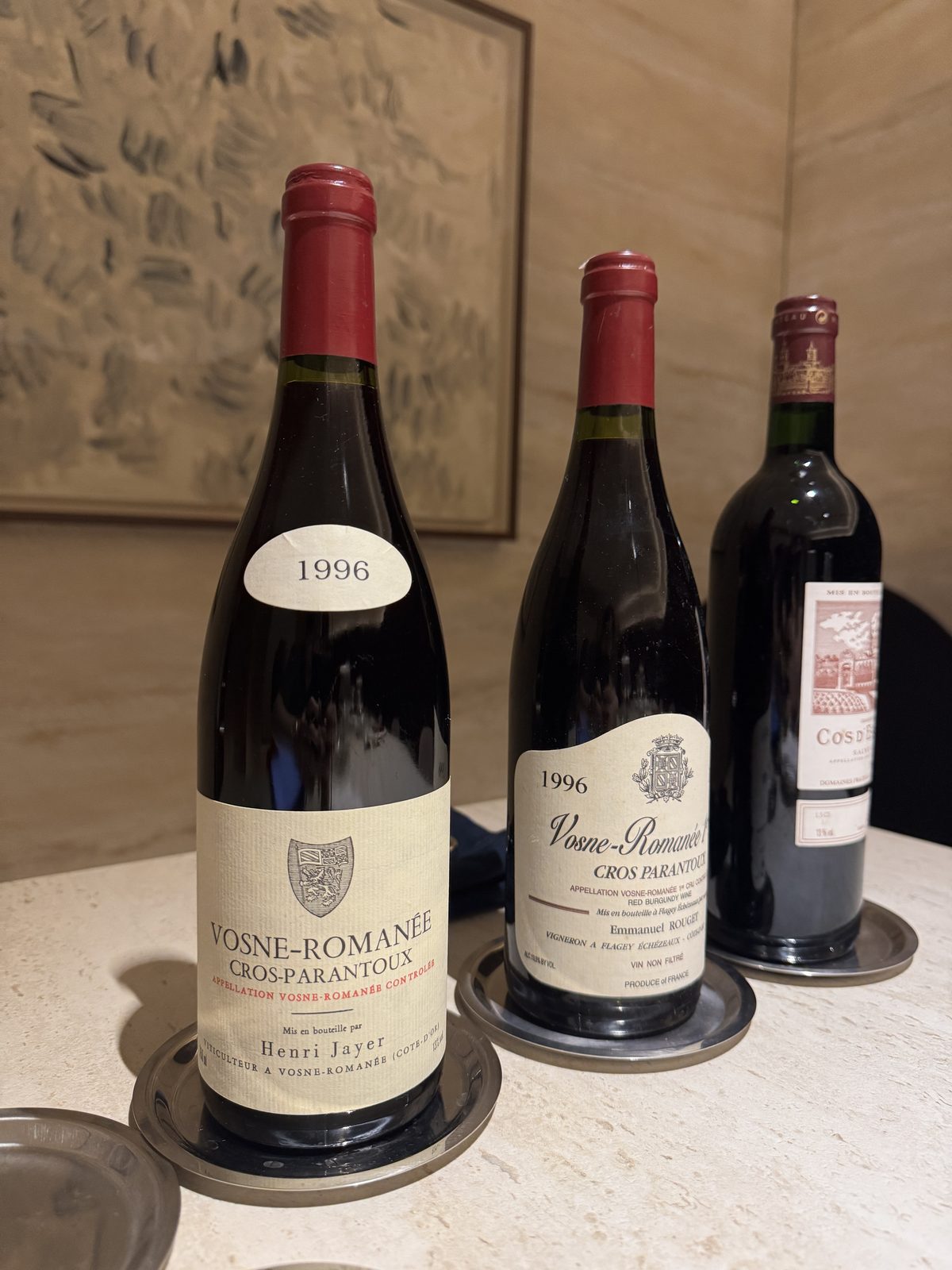
In 1996 the same hectare of Vosne-Romanée wore two labels — Henri Jayer's and Emmanuel Rouget's. Opening both side by side turned out to be less about comparison than about provenance, price, and what a legend is actually worth.
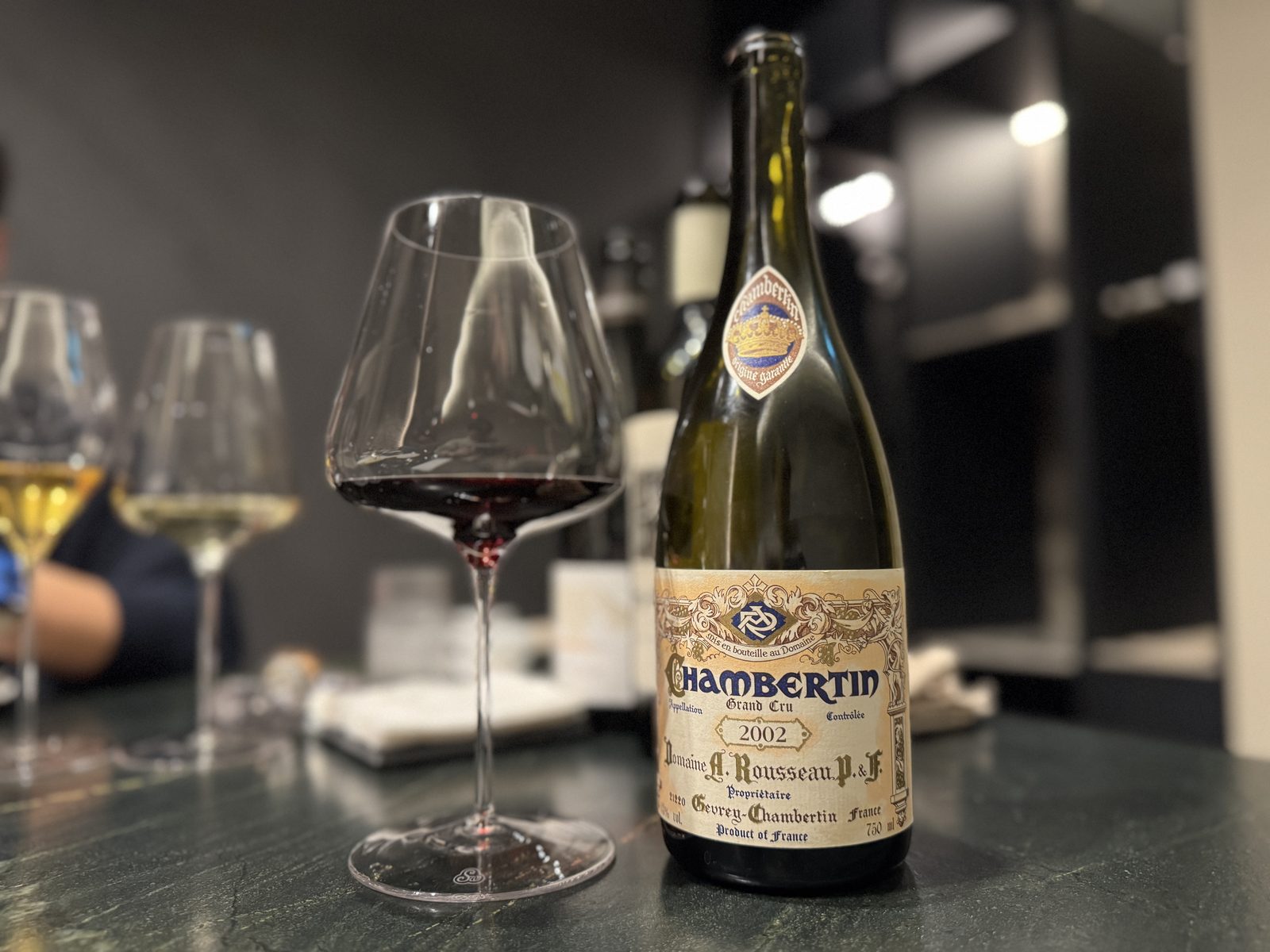
The domaine itself calls Chambertin the masculine one — broad-boned, short on finesse in youth, rounding out with time. Twenty-three years on, that sentence was sitting in the glass.
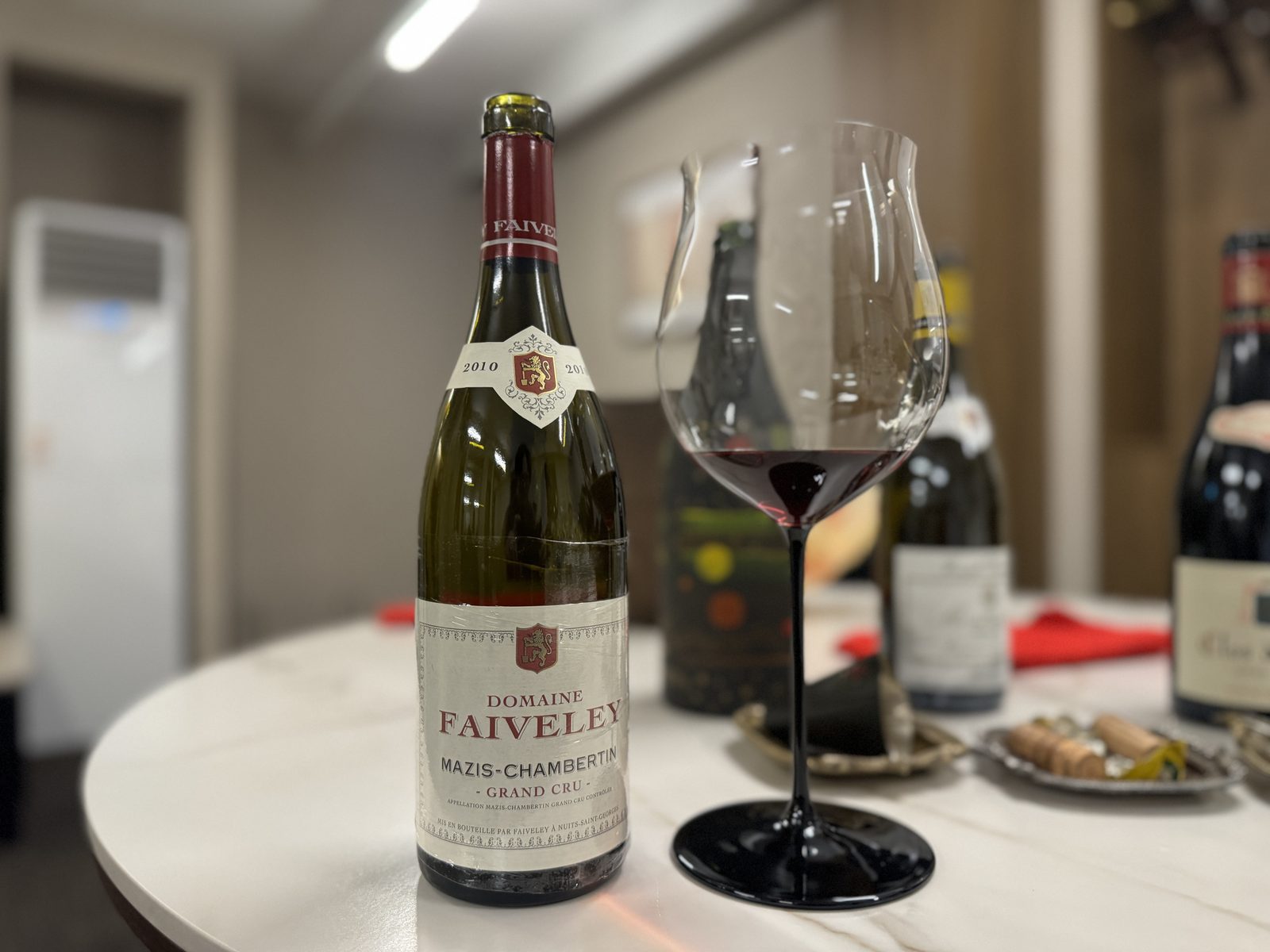
Mention Faiveley and opinions split — those who remember the old, hard, closed wines, and those who taste the estate now and wonder what happened. The dividing line is roughly 2007, and this 2010 Mazis stands firmly on the new side.
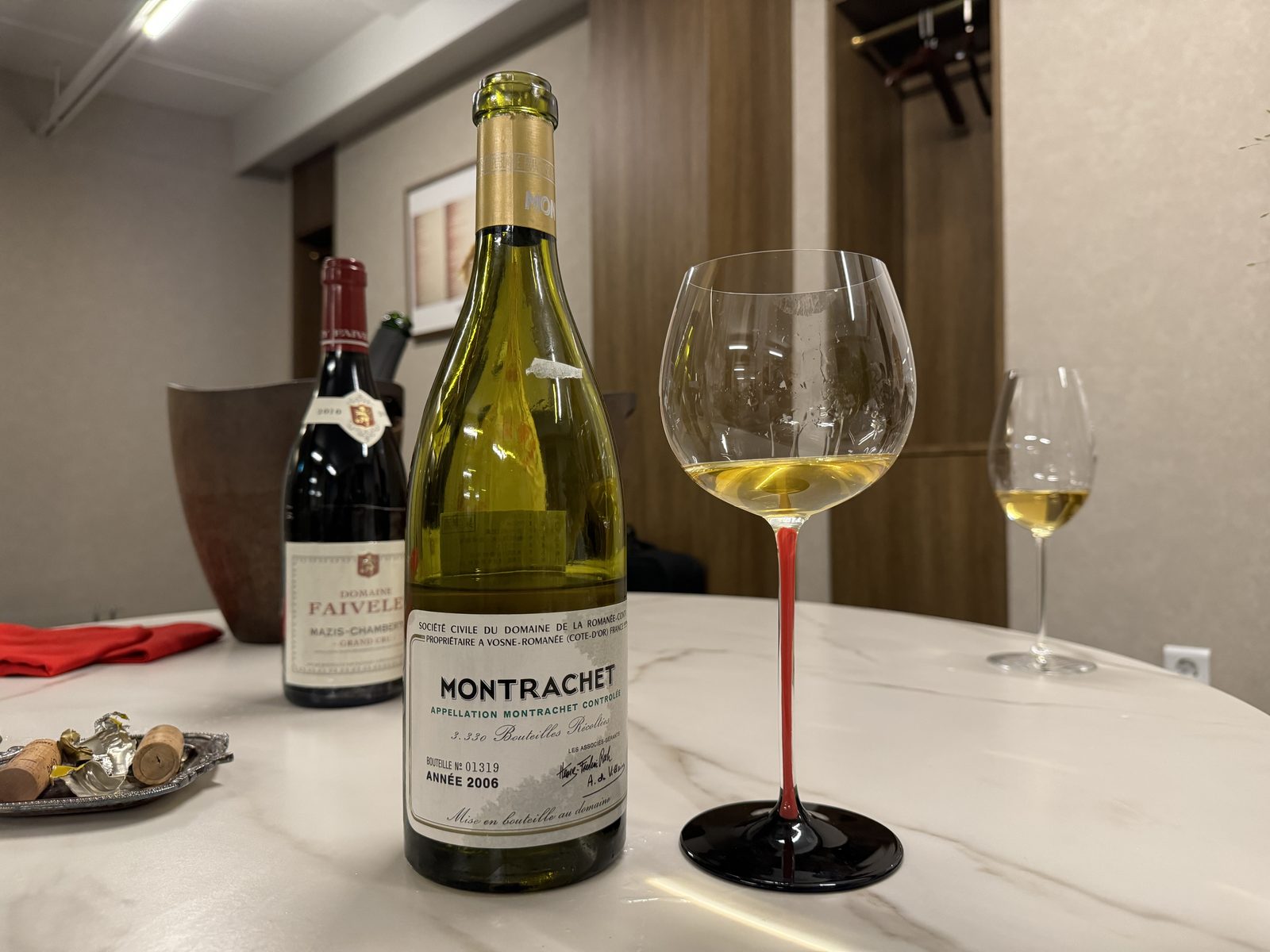
The label states it plainly: 3,330 bottles harvested, and this is number 1,319. From 0.67 hectares of sixty-year-old vines — the smallest production at the domaine, and for decades DRC's only white.
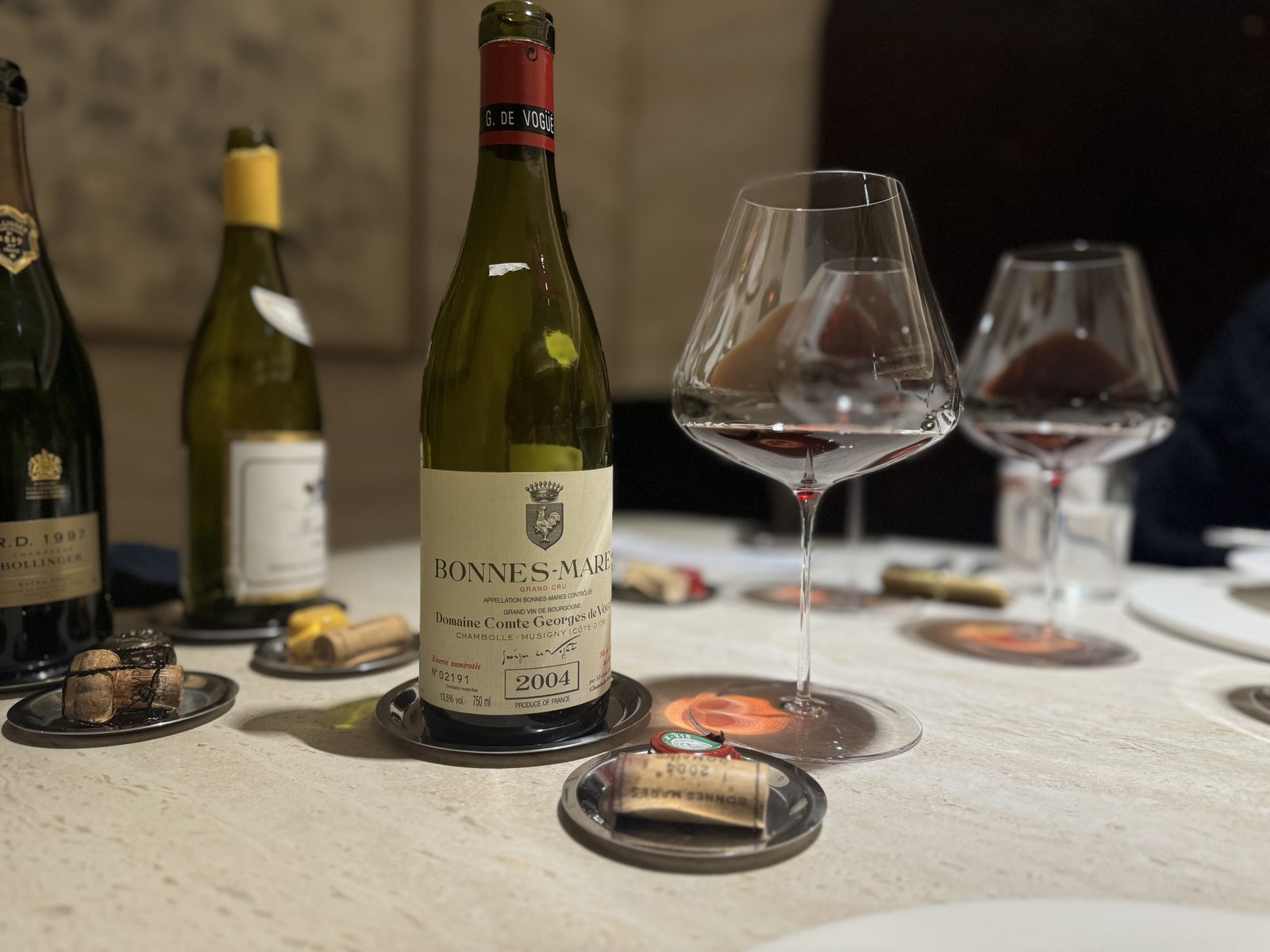
One vineyard, two soils. De Vogüé's parcel sits on the red, clay-heavy terres rouges — where the domaine's Musigny is silk, this is muscle. At twenty years, the 2004 was only just beginning to open its door.
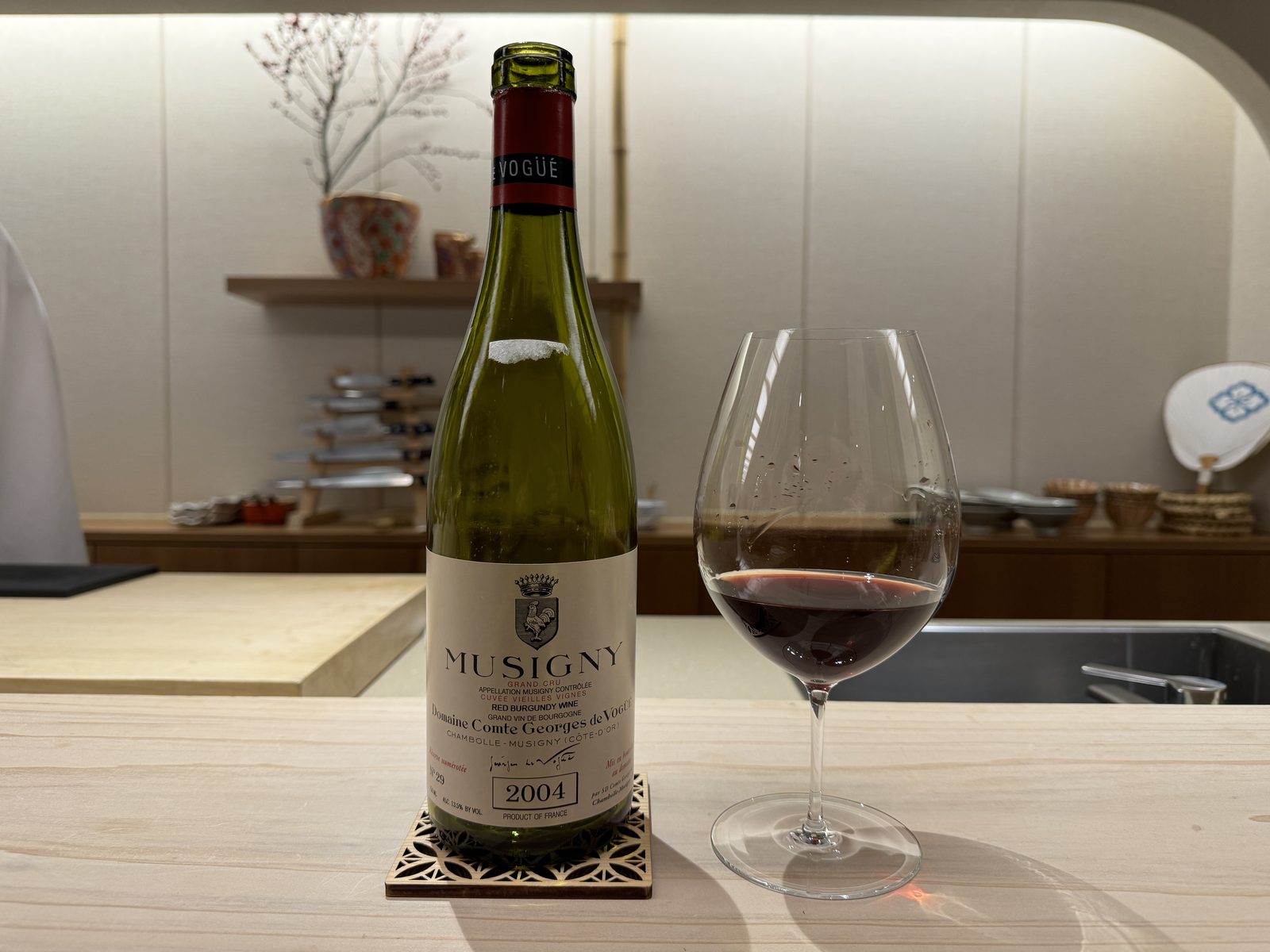
At de Vogüé, 'Vieilles Vignes' is not a special edition — it is the only Musigny the house makes. Twenty years on, the 2004 arrived as texture before aroma: liquid silk over a tension that still hasn't let go.
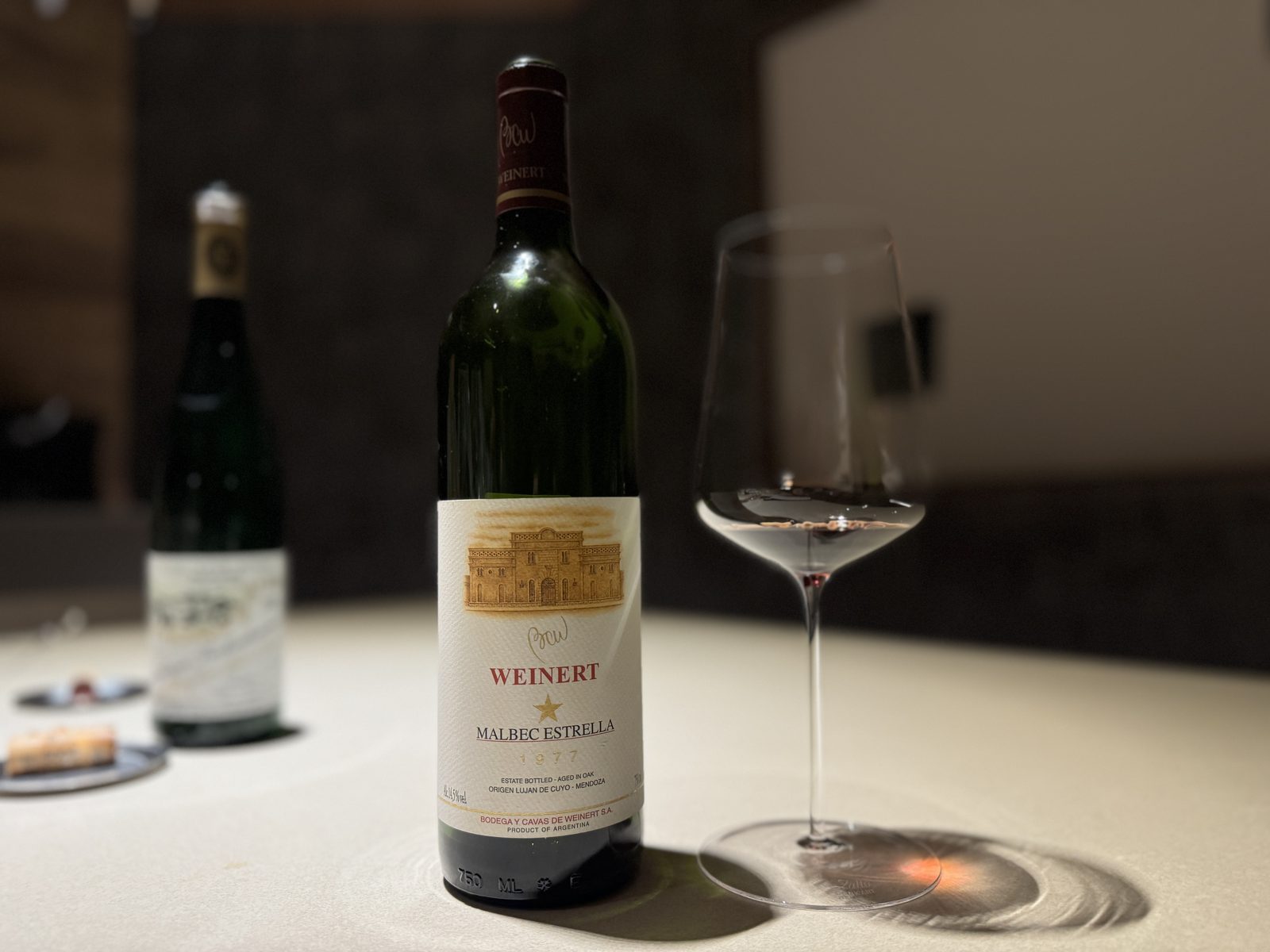
Nineteen years in large old casks before bottling — one of the first Malbecs ever presented to the world as a fine wine. Half a century on, the core of the 1977 was still dark, and the wine had not fallen.
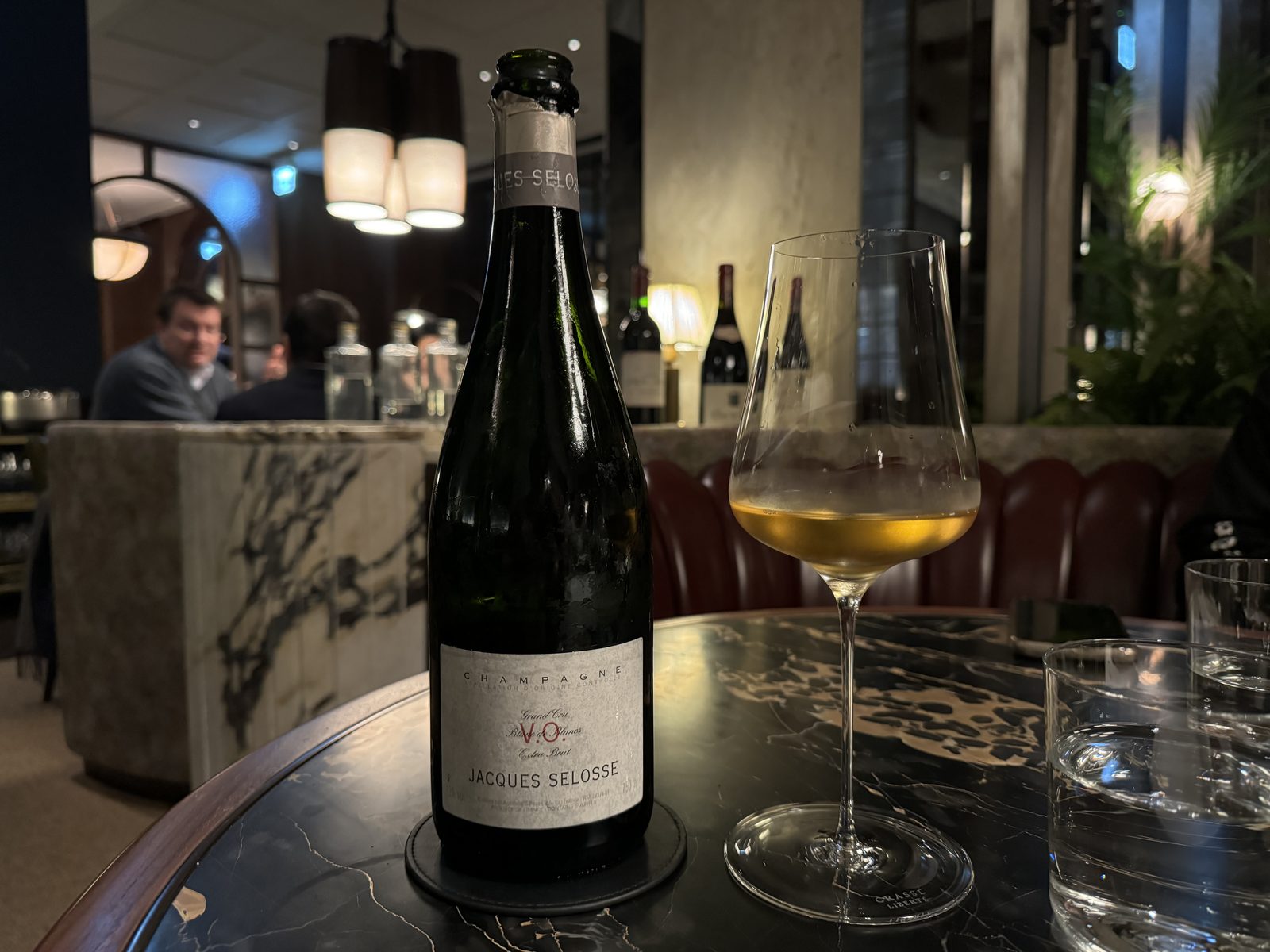
Everyone says 'solera' the moment Selosse comes up — but V.O. isn't one. It is three consecutive vintages from the chalk heights of Avize, Cramant and Oger, and it drinks closer to mature white Burgundy than to Champagne.
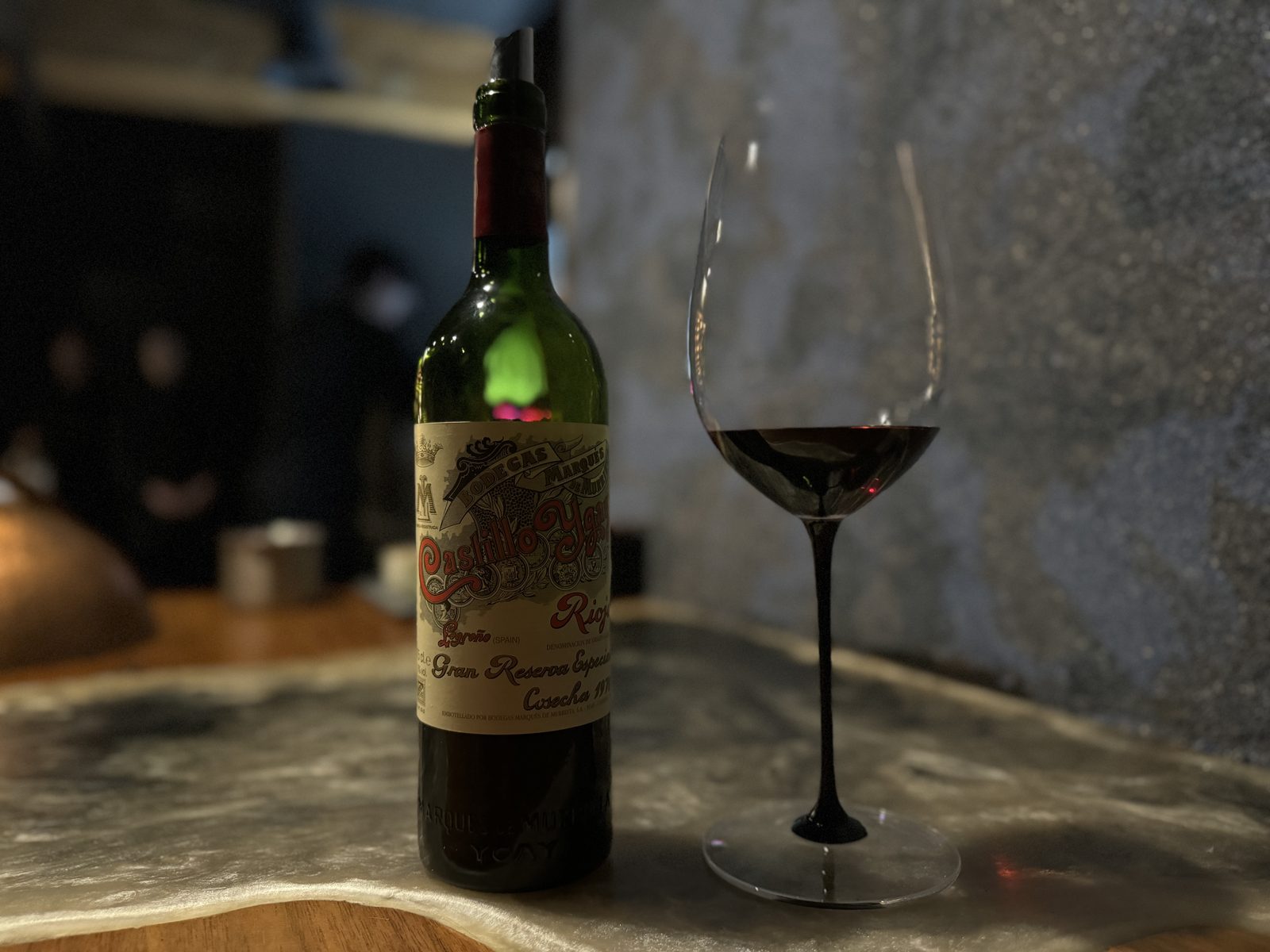
Harvested in 1970, bottled only in July 1982 — Castillo Ygay Gran Reserva Especial is declared only in exceptional years. Fifty-four years on, the colour had long since faded to brick, but the acidity was still razor-sharp.
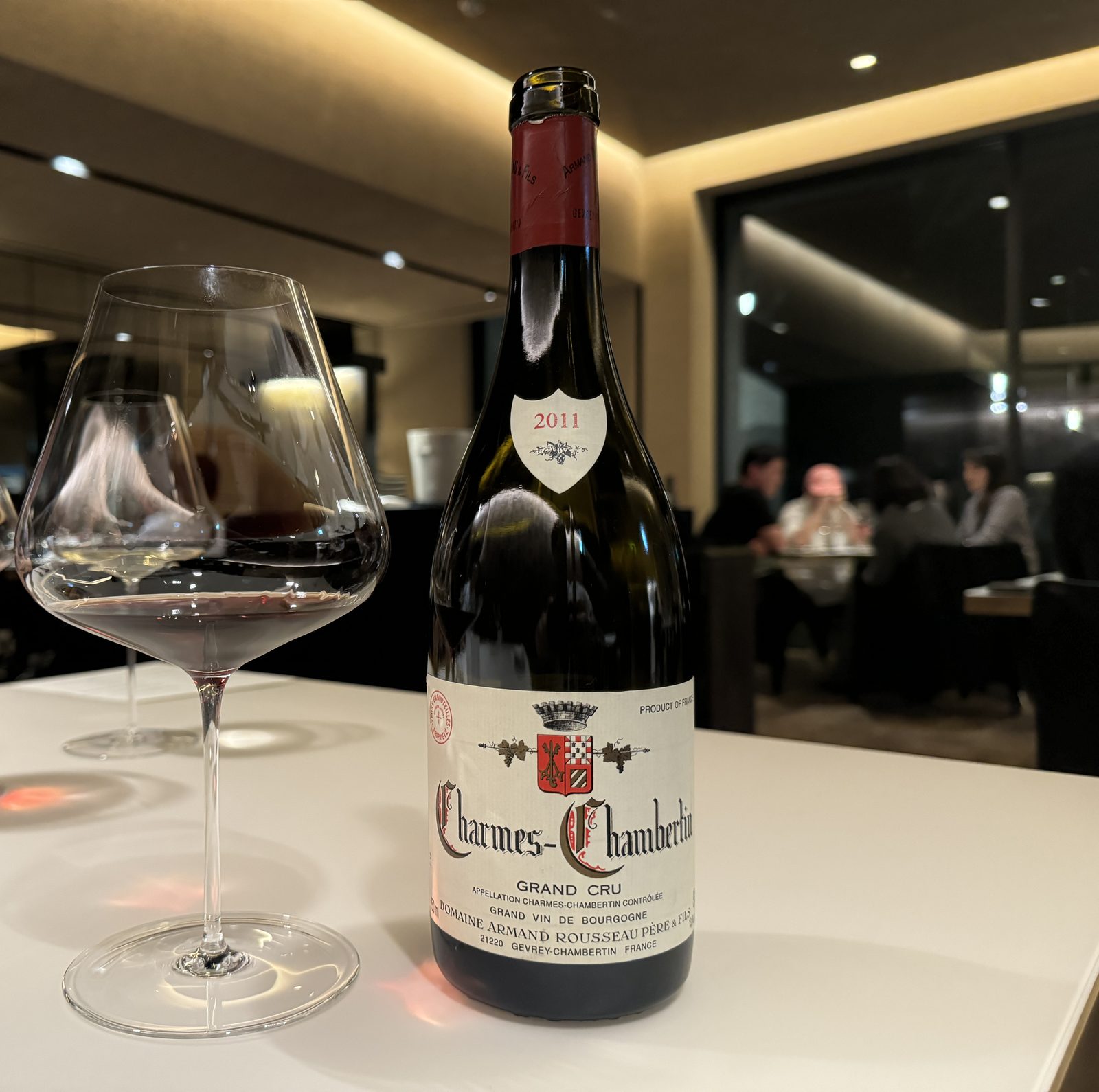
Rousseau's hierarchy is drawn not only in the vineyard but in the barrel cellar: new oak for Chambertin and Clos de Bèze, seasoned casks for Charmes. Not a lesser wine — a different intention, and the light 2011 shows it clearly.
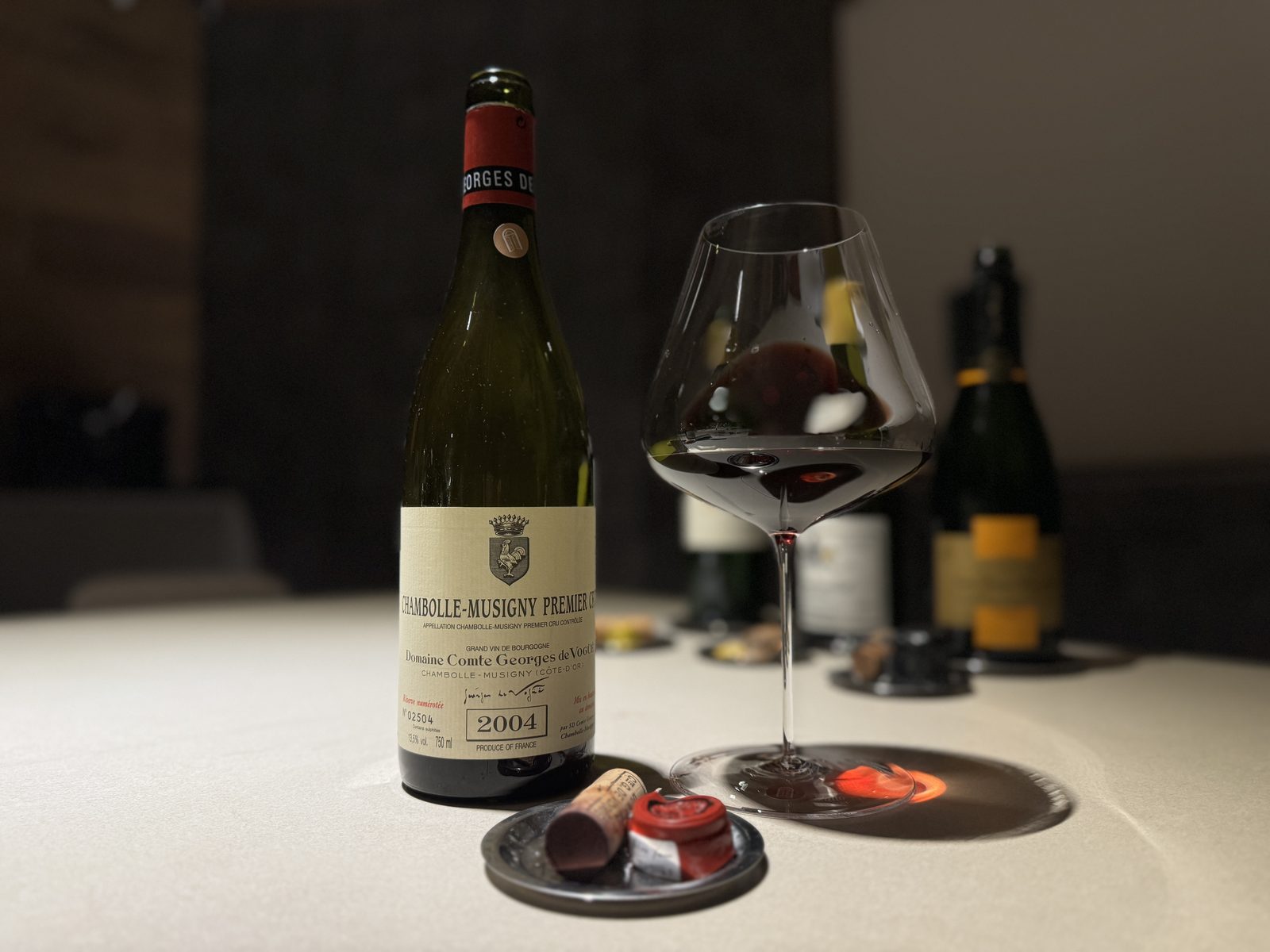
The label says premier cru; the fruit comes from the Musigny grand cru itself — young vines, declassified to protect the old-vine cuvée. Twenty years on, this 2004 smelled of forest floor and carried none of the vintage's feared green edge.
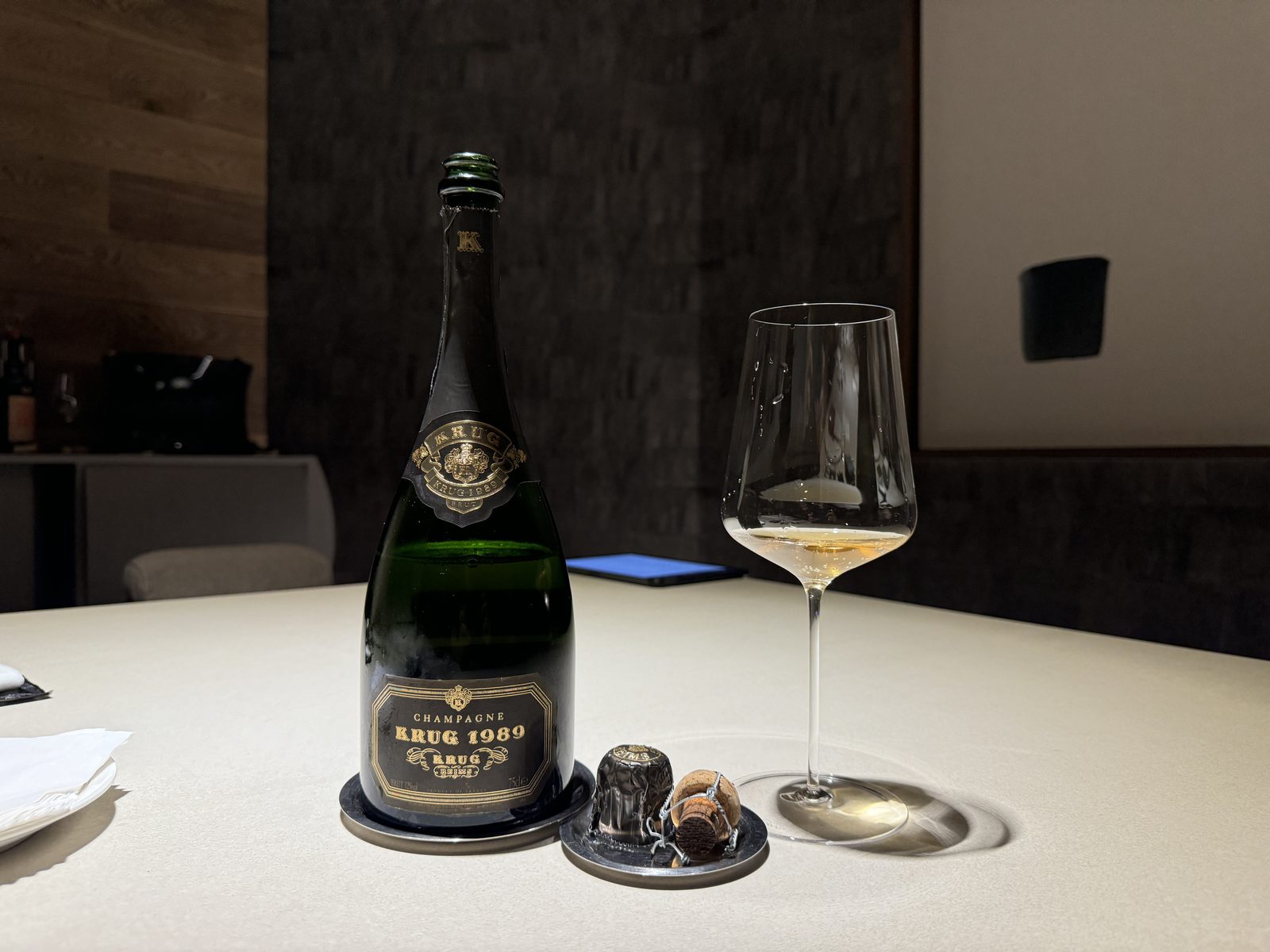
Krug's Vintage is a portrait of a single year, released only after a decade or more in the cellars. At thirty-five, the 1989 — a sun-blessed, generous season — stood at the absolute peak of maturity, opulent yet never slack.
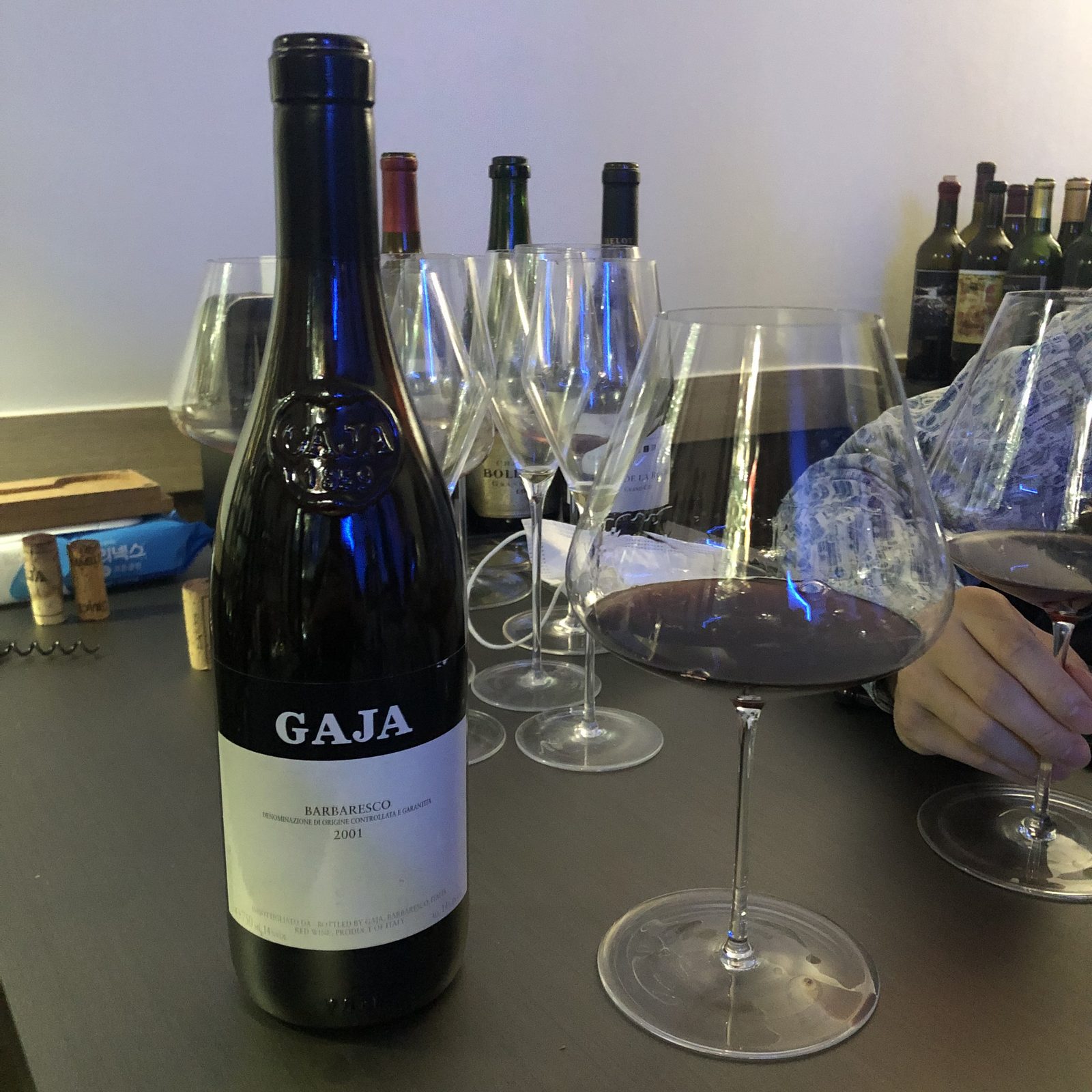
For fifteen vintages this classic bottling was the only Barbaresco DOCG Gaja made — the single-vineyard wines had been voluntarily demoted to Langhe. At twenty years, the 2001 showed why the house never needed more than this.
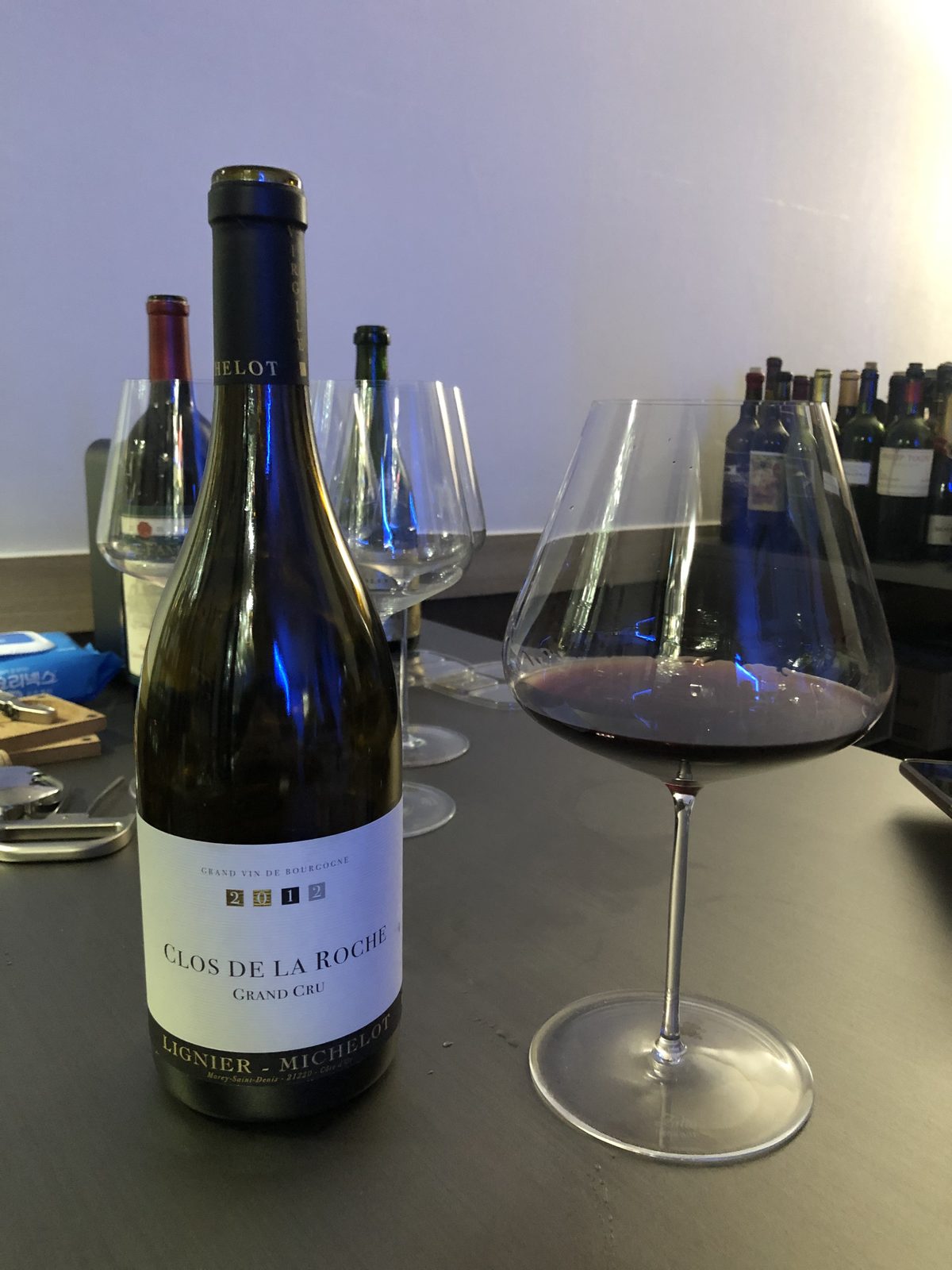
Say 'Lignier' and most Burgundy drinkers think of Hubert or Georges. Virgile Lignier's family domaine is a different lineage altogether — and its Clos de la Roche 2012 opened with dried petals and a Vosne-like elegance.